Tennessee Volunteers navigate transition in game-day traditions following the passing of Dolly Parton

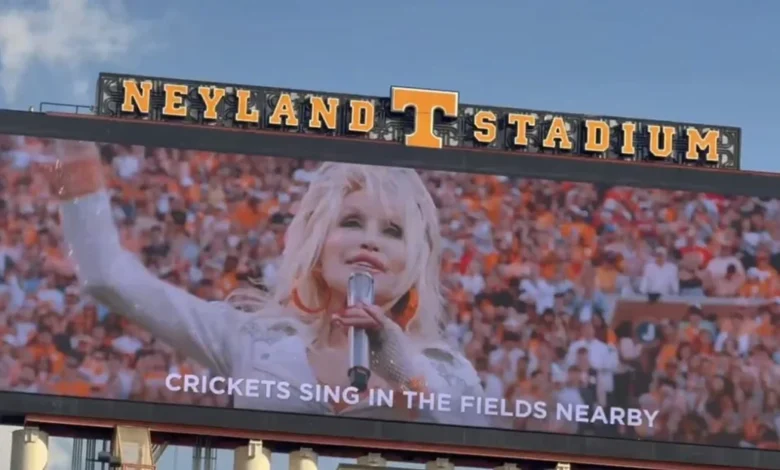
The University of Tennessee football program has spent the early portion of the 2026 college football season balancing the integration of new game-day traditions with the preservation of long-standing rituals. Following the death of country music icon and Tennessee native Dolly Parton on August 25, 2026, at the age of 80, the university initiated a series of tributes across its athletic department to honor the singer’s profound cultural legacy. Chief among these was a high-profile change to the fourth-quarter anthem at Neyland Stadium, which served as a focal point for the university’s memorial efforts.
The Evolution of the Fourth-Quarter Anthem
At the start of the 2026 season, the Tennessee Volunteers athletic department made a deliberate shift in its stadium production. The program opted to replace Morgan Wallen’s "The Way I Talk"—a song that had become a staple of the fourth-quarter atmosphere—with Dolly Parton’s 1973 classic, "My Tennessee Mountain Home."
The selection was widely viewed as a poignant tribute to Parton, whose career and public identity remained inextricably linked to her East Tennessee roots. The song, which served as the title track to her twelfth solo studio album, captures the nostalgic essence of her upbringing in the Great Smoky Mountains. For many in attendance, the transition represented a shift from a modern, high-energy pop-country anthem to a more reflective, regional celebration of the state’s most famous daughter.
Chronology of Memorial Tributes
The university’s efforts to honor Parton were comprehensive, spanning multiple facets of the fan experience. The chronology of these tributes highlights the depth of the school’s engagement:
- August 25, 2026: Dolly Parton passes away following a battle with cancer. The University of Tennessee issues a formal statement expressing condolences and recognizing her contributions to the state.
- Early September 2026: The athletic department announces that the football team will wear commemorative helmet decals for the remainder of the season. The decal features an orange butterfly, a symbol long associated with Parton, with her name prominently displayed.
- First Home Game of 2026: The university unveils a promotional hype video set to "My Tennessee Mountain Home." The video, which blends cinematography of rural East Tennessee landscapes with pre-game preparations at Neyland Stadium, received significant positive engagement across digital platforms.
- September 5, 2026: During the season’s opening home contest, the university debuts the "Dolly Karaoke Cam." The feature encouraged the capacity crowd of over 100,000 to participate in a communal singalong of Parton’s ballad "I Will Always Love You," a moment that was widely documented by fans and media members as a highlight of the game-day experience.
Unexpected Departures from Protocol
The stability of these new traditions came into question during the late September matchup against the University of Texas. During the fourth quarter of the game, attendees noted that "My Tennessee Mountain Home" was absent from the stadium’s musical rotation. Instead, the Pride of the Southland Marching Band performed "Rocky Top," the university’s iconic fight song.
According to reports from the Knox News, the shift was abrupt and occurred without prior public notification from the university’s administration. When questioned regarding the reasoning for the exclusion of the Parton track and whether it signals a permanent change in policy, representatives for the University of Tennessee athletics department declined to provide a formal comment.
The lack of clarity has prompted speculation regarding the future of the fourth-quarter musical program. While some observers suggest that the transition may be a temporary measure to refocus on traditional school fight songs during high-stakes conference games, others suggest that the university may be looking for a more permanent musical strategy as the season progresses.
Supporting Data and Cultural Significance
The significance of these tributes is bolstered by the scale of the venue and the demographic reach of the University of Tennessee’s athletic program. Neyland Stadium, with a seating capacity of 101,915, is one of the largest collegiate football stadiums in the United States. Integrating a specific artist’s work into this environment ensures that a vast audience engages with the tribute simultaneously.
Parton’s legacy is not merely musical; it is deeply embedded in the regional identity of East Tennessee. Her philanthropic efforts, most notably through the Dollywood Foundation and various literacy initiatives, have had a measurable economic and social impact on the region. Consequently, the use of her music within the university’s sports infrastructure serves as a broader acknowledgement of her status as a cultural figurehead rather than just a recording artist.
Implications for Game-Day Production
The management of game-day traditions requires a delicate balance between honoring historical legacies and maintaining the competitive fervor expected by fans. The use of "The Way I Talk" previously signaled a modern evolution in the game-day experience, while the pivot to "My Tennessee Mountain Home" prioritized emotional resonance and regional heritage.
The potential return to either of these tracks—or the adoption of a new selection—will be closely monitored during the upcoming October 3 game against Auburn. The decision-making process here reflects the complexities of managing a "brand" that must serve both the entertainment requirements of modern college athletics and the commemorative needs of the community during a period of mourning.
Analysis of Institutional Response
From a public relations standpoint, the University of Tennessee’s decision to honor Parton through helmet decals, digital media content, and stadium-wide singalongs provided a unified message of respect. The abrupt removal of the fourth-quarter song during the Texas game, however, introduces a measure of ambiguity.
In collegiate sports, music is often used to manipulate the crowd’s energy levels. "Rocky Top" is universally recognized as a tool to elicit high-intensity responses from the Tennessee faithful. "My Tennessee Mountain Home," conversely, functions as a slower, more sentimental piece. It is possible that the athletic department is weighing the necessity of maintaining a high-energy, "winning" atmosphere against the desire to maintain a somber, respectful tribute to a deceased icon.
As the program looks toward the remainder of the 2026 season, the question of whether the "Dolly tribute" will persist in its initial form remains a point of interest for the university’s massive fan base. Should the university choose to return to the Parton anthem, it would suggest a prioritization of long-term commemoration. If, however, the university continues to favor the band-led "Rocky Top" or other high-tempo selections, it may indicate a return to standard operational procedures, with the initial tributes serving as a time-bound memorial rather than a permanent addition to the stadium’s identity.
For the upcoming home game against Auburn, the stadium’s production team will once again be under scrutiny. Fans and analysts alike will be observing the fourth quarter to determine if the "My Tennessee Mountain Home" era has reached its conclusion or if it will be reinstated as a staple of the Neyland Stadium experience for the duration of the season. Regardless of the outcome, the events of the last month have underscored the unique, albeit complex, relationship between Tennessee’s cultural icons and its most prominent collegiate institution.
Related posts: