Macklemore Calls For Free Palestine And Condemns ICE During First Show Since Ed Sheeran Saga

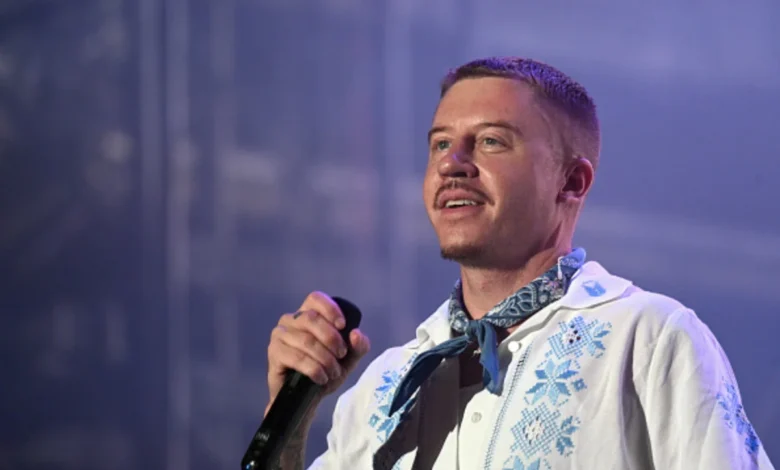
The intersection of popular culture, international politics, and corporate oversight within the live music industry reached a new milestone on Thursday night (October 22) as American rapper Macklemore took the stage at the iconic Red Rocks Amphitheatre in Colorado. Delivering a comprehensive 17-song setlist, the performance marked his first live concert appearance since his high-profile removal from Ed Sheeran’s North American "Loop" stadium tour last month. The dismissal stemmed directly from Macklemore’s outspoken political commentary during a previous concert, which ignited a sprawling multi-week controversy involving stadium moguls, international artists, massive charitable donations, and deep divisions within the global music community.
Against the backdrop of the majestic Colorado venue, Macklemore did not shy away from the controversies that have defined his autumn schedule. Instead, he utilized his platform to double down on his advocacy, expanding his message of solidarity from the Middle East to domestic human rights issues within the United States. Addressing the audience midway through his performance, the artist delivered a impassioned speech that framed his political stances not as partisan talking points, but as fundamental humanitarian imperatives.
"Being a human being in this moment is not complicated," Macklemore told the capacity crowd at Red Rocks. "It is not political. It is human to have a heart, to watch others suffering and to say, ‘Not anymore!’ So I say, free Palestine. I say, free Palestine!"
Expanding his critique to other zones of global conflict and domestic anxiety, the rapper continued, "I say, free Sudan. I say, free Congo, Lebanon, to Haiti, to all the people that are affected by ICE in America, who are afraid to leave their houses."
The crowd responded with resounding applause and cheers, to which the artist replied by summarizing his overarching ethos: "The message will always be love."
Chronology of a Tour Controversy: From MetLife to Red Rocks
The events leading up to Macklemore’s Red Rocks appearance trace back to a pivotal moment last month at the MetLife Stadium in New Jersey, where he was performing as a primary support act on Ed Sheeran’s tour. During that concert, Macklemore delivered a prominent plea calling for "all human beings to be treated with dignity, respect, and equality," while specifically noting that the populations of Gaza and the West Bank had not been forgotten. He punctuated his remarks with the phrase "free Palestine" and performed his 2024 protest track "Hind’s Hall," accompanied by visual imagery sourced directly from Gaza.
The speech immediately drew swift backlash from various organizations and figures, including the Israeli-American Council and pop artist Pink, who publicly criticized the mid-concert political statements. However, the operational turning point for the tour arrived when billionaire businessman and Gillette Stadium owner Robert Kraft objected to Macklemore’s scheduled performances at his venue.
Confronted with these objections, Sheeran’s camp made the decision to remove Macklemore from the remainder of the North American itinerary. The rapper subsequently confirmed his termination, revealing that Sheeran had informed him that venue ownership and corporate stakeholders refused to permit his continued presence on the bill.
The fallout was swift and destabilizing for the massive stadium tour. In a rare display of industry solidarity, all remaining support acts scheduled for Sheeran’s tour, alongside members of his own backing band, announced their withdrawal from the trek in protest of Macklemore’s removal. Faced with mounting pressure, Sheeran eventually returned to the stage to address the disarray, publicly apologizing for "mistakes" in handling the logistical and public relations crisis. The British singer-songwriter candidly admitted that the ordeal had led him to question whether he wanted to continue his career as a touring artist. Ironically, the turbulence surrounding the tour culminated when Sheeran’s subsequent Gillette Stadium dates were entirely canceled due to severe weather warnings in the area. By early October, Sheeran announced a restructured lineup of opening acts to complete the remainder of the "Loop" tour, which resumed performances in Arlington, Texas.

Financial Repercussions and Humanitarian Pledges
The financial and philanthropic aftermath of the dismissal proved to be substantial. Following his removal from the Sheeran tour, Macklemore announced that he would donate his entire $1 million earnings from the venture directly to six distinct humanitarian organizations supporting Palestinian communities. In an open message directed at Robert Kraft, the rapper stated, "Whatever we disagree about, perhaps we can agree on this: Palestinian lives are worth protecting."
In response to the broader discourse, Kraft subsequently confirmed a separate $2 million contribution toward humanitarian aid initiatives in the Middle East. Meanwhile, Macklemore leveraged the momentum of his departure to launch a brief, self-organized "Free Palestine Tour" across the United Kingdom and Europe. Designed as a series of benefit concerts, the newly minted tour dates sold out almost instantly.
Expressing astonishment at the swift public response, Macklemore wrote on social media: "We put these shows together fast and in community, believing that musicians can stand in solidarity with Palestine, use the stage to raise funds and show what collective action can look like. When those in power try to silence our calls for liberation, art will always be a form of resistance."
Polarization Across the Global Music Industry
The controversy surrounding Macklemore’s dismissal and subsequent activism has drawn polarized reactions from prominent figures across the entertainment landscape, illuminating deep ideological fractures regarding the role of artists on major commercial stages.
Support for Macklemore’s unwavering stance has come from numerous high-profile musicians. Rage Against the Machine guitarist Tom Morello praised the rapper in an interview with NME, asserting that "courage is contagious." New Zealand pop star Lorde also made a distinct statement by wearing a custom "Free Palestine" jacket to draw attention to the corporate censorship debate surrounding Robert Kraft. Additional criticism of the corporate handling of the tour came from artists such as Charlotte Church, Billy Bragg, and activist Greta Thunberg, the latter of whom criticized Sheeran for a perceived lack of conviction. Veteran musician Bob Geldof offered a nuanced perspective, defending Sheeran as a "good man" caught in a difficult position while explicitly stating his deep admiration for Macklemore and the artists who chose to walk away in solidarity.
Conversely, the pushback from the industry has been equally vocal. Metallica frontman James Hetfield appeared to make a veiled reference to the ongoing debate during a recent public appearance, criticizing "some other entertainers" who utilize high-profile stage time "to influence you with their bullshit." Satirical commentary also found its mark, with British media personality Amelia Dimoldenberg hosting SNL UK and branding Sheeran a "red-headed puppet" amid the unfolding scandal.
Broader Implications for Live Performance and Corporate Sponsorships
The clash at the intersection of stadium-scale pop concerts and geopolitical advocacy underscores a growing vulnerability within the contemporary live entertainment sector. As corporate entities, venue moguls, and multinational conglomerates increasingly tie their investments to multi-million-dollar arena tours, the financial leverage held by stadium owners frequently conflicts with the personal expression of touring artists.
Historically, musicians have utilized large platforms to protest state policies, human rights violations, and social injustices. However, the modern era of consolidated venue ownership—exemplified by figures like Robert Kraft—introduces an unprecedented level of corporate risk management into the live touring ecosystem. When venue stakeholders possess the authority to veto supporting personnel based on political expression, it forces primary headliners, booking agencies, and promoters into precarious negotiations between free expression and commercial viability.
Furthermore, the rapid pivot by Macklemore toward independent, sold-out benefit routing demonstrates a viable alternative for artists who find themselves marginalized by mainstream commercial apparatuses. By channeling tour revenues directly into humanitarian channels and mobilizing grassroots fan bases through dedicated digital campaigns, artists can circumvent traditional corporate gatekeeping while sustaining large-scale public engagement.
As Macklemore continues his independent touring schedule following the Red Rocks performance, the long-term ramifications of the Sheeran tour crisis continue to reverberate. The episode serves as a watershed moment for how major tours handle sociopolitical discourse, establishing a precedent where artistic solidarity, corporate intervention, and fan mobilization directly dictate the parameters of modern live performance.