Inside the Sonic Architecture of Blockbuster Film Scores: The Synthesizers Behind Modern Cinematic Masterpieces

Modern big-budget cinema is intrinsically defined by its soundscapes, where contemporary film composers routinely blur the lines between traditional orchestral arrangements and cutting-edge electronic synthesis. No longer relegated to low-budget science fiction or experimental horror films as a cheap alternative to live musicians, synthesizers now serve as foundational pillars of the modern cinematic score. Elite composers such as Hans Zimmer, Tom Holkenberg, and Ludwig Göransson leverage complex networks of hardware instruments and software virtual studio technology (VSTis) to forge the sonic identities of 21st-century blockbusters.
An examination of recent cinematic triumphs—ranging from Christopher Nolan’s historical epics to Denis Villeneuve’s sweeping sci-fi universes and high-octane superhero adaptations—reveals an intricate ecosystem of analog hardware and digital software. Understanding how these sonic landscapes are constructed offers valuable insight into the modern production pipelines of Hollywood’s most sought-after music creators.
The Evolution of Cinematic Synthesis: From Eerie Novelty to Orchestral Foundation

Historically, the integration of synthesizers into film scores began as a minimalist pursuit. In the nascent decades of electronic music, pioneering composers utilized bulky monophonic modular systems to evoke isolation, futuristic dystopias, or clinical detachment. Over time, as polyphonic instruments emerged and digital synthesis took hold, the stigma of the electronic instrument faded.
Today, blockbuster composition requires hybrid scoring methodologies. Composers frequently layer massive acoustic string sections and brass arrangements with heavy sub-basses, granular textures, and customized software patches. This evolution has been heavily championed by Hans Zimmer, whose extensive electronic music background—including his early tenure with the new wave band The Buggles—fundamentally altered how Hollywood approaches the sonic weight of tentpole films.
Hans Zimmer and the Digital-Analog Hybrid Blueprint

Christopher Nolan’s The Dark Knight trilogy fundamentally redefined the aesthetic framework of the superhero film genre, an achievement matched step-for-step by Hans Zimmer’s brooding, unconventional score. Rather than relying on traditional heroic brass themes, Zimmer utilized an aggressive blend of synthesized pulses and string ostinatos.
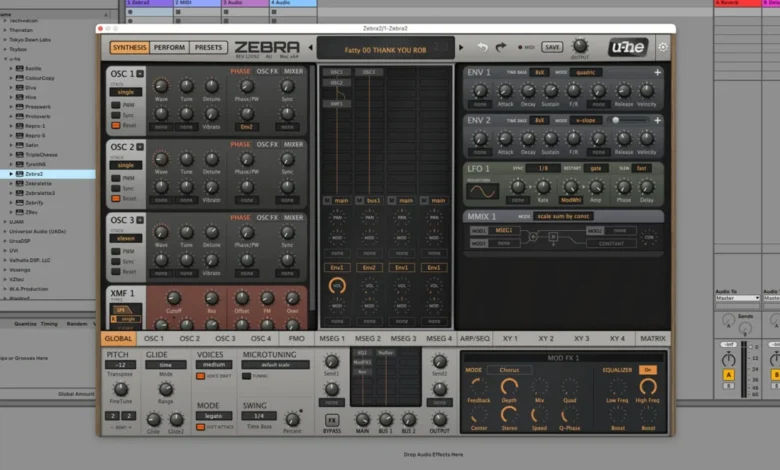
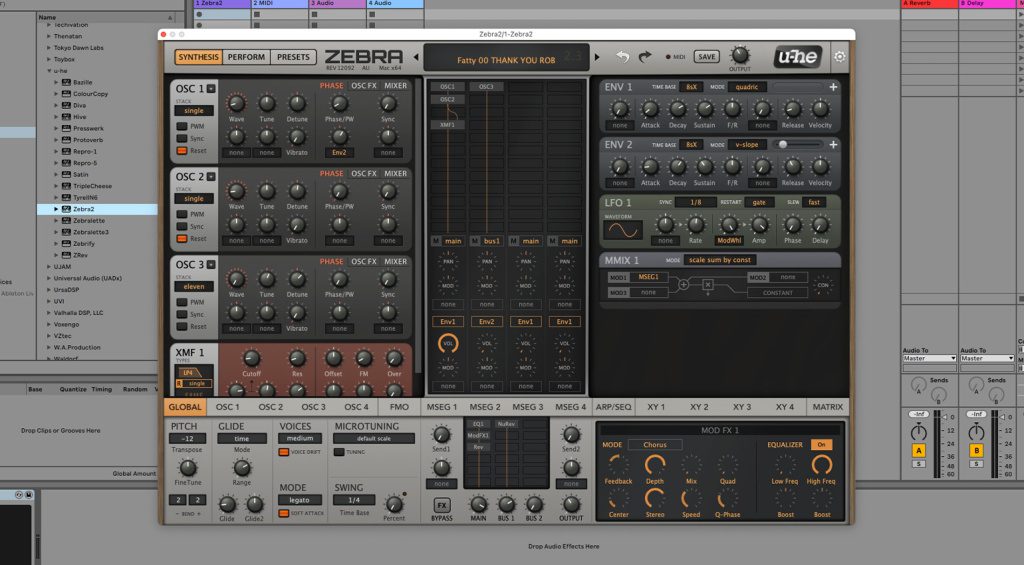
At the core of Zimmer’s digital workflow during this era was u-he’s Zebra, a semi-modular software synthesizer. In professional interviews, Zimmer has frequently lauded Zebra for its reliable code architecture and pristine oscillator quality. The composer’s reliance on the software led to the creation of a custom iteration, ZebraHZ, which integrated analog-modeled filters derived from u-he’s Diva plugin alongside a dedicated resonator module. Furthermore, this custom platform was paired with "The Dark Zebra," a specialized soundbank featuring over 400 unique patches engineered by Zimmer and sound designer Howard Scarr.

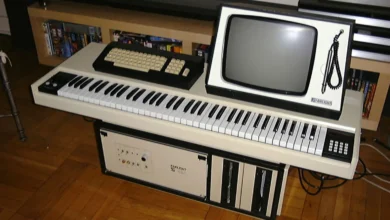
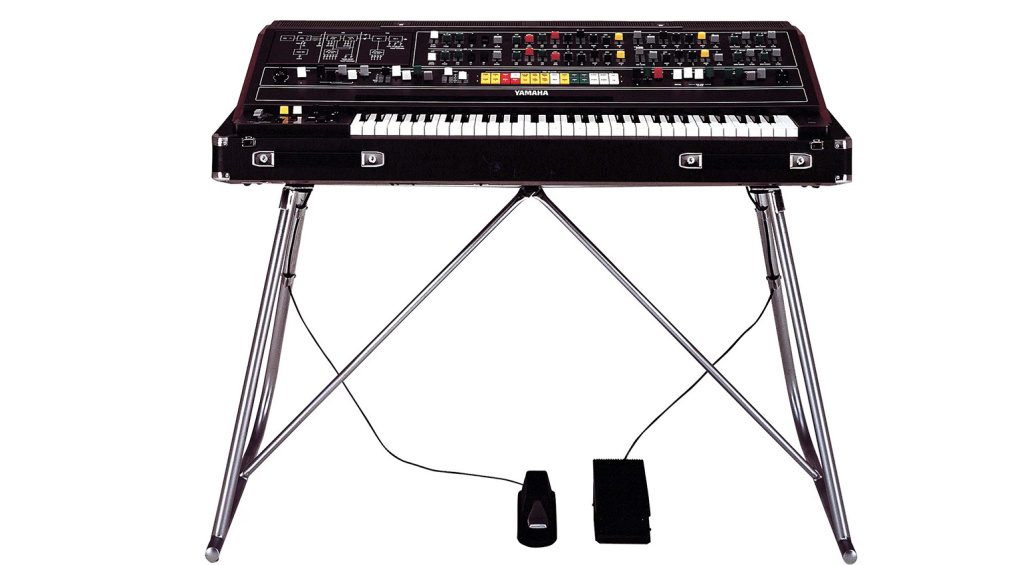
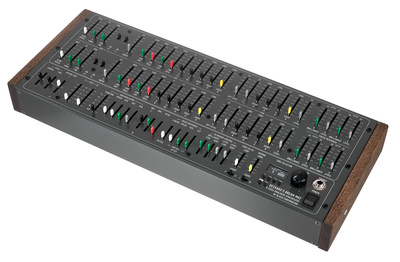
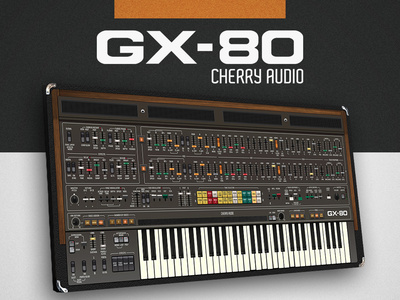
When Villeneuve tasked Zimmer with scoring the sprawling cyberpunk sequel Blade Runner 2049, the production required a respectful nod to Vangelis’s legendary original score while forging a modern identity. To achieve this, Zimmer sourced an authentic, vintage Yamaha CS-80—widely regarded as one of the most expressive and sought-after polyphonic analog synthesizers in history. For producers seeking to replicate this iconic brassy, expressive tone without incurring the exorbitant costs associated with vintage CS-80 maintenance, modern alternatives such as Black Corporation’s hardware unit Deckard’s Dream or Cherry Audio’s software emulation, GX-80, have become industry standards.
Expanding Horizons: Dune, Sci-Fi Textures, and Physical Modeling
Zimmer’s ongoing collaboration with director Denis Villeneuve on the Dune film series pushed the boundaries of hybrid scoring even further. While the soundtrack relies heavily on organic, custom-built acoustic instruments, electronic sound design remains crucial to establishing the alien atmosphere of Arrakis.
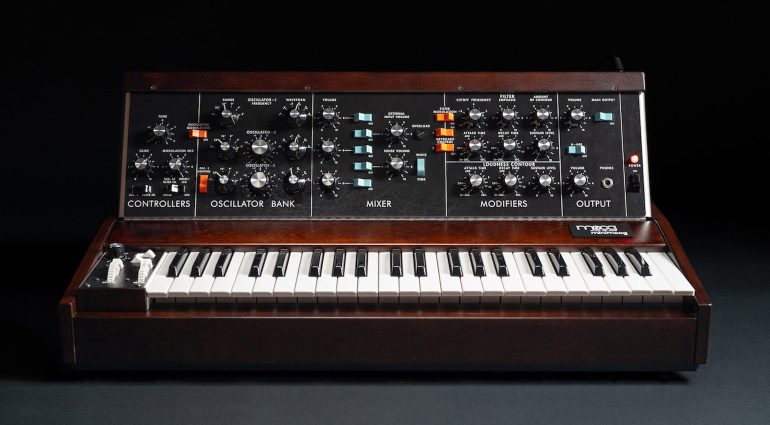
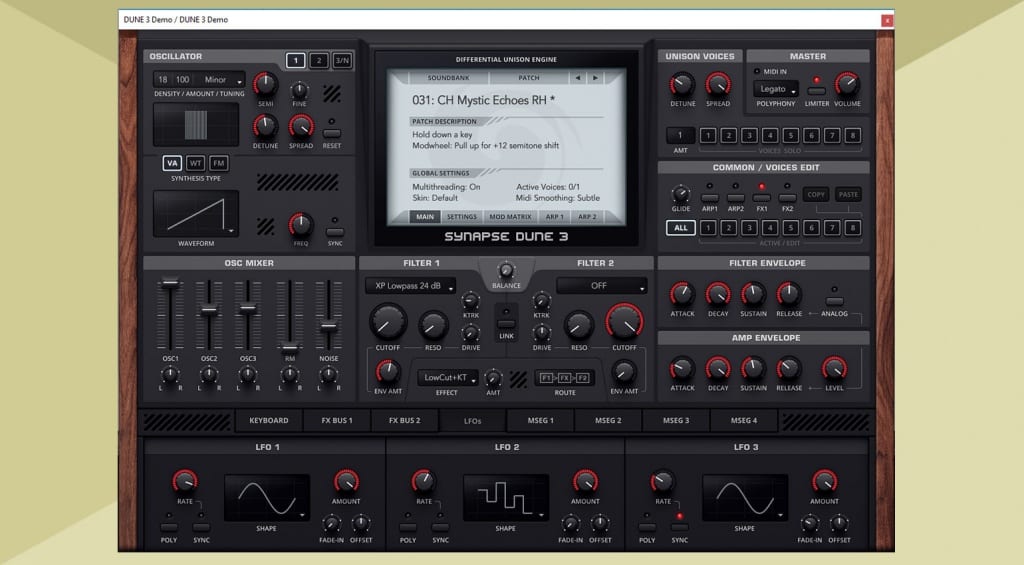
For the first installment of Dune, Zimmer utilized Synapse Audio’s Dune 3 software synthesizer to generate expansive digital pads and cutting leads. This partnership deepened with the release of The Legend HZ, a specialized software instrument developed in collaboration with Synapse Audio that emulates a six-oscillator polyphonic Minimoog architecture tailored specifically for epic cinematic applications.

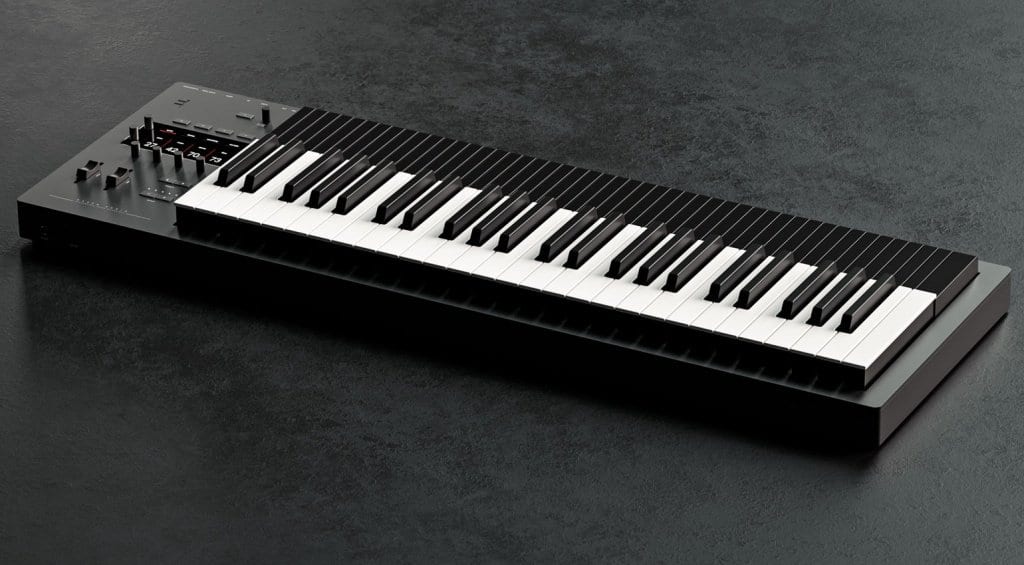
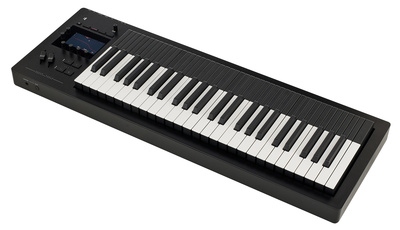
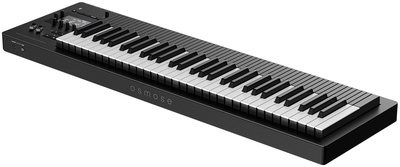
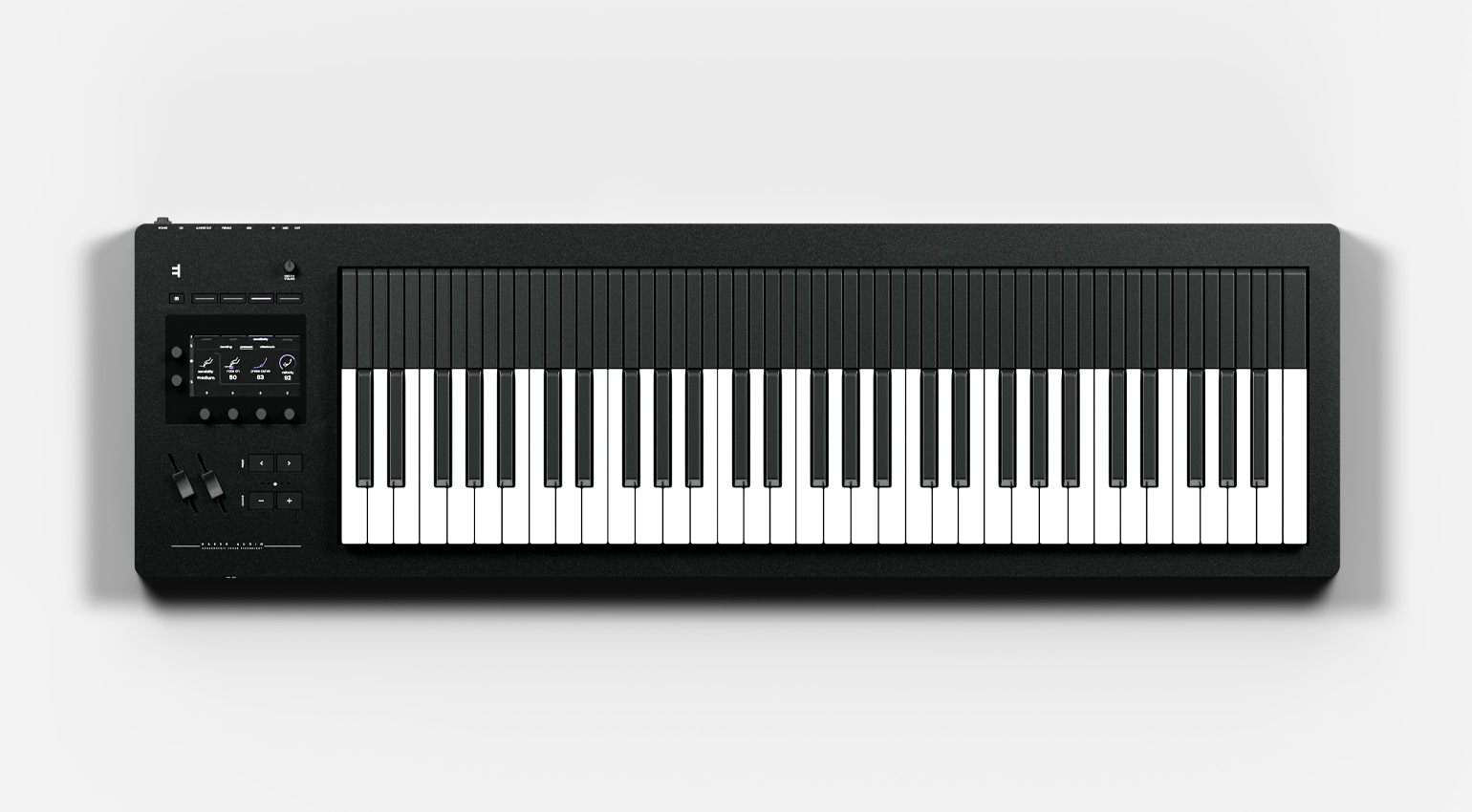
For Dune: Part Two, the soundscape grew more experimental through the integration of physical modeling synthesis. Zimmer incorporated Expressive E’s Osmose synthesizer, driven by the advanced DSP engine of the EaganMatrix. This instrument allowed performers to manipulate acoustic-like resonance in real time through multidimensional polyphonic aftertouch, bridging the gap between tactile physical instruments and limitless electronic sound design.
Tom Holkenberg and the Action-Score Synths of Junkie XL

Former electronic music producer Tom Holkenberg, professionally known as Junkie XL, represents another vital force in modern blockbuster scoring. Having transitioned from EDM production to major Hollywood orchestration under the mentorship of Hans Zimmer, Holkenberg maintains a deep affinity for hardware synthesis, deploying complex machine parks to drive high-octane action sequences.
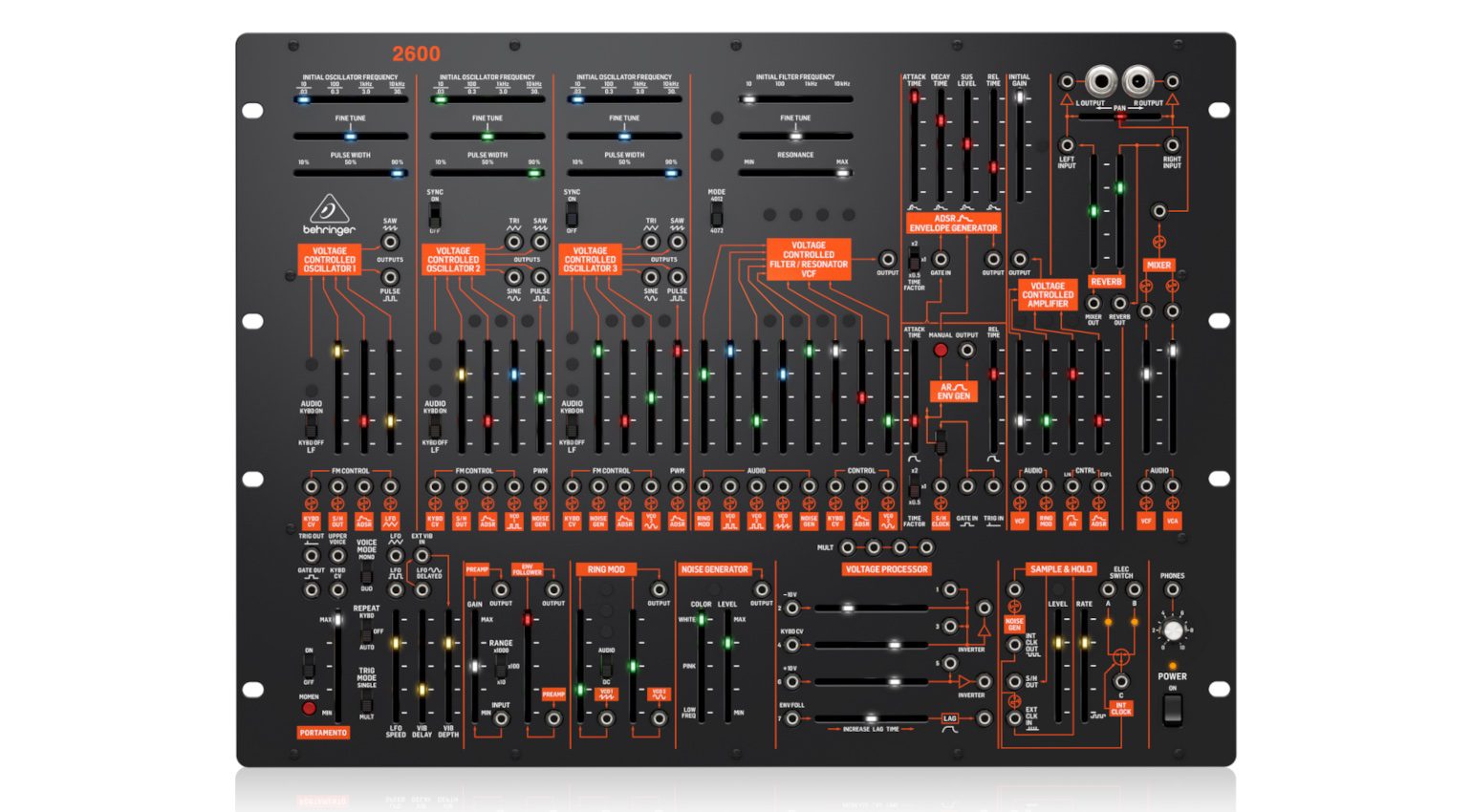
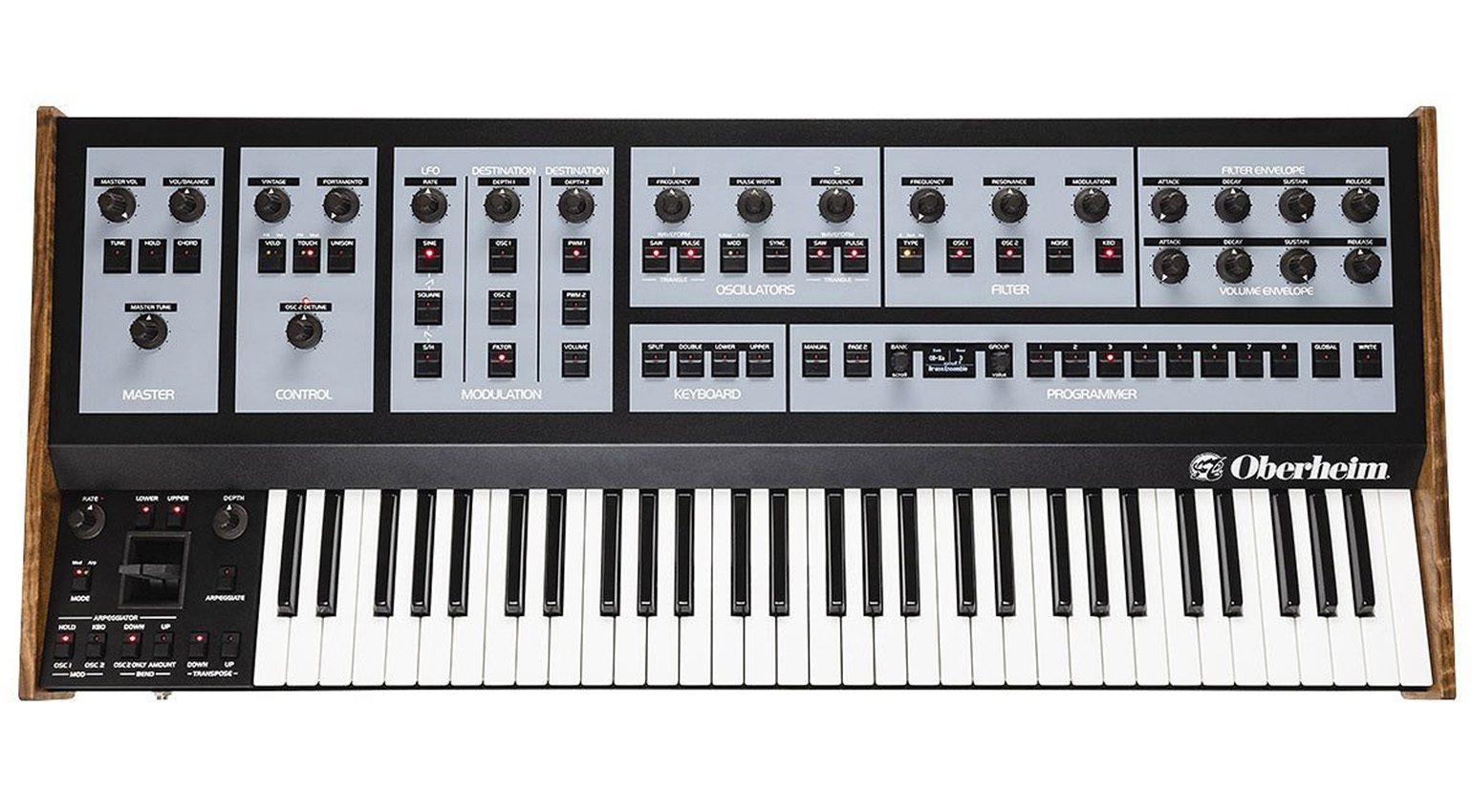
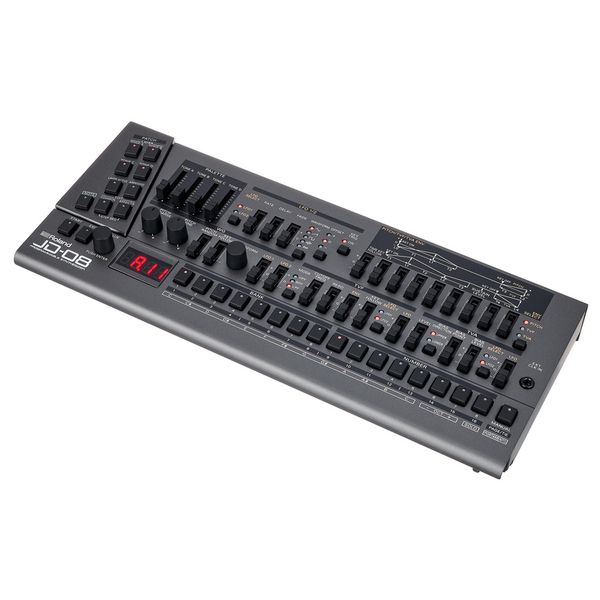
In his work on Deadpool, Holkenberg constructed a gritty, driving sonic palette utilizing an array of classic analog and digital instruments. The score prominently features vintage and emulation hardware, including an ARP 2600 semi-modular synthesizer, a Yamaha DX5 frequency modulation keyboard, an Oberheim OB-Xa polyphonic analog synth, and Roland’s digital powerhouse, the JD-800.
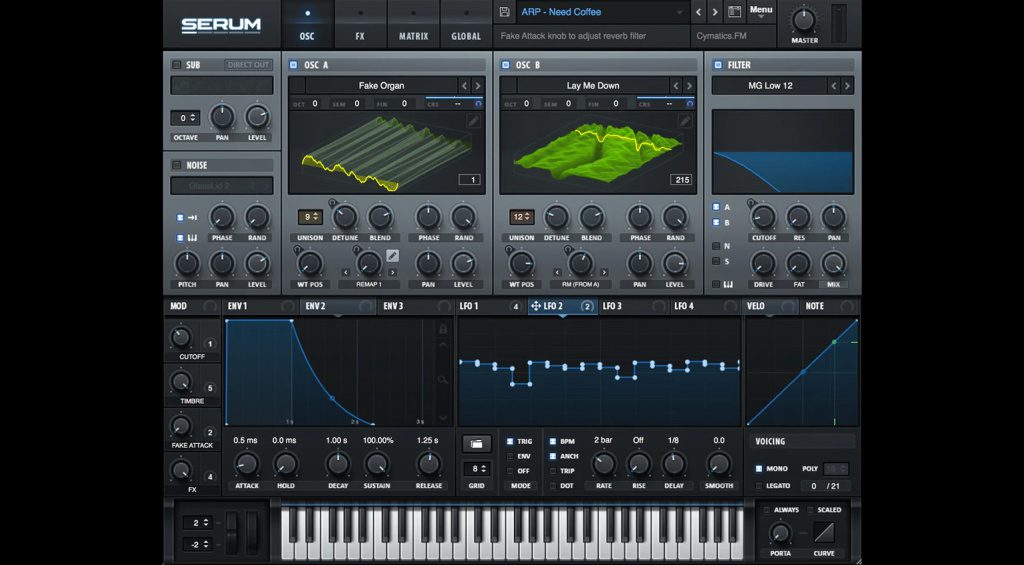
For subsequent action projects, such as Terminator: Dark Fate, Holkenberg pivoted toward software solutions for aggressive sound design. Rather than utilizing Xfer Records’ popular wavetable synthesizer Serum for conventional electronic music bass drops, the composer weaponized the software to forge tearing, metallic industrial drones that mirrored the menacing presence of the film’s antagonists.
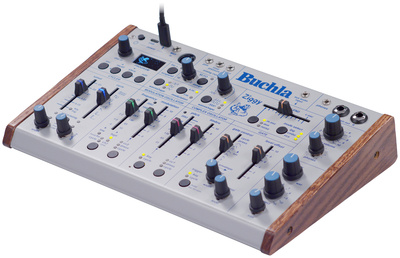
Most recently, Holkenberg’s score for Furiosa: A Mad Max Saga heavily benefited from the integration of a massive Buchla 200e modular system. The generative, unpredictable nature of Buchla’s West Coast synthesis philosophy provided the apocalyptic wasteland with organic, chaotic sonic textures, as heard in tracks like "Darkest of Gods." While an authentic Buchla 200e system remains prohibitively expensive for most independent producers, manufacturers like Tiptop Audio—through their authorized Eurorack adaptations of classic Buchla modules—and Buchla’s own desktop Ziggy instrument have democratized access to these unique West Coast synthesis principles.
Ludwig Göransson: Orchestral Sub-Bass and Modular Integration
Swedish composer Ludwig Göransson has rapidly ascended to the upper echelon of film scoring, securing Academy Awards and critical acclaim for projects ranging from Marvel blockbusters to historical biopics. Göransson’s methodology often involves deep linguistic and musicological research combined with an eclectic mix of acoustic world instruments and modern electronic synthesis.
For Marvel Studios’ Black Panther, Göransson traveled extensively to conduct field recordings and study traditional African instrumentation. To translate these organic elements for massive cinema theater sound systems, the composer integrated electronic sub-bass elements derived from the Roland TR-808 rhythm composer. By layering the sub-frequencies of the iconic 808 underneath traditional talking drums for the character themes of T’Challa and Erik Killmonger, Göransson successfully bridged ancestral musical traditions with modern hip-hop and electronic production aesthetics.
In Christopher Nolan’s mind-bending espionage thriller Tenet, Göransson relied heavily on u-he’s Hive software synthesizer. Praised for its low CPU footprint and flexible architecture, Hive allowed the composer to generate rapid-fire arpeggios and reverse-sounding atmospheric effects that matched the film’s chronologically inverted narrative structure.
Göransson’s work on Oppenheimer demonstrated a profound synthesis of traditional orchestration and monophonic analog power. While the emotional core of the protagonist’s score was anchored by a solo violin performance, Göransson utilized a Moog Minimoog Model D to double and expand string arrangements. By playing complex glissandos and microtonal shifts live on the Minimoog alongside an actual string section, the composer achieved a hybridized texture that felt simultaneously organic and unearthly. Creators seeking to emulate this specific workflow can access the authentic Moog hardware via limited editions or utilize high-end software emulations, such as Universal Audio’s native Minimoog plug-in or Synapse Audio’s The Legend HZ.

Implications for the Future of Film Composition
The pervasive reliance on synthesizers by Hollywood’s elite composers underscores a broader structural shift in the film music industry. As computing power increases and software modeling achieves near-perfect parity with vintage analog circuitry, the barriers to entry for high-end cinematic sound design continue to lower. Independent producers and aspiring media composers now possess direct software access to the exact tools utilized in blockbuster studios.

Ultimately, the successful integration of hardware modular systems, complex wavetable soft synths, and classic analog emulators proves that synthesizers are no longer mere substitutes for traditional orchestras. Instead, they have matured into indispensable musical instruments in their own right, capable of carrying the emotional and narrative weight of contemporary cinema.