My Chemical Romance Agrees to Alter Hollywood Bowl Costumes Following Trademark Lawsuit by Dallas Cowboys Cheerleaders

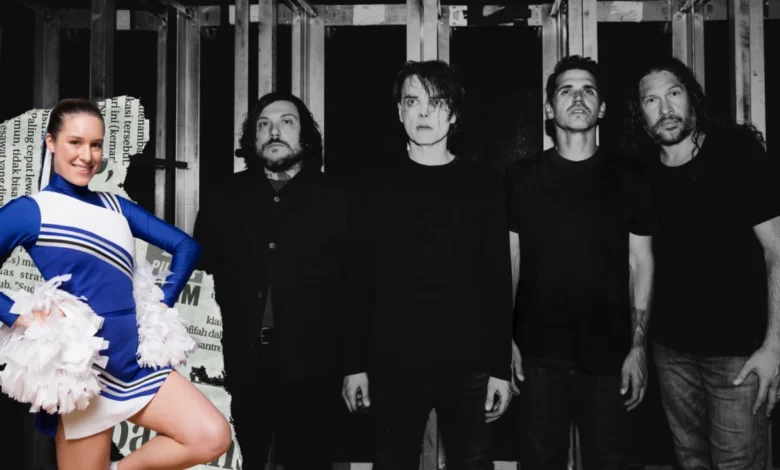
Rock band My Chemical Romance has reached a swift out-of-court settlement with Pro Silver Star, the management company behind the Dallas Cowboys Cheerleaders, agreeing to modify the costumes worn by backup dancers during their ongoing residency at the Los Angeles Hollywood Bowl. The legal confrontation erupted last week after the iconic NFL cheerleading organization filed a federal lawsuit alleging false association, trade dress infringement, and trademark dilution by tarnishment.
The dispute centers on a theatrical performance integrated into the band’s milestone live shows, which form part of their extensive international tour celebrating the 20th anniversary of their seminal 2006 emo-punk concept album, The Black Parade. While the music and overarching narrative of the tour have been universally praised by fans and critics alike, a specific staging choice involving the song "Teenagers" triggered immediate legal retaliation from corporate brand protectors in Texas.
Anatomy of the Controversy and the Hollywood Bowl Performance
The staging in question occurs during live renditions of "Teenagers," a hard-hitting track from The Black Parade. According to court documents filed by Pro Silver Star, the performance opens with a traditional cheerleading routine executed by a troupe of dancers on stage. However, the theatrical sequence quickly escalates into a darker, more subversive narrative.
Legal filings detailed that the dancers donned ensembles specifically designed to mimic the instantly recognizable uniform of the Dallas Cowboys Cheerleaders. The outfits featured the exact signature elements of the famous squad: crisp white boots, short white shorts, a blue blouse tied up above the midriff, and a white vest prominently adorned with blue stars.
The integration of the uniform became a point of contention not merely because of its visual accuracy, but due to the actions that followed. During the performance, as the costumed dancers cheered across the stage, My Chemical Romance frontman Gerard Way addressed the audience by shouting, "Thank you, Dallas." Immediately afterward, members of the band handed replica rifles to the dancers, initiating a choreographed, staged firefight. The routine concluded with the dancers dramatically depicting being shot, crawling across the stage, and collapsing.
Pro Silver Star argued that the combination of the authentic uniform recreation, the pointed geographic shout-out, and the simulated gun violence created an unmistakable and unauthorized association with the NFL cheerleading franchise. Social media posts cited in the legal brief indicated that numerous audience members and online commentators were genuinely misled, assuming that the performers on stage were the actual Dallas Cowboys Cheerleaders participating in the rock concert.
Legal Arguments and the Core of the Dispute
The lawsuit launched a classic American legal battle at the intersection of intellectual property rights and First Amendment protections. Pro Silver Star’s legal team, led by high-profile attorney Alex Spiro, moved swiftly to file claims under the Lanham Act, citing trademark infringement, trade dress infringement, and trademark dilution by tarnishment.
Despite the aggressive legal filing, Spiro emphasized that his clients were not attempting to police artistic expression or censor the musical content of My Chemical Romance. In public statements accompanying the litigation, Spiro clarified that Pro Silver Star "takes no issue with MCR’s music, its artistic ambitions, or any message defendants seek to convey."
Furthermore, the management company did not demand alterations to the band’s setlist, the overarching narrative of the show, political messaging, choreography, or even the inclusion of gun-toting performers on stage. The singular demand was that the dancers cease wearing the official Dallas Cowboys Cheerleaders uniform while executing the routine. Spiro argued that fulfilling this request imposed no undue burden on the band’s creative freedom, noting that "the universe of alternative costume designs is effectively unlimited."
Had the litigation progressed to a full judicial review, legal scholars anticipated it would serve as a modern stress test for the application of the famous Rogers Test. Stemming from a landmark 1980s legal dispute involving legendary actress and dancer Ginger Rogers, this legal standard dictates that the use of a trademark within an expressive work does not constitute infringement provided the usage is artistically relevant and does not explicitly mislead consumers.
Pro Silver Star’s lawyers heavily leaned on the latter half of the test, arguing that the public confusion evidenced on social media platforms proved the band had crossed the threshold from artistic homage into explicitly misleading commercial exploitation. However, rather than risk a protracted and expensive courtroom battle over constitutional free expression versus corporate brand integrity, My Chemical Romance opted for a rapid resolution. According to entertainment news outlet TMZ, the band agreed to alter the dancers’ attire for the remaining performances of the Hollywood Bowl run.
Broader Industry Implications and Corporate Brand Protection
The swift resolution of the My Chemical Romance dispute highlights a growing trend of corporate vigilance regarding brand representation in creative and satirical media. Entertainment companies and corporate brand owners are increasingly intolerant of unauthorized uses that juxtapose wholesome, highly manicured corporate identities with edgy, controversial, or violent themes.
In the United States entertainment industry, producers and artists have historically exercised caution when incorporating recognizable commercial brands into live productions, television programs, or films, particularly when those depictions are satirical or provocative. Unauthorized brand associations can lead swiftly to claims of dilution by tarnishment—a legal doctrine designed to protect famous trademarks from being linked to imagery that could diminish the brand’s reputation for quality and prestige.
This legal landscape is not restricted to high-profile rock concerts. Concurrently with the My Chemical Romance legal filing, a strikingly similar intellectual property dispute emerged in the digital creator economy. Security industry giant Allied Universal initiated legal proceedings against popular YouTube content creator Chad Lebaron. The lawsuit targets a series of video sketches produced by Lebaron in which a character dressed in an authentic Allied Universal security uniform engages in inappropriate, bizarre, and illicit behavior.
In its complaint, Allied Universal argues that Lebaron’s sketches falsely associate the corporate brand with "sexual misconduct, predatory behaviour, abuse of authority, harassment and criminal conduct." The company maintains that such depictions are "fundamentally inconsistent with the professionalism, integrity, trustworthiness, and authority associated with Allied Universal and its personnel." Like the Dallas Cowboys Cheerleaders management, the security firm has brought claims for both trademark infringement and trademark dilution by tarnishment.
The Balancing Act: Art, Free Speech, and Commercial Identity
As these legal conflicts demonstrate, the boundary separating protected artistic expression from unlawful commercial appropriation remains fiercely contested. While the First Amendment grants creators broad latitude to critique, parody, and incorporate cultural symbols into their work, the commercial value of a multi-million-dollar brand identity commands robust legal defense under federal trademark statutes.
For My Chemical Romance, the settlement allows the Black Parade anniversary tour to proceed without the looming shadow of federal litigation, preserving the integrity of their theatrical presentation while conceding the specific visual branding of the cheerleading squad. The band has not issued a formal public statement regarding the settlement terms, but production adjustments were immediately implemented for the subsequent Los Angeles shows.
As digital media creators, musicians, and performers continue to push creative boundaries by sampling corporate iconography and public culture, the tension between trademark holders and artists is unlikely to dissipate. The resolution of the My Chemical Romance case serves as a clear reminder that while the universe of artistic expression may be vast, the legal protections guarding famous corporate brands remain strictly enforced.
Related posts: