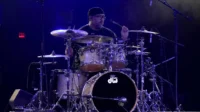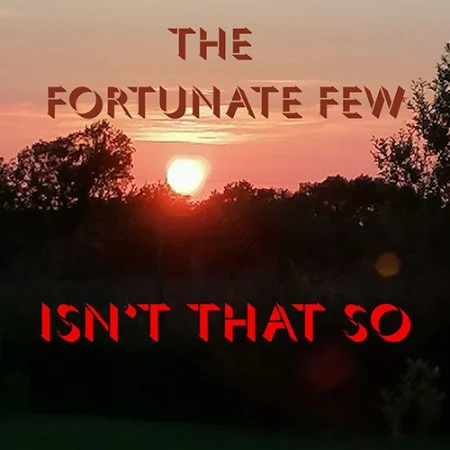
Antone Music has officially released the highly anticipated debut album from British roots-rock and soul ensemble The Fortunate Few, titled Isn’t That So. Clocking in at forty-five minutes and twenty seconds across ten meticulously crafted tracks, the album showcases a powerhouse collective of veteran British session and touring musicians. Masterminded by renowned drummer Romek Parol—whose illustrious career includes foundational stints with The Pirates, Chicken Shack, and Eric Bell—the band brings together a wealth of decades-long experience in the United Kingdom and international music scenes. Alongside Parol, the lineup features soulful lead vocalist Paul Cox, celebrated for his work with Frankie Miller’s Full House, John Slaughter, Micky Moody, and the Paul Cox Band; keyboardist Dave “Munch” Moore; guitarist Mick McCarney, known for his work with Daniel O’Donnell; and bassist Billy Robinson of Quarterdeck fame.
While the 10-track collection consists entirely of covers, The Fortunate Few bypass the temptation of straightforward note-for-note replications. Instead, the ensemble has cultivated a distinctive sonic recipe that effortlessly bridges rhythm and blues, deep soul, infectious funk, and Americana roots music. By taking lesser-known gems alongside canonical favorites and reframing them through their unique transatlantic lens, the band has produced a project that prioritizes arrangement, groove, and emotional resonance. The release arrives at a time when audiences are increasingly gravitating toward authentic, organic musicianship performed by seasoned artists who rely on real-time chemistry rather than digital manipulation.
Formation and Musical Pedigree
The genesis of The Fortunate Few lies in the deep-seated connections of the British blues-rock circuit. Romek Parol, recognizing an untapped chemistry among a circle of elite players who had spent their lives backing legendary acts, set out to create a collaborative vehicle rather than a transient backing band. The resulting lineup reads like a masterclass in British musical heritage.
Paul Cox, whose distinctively raspy and deeply emotive voice has anchored various iterations of British blues and rock royalty over the past several decades, serves as the emotional epicenter of the project. His ability to inhabit the lyricism of disparate songwriters—ranging from classic soul balladeers to contemporary roots-rock poets—provides the album with a unifying thread. Complementing Cox’s vocal delivery is Dave “Munch” Moore, whose mastery of the Hammond organ and acoustic piano adds a rich textural foundation, alternating between subtle gospel washes and driving funk lines.
On the six-string, Mick McCarney brings a versatile vocabulary that draws equally from traditional blues, jazz-fusion phrasing, and melodic folk-rock. Meanwhile, the rhythm section anchors the entire enterprise with precision; bassist Billy Robinson and drummer Romek Parol lock into grooves that effortlessly shift from James Brown-esque syncopations to slow-burn blues shuffles. This collective pedigree ensures that even familiar chord progressions are elevated by nuanced interplay, dynamic shifts, and a profound respect for the spaces between the notes.

Track-by-Track Analysis and Genre Fusion
The album opens with a bold statement through its unique interpretation of "Fundamental Things," a track widely recognized by fans of roots music through Bonnie Raitt’s celebrated rendition. The Fortunate Few infuse the composition with a gritty, James Brown-inspired groove, heavily underscored by Dave Moore’s dynamic Hammond organ stylings. Rather than leaning into a purely acoustic blues aesthetic, the band thrusts the song into a danceable, funk-inflected territory that highlights the tightness of the rhythm section.
The stylistic pivot continues with the album’s title track, Jesse Winchester’s "Isn’t That So." Originally arranged as a more acoustic, folk-leaning tune, the band reimagines the piece with a modern, groove-oriented heartbeat. Augmented by a sophisticated interplay between piano and organ, the song retains its lyrical charm while gaining a fresh, contemporary rhythmic momentum.
Paul Cox’s vocal versatility is immediately apparent on "I Wouldn’t Treat A Dog," a tune historically defined by the immortal delivery of Bobby “Blue” Bland. Cox steps into the formidable shadow of the blues legend with confidence, avoiding imitation in favor of raw, lived-in vulnerability. The arrangement here is a masterclass in restraint, allowing guitar, piano, and organ to weave seamlessly around Cox’s voice without ever cluttering the mix.
Another nod to Bonnie Raitt arrives in the form of "If You Need Somebody." Here, Cox delivers a scratchy, soul-drenched vocal performance that lends immediate gravity and credibility to the composition. The band follows this with Keb Mo’s "The Whole Enchilada," a sing-song, uplifting number enriched by cascading organ washes that elevate the track from a casual blues-pop tune into a joyous celebration of roots-infused optimism.
As the album progresses into its second half, the mood shifts toward introspection with the wistful ballad "Come On Home." Moore’s organ performance on this track is particularly noteworthy, moving fluidly from a subtle, atmospheric background pad to a brief, poignant solo that captures the longing inherent in the lyrics.
Surprising longtime fans of the British pub-rock scene, the band tackles "Don’t Fool Around With Love," originally recorded by The Pirates and co-written by legendary guitar icon Mick Green. The Fortunate Few honor the track’s high-energy heritage while injecting an infectious guitar riff and a nifty organ solo that breathes new life into the composition.

The stylistic journey takes an unexpected and compelling detour on Tony Joe White’s "Gonna Look Good In Blues." The track opens with a jazzy, Carlos Santana-esque guitar lead that immediately establishes an evocative atmosphere, culminating in a beautifully toned, liquid guitar solo later in the piece.
The momentum surges forward with a stellar reading of "Work To Do," a song cemented in the public consciousness by both The Isley Brothers and The Average White Band. The Fortunate Few handle the song’s intricate funk syncopation with apparent ease, demonstrating that their instrumental chops extend far beyond traditional twelve-bar boundaries.
Blues enthusiasts find a centerpiece in B.B. King’s "Never Make Your Move Too Soon." The arrangement grants the instrumentalists room to breathe, resulting in stretched-out, conversational guitar and piano solos that pay homage to the King of the Blues while reflecting the distinctive personalities of the performers. The album closes on a reflective note with John Hiatt’s slow ballad "Lover’s Will." On this concluding track, Cox utilizes a higher, yearning vocal register that underscores the themes of devotion and emotional vulnerability, bringing the forty-five-minute journey to a satisfying and poignant close.
Broader Impact and Critical Reception
While industry categorization often insists on placing releases into neat genre boxes, Isn’t That So purposefully resists strict classification. Critics and early reviewers have noted that while the project may not strictly adhere to traditional, textbook blues conventions, its execution of soul, funk, and roots music is of the highest caliber. By selecting material from a diverse array of songwriters—ranging from folk and soul icons to contemporary bluesmen—The Fortunate Few have constructed a cohesive listening experience that honors the past while demonstrating contemporary relevance.
The release of Isn’t That So under the Antone Music banner places the ensemble within a rich lineage of artist-centric, quality-driven recordings. For music aficionados weary of heavily produced, digitally homogenized pop and rock, this album serves as a refreshing reminder of the power of organic interplay, seasoned songwriting interpretation, and genuine emotional commitment. As these veteran musicians bring their collective mastery to listeners worldwide, Isn’t That So stands as a testament to the enduring vitality of British-led roots and soul exploration, proving that genuine musicianship and heartfelt delivery never go out of style.