South Florida Authorities Release Body Camera Footage Documenting Felony Arrest of Rapper Jammiah Broomfield on Methamphetamine Trafficking Charges

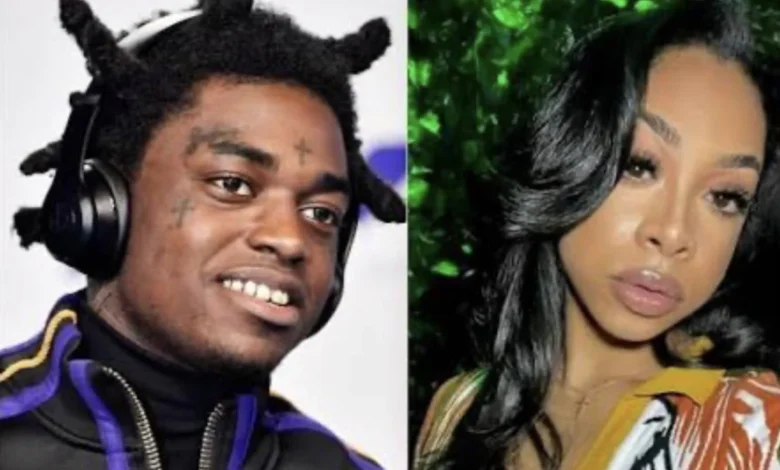
Authorities in South Florida have made public newly obtained body camera footage depicting the arrest of Jammiah Broomfield, a recording artist also widely recognized as the mother of one of rapper Kodak Black’s children. The footage details her apprehension earlier this year on a suite of serious felony charges, including methamphetamine trafficking. This release provides a detailed, real-time account of the dramatic events leading to her custody, shedding light on the intensity of the pursuit and the gravity of the allegations she now faces. The incident has drawn considerable attention due to Broomfield’s public profile and the severe nature of the charges involved, underscoring the legal challenges she now confronts.
Unfolding the Arrest: A Pursuit Documented by Bodycam
The recently released body camera footage, first brought to public attention by NBC 6 Miami, offers a stark visual narrative of detectives engaging in a foot pursuit of Broomfield through the streets of Fort Lauderdale before ultimately taking her into custody. The video captures the dynamic and tense moments as law enforcement officers close in on their suspect. Once apprehended and handcuffed, Broomfield can be distinctly heard pleading with the officers, her words conveying a palpable sense of desperation and concern regarding the potential ramifications of another arrest. "If I go to jail with a new charge, I’m not getting out," she is heard telling the officers, a statement that underscores her awareness of the precarious legal situation she found herself in and possibly a prior criminal record or ongoing legal entanglements that could be jeopardized by fresh charges. This emotional plea offers a glimpse into the personal toll such an arrest can take, beyond the legal implications, highlighting the immediate and profound impact on an individual’s sense of freedom and future prospects.
The April 2 Incident: Refusal to Comply and Reckless Flight
According to investigative reports, the genesis of Broomfield’s arrest traces back to an incident on April 2. On that date, detectives allegedly attempted to initiate a routine traffic stop on a black Tesla vehicle, which was reportedly being driven by Broomfield. However, police assert that Broomfield did not comply with the officers’ directive to stop. Instead, she is accused of accelerating away from the law enforcement officials, exhibiting what authorities described as reckless driving through the area. This alleged evasion culminated in her abandoning the vehicle at a later point and then attempting to flee on foot, triggering the pursuit captured by the body cameras. The decision to evade a traffic stop, especially when coupled with reckless driving, significantly escalates the initial offense and can lead to additional serious charges, irrespective of what might have prompted the initial stop. Such actions not only endanger the individual fleeing but also pose substantial risks to law enforcement personnel and innocent bystanders, a fact often highlighted by police departments when discussing pursuits.
Evidence Seized: Narcotics and Cash
Following Broomfield’s eventual apprehension and the securing of the abandoned Tesla, authorities conducted a search of the vehicle. During this search, investigators reported the recovery of approximately 29.5 grams of a substance. This substance subsequently underwent field testing, yielding a positive result for methamphetamine, a highly addictive and illicit stimulant. In addition to the suspected narcotics, law enforcement also discovered and seized $1,010 in cash from inside the vehicle. The combination of a significant quantity of suspected illicit drugs and a substantial amount of cash is often viewed by law enforcement as indicative of drug trafficking activities rather than mere personal use. Furthermore, according to the arrest report, Broomfield allegedly made a statement to detectives, claiming she had acquired the narcotics on behalf of her boyfriend. This statement, if corroborated and accepted by the court, could introduce another layer of complexity to the case, potentially implicating other individuals and influencing the prosecution’s strategy regarding intent and conspiracy charges.
Grave Charges: Methamphetamine Trafficking and Beyond
As a direct consequence of the April 2 incident and the subsequent findings, Jammiah Broomfield now faces a formidable array of charges. The most severe among these is methamphetamine trafficking, a first-degree felony under Florida law. Florida Statute § 893.135 outlines severe penalties for drug trafficking offenses, which are typically determined by the weight of the controlled substance involved. For methamphetamine, possession of 14 grams or more, but less than 28 grams, carries a mandatory minimum sentence of three years in prison and a fine of $50,000. For quantities of 28 grams or more, but less than 200 grams, the mandatory minimum jumps to seven years in prison and a fine of $100,000. Given the reported 29.5 grams, Broomfield potentially faces the higher tier of these mandatory minimum sentences, underscoring the extreme gravity of this charge.
In addition to methamphetamine trafficking, she is also charged with resisting an officer without violence, a misdemeanor offense that nonetheless reflects her alleged actions during the attempted apprehension. Furthermore, she faces a charge of driving with a suspended or revoked license, an infraction that adds to the existing legal difficulties and can carry its own set of penalties, including fines, further license suspensions, or even incarceration depending on prior offenses. The combination of these charges paints a serious legal picture, with the methamphetamine trafficking charge carrying the most significant potential consequences, including lengthy prison sentences and substantial financial penalties. The cumulative nature of these charges means that Broomfield’s legal team will need to address multiple facets of the state’s case against her.
Jammiah Broomfield: Public Profile and Musical Aspirations

Jammiah Broomfield has carved out a public identity that extends beyond her current legal troubles. She is known to have pursued a music career, attempting to establish herself as a recording artist in the competitive hip-hop landscape. While specific details about her discography or career milestones are not extensively publicized in mainstream media, her presence in the music scene is part of her public persona. However, a significant portion of her public recognition stems from her personal relationship with the prominent and often controversial rapper, Kodak Black (born Bill K. Kapri). The two share a child, a connection that inevitably places Broomfield within the orbit of public scrutiny and media attention that follows high-profile figures in the entertainment industry.
Kodak Black himself has had numerous encounters with the law, facing various charges ranging from drug possession to weapons offenses and sexual assault allegations throughout his career. While his legal battles are separate from Broomfield’s, their shared personal history means that any legal troubles involving one often become tangential news for the other, particularly when children are involved. This association adds a layer of public interest and complexity to Broomfield’s situation, as her legal proceedings are likely to be followed more closely than those of an individual without such a public connection. Her aspirations as a musician, now shadowed by these severe felony charges, face significant challenges, as legal entanglements often have profound impacts on an artist’s ability to tour, record, and maintain public appeal.
The Significance of Body Camera Footage in Modern Policing
The release of body camera footage in cases like Jammiah Broomfield’s has become an increasingly common and crucial element in modern policing and public discourse surrounding law enforcement actions. Body-worn cameras (BWCs) serve multiple vital functions. Firstly, they provide an objective, visual, and audio record of interactions between law enforcement officers and the public. This record can be invaluable as evidence in criminal proceedings, corroborating or refuting witness statements, officer reports, and suspect claims. In Broomfield’s case, the footage directly documents the pursuit and her immediate reactions post-arrest, offering tangible evidence of the events as they unfolded from the officers’ perspective.
Secondly, BWCs are a powerful tool for promoting transparency and accountability within police departments. Their use can help build public trust by demonstrating police conduct, deterring misconduct, and providing a mechanism for reviewing incidents. For the public, such footage offers a direct window into police operations, fostering greater understanding and oversight. Lastly, the footage can be crucial for training purposes, allowing departments to review and improve officer tactics and de-escalation techniques. The Fort Lauderdale Police Department, like many agencies across the nation, has adopted body camera technology as a standard operating procedure, recognizing its multifaceted benefits in evidence collection, officer safety, and maintaining public confidence. The availability of this footage allows for a more informed public understanding of the circumstances surrounding high-profile arrests, moving beyond mere allegations to visual documentation.
The Legal Road Ahead: Court Proceedings and Potential Outcomes
Jammiah Broomfield’s criminal case is currently pending, meaning the allegations against her have not yet been formally tested or proven in a court of law. The judicial process she now faces is typically lengthy and involves several stages. Initially, she would have undergone an initial appearance before a judge, where she would have been formally advised of the charges and her bond status determined. Given the nature of methamphetamine trafficking charges, bond amounts can be substantial, or in some cases, bond may be denied altogether, especially if the court deems the individual a flight risk or a danger to the community.
Following this, there will be pre-trial motions, discovery phases where both prosecution and defense exchange evidence, and potentially plea negotiations. Defense attorneys, who typically do not comment on ongoing cases as Broomfield’s has not, would be meticulously reviewing all evidence, including the body camera footage, police reports, forensic analyses of the seized substance, and the legality of the initial traffic stop and subsequent search. They would look for any procedural errors, constitutional violations, or weaknesses in the prosecution’s case that could lead to a dismissal of charges, a reduction in severity, or a favorable plea agreement. If no plea agreement is reached, the case would proceed to trial, where a jury would ultimately decide her guilt or innocence based on the evidence presented by both sides. The legal process can extend for many months, if not years, particularly for felony cases involving serious drug charges. Throughout this process, Broomfield is afforded the presumption of innocence until proven guilty beyond a reasonable doubt.
Broader Implications: Career, Family, and Public Scrutiny
The arrest and subsequent legal proceedings carry significant broader implications for Jammiah Broomfield, impacting not only her personal freedom but also her nascent music career and her family life, particularly concerning her child. A felony conviction, especially for drug trafficking, could severely curtail her ability to pursue a music career. Such a conviction often leads to difficulties in securing performance venues, touring internationally due to visa restrictions, and maintaining a positive public image, which is crucial for artists. Endorsement deals, recording contracts, and public appearances could all be jeopardized, potentially halting her artistic aspirations entirely.
Furthermore, the legal battle and its potential outcomes will undoubtedly place immense strain on her personal life. The welfare of her child, shared with Kodak Black, could become a point of contention, especially if a conviction leads to incarceration. Child custody arrangements are often re-evaluated in the face of parental legal issues, with the child’s best interests being paramount. The intense public scrutiny that accompanies high-profile arrests, exacerbated by her association with a well-known rapper, adds another layer of pressure. Every development in her case is likely to be amplified through social media and news outlets, creating a challenging environment for her and her family. The intersection of celebrity, crime, and the justice system often results in heightened public interest, transforming personal legal battles into public spectacles and underscoring the profound impact such events can have on all facets of an individual’s life.
In conclusion, the release of the body camera footage provides a critical piece of evidence in the ongoing legal saga of Jammiah Broomfield. As she navigates the complexities of the Florida judicial system, facing charges that carry severe penalties, the public will watch closely how the case unfolds. Her attorney has not yet issued a public statement, and Broomfield herself has remained silent since the footage’s release. The outcome of these proceedings will not only determine her legal future but also significantly shape her personal and professional trajectory, serving as a stark reminder of the serious consequences associated with alleged criminal activities, particularly those involving controlled substances.