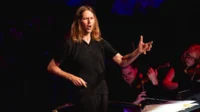
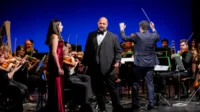
Robert Ames departs the London Contemporary Orchestra as he sounds the alarm on accessibility for working-class musicians.

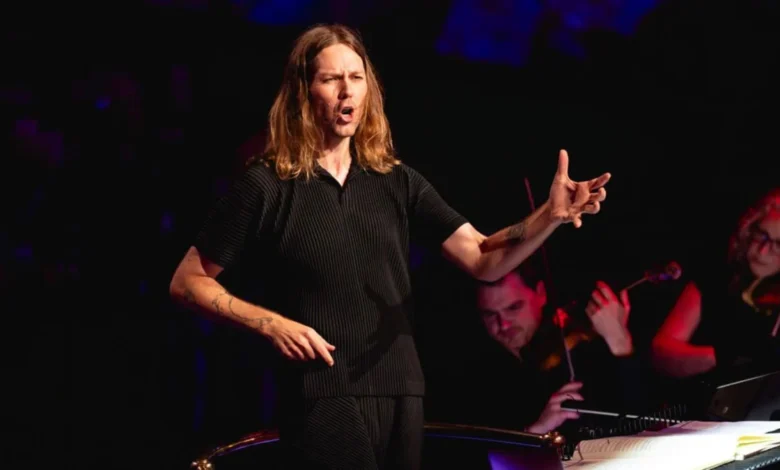
The announcement by conductor Robert Ames that he is stepping down as co-artistic director and co-principal conductor of the London Contemporary Orchestra (LCO) marks the end of an 18-year tenure that fundamentally reshaped the landscape of contemporary classical music in the United Kingdom. Ames, who co-founded the ensemble in 2008, has been the driving force behind the group’s transition from an experimental collective performing the works of avant-garde composers like Kaija Saariaho and Iannis Xenakis to a premier cultural institution that serves as a bridge between the concert hall and the global stage, most notably through high-profile collaborations with acts like Radiohead and Sigur Rós.
A Legacy of Innovation and Genre-Bending
Founded in the aftermath of the 2008 financial crisis, the LCO emerged at a time when traditional orchestral models were struggling to engage with younger, more diverse audiences. Ames and his colleagues sought to dismantle the perceived elitism of classical music by programming eclectic, genre-defying works that appealed to fans of electronic, rock, and ambient music as much as traditional classical aficionados.
Throughout the 2010s, the orchestra’s reputation grew rapidly. By curating innovative performance spaces and prioritizing technical precision, the LCO became the "go-to" ensemble for artists seeking to explore the sonic possibilities of an orchestral arrangement. The orchestra’s work on soundtracks and live performances with artists like Radiohead cemented its status as a vital, forward-thinking organization. For nearly two decades, Ames was the face of this evolution, balancing the rigor of contemporary composition with the collaborative, high-energy demands of contemporary popular culture.
The Guardian Op-Ed and the Shift in Discourse
The surprise surrounding his departure was compounded by the content of his resignation, which took the form of a candid op-ed in The Guardian. In the piece, titled "I co-founded an orchestra 18 years ago. Since then, I’ve seen doors close for working-class musicians," Ames moved beyond the standard rhetoric of artistic transition to offer a sobering critique of the UK’s musical infrastructure.
Ames argued that the barrier to entry for classical musicians has become increasingly prohibitive. He highlighted how the combination of soaring tuition fees, the erosion of local arts funding, and the rising cost of living in London has systematically excluded those from lower socioeconomic backgrounds. For an industry that prides itself on artistic meritocracy, Ames’s testimony served as a blunt assessment of the structural inequalities that threaten the future of orchestral talent.
The Economics of Professional Orchestral Life
The implications of Ames’s departure extend well beyond the LCO’s administrative structure. His critique touches upon a broader, well-documented crisis in the performing arts sector. According to data from the UK’s Creative Industries Policy and Evidence Centre, individuals from working-class backgrounds remain significantly underrepresented in the arts, with the gap widening over the last two decades.
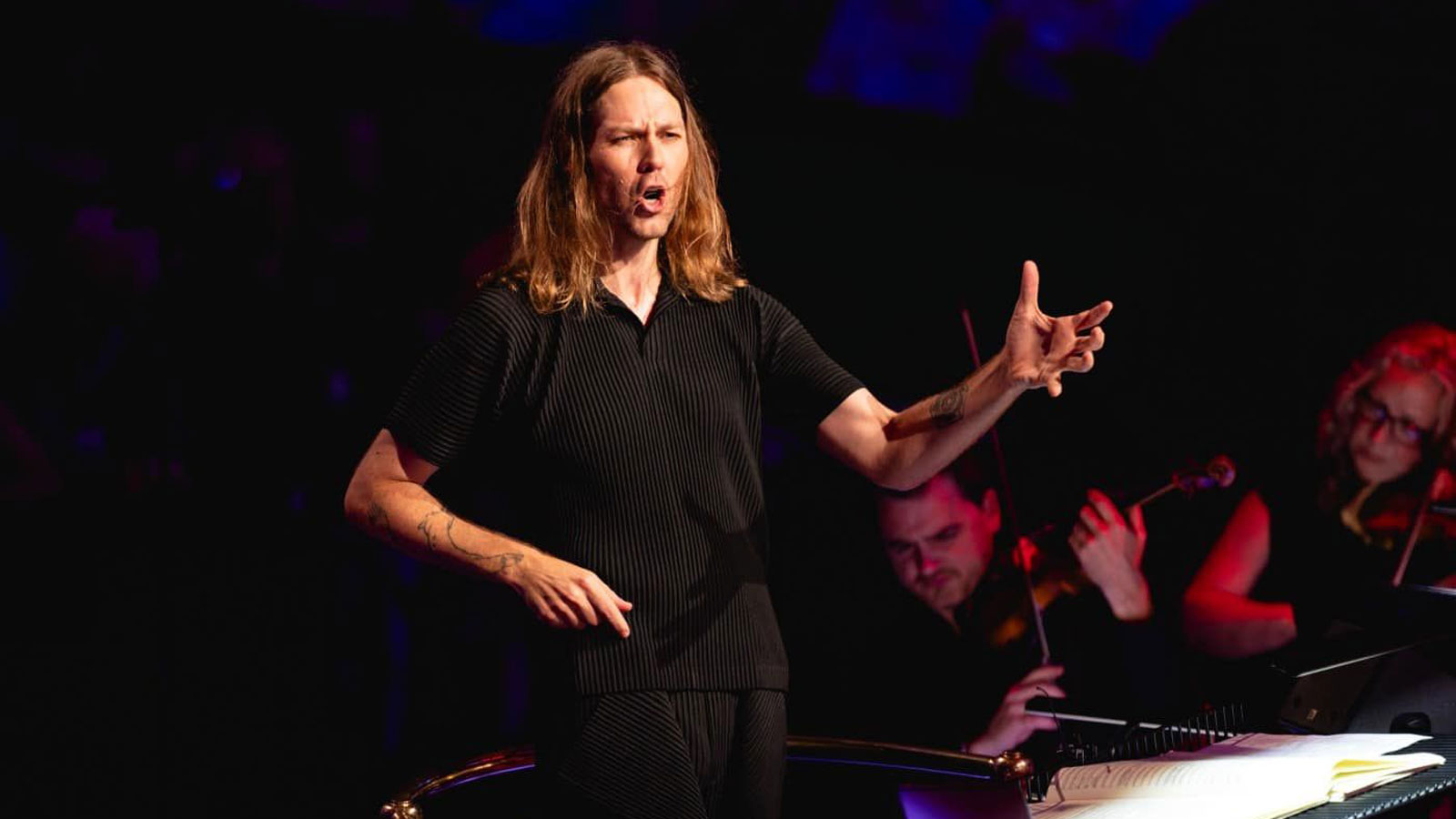
The financial pressure on freelance musicians—the "quintessential" category into which many of the LCO’s members fall—has become unsustainable. The cost of maintaining instruments, private lessons, and travel, combined with the lack of stable, long-term employment, means that only those with a financial safety net can afford to pursue a career in orchestral performance. By speaking out, Ames has brought a level of institutional critique to the fore that is rarely seen from conductors currently at the height of their careers.
Chronology of the London Contemporary Orchestra
- 2008: Robert Ames co-founds the London Contemporary Orchestra with a mission to perform challenging, contemporary repertoire.
- 2010–2014: The LCO establishes a foothold in London’s alternative music scene, collaborating with various composers and performing in non-traditional venues.
- 2015–2018: The orchestra enters a period of high-profile international recognition, recording and performing with global acts, which brings classical techniques to pop-culture audiences.
- 2020–2022: Like many arts organizations, the LCO navigates the severe disruption of the COVID-19 pandemic, adapting to digital performances and hybrid models.
- September 2026: Robert Ames officially announces his departure, using the platform to advocate for social change in the music industry.
Industry Response and Future Implications
While the LCO has yet to announce a formal successor, the sector is already grappling with the implications of Ames’s statement. Industry leaders have largely acknowledged the validity of his concerns, particularly regarding the shrinking pool of accessible music education.
"Robert has been a pioneer in how we think about the modern orchestra," said a spokesperson for a major London-based musical agency. "His departure is a loss, but his recent commentary has opened a necessary conversation about who we are leaving behind. The challenge for the LCO, and for orchestras globally, is to ensure that the innovations he championed are built on a foundation that is equitable for the next generation."
Ames himself remains active, currently touring with the Icelandic band Sigur Rós. His ongoing presence on the international stage, even as he transitions away from the LCO, suggests that his advocacy for working-class musicians will continue to be a central part of his public identity.
The Path Forward
The departure of a co-founder is always a period of institutional vulnerability, but for the LCO, it presents an opportunity to address the very issues Ames highlighted. If the orchestra is to remain relevant and representative of the society in which it operates, it must integrate the accessibility concerns raised by its departing leader into its long-term strategic plan.
The "shock" of his departure, as described by observers, is a reflection of how deeply his identity was woven into the fabric of the organization. However, the legacy of his tenure may ultimately be defined by this final, public call for accountability. By shifting the conversation from artistic achievements to the socioeconomic barriers facing the next generation of performers, Ames has signaled that the future of classical music is not just about the quality of the sound, but the equality of the opportunity to produce it.
As the industry looks toward a post-Ames era at the LCO, the focus will likely remain on whether the institutional leaders can translate his criticisms into policy. Whether through increased scholarship programs, more transparent hiring practices, or renewed efforts to engage with community music initiatives, the pressure to prove that the "doors" are not closing remains a primary concern for the arts sector at large. Robert Ames has left the stage he built, but he has left behind a roadmap for reform that the classical music community can no longer afford to ignore.