The 2026 Eric Clapton Crossroads Guitar Festival Returns to Austin for its Eighth Landmark Edition

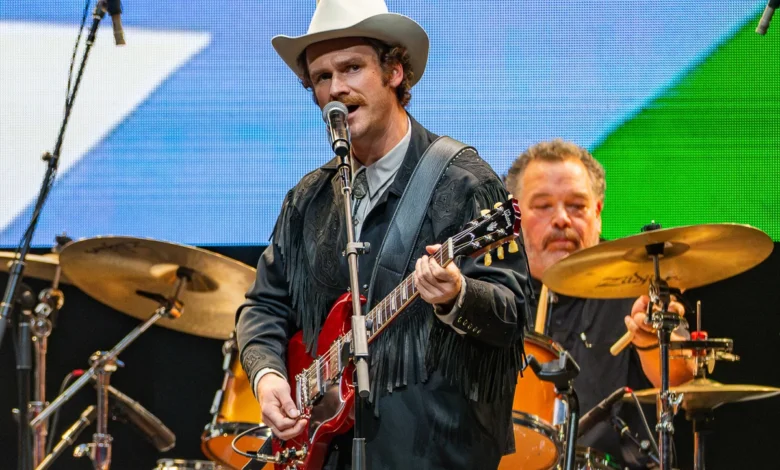
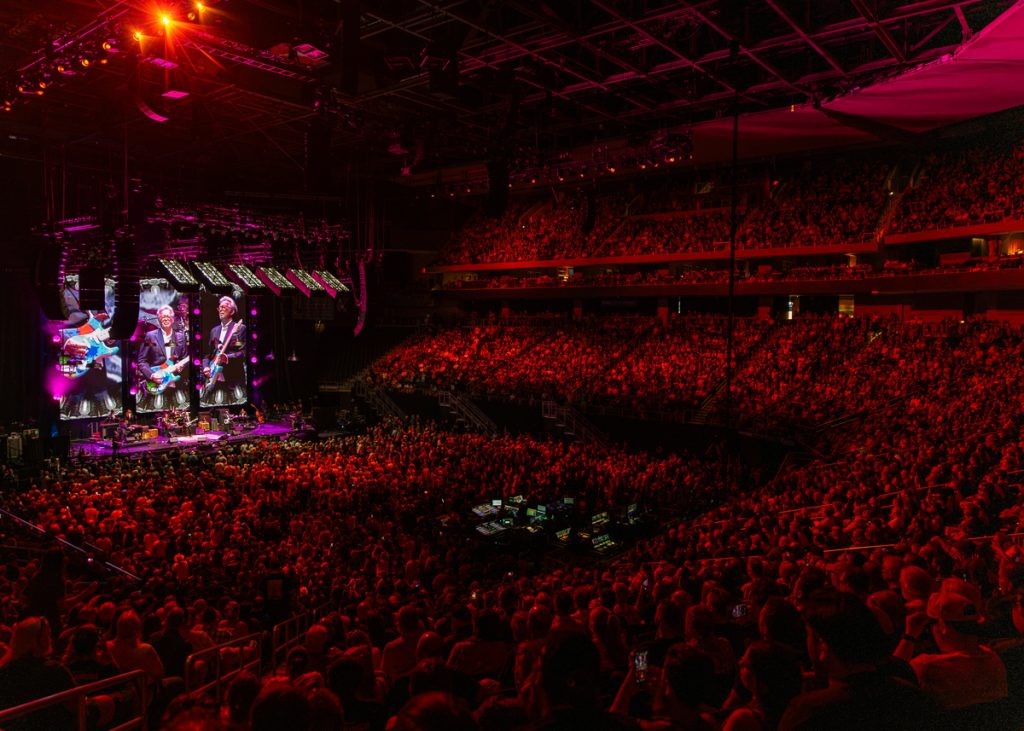
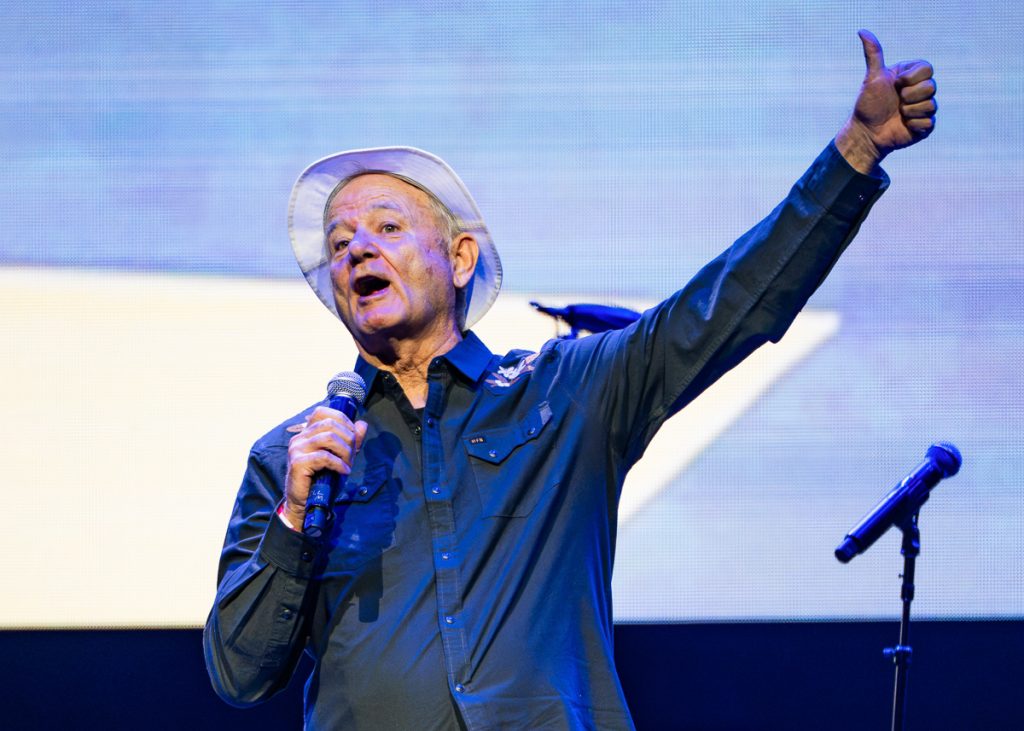
The 2026 Eric Clapton Crossroads Guitar Festival has officially commenced its eighth installment, returning to The Moody Center in Austin, Texas, for the third time in the event’s storied history. This biennial-style celebration of musical virtuosity, which fluctuates in frequency every three to six years, continues to serve as the primary fundraising vehicle for the Crossroads Centre in Antigua—a non-profit drug and alcohol rehabilitation facility founded by the legendary guitarist in 1998. Hosted by the ever-irreverent Bill Murray, the festival once again proved itself as the premier global gathering for guitar enthusiasts, blending the technical precision of blues, rock, jazz, and country into a seamless marathon of performance art.
The Mission and the Foundation
At the heart of the Crossroads Guitar Festival is a cause that transcends the music itself. Eric Clapton, who has long been candid about his own journey through recovery, reiterated the festival’s founding philosophy during the event. "My primary purpose is to stay sober and help other alcoholics to achieve sobriety," Clapton stated during the opening remarks. "That—believe it or not—is above me being a musician or a husband or a father. It’s the number one thing."
The Crossroads Centre in Antigua, which relies heavily on the proceeds from these festivals, provides a structured environment for those struggling with chemical dependency. By leveraging his immense influence in the music industry, Clapton has turned the festival into a powerhouse of philanthropic impact, ensuring that the facility remains operational and accessible to those in need of treatment. Since the inaugural festival in 2004, the event has evolved from a boutique gathering into a massive, multi-day spectacle that draws thousands of attendees from every corner of the globe.
Technical Innovation and Production Excellence
One of the defining characteristics of the 2026 festival was its sophisticated stage management. The production team utilized a revolving, divided circular platform that drastically reduced downtime between acts. While an artist performed on the front of the stage, the crew worked in silence on the rear to prepare the next setup. This design allowed for a transition window of only five to seven minutes, a feat of logistics rarely seen in stadium-sized concerts.
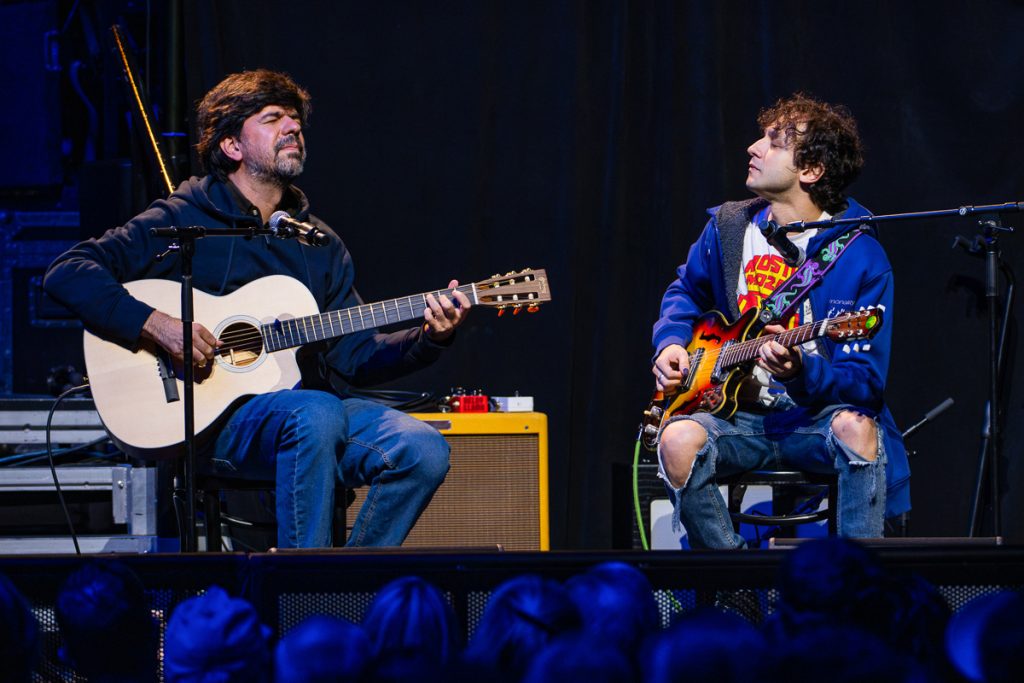
To further optimize the experience, the organizers introduced acoustic satellite stages on the left and right wings of the main floor. These intimate settings not only provided a change of pace from the thunderous volume of the main stage but also allowed for a more organic, unplugged aesthetic. These interludes gave the production crew additional time to recalibrate the main stage for complex multi-instrumentalist sets, ensuring the audio quality remained pristine throughout the seven-hour performances.
A Chronology of Musical Mastery
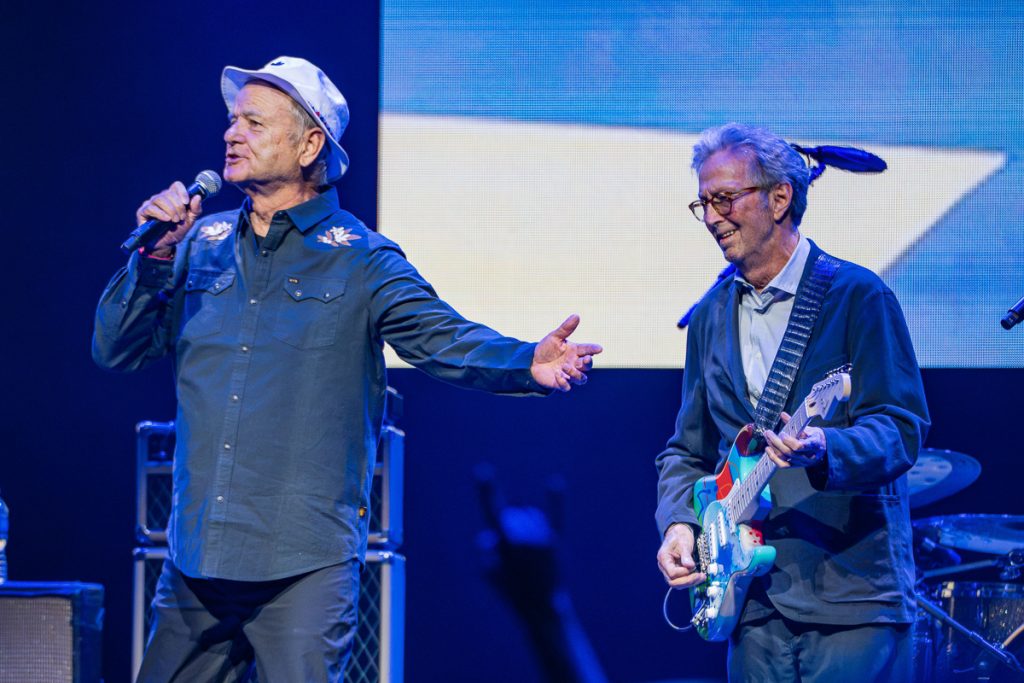
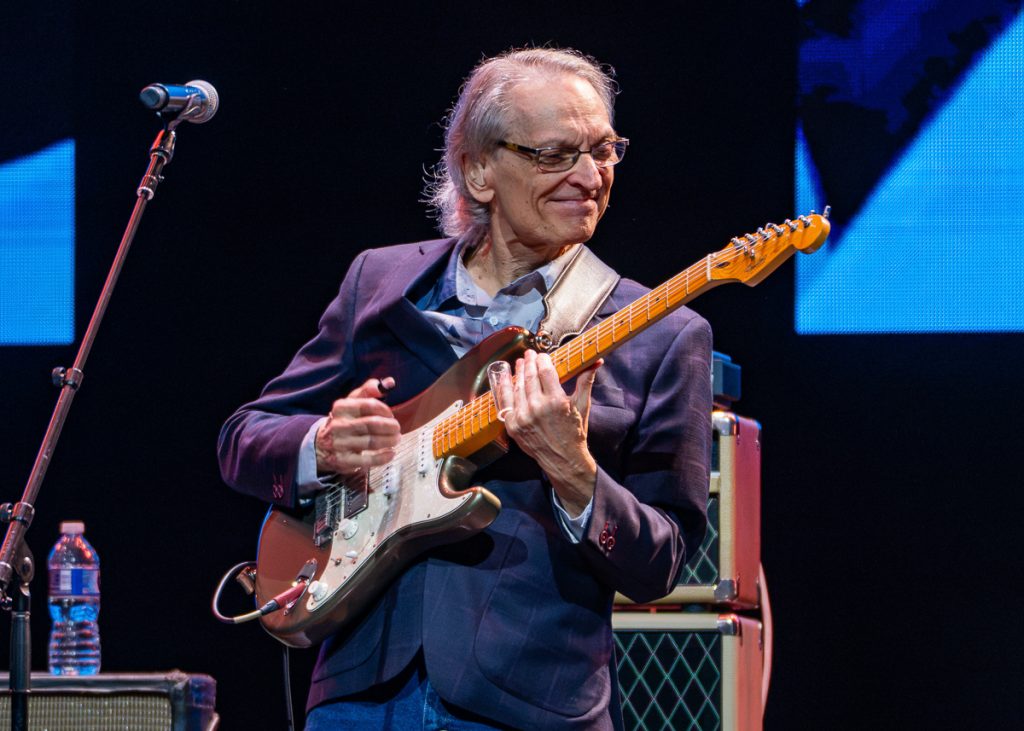
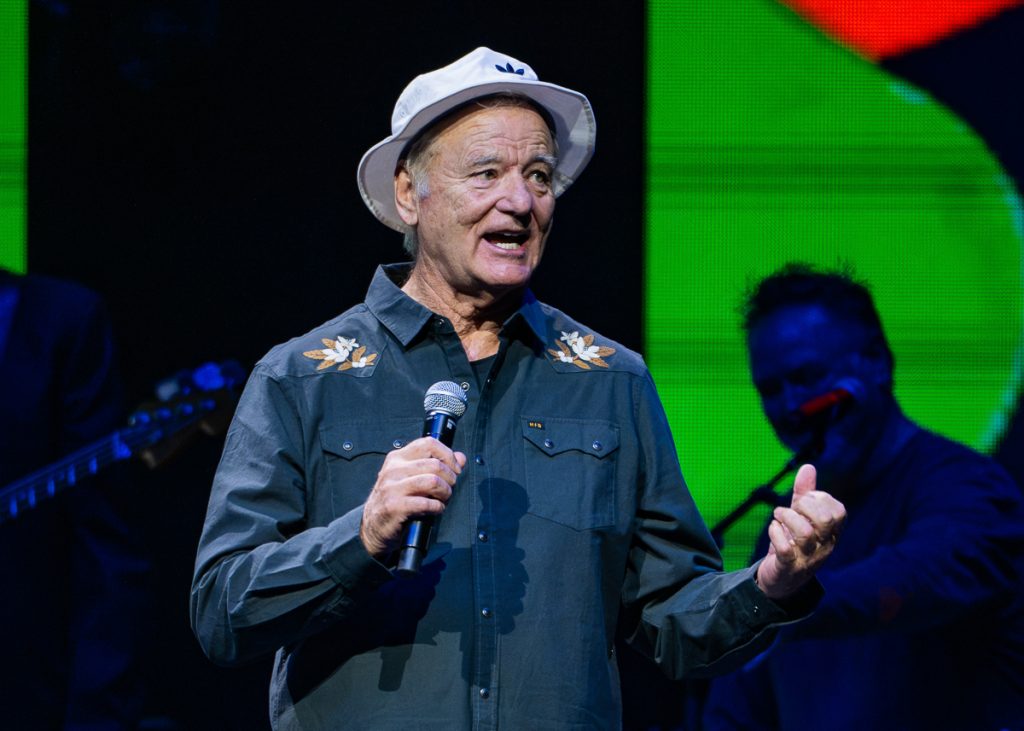
The event was marked by a series of high-profile collaborations and tributes that spanned decades of musical influence. Bill Murray, serving as the master of ceremonies, opened the proceedings with his characteristic wit before inviting Clapton to the stage. The host promptly set the tone, executing a blistering riff from the Robert Johnson classic "Crossroads," the song that serves as the festival’s namesake.
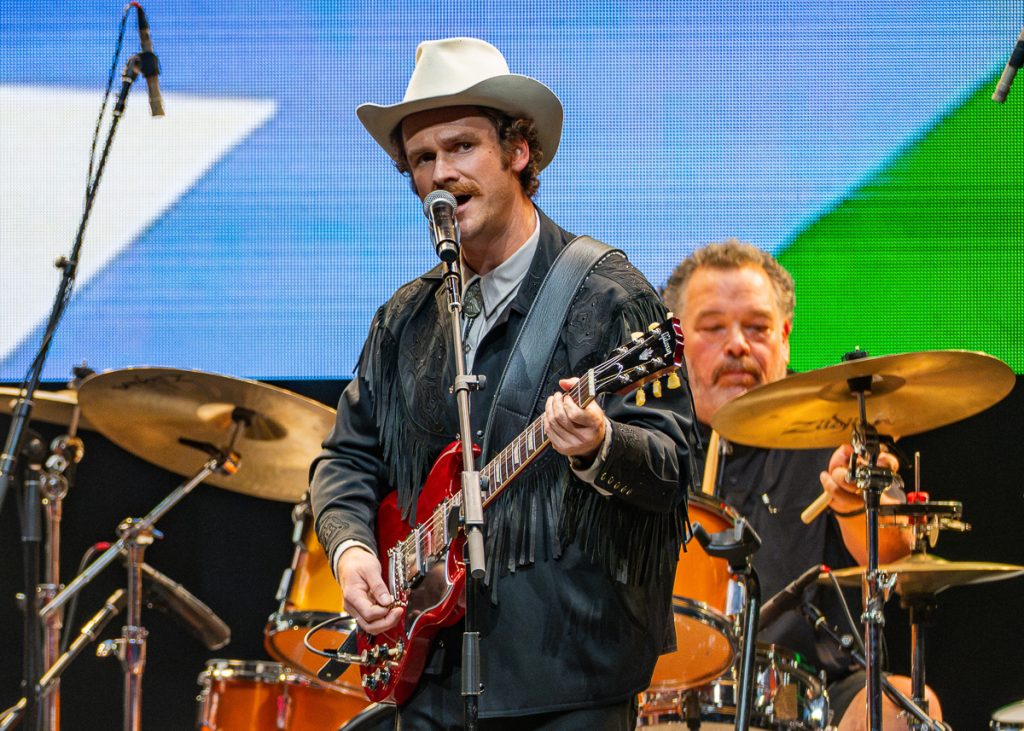
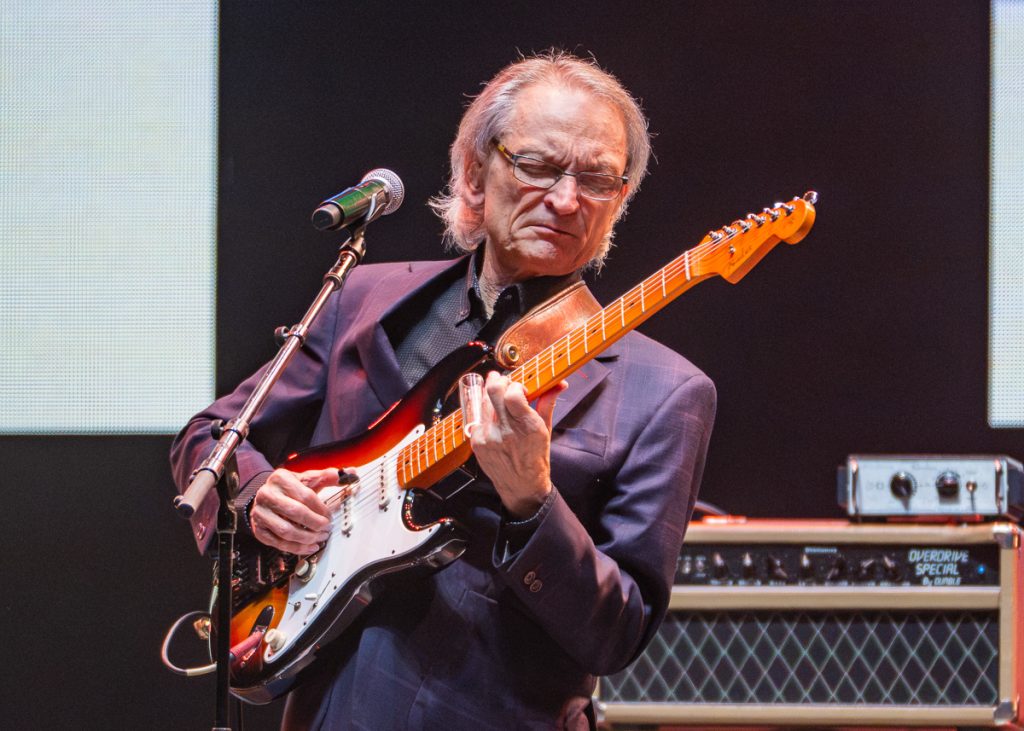
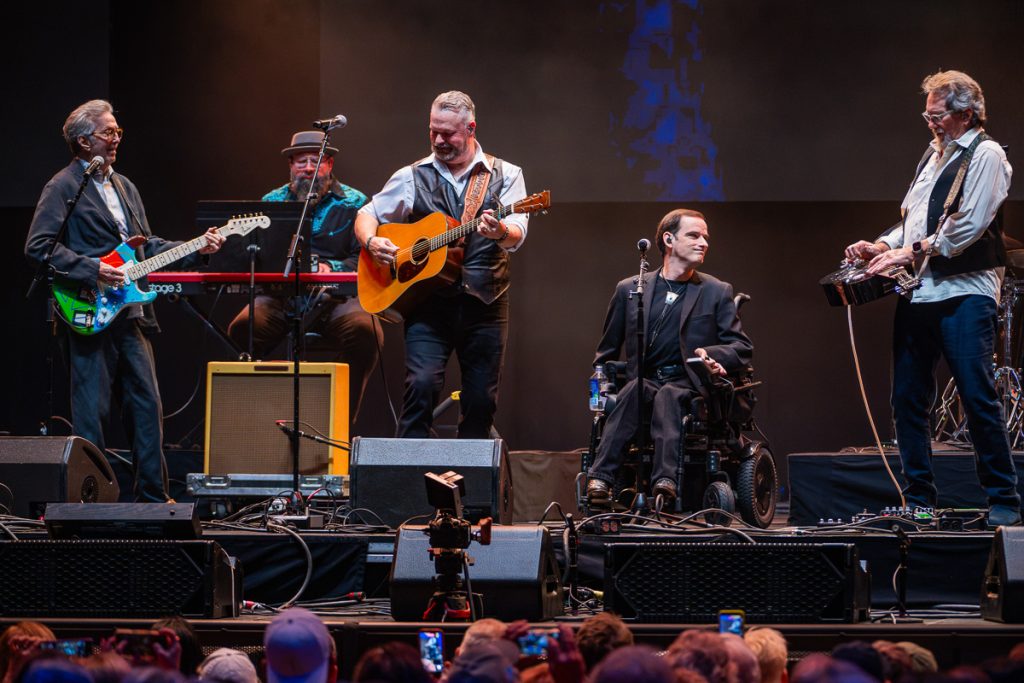
Consistent with tradition, the first call for the lineup was again extended to slide guitar maestro Sonny Landreth. His opening set was a masterclass in tone, highlighted by an emotionally charged tribute to the late Johnny Winter through a searing rendition of "Firebird Blues." The morning session continued with a blend of regional styles, as Ben Haggard brought a distinct Texas country influence to the stage, serving as a bridge between the traditional blues roots and the more contemporary Americana sounds featured later in the day.
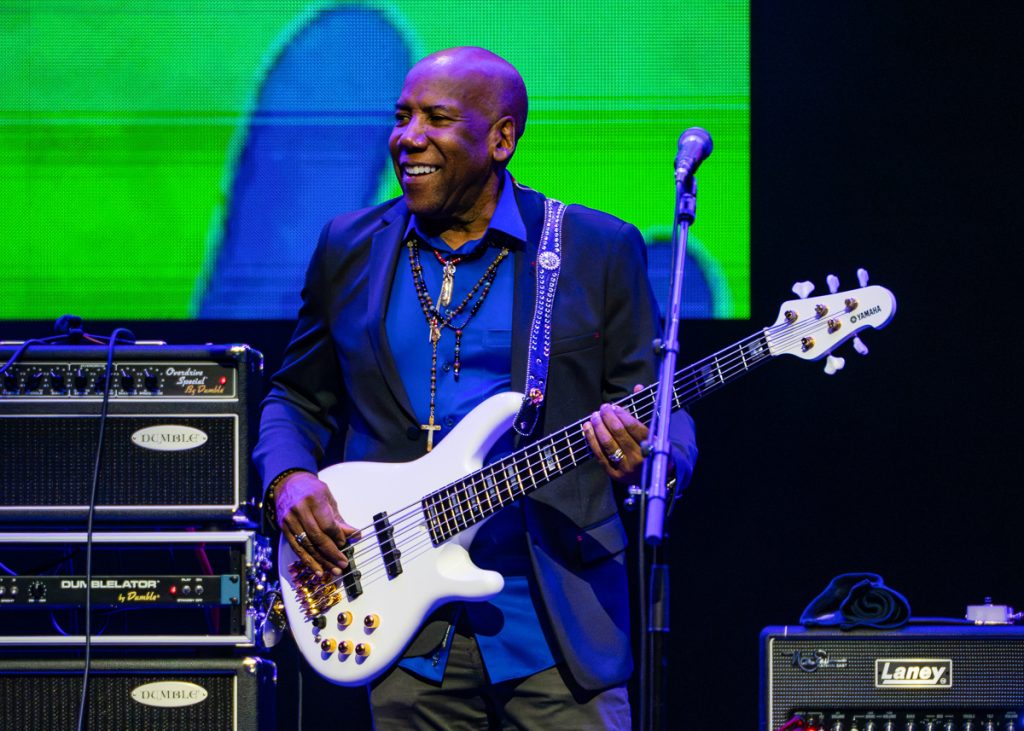
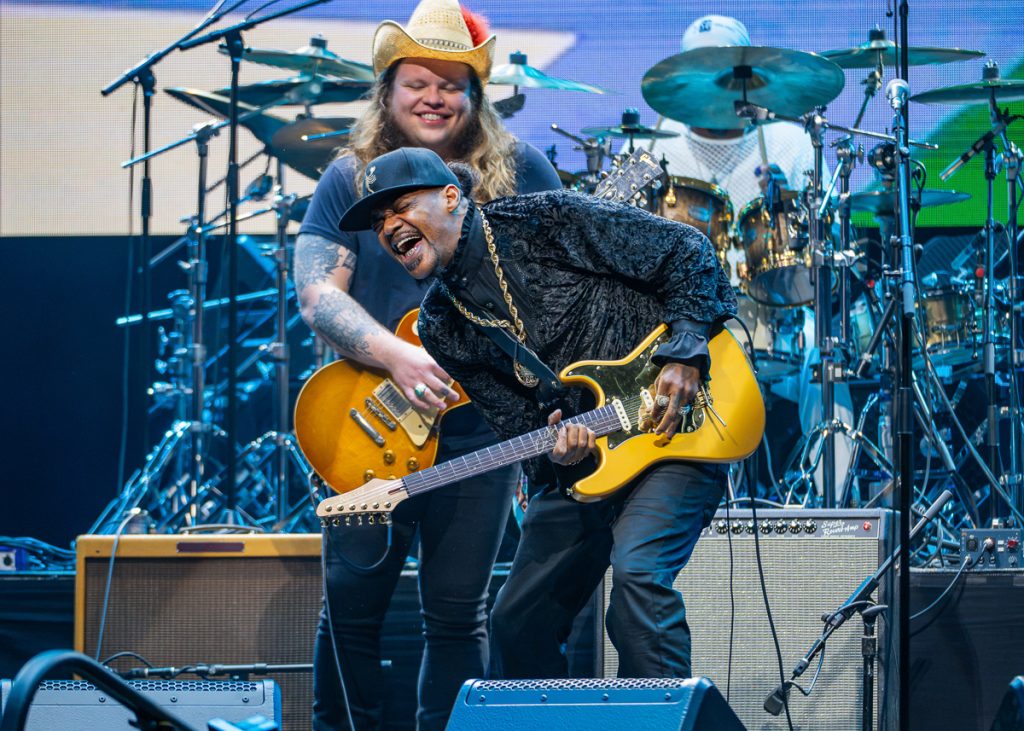
The "house band," featuring a stellar lineup of Nathan East on bass and vocals, Doyle Bramhall II on guitar and vocals, Chris Stainton on keys, and Tim Carmon on the Hammond B3 organ, provided the backbone for many of the day’s performances. Their versatility allowed for a rapid succession of styles, from the classic blues interplay of Will Johns and Joe Bonamassa on "Sitting on Top of the World" to the avant-garde, inverted-guitar technique of Eric Gales, who joined Marcus King for an electrifying cover of Jimi Hendrix’s "Voodoo Child."
Global Perspectives and Cultural Synthesis
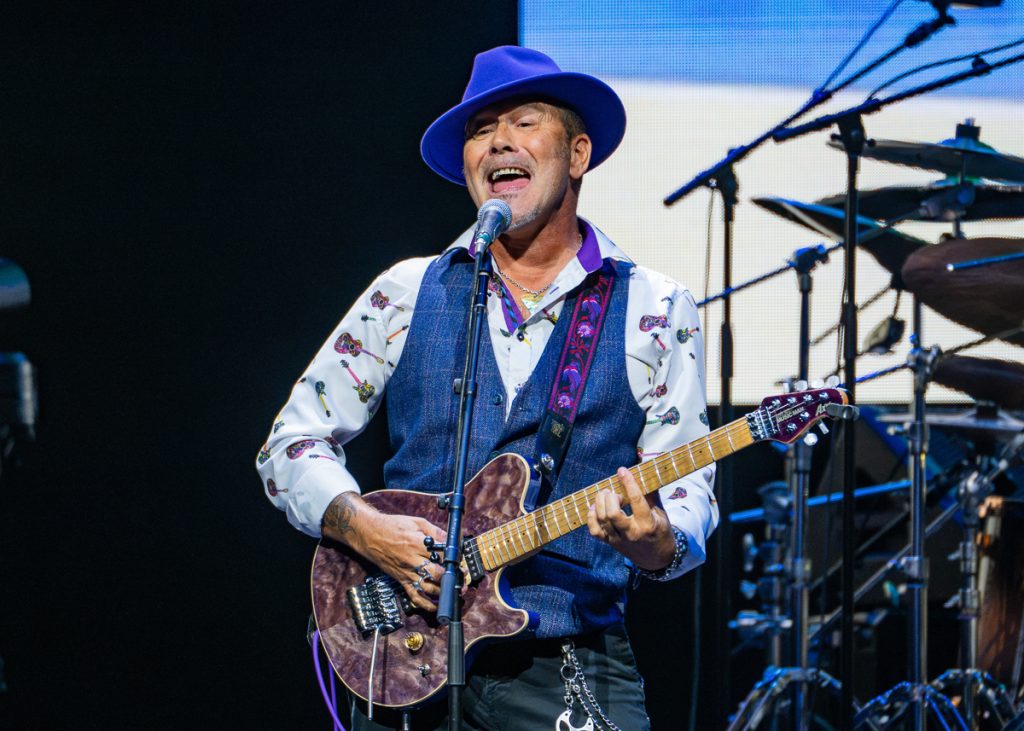
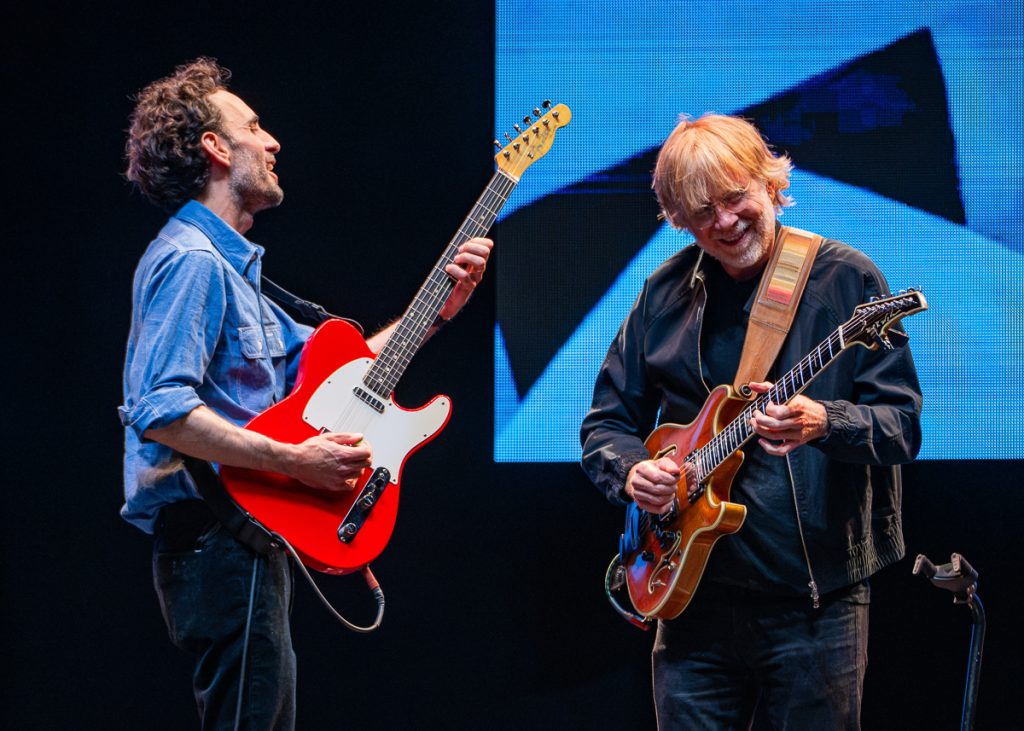
The diversity of the 2026 lineup was perhaps its most significant achievement. The Brazilian duo of Daniel Santiago and Pedro Martins brought a sophisticated, jazz-inflected perspective to the stage, rearranging works by John Lennon and Paul McCartney before closing with a unique take on Clapton’s "Layla." This was followed by the inclusion of jazz virtuoso Julian Lage, whose technical prowess was showcased alongside Phish frontman Trey Anastasio on "Northern Exposure."
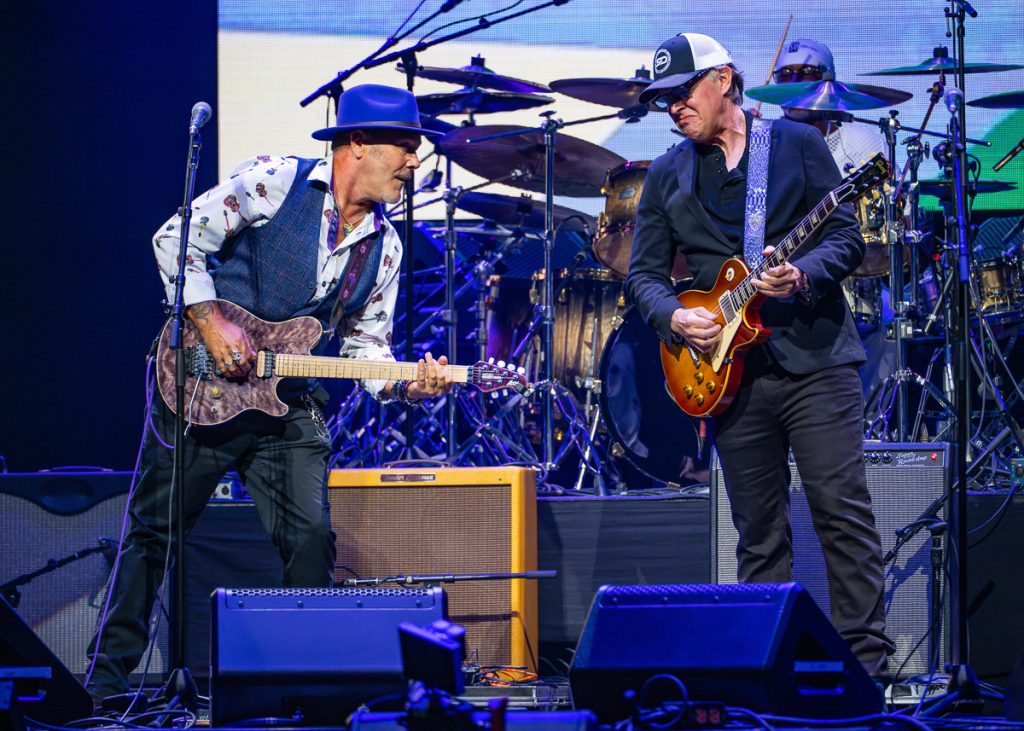
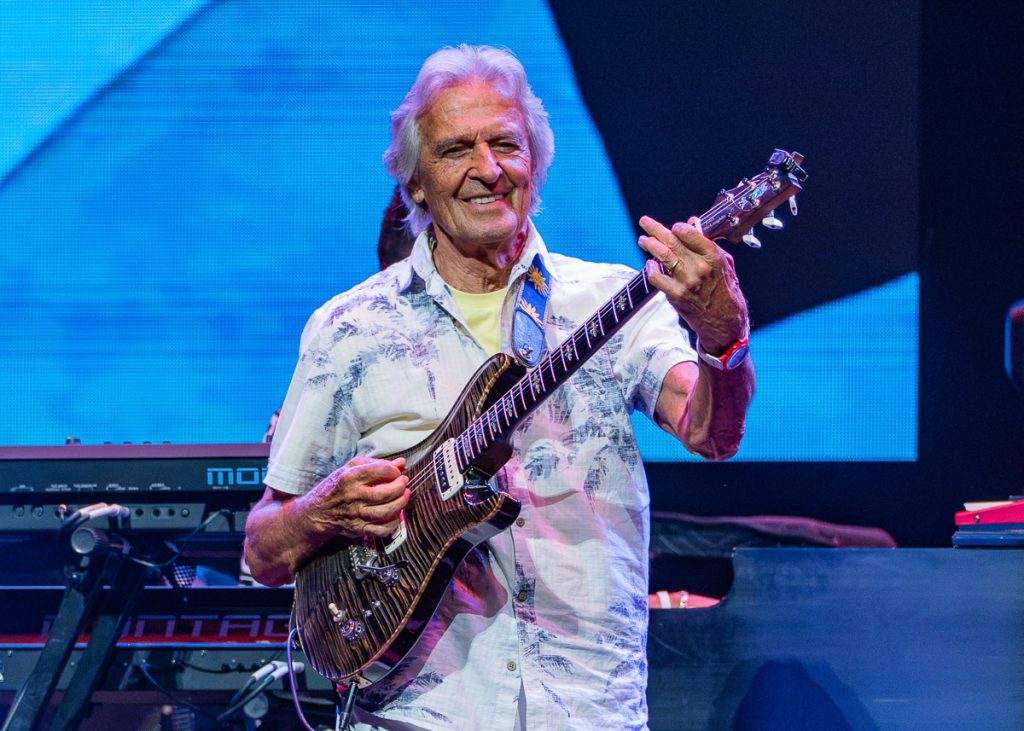
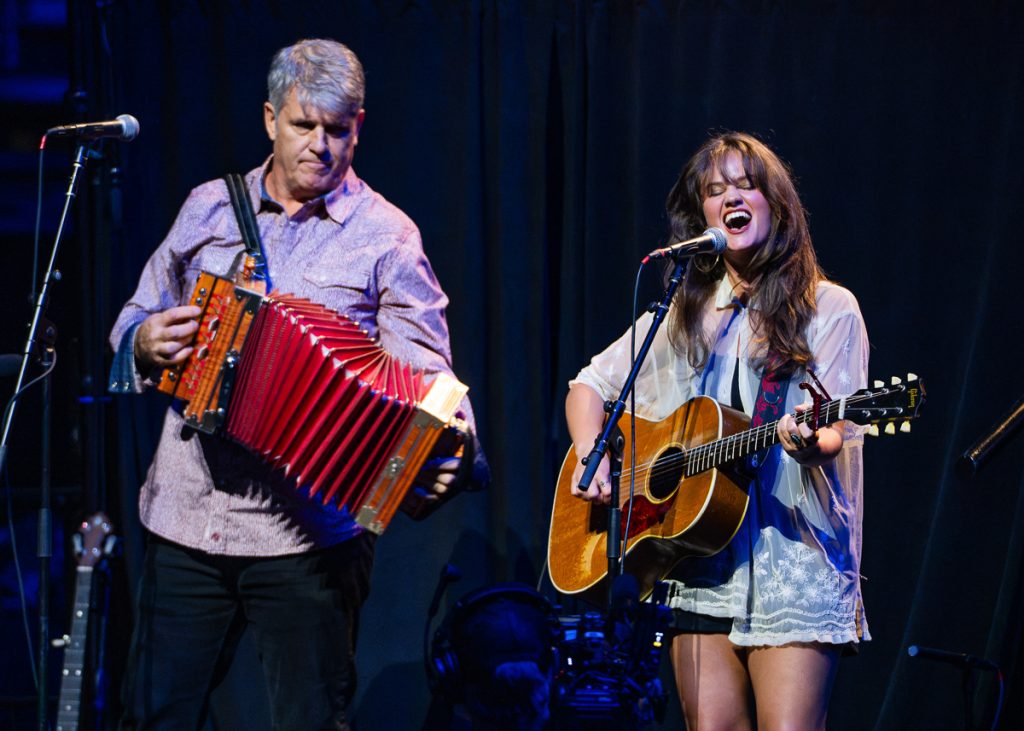
The inclusion of John McLaughlin—a seminal figure in fusion jazz and former collaborator with Miles Davis—represented a nod to the intellectual history of the guitar. His performance of "Jean-Pierre" provided a stark, high-energy contrast to the more traditional blues sets. This was balanced by the Appalachian and Cajun-infused performance of Dirk and Amelia Powell, who demonstrated the deep roots of American string music with a variety of instruments including the fiddle, accordion, and banjo.
The Texas Influence: A Star-Studded Finale
As the event moved into its later stages, the focus shifted toward the legendary Texas rock and blues scene. Jimmie Vaughan, a local hero in Austin, anchored the evening with his Tilt-A-Whirl Band, paying tribute to his brother, the late Stevie Ray Vaughan, with a performance of their collaborative hit "TICK TOCK."
The atmosphere reached a fever pitch when Buddy Guy joined the stage. The interplay between Guy, Vaughan, and Clapton served as a poignant reminder of the lineage of the blues. The set, which included staples like Willie Dixon’s "Hoochie Coochie Man," demonstrated the collaborative spirit that the festival aims to foster. Billy F. Gibbons of ZZ Top further solidified the Texas theme, leading his BFG band through a high-octane run of classics such as "La Grange" and "Beer Drinkers & Hell Raisers," all while honoring the legacy of his departed bandmates.
The finale of the first night featured the Tedeschi Trucks Band, praised by Murray as "the greatest live band in the world." Their performance was a sprawling affair, incorporating guest appearances by Trey Anastasio, John Mayer, and Susan Tedeschi, who delivered a powerful rendition of "Keep on Growing." The night concluded with a massive ensemble jam on "Got to Get Better in a Little While," bringing together the entirety of the day’s performers in a display of musical camaraderie that is rarely witnessed in the modern touring landscape.
Implications for the Industry
The 2026 Crossroads Guitar Festival underscores a shift in how large-scale music festivals are being curated. In an era dominated by electronic music festivals and pop-focused touring circuits, Clapton’s commitment to the guitar—as both an instrument and a cultural vessel—provides a unique value proposition for audiences. The festival is not merely a concert series but a living archive of guitar history, connecting elder statesmen of the genre with emerging talents.
Economically, the festival serves as a significant stimulus for the local Austin economy, with the influx of thousands of attendees from across the globe contributing to hospitality and tourism sectors. Furthermore, the event’s ability to sell out a 15,000-seat venue like The Moody Center purely on the strength of its lineup—without relying on traditional pop-radio headliners—proves that there remains a robust, dedicated audience for instrumental-focused music.
From an organizational standpoint, the use of the satellite stages and the rotating platform offers a blueprint for future concert productions. By minimizing the "dead air" that typically plagues multi-artist festivals, the production team maintained a high level of audience engagement throughout the day. This efficiency, combined with the curated diversity of the artists, ensures that the Crossroads Guitar Festival remains the gold standard for guitar-centric events.
As the festival continues to bridge the gap between the delta blues of the early 20th century and the contemporary sounds of the 21st, it remains a vital institution. Whether it is the technical challenge of playing a left-handed guitar upside down or the delicate interplay of a jazz trio, the 2026 event reaffirmed that the guitar remains a primary instrument for human expression. With the continued success of the Crossroads Centre and the ongoing dedication of the artists involved, the festival looks set to remain a cornerstone of the music industry for many years to come.
Related posts: