Friendgineer Labs Releases Chance, a Free Random Multi-FX Plugin for macOS and Windows

Friendgineer Labs has officially launched Chance, a free random multi-effects plugin designed to inject spontaneity and creative serendipity into the audio production workflow. Available for both macOS and Windows operating systems, Chance emerged as a notable entry from the 2026 KVR Developer Challenge, a yearly event that fosters innovation and collaboration within the digital audio effects community. This plugin distinguishes itself by its core functionality: the creation of unpredictable yet artistically valuable sonic textures through randomized effect chains.
The Appeal of Unpredictability in Sound Design
The allure of plugins that generate random or unexpected results lies in their capacity to break creative stalemates and inspire new sonic directions. For sound designers and music producers, moments of creative inertia are common. In such instances, tools that introduce an element of surprise can be invaluable. Chance is engineered precisely for these scenarios, offering a gateway to "happy accidents" – unexpected but often highly desirable sonic outcomes that might be difficult or impossible to achieve through manual parameter tweaking alone. This approach to sound manipulation prioritizes exploration and discovery, allowing users to stumble upon unique sounds that can then be further refined.
Core Functionality and User Interface
Chance’s architecture is built around four primary effect categories: delay, modulation, reverb, and harmonics. Users are empowered to control the proportion of each category that contributes to the final signal. Once these parameters are set, a unique "squeeze the duck" mechanism blends the chosen effects. This blending process is further enhanced by integrated multiband compression and limiting, ensuring that the randomized output remains cohesive and usable.
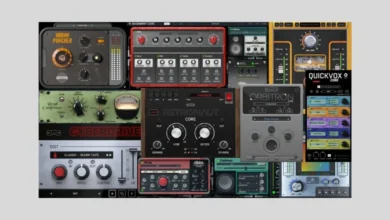
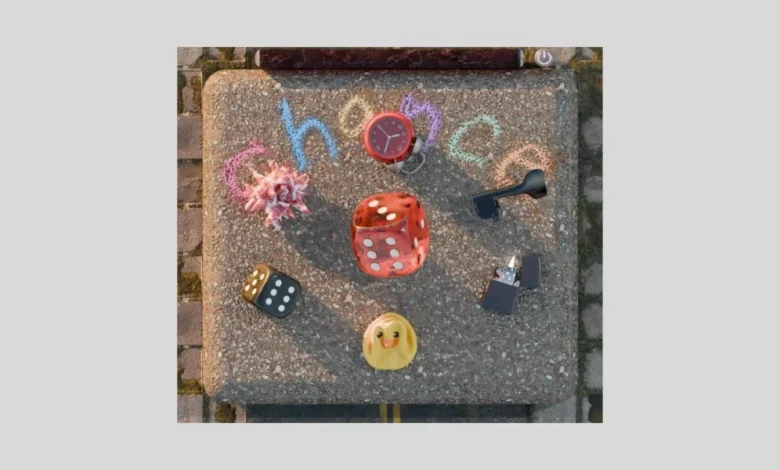
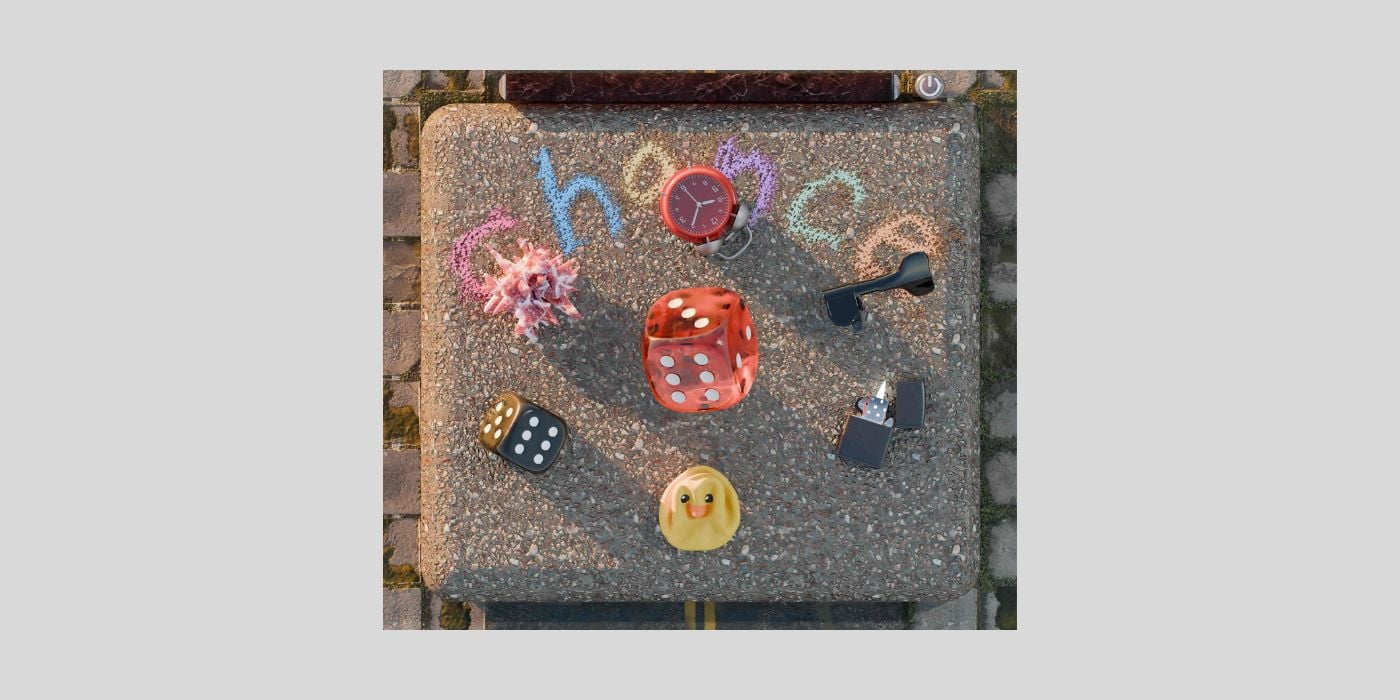
The plugin’s interface has been lauded for its distinctive aesthetic. Described as "pretty sick" and "very unlike anything I have seen lately," it eschews conventional design norms while maintaining an intuitive user experience. This departure from the status quo suggests a deliberate effort by Friendgineer Labs to create a tool that is not only functional but also visually engaging and memorable.
Technical Underpinnings and Developer Insights
Friendgineer Labs has emphasized that Chance’s sophisticated DSP (Digital Signal Processing) was purpose-built and developed in collaboration with AudioLoom. Notably, the developers have stated that no AI "vibecoding" was involved in its creation, reinforcing the idea that the plugin’s unique character stems from carefully crafted audio algorithms rather than emergent AI behaviors. This commitment to traditional DSP development, combined with AudioLoom’s expertise, suggests a focus on sonic quality and predictable behavior within the context of its randomization.
The selection of individual effects within each category was guided by criteria of repeatability and reliability. This is a crucial aspect, as it aims to ensure that even the most adventurous randomized settings will still produce sounds that are musically relevant and controllable, rather than devolving into chaotic noise. This balance between unpredictability and groundedness is a key design principle of Chance.
Creative Workflow and Preset Management
While Chance excels at generating novel sounds, it also offers avenues for user control and refinement. The ability to blend each effect category allows users to shape the overall character of the randomized output. Furthermore, the plugin includes presets for each individual effect in solo mode. This feature is instrumental in helping users understand the specific contribution of each effect category to the final sound, thereby facilitating a more informed approach to sound design.
An important consideration for users is the plugin’s preset saving mechanism. Saving a preset in Chance does not capture a specific, static randomized audio state. Instead, it saves the blend of the randomized effects. This design choice actively preserves the plugin’s unpredictable nature, ensuring that each instantiation of a saved preset can still yield a unique sonic outcome. This approach maintains the element of surprise in the workflow without rendering the plugin entirely uncontrollable.
Community Reception and Potential Issues
The 2026 KVR Developer Challenge served as a platform for Chance’s debut, where it garnered positive attention from the user community. Reviews from KVR Audio, a prominent online community for music producers and developers, have highlighted the plugin’s innovative approach. However, these reviews also offer practical advice for users. Some feedback indicates that certain parameter combinations can result in unexpectedly loud audio signals. This underscores the importance of monitoring audio levels diligently while experimenting with Chance, a common practice when exploring new or extreme effect settings in any audio processing chain.
Technical Specifications and Availability
Chance is currently available in three major plugin formats: Audio Units (AU), VST3, and AAX. This broad compatibility ensures that it can be integrated into most modern Digital Audio Workstations (DAWs) used by producers on macOS and Windows. The current version of the plugin is 1.0.6.
Friendgineer Labs has made Chance available as a completely free download, reinforcing its commitment to contributing valuable tools to the audio production community. This free accessibility democratizes access to advanced sound design capabilities, allowing a wider range of creators to experiment with its unique features.
The Broader Context of the KVR Developer Challenge
The KVR Developer Challenge, held annually, plays a significant role in the plugin development landscape. It typically runs for a defined period, encouraging developers to create new plugins, often with specific themes or constraints. This event serves multiple purposes: it provides a creative outlet for developers, introduces fresh and often experimental tools to the market, and fosters a sense of community and friendly competition. Developers often leverage the challenge to showcase their skills, test new ideas, and gain valuable feedback from a dedicated user base. The fact that Chance was a standout entry highlights the high caliber of innovation that emerges from such events. The challenge often features a diverse range of plugins, from complex synthesizers to specialized audio effects, and the community’s engagement, through voting and feedback, helps shape the future of these tools.
Analysis of Implications and Future Potential
The release of Chance by Friendgineer Labs, particularly as a free offering and a successful KVR Developer Challenge entry, has several implications for the audio production industry. Firstly, it underscores the continued demand for innovative and accessible audio tools. In a market often saturated with familiar effects, plugins that offer novel approaches, like randomized processing, can carve out a significant niche.
Secondly, the success of Chance highlights the value of community-driven development platforms like KVR. These platforms not only foster innovation but also provide a crucial testing ground and feedback mechanism for new plugins. The collaborative aspect, as seen with AudioLoom, can lead to the development of highly specialized and robust DSP.
The "happy accident" approach championed by Chance can be a powerful catalyst for creativity. It encourages users to deviate from established patterns and explore sonic territories they might not have considered otherwise. This can lead to the development of unique sonic signatures for artists and producers, setting their work apart.
From a business perspective, Friendgineer Labs’ decision to offer Chance for free is a strategic move. It builds brand awareness, establishes credibility, and can serve as a gateway to potentially paid offerings in the future. For users, it represents an opportunity to acquire a high-quality, creatively stimulating tool without financial investment.
The emphasis on purpose-built DSP over AI in Chance’s development also signals a nuanced approach to technological integration in music production. While AI is increasingly prevalent, there remains a strong appreciation for expertly crafted algorithms that offer predictable yet versatile sonic control. The plugin’s focus on repeatability and reliability, even within its randomized framework, ensures that it remains a practical tool for professional and amateur producers alike.
Looking ahead, the success of Chance could inspire other developers to explore similar randomization-based effects. It may also encourage users to embrace less conventional workflows, recognizing the creative potential of controlled unpredictability. The ongoing evolution of audio plugins is often driven by such innovations that challenge established norms and expand the creative possibilities available to musicians and sound designers. The careful balance struck between randomness and control in Chance is likely to be a key factor in its sustained appeal within the audio production community.