Exploring the Iconic Synthesizers That Defined the Legendary Sound of Pink Floyd

While David Gilmour’s soaring guitar solos and unmistakable blues-infused tone often dominate discussions regarding the legendary sonic architecture of Pink Floyd, keyboardist Rick Wright’s sophisticated synthesizer work was equally vital to the band’s identity. From the haunting, psychedelic atmospheres of their early records to the polished stadium-rock anthems of the late 1980s, Pink Floyd continuously pushed the boundaries of electronic music production. Examining the key instruments utilized by the band throughout their storied career reveals a fascinating technological evolution that helped shape modern progressive and ambient rock.

The Early Experimental Phase and EMS Innovation
Pink Floyd’s journey into electronic soundscapes began long before synthesizers became commercially mainstream. In the formative years of the group, Rick Wright established a rich sonic foundation using a Farfisa Combo Compact organ routed through a Binson Echorec tape delay unit. This configuration generated the swirling, hypnotic textures that defined early tracks like "Interstellar Overdrive" and "Echoes." However, as voltage-controlled synthesis emerged in the late 1960s and early 1970s, the band eagerly integrated these cutting-edge tools into their studio arsenal.

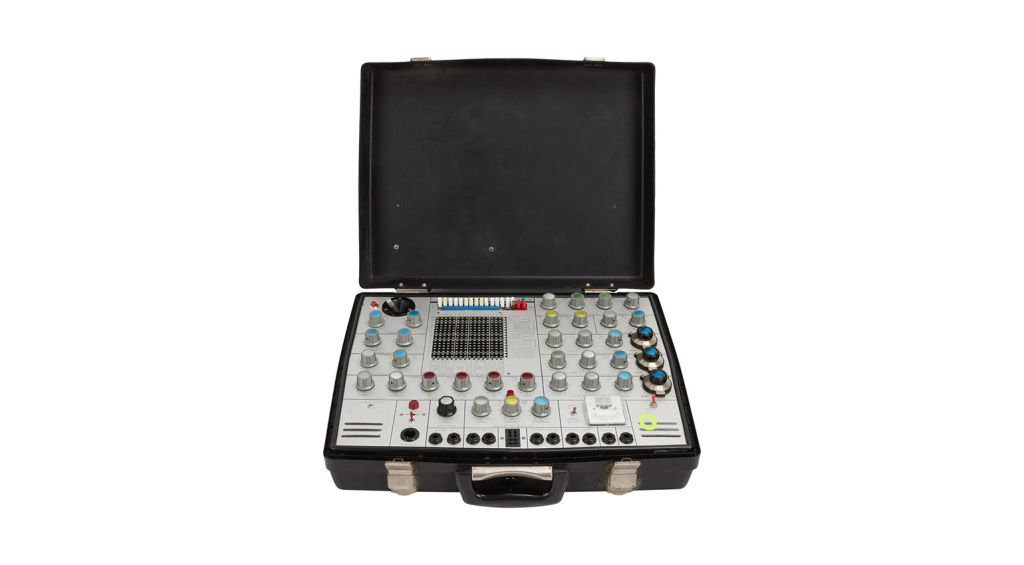
Their initial foray into synthesizers arrived in the form of the EMS VCS3, a British-made portable analog synth housed in a distinctive wooden case. The VCS3 made its famous debut on the track "One of These Days" from the 1971 album Meddle, delivering the unsettling wind effects that opened the composition. Soon after, the band adopted the EMS Synthi AKS, a version of the VCS3 equipped with a built-in digital sequencer and a touch-sensitive flat keyboard.
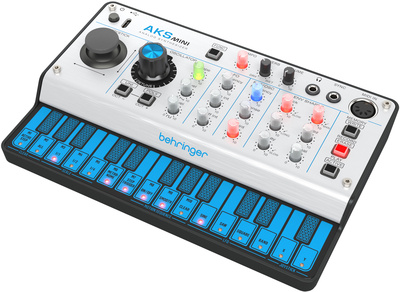
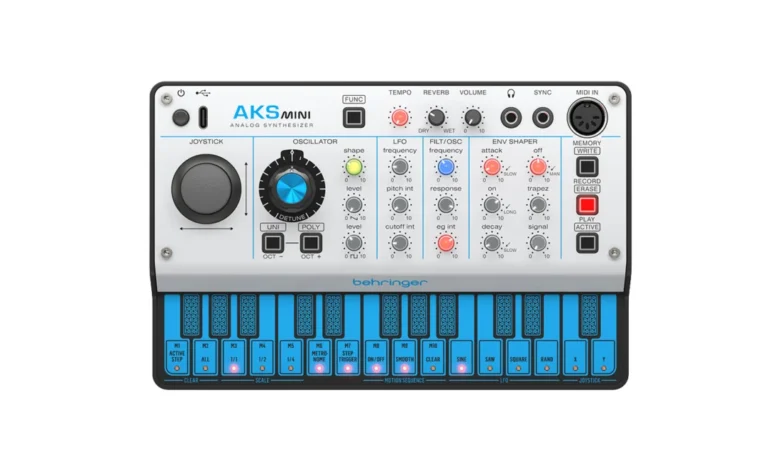
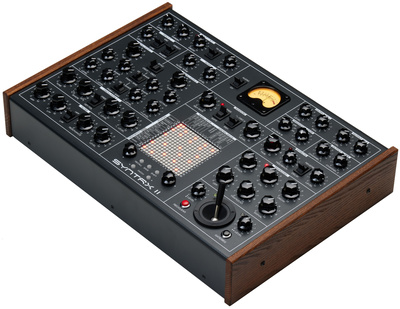
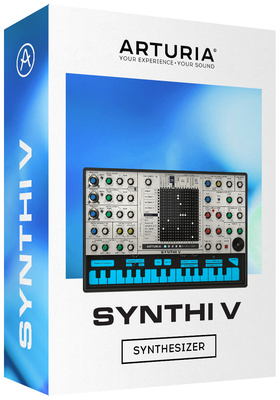
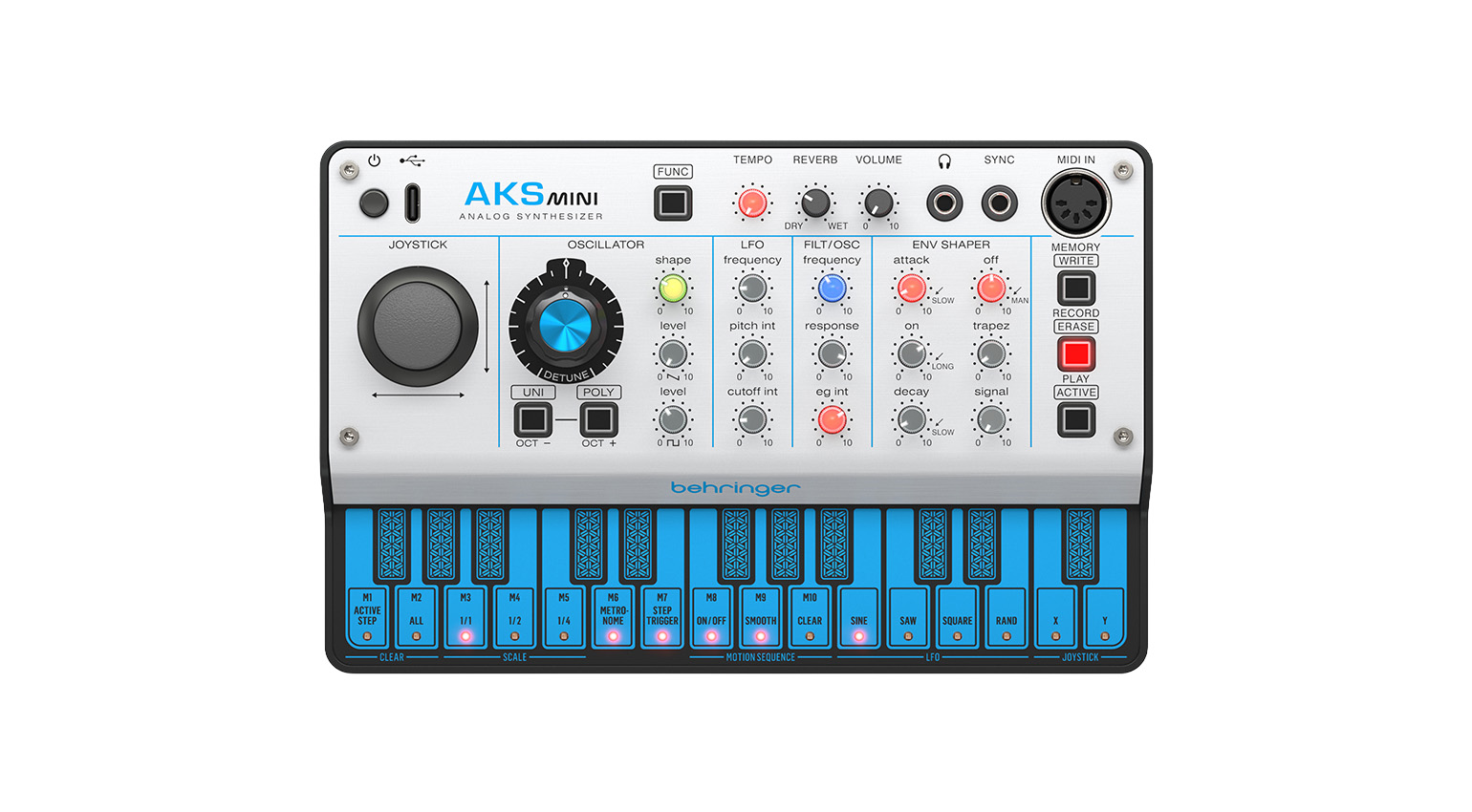
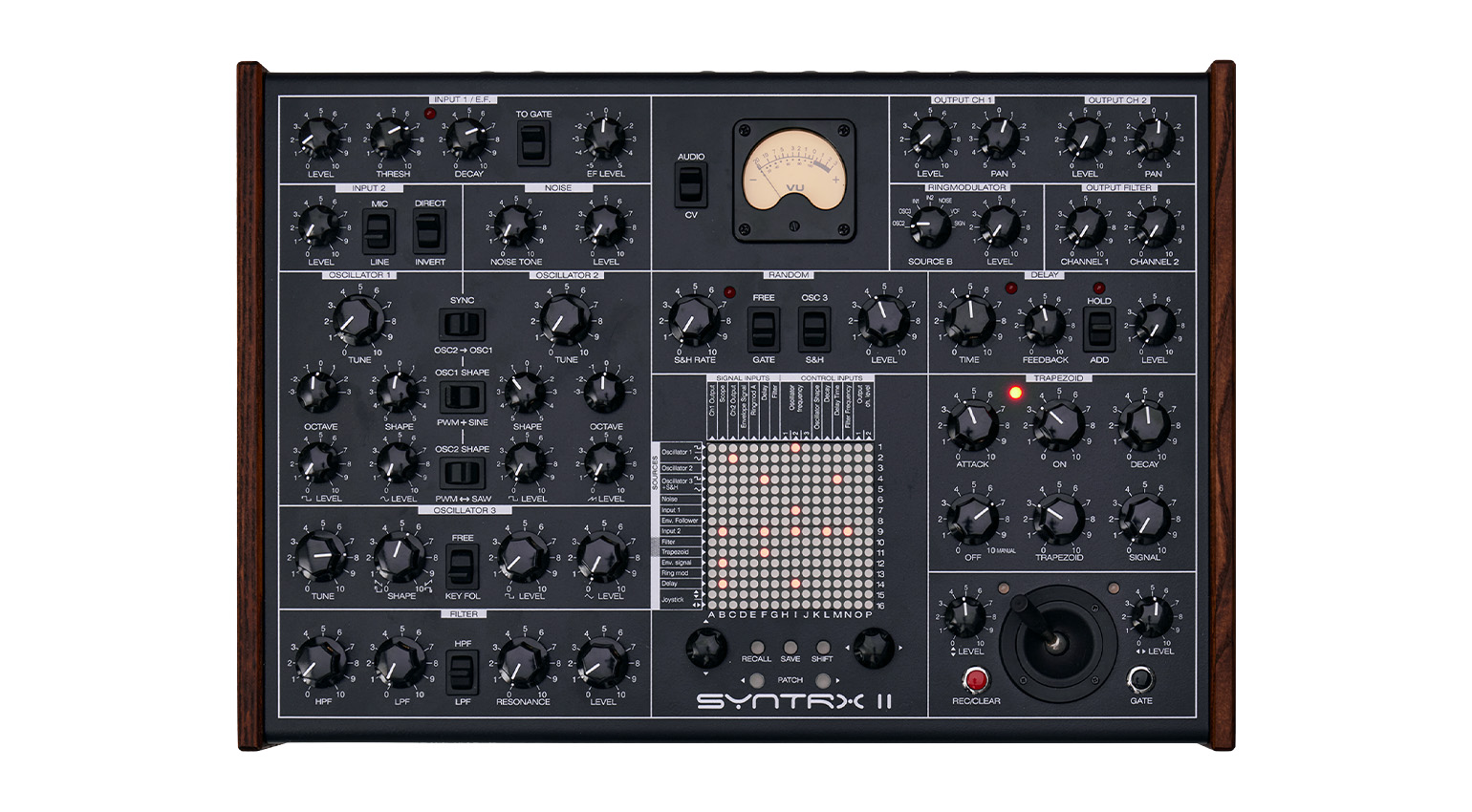
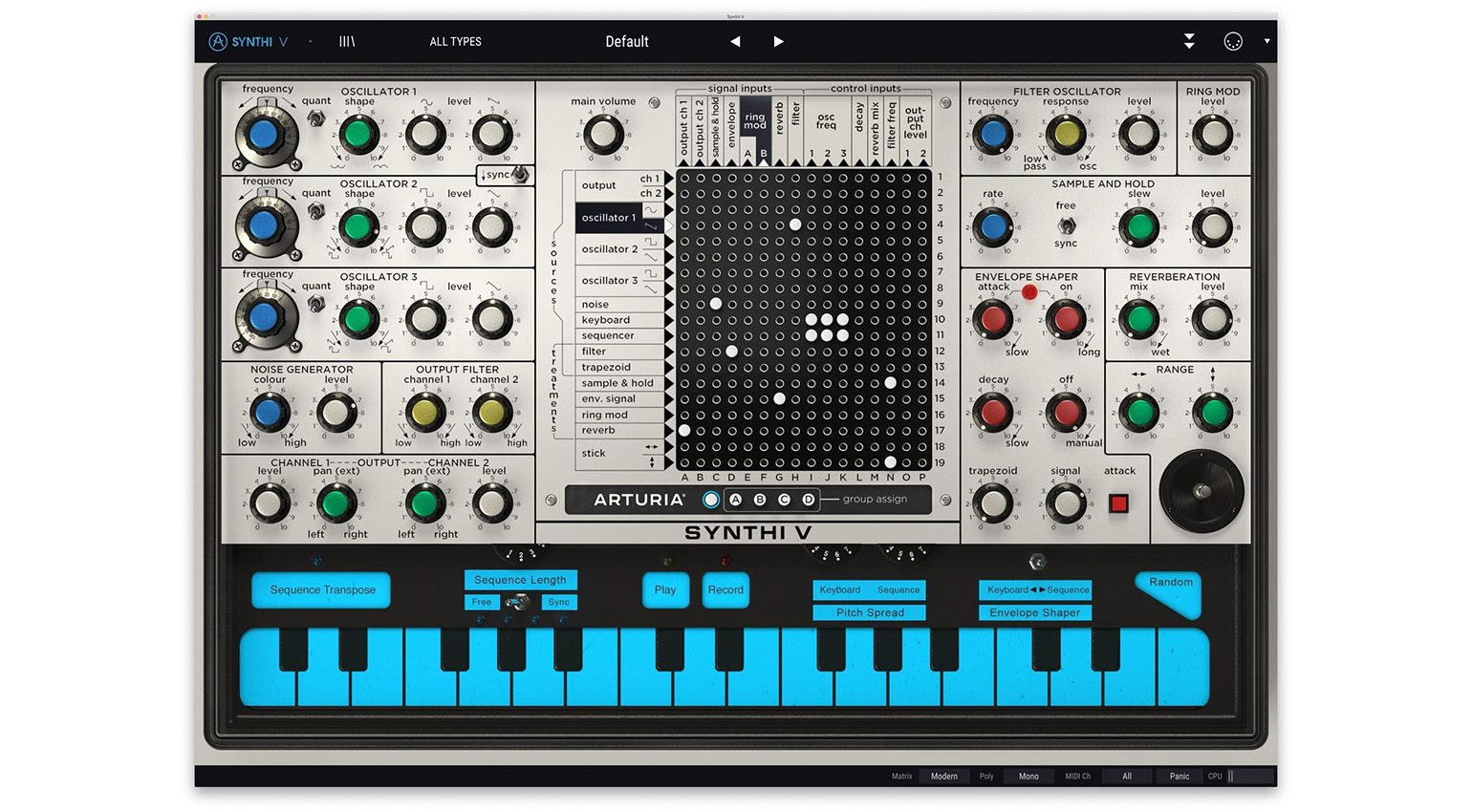
The Synthi AKS proved instrumental during the sessions for 1973’s monumental release, The Dark Side of the Moon. The sequencer pattern on the Synthi AKS formed the rhythmic backbone of "On the Run," creating a relentless, paranoid sense of momentum that mirrored the anxieties of modern travel. Furthermore, Wright utilized the Synthi AKS to execute the fluid, liquid-sounding synthesizer solo on "Any Colour You Like." Today, acquiring an original EMS unit requires a substantial investment, but modern hardware alternatives such as the Behringer AKS Mini, the Erica Synths SYNTRX II, and software emulations like Arturia’s Synthi V allow contemporary producers to recreate those classic space-rock timbres.

The Progressive Peak: The Moog Minimoog
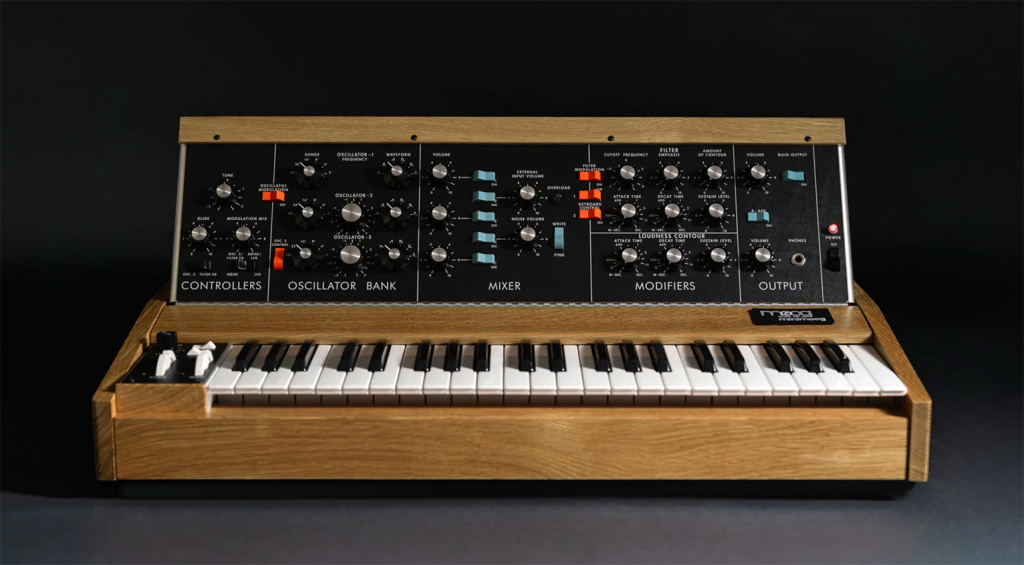
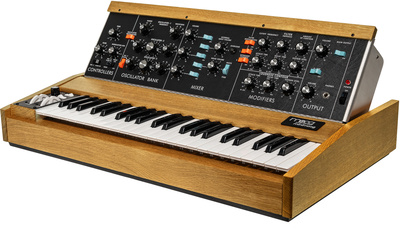
By the mid-1970s, as Pink Floyd transitioned from psychedelic experimentation to grand conceptual suites, the Moog Minimoog became a central fixture of Rick Wright’s live and studio rig. Introduced in 1970, the Minimoog revolutionized the music industry by making monophonic analog synthesis portable and accessible.

The instrument’s presence is felt profoundly across the 1975 album Wish You Were Here. On the album’s ambitious 26-minute centerpiece, "Shine On You Crazy Diamond," the Minimoog provides the majestic lead lines and rich filter sweeps that underscore the emotional gravity of the tribute to former bandmate Syd Barrett. Wright continued to employ the Minimoog on the 1977 follow-up album Animals, where its aggressive yet warm tones provided a stark, industrial counterpoint to Gilmour’s aggressive guitar work.
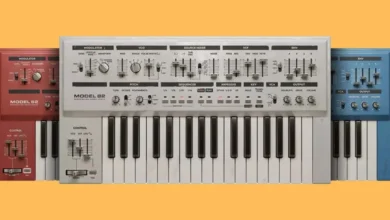
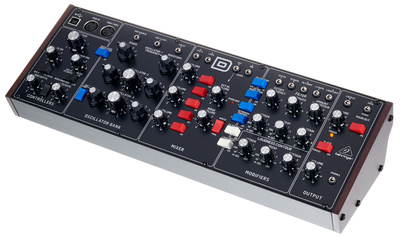
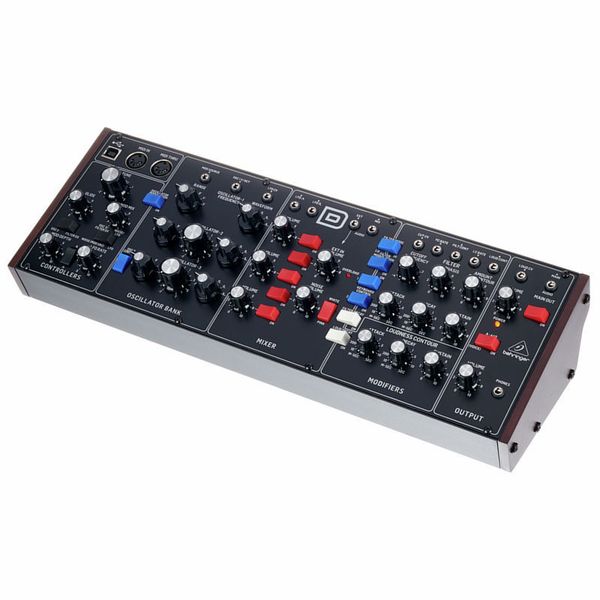
The Minimoog’s ubiquity extended far beyond Pink Floyd, serving as a cornerstone of progressive rock for artists like Yes, Emerson, Lake & Palmer, and Genesis. For musicians seeking to capture this specific era of rock history, Moog continues to manufacture reissues of the iconic synthesizer, while budget-conscious alternatives like the Behringer Model D offer a similar sonic footprint.
The Polyphonic Revolution: The Solina String Ensemble
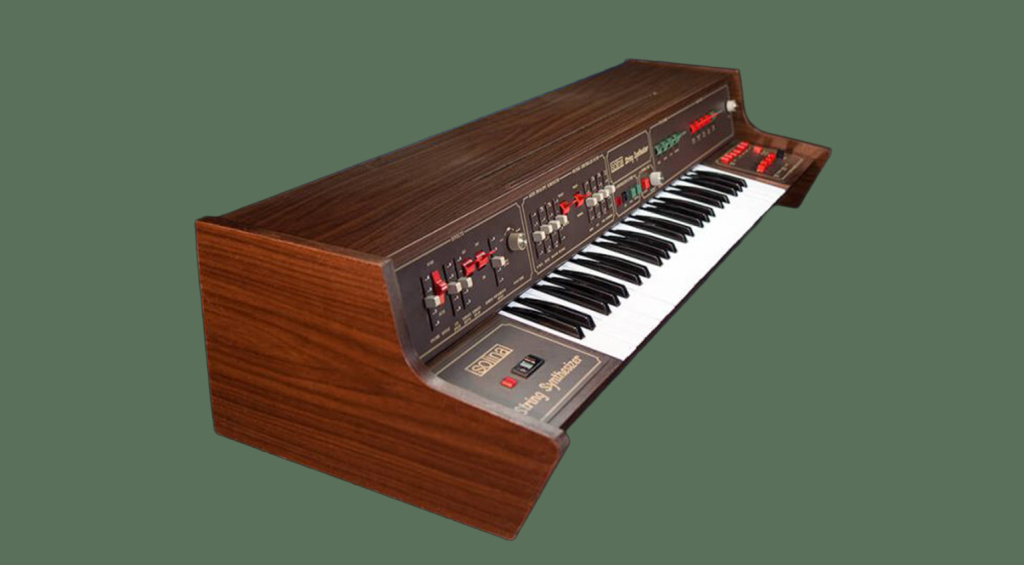
As musical arrangements grew more complex in the mid-1970s, rock bands faced a significant technological hurdle: the demand for keyboard polyphony. Traditional monophonic synths like the Minimoog could only play one note at a time, and early polyphonic synthesizers were prohibitively expensive and notoriously unstable. To solve this dilemma, Pink Floyd, alongside many of their contemporaries, turned to string synthesisers—specifically, the Solina String Ensemble.
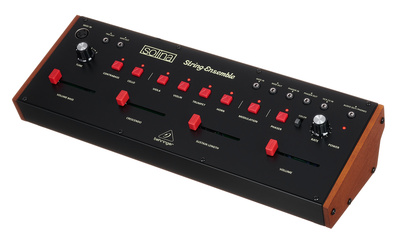
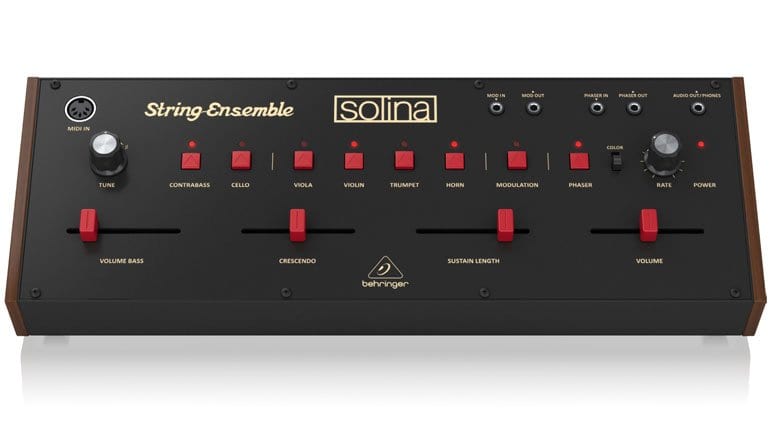
Manufactured by Eminent BV in the Netherlands and marketed as the ARP String Ensemble in North America, the Solina utilized divide-down oscillator technology to achieve full polyphony across the entire keyboard. Coupled with its distinctive multi-stage bucket-brigade ensemble chorus effect, the instrument generated a lush, swirling pad sound that became synonymous with the cinematic rock of the decade.
The Solina is prominently featured on both Wish You Were Here and Animals. On "Sheep," the closing track of Animals, the dense string pads create an oppressive, atmospheric tension that elevates the song’s Orwellian narrative themes. Hardware solutions such as the Behringer Solina String Ensemble module continue to provide producers with an authentic means of replicating these unmistakable vintage textures.

The Cinematic Scale of The Wall and the Prophet-5
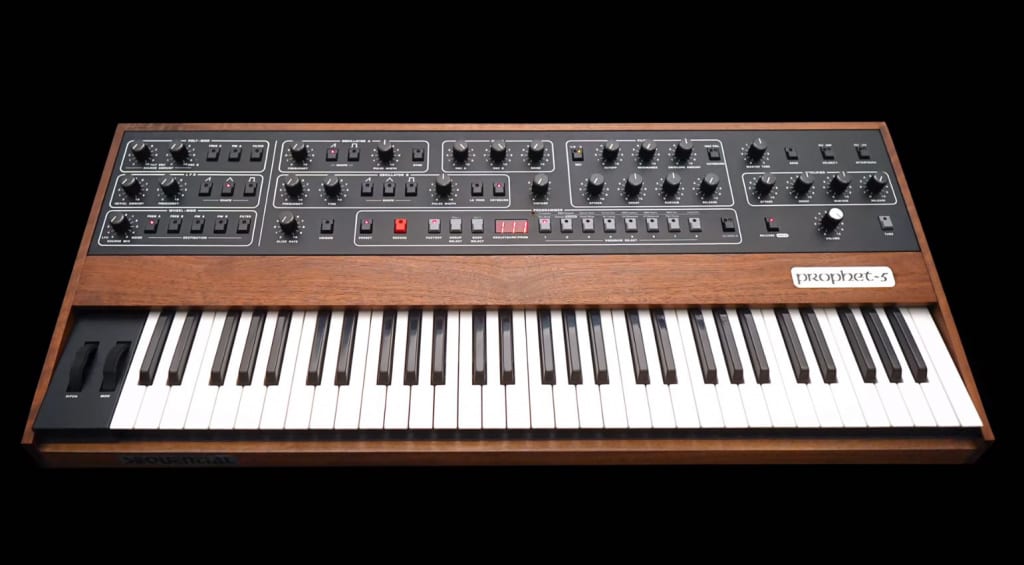
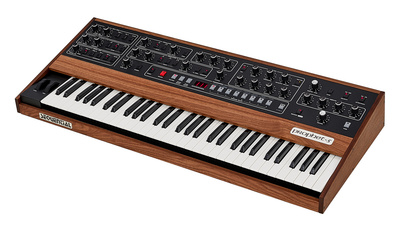
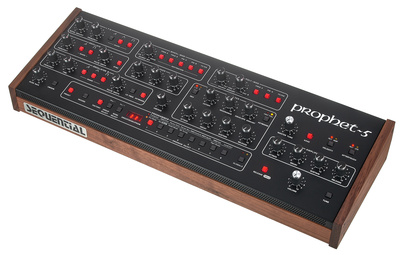
The release of The Wall in 1979 marked a watershed moment not only for Pink Floyd, but for popular music at large. Conceived primarily by bassist Roger Waters, the double-album explored themes of isolation, alienation, and trauma, bolstered by elaborate orchestral arrangements composed by Michael Kamen. To support this massive sonic palette, the band updated their instrumentation once again, integrating the Sequential Circuits Prophet-5 into their setup.
As one of the world’s first fully programmable polyphonic analog synthesizers, the Prophet-5 allowed musicians to save and recall patches instantly—a groundbreaking feature for both live performance and studio production. Although The Wall relies more heavily on traditional band instrumentation and orchestration than previous records, the Prophet-5 makes critical appearances. Most notably, it drives the tearing oscillator-sync lead solo on "Run Like Hell," a high-energy track that became a staple of their legendary live shows. The instrument can also be heard on atmospheric tracks such as "Don’t Leave Me Now" and "Vera."
Sequential continues to honor this legacy through modern iterations of the instrument, including the Prophet-5 and the ten-voice Prophet-10, ensuring that the warm, organic analog warmth of the late 1970s remains accessible to modern creators.
Modernization and the Roland JX-10 Era
The mid-1980s brought tumultuous changes to Pink Floyd. Rick Wright was dismissed during the sessions for The Wall, and Roger Waters departed acrimoniously in 1985, declaring the band a "spent force." However, in 1987, guitarist David Gilmour spearheaded a revival of the band name, welcoming a reinstated Rick Wright back into the fold for the album A Momentary Lapse of Reason.
Faced with the technological advancements of the late 1980s, the band abandoned much of their 1970s analog gear in favor of advanced digital samplers, such as the Kurzweil K250, and powerful new analog polysynths like the Roland JX-10. Also known as the Super-JX, Roland’s flagship synthesizer of the era was essentially two JX-8P synth engines combined into a single 12-voice chassis, offering deep programming capabilities and robust performance features.
Wright utilized the JX-10 extensively throughout the album and the subsequent massive world tour. The instrument is responsible for the ambient textures introducing the opening track, "Signs of Life," and provides the iconic, uplifting brass and pad sounds driving the hit single "Learning to Fly." While vintage units remain underground favorites, Roland has bridged the gap to the modern production environment through digital recreations like the JX-08 Boutique module and software emulations such as TAL Software’s TAL-J8X.

Implications and Enduring Legacy
The trajectory of Pink Floyd’s synthesizer usage mirrors the broader history of electronic music technology over a span of three decades. From experimental sound design tools in the late 1960s to programmable polyphonic giants in the late 1970s and digital-hybrid workstations in the 1980s, the band consistently utilized synthesis not merely as a novelty, but as a core compositional narrative device.
By balancing technical innovation with deep musicality, Rick Wright and his collaborators ensured that these instruments transcended their physical components to become enduring cultural artifacts. For contemporary musicians and producers, understanding the lineage of these synthesizers offers a direct connection to the creative processes behind some of the most influential recorded music in history, proving that the sonic footprint of Pink Floyd will continue to inspire generations of sound designers and songwriters.