Alicia Blue Breaks Out with Shooter Jennings-Produced Country Desire: A Hard-Fought Triumph in Modern Outlaw Country

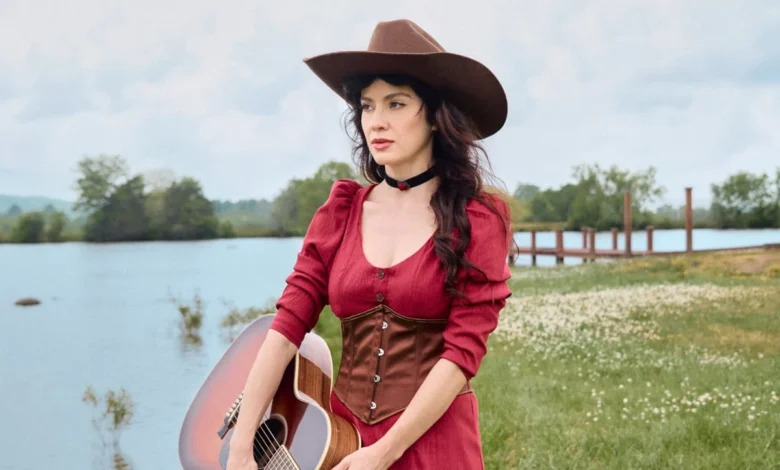
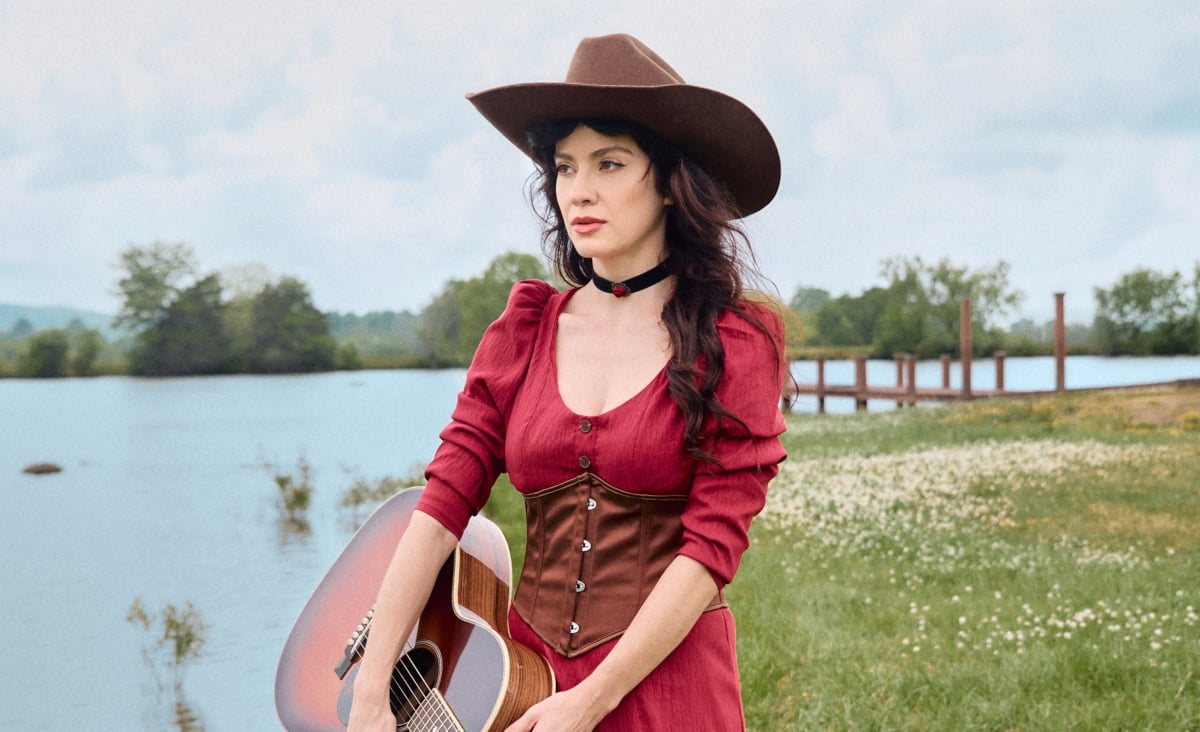
The release of Country Desire, the bold and unapologetic debut album by singer-songwriter Alicia Blue, marks a significant turning point in the landscape of contemporary outlaw country music. Produced by acclaimed musician and studio architect Shooter Jennings, the record arrives after years of industry friction, personal resilience, and geographic reinvention. Distributed via Soundly Music, the ten-track project blends the gritty swagger of 1970s outlaw traditions with a sharply modern, unvarnished lyrical perspective. For Blue, Country Desire represents more than just a commercial introduction; it is the culmination of a decade-long struggle to find a foothold in a notoriously rigid music business that frequently sidelined her unique artistic vision.
The Genesis of a Partnership: From Early Demos to Shooter Jennings
The collaboration between Alicia Blue and Shooter Jennings began organically when Jennings stumbled upon a collection of early, rough demos recorded by the singer. Drawn immediately to her distinct phrasing, raw vocal timbre, and uncompromising lyricism, Jennings recognized an authenticity that is increasingly rare in mainstream commercial spaces. Without major label backing, corporate representation, or industry hand-outs, Blue had spent years navigating the circuit between South Texas, Southern California, and Middle Tennessee.
Jennings’ intervention proved vital. Impressed by her fearless approach to songwriting—which often eschews polite metaphors in favor of direct, visceral storytelling—he invited her into the studio with a simple directive: to capture her unfiltered sound. The resulting sessions yielded Country Desire, an album that establishes Blue as a formidable new voice in a subgenre that demands both technical prowess and emotional vulnerability.
Musical Architecture and Lyrical Themes
Musically, Country Desire operates at the intersection of classic honky-tonk and contemporary grit. Critics have drawn stylistic parallels to the swagger and independent ethos of artists such as Nikki Lane, Whitey Morgan, and Mike and the Moonpies. Anchored by heavy, two-tone basslines, half-time grooves, and structural nods to the legendary Waylon Jennings, the album’s sonic palette is both warmly nostalgic and bracingly fresh.
Lyrically, the album thrives on geographic and emotional tension. Having split her time between the vibrant counter-cultures of the American Southwest and the corporate music hubs of Tennessee, Blue uses location as an active character in her songs. Tracks like the opening single, "Run Me Ragged," immediately hook the listener with razor-sharp melody construction, while "Hungry Ghost" showcases her ability to hit the sweet spot of her expansive vocal range.
However, the emotional core of the record lies in its themes of perseverance and artistic integrity. In the track "Clean," Blue addresses her bruising battles with an industry that repeatedly failed to categorize or accommodate her. Meanwhile, "I Know What Doesn’t Fade" serves as a manifesto against passing musical fads, doubling down on her commitment to traditional roots music. The album closes with "Mama, I’m Writing," a poignant narrative capstone that reflects on the long, lonely road of artistic validation.
Navigating Familiar Influences and Critical Reception
While Country Desire has been widely praised for its high energy and emotional resonance, critical evaluations of the project have noted occasional moments of derivative songwriting. Reviewers have pointed out that tracks in the latter half of the record bear strong structural resemblances to established modern and classic country staples. For instance, the melody of "Please Don’t Call" shares distinct DNA with Tyler Childers’ "Whitehouse Road," while "Waitress Blues" leans heavily into vocal techniques reminiscent of Dolly Parton’s "Muleskinner Blues." Similarly, "Know What Doesn’t Fade" employs a lyrical repetition strategy reminiscent of Waylon Jennings’ "Waymore’s Blues."
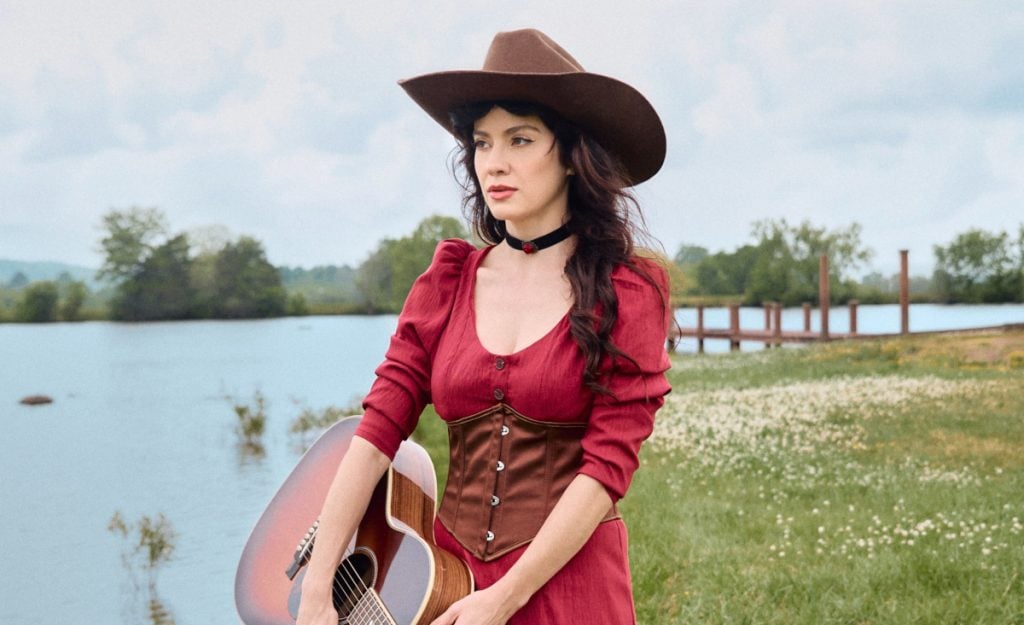
Despite these familiar touchstones, industry analysts emphasize that Blue’s execution remains entirely her own. Rather than sounding like calculated pastiche, the record reads as an artist paying homage to the foundational modes of the genre while injecting her personal history into the arrangements. Garnering an impressive 8.2 out of 10 rating from leading roots music publications, the album has positioned Blue as a vital new artist to watch.
Broader Implications for the Independent Country Landscape
The release of Country Desire highlights a broader, ongoing shift within the country music ecosystem. Over the past decade, independent artists operating outside the Nashville machine have increasingly bypassed traditional gatekeepers by leveraging digital distribution platforms and direct-to-fan marketing. Producers like Shooter Jennings have played a crucial role in this ecosystem, acting as champions for outsider talent who might otherwise be ignored by major label boardrooms.
Blue’s trajectory underscores the viability of a career built entirely on artistic autonomy. By refusing to soften her lyrical content or compromise her geographic identity, she has carved out a distinct lane within the modern outlaw country paradigm—currently classified under experimental frameworks like the Country Dewey Decimal System as Outlaw Country (#580).
As Country Desire continues to gain traction on streaming platforms and independent radio charts, its success serves as a validation of persistence. For Alicia Blue, the album is not merely a debut; it is a definitive statement that raw talent, coupled with uncompromising vision, can ultimately break through the industry’s highest walls.