The Intersection of Jazz and Visual Art: Rediscovering the Iconic Photography of Freddy Warren

Music and visual art have long existed in a symbiotic relationship, acting as dual mediums that articulate the human condition. From the painterly influences on the compositions of Claude Debussy to the structural improvisations of David Bowie, the synthesis of sound and sight remains a cornerstone of creative expression. Within the specific domain of jazz—a genre built upon spontaneous composition and individual interpretation—this dialogue is particularly pronounced. Saxophonist Steve Lacy famously utilized abstract expressionism as a conceptual framework for his musical output, while Branford Marsalis’s discography includes works directly inspired by the intricate, collage-heavy paintings of Romare Bearden. This historical precedent provides the essential context for the upcoming exhibition at the Rose Theatre in Kingston upon Thames, which features the long-lost, newly preserved photographic archive of Freddy Warren.
The Archive of a Jazz Historian
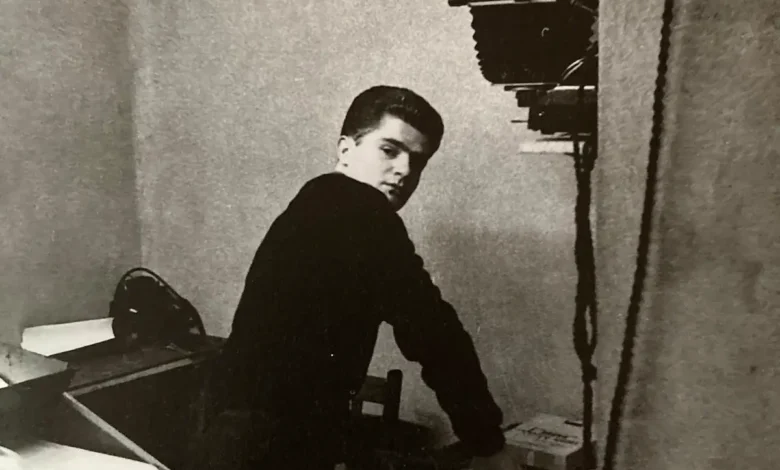
Freddy Warren, a devoted jazz enthusiast and photographer, operated within the vibrant heart of the London jazz scene during the 1950s and 1960s. During this era, Ronnie Scott’s Jazz Club—the epicenter of the British jazz movement—became a sanctuary for touring American legends. Warren’s lens captured these transient moments of genius, documenting the raw, unvarnished reality of artists like Miles Davis, Ella Fitzgerald, Thelonious Monk, and Duke Ellington.
Following his death in a residential fire in 2010, the survival of his archive was far from guaranteed. His nephew, Simon Whittle, undertook the monumental task of recovering thousands of negatives and prints from the debris. The subsequent preservation process has allowed these images to transition from personal keepsakes to historical artifacts, now featured in publications such as The Guardian and serving as definitive visual records for various jazz record sleeves. In 2019, the cultural significance of this collection was codified through the publication of a dedicated monograph, annotated by Whittle and historian Graham Marsh, which provided a comprehensive look at the 1959–1969 period at Ronnie Scott’s.
Chronology of a Cultural Treasure
The history of the Warren collection spans over six decades, moving from the smoky, subterranean environment of Soho clubs to the sterile, organized space of a gallery exhibition.

- 1950s–1960s: Freddy Warren actively documents the London jazz circuit, capturing candid and staged portraits of seminal musicians.
- 2010: A catastrophic house fire occurs, resulting in the death of Warren. Simon Whittle begins the recovery of thousands of damaged photographic items.
- 2019: The collection gains formal recognition with the publication of the book Ronnie Scott’s 1959–69: Photographs by Freddy Warren.
- 2023–2024: Institutional partnerships form to bring the images to a broader public, culminating in the upcoming exhibition at the Rose Theatre.
Anecdotal Evidence and Historical Significance
The narrative surrounding these photographs is bolstered by the personal recollections of Whittle, whose anecdotal history serves as a primary source for the human element behind the images. One notable account involves a young Whittle hosting Yusef Lateef at his uncle’s apartment in Euston. The casual, intimate nature of the encounter—the sharing of coffee and long-form conversation—illustrates the accessibility of jazz icons during this period. Such accounts humanize figures who are often mythologized, providing context for the candid nature of Warren’s photography.
Furthermore, the documentation of Miles Davis presents a unique case study in the intersection of personal relationships and artistic exchange. During a session with Davis, Warren’s wristwatch became a point of interest for the trumpeter, leading to an impromptu sale. This specific watch is now visible in the portrait of Davis selected for the exhibition’s promotional material, serving as a tangible connection between the photographer and his subject. These stories underscore the thesis that Warren was not merely a detached observer, but a participant in the social ecosystem of the jazz world.
The Rose Theatre Exhibition: A Synthesis of Mediums
The exhibition, running from November 16 to January 16, represents a strategic effort to recontextualize Warren’s work within the contemporary art landscape. By juxtaposing his archival photography with works from modern artists who draw inspiration from jazz, the exhibition aims to foster a dialogue between the historical record and contemporary interpretation.
For the organizers, the exhibition is a matter of archival duty. As one curator noted, the creation of art is merely the initial phase of the process; the subsequent institutionalization and public display of the work are essential to maintaining its cultural relevance. The Rose Theatre’s choice to highlight these works suggests an acknowledgment of jazz photography as a vital component of 20th-century art history.
Fact-Based Analysis of the Jazz Photography Market
The preservation of the Warren archive highlights a broader trend in the music industry: the increasing market value of historical photographic documentation. As the original generation of jazz legends passes, the demand for primary source material—photographs that capture the "in-the-moment" nature of jazz—has surged. These images provide researchers and historians with metadata regarding stage setups, instrument specifications, and social interactions that were rarely documented in other formats.
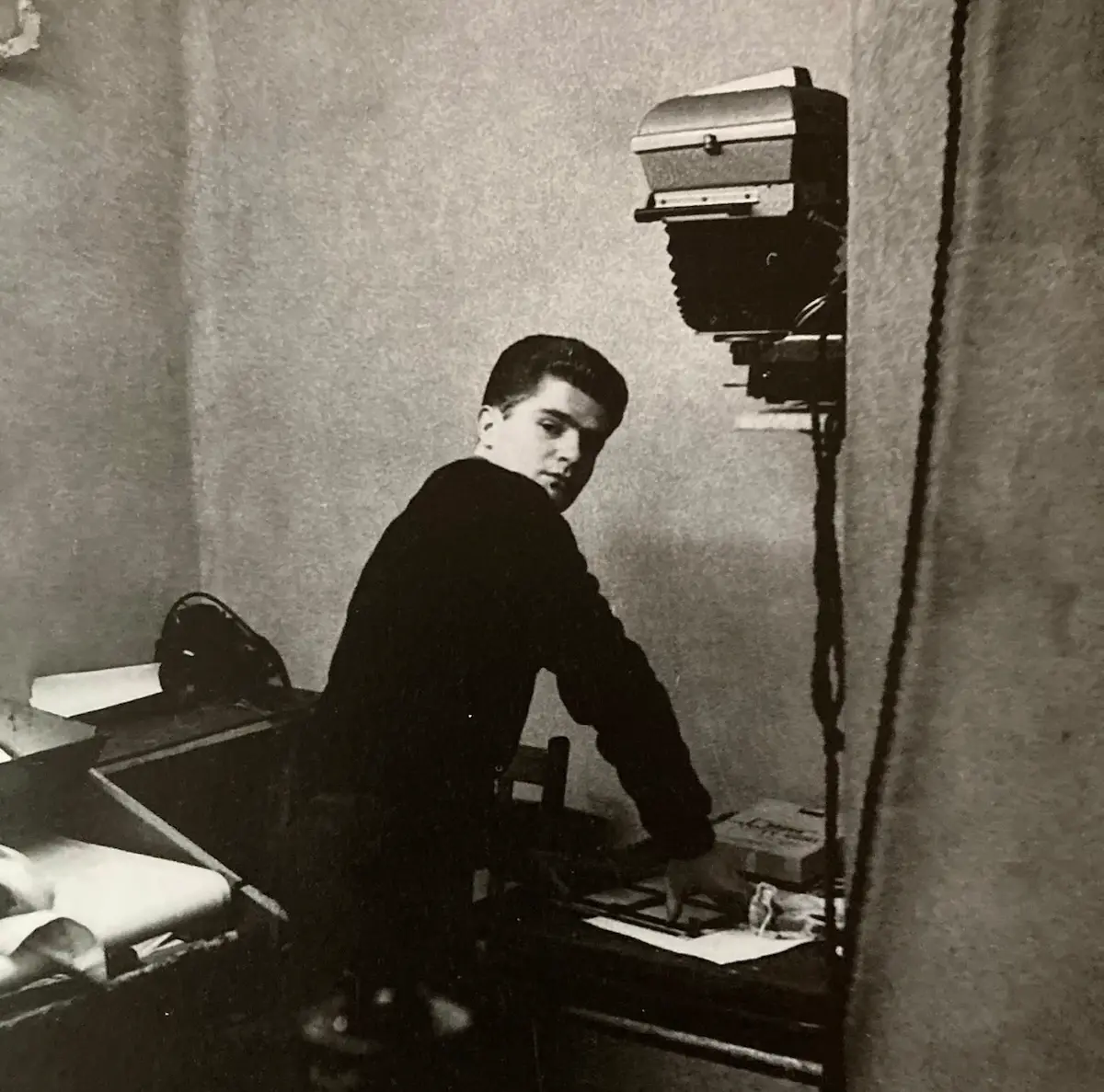
Furthermore, the digitization and curation of such archives have direct implications for academic study. The Warren collection serves as a secondary source for musicologists studying the migration of American jazz musicians to Europe in the mid-20th century. The visual evidence provided by these photographs allows for a more nuanced understanding of the professional and social mobility of these artists.
Institutional Response and Public Access
The collaboration between the Whittle estate and the Rose Theatre signals a shift toward more inclusive curatorial practices, where local history and personal archives are granted the same platform as mainstream contemporary art. By placing these images in a public-facing venue in Kingston upon Thames, the organizers ensure that the collection remains accessible to both jazz enthusiasts and the general public.
The exhibition is open to the public during the following hours:
- Location: Rose Theatre, 24–26 High Street, Kingston upon Thames, KT1 1HL.
- Operating Hours: 10:00 to 15:00.
- Digital Resources: Further information regarding the archive and the exhibition schedule can be found at the official venue website, rosetheatre.org.
Conclusion: The Lasting Impact of the Lens
The story of Freddy Warren is one of resilience and restoration. It serves as a reminder that the history of music is not solely defined by the recorded audio, but by the visual evidence of the moments in which that music was created. As contemporary artists continue to draw inspiration from the jazz canon, the work of photographers like Warren will remain essential. They provide the "food for the soul" mentioned by observers of the genre—the tangible, visible manifestation of an art form that, by its very definition, is designed to vanish into thin air the moment it is performed. Through the efforts of Simon Whittle and the current exhibition, these moments have been frozen, preserved, and effectively returned to the public consciousness.
The upcoming exhibition serves as more than just a display of vintage prints; it is an assertion that the cultural history of the 20th century is fragile and requires active participation from the public and the arts community to survive. With the collection now permanently established at Ronnie Scott’s and curated in public spaces, the legacy of Freddy Warren is likely to influence both visual artists and music historians for decades to come. The synthesis of his candid, high-contrast black-and-white work with the contemporary reflections on display at the Rose Theatre promises to offer a comprehensive look at the enduring power of the jazz spirit.