Bracknell Jazz Festival: A Retrospective Analysis of a Weekend Defined by Sonic Innovation and Crossover Ambition

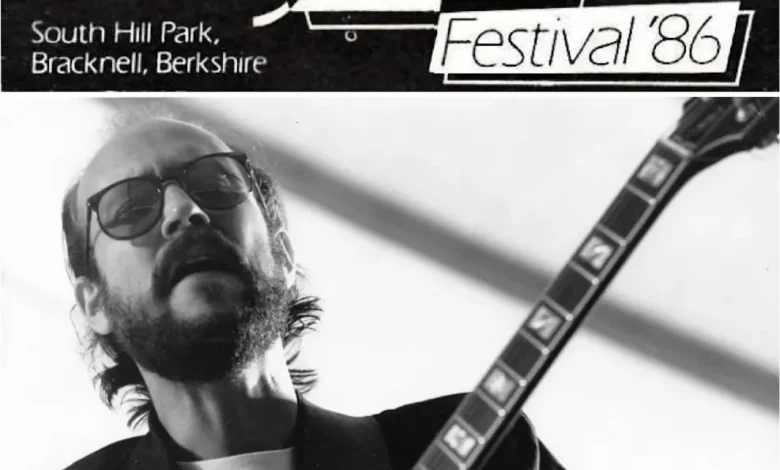
The Bracknell Jazz Festival, a cornerstone of the British contemporary music calendar, concluded its latest iteration this past weekend, leaving a complex legacy of high-intensity fusion, avant-garde exploration, and star-studded collaborations. Held in the picturesque setting of Bracknell, the event served as a critical platform for both internationally renowned icons and the rising vanguard of the UK jazz scene. Sponsored by Red Stripe, the festival once again proved that the genre remains a fluid, often contentious, but undeniably vital force in modern culture, bridging the gap between traditional bop and the experimental frontiers of the 1980s.
Friday: The Big Band Spectacle and Initial Tensions
The festival opened on Friday evening with a deliberate focus on the marquee stage. The proceedings began with a performance by the vocalist Carmel, whose crossover-oriented set failed to capture the full attention of a crowd that had clearly gathered with anticipation for the main event: the Charlie Watts Big Band.
The Charlie Watts Big Band, a massive 34-piece ensemble, arrived as a testament to the organizational ambition of the Rolling Stones drummer. Despite the inherent logistical challenges of assembling such a large group with limited rehearsal time, the ensemble delivered a performance characterized by raw power and a surprising degree of technical cohesion. The section, anchored by a formidable percussion trio—Charlie Watts, John Stevens, and Bill Eyden—served as a masterclass in ensemble management.
The repertoire leaned heavily into big band standards, with "Skyliner" serving as a high-octane opener. Throughout the set, the band demonstrated the strength of the British jazz collective, with individual spotlights given to luminaries such as Danny Moss, whose tenor saxophone work recalled the grand tradition of the instrument’s giants, and Bobby Wellins, who offered a nuanced, meditative reading of "Midnight Sun." The trumpet section, led by Dave DeFries, displayed remarkable dexterity, while Gail Dorsey’s vocal performance on "Spring Can Really Hang You Up The Most" provided a necessary moment of emotional clarity. While the finale, "Flying Home," felt somewhat anticlimactic, the consensus among attendees was that the project was a success of vision, showcasing the unique collaborative spirit of the era by placing titans like Courtney Pine, Evan Parker, and Bobby Wellins within a single section.
Saturday: The Intersection of Tradition and Subversion
Saturday morning transitioned the festival from the tented marquee to the more intimate, acoustically focused Wilde Theatre. The atmosphere was bolstered by the "nocturnal binges" that occurred late into the Friday and Saturday nights, a nod to the historical roots of jazz in smoke-filled, subterranean environments.
The afternoon schedule was marked by an eclectic mix of modern sensibilities. The Iain Ballamy Quartet, featuring the inventive Django Bates on keyboards and Steve Arguelles on percussion, pushed the boundaries of modern jazz with compositions like "Rats on Stilts," which challenged the audience’s perception of melodic structure. In contrast, the guitar duo of Gary Boyle and John Etheridge offered a more disciplined approach to bop and fusion standards, providing a rhythmic bridge to the afternoon’s later performances.
The arrival of Lol Coxhill and the "Standard Conversions" group served as a necessary reminder of jazz’s capacity for self-parody. By deconstructing familiar material, the ensemble engaged in the quintessential jazz practice of distorting the established canon to find new, often subversive, meanings. This intellectual rigor was matched by John Stevens’s "Freebop" ensemble, which provided a stark, high-energy contrast to the more melodic sets. The highlight of this segment was the improvisational "dogfight" between the veteran free-jazz saxophonist Evan Parker and the meteoric Courtney Pine, a symbolic clash that signaled the passing of the torch within the British scene.
The evening reached a fever pitch with the John Scofield Band. Eschewing showmanship for raw intensity, Scofield’s performance—largely drawn from his then-current album Still Warm—blended rock, funk, and bebop into a seamless, high-pressure set. The closing a cappella rendition of "Georgia" stood as a masterclass in dynamic control, leaving little doubt as to why Scofield remains a pivotal figure in modern fusion. Conversely, the commission featuring Loose Tubes, while technically proficient, struggled to maintain the momentum established by Scofield, suggesting that the group’s established zaniness may have reached a point of diminishing returns.
Sunday: The Search for Emotional Resonance
The final day of the festival prioritized depth over spectacle. The Bristol-based eleven-piece band "Bullitt" opened the morning, but the day’s true discovery was the quartet Forward Motion. Saxophonist Tommy Smith, channeling the vigorous, hard-driving spirit of John Coltrane, provided an early afternoon wake-up call that many critics noted deserved a prime-time slot. Smith’s maturity and willingness to attack his material with intensity signaled the emergence of a significant new talent.
The afternoon session in the Wilde Theatre featured a standout performance by a quartet led by trumpeter Bobby Bradford and reed player Frode Gjerstad. Supported by the rhythmic reliability of Johnny Dyani and John Stevens, the group delivered a set of immaculate, inventively composed free-jazz that stood in contrast to the slightly underwhelming nature of the Randy Brecker/Eliane Elias Group, which closed the main stage.
The Brecker/Elias set, while polished and technically proficient, was characterized by a "safe" approach to fusion. Critics observed that the performance lacked the improvisational risk-taking necessary to elevate it beyond the studio sound, leading to a noticeable drift in audience engagement before the final note was struck.
Broader Impact and Industry Analysis
The 1986 Bracknell Jazz Festival functioned as a diagnostic of the British jazz scene’s current state. The presence of international headliners like John Scofield and the Randy Brecker/Eliane Elias Group highlights the festival’s commitment to maintaining a global dialogue, while the dominance of homegrown talent—from the Charlie Watts Big Band to the experimentalism of Iain Ballamy—underscores a robust domestic infrastructure.
The festival’s reliance on "crossover" acts, as seen with Carmel on Friday, reflects a broader industry trend of attempting to broaden jazz’s appeal to a wider, perhaps more commercially viable audience. However, the varying success of these attempts suggests that the festival audience remains highly discerning, prioritizing authentic intensity over stylistic accessibility.
Furthermore, the logistical success of projects like the Charlie Watts Big Band, despite the inherent risks of assembling disparate musicians, indicates a growing trend toward large-scale collaborative projects in the UK. These ventures, while difficult to sustain due to rehearsal constraints, offer a unique value proposition that cannot be replicated in studio settings.
The event was capably presided over by Lol Coxhill, whose role as master of ceremonies, musician, and provocateur provided a necessary thread of continuity throughout the weekend. His ability to oscillate between comedic relief and profound musical contribution cemented his status as the unofficial curator of the Bracknell spirit.
As the festival moves into its next cycle, the organizers face the challenge of balancing the desire for commercial growth with the need to maintain the "subterranean" and experimental integrity that defines its reputation. If this weekend is any indicator, the future of the Bracknell Jazz Festival lies in its ability to continue fostering these high-stakes collisions between the old guard of bop and the new, restless generation of fusion and free-jazz practitioners. The weekend was, by all metrics, a triumph of curation, providing a snapshot of a vibrant, evolving art form that refuses to be constrained by genre labels or traditional expectations.