Bullet For My Valentine, the Welsh heavy metal juggernaut that emerged from the post-hardcore explosion of the early 2000s, have secured their status as a cornerstone of the modern metal landscape. Over the course of a career spanning more than two decades, the band—led by frontman Matt Tuck and lead guitarist Michael “Padge” Paget—has transitioned from underground metalcore darlings to international arena-fillers. By effectively bridging the gap between the classic NWOBHM (New Wave of British Heavy Metal) influence of acts like Iron Maiden and the contemporary, radio-friendly sensibilities of 21st-century rock, the band has influenced an entire generation of heavy music artists.
This evolution is perhaps best exemplified by the creative pivot undertaken during the recording of their 2018 studio album, Gravity. While the band built their reputation on the back of technical proficiency and high-octane riffing, the recording process for their sixth LP represented a strategic shift in their approach to songwriting and production.
A Departure from Technical Complexity
The creative philosophy behind Gravity was defined by a deliberate stripping back of excess. In a landscape often dominated by "wall-of-sound" production techniques and dense, multi-tracked guitar arrangements, Bullet For My Valentine chose a more minimalist, foundation-first methodology.
Matt Tuck noted that by 2018, the band felt they had "done to death" the hallmark technicality—the blistering solos and complex, layered riffs—that defined their early output, such as their 2005 breakout, The Poison. For the band, the recording process for Gravity became an exercise in restraint. Rather than viewing the studio as a laboratory for infinite layering, they focused on clarity, opting for a straightforward guitar approach: one track panned left and one track panned right.
This decision to forgo the traditional "quad-tracking" of guitars—a technique where four layers of the same part are recorded to create an artificial sense of density—marked a departure from their previous records. Interestingly, the band found that this approach often resulted in a "bigger" sound, echoing a sentiment shared by many producers who argue that excessive layering can lead to phase cancellation and a muddy frequency response. By simplifying the arrangement, the individual character of each guitar tone was allowed to breathe within the mix, prioritizing the song’s emotional resonance over sheer sonic density.
The Evolution of the Bullet For My Valentine Sound
To understand the significance of this shift, one must look at the band’s chronological progression. Emerging from Bridgend, Wales, in 1998, the band—originally known as Jeff Killed John—rebranded as Bullet For My Valentine in 2003. Their debut EP (2004) and subsequent full-length, The Poison (2005), were foundational texts for the mid-2000s metalcore movement.
The technical complexity of those early years was a reaction to the metal landscape of the time, where proficiency was a primary currency. However, as the industry shifted toward more streamlined production, so too did the band’s songwriting. Their third album, Fever (2010), served as a transitional point where they began to refine their melodic hooks. By the time they reached Temper Temper (2013), the band was already experimenting with the "less is more" approach to guitar layering. Gravity, therefore, was not a sudden departure but the culmination of a decade-long refinement process.
The Chemistry of the Long-Standing Duo
At the heart of the band’s longevity are Matt Tuck and Michael “Padge” Paget, the two remaining original members. Their partnership is often described as a study in "yin and yang." In the modern music industry, where band turnover is high, the stability of the Tuck-Paget dynamic has been essential to the group’s consistency.
In discussions regarding their working relationship, Paget emphasized the importance of non-verbal communication and the "tightness" that comes from two decades of shared experience. Their recent collaborative projects, including stripped-back guitar playthroughs, highlight a telepathic ability to lock in rhythmically. This chemistry is crucial; in a live setting, the synergy between a rhythm guitarist and a lead guitarist dictates the perceived energy of the performance. Their ability to minimize individual ego in favor of the song’s structural requirements has allowed them to navigate the challenges of evolving from a niche metal act to a band with broad mainstream appeal.
The Legacy of Tone: An Analysis of Influence
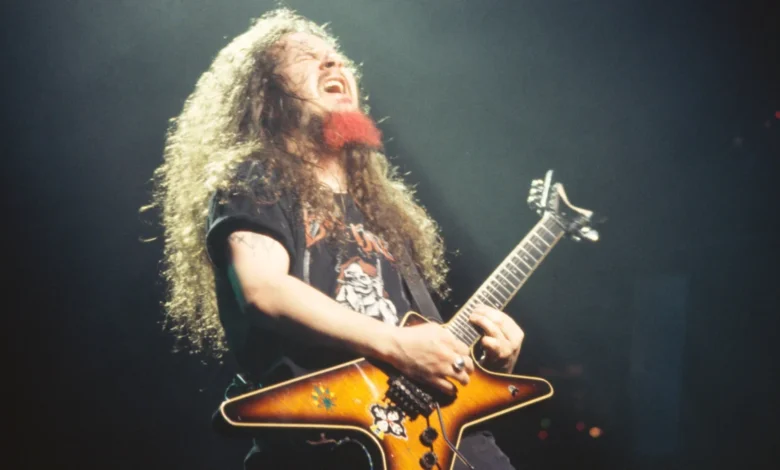
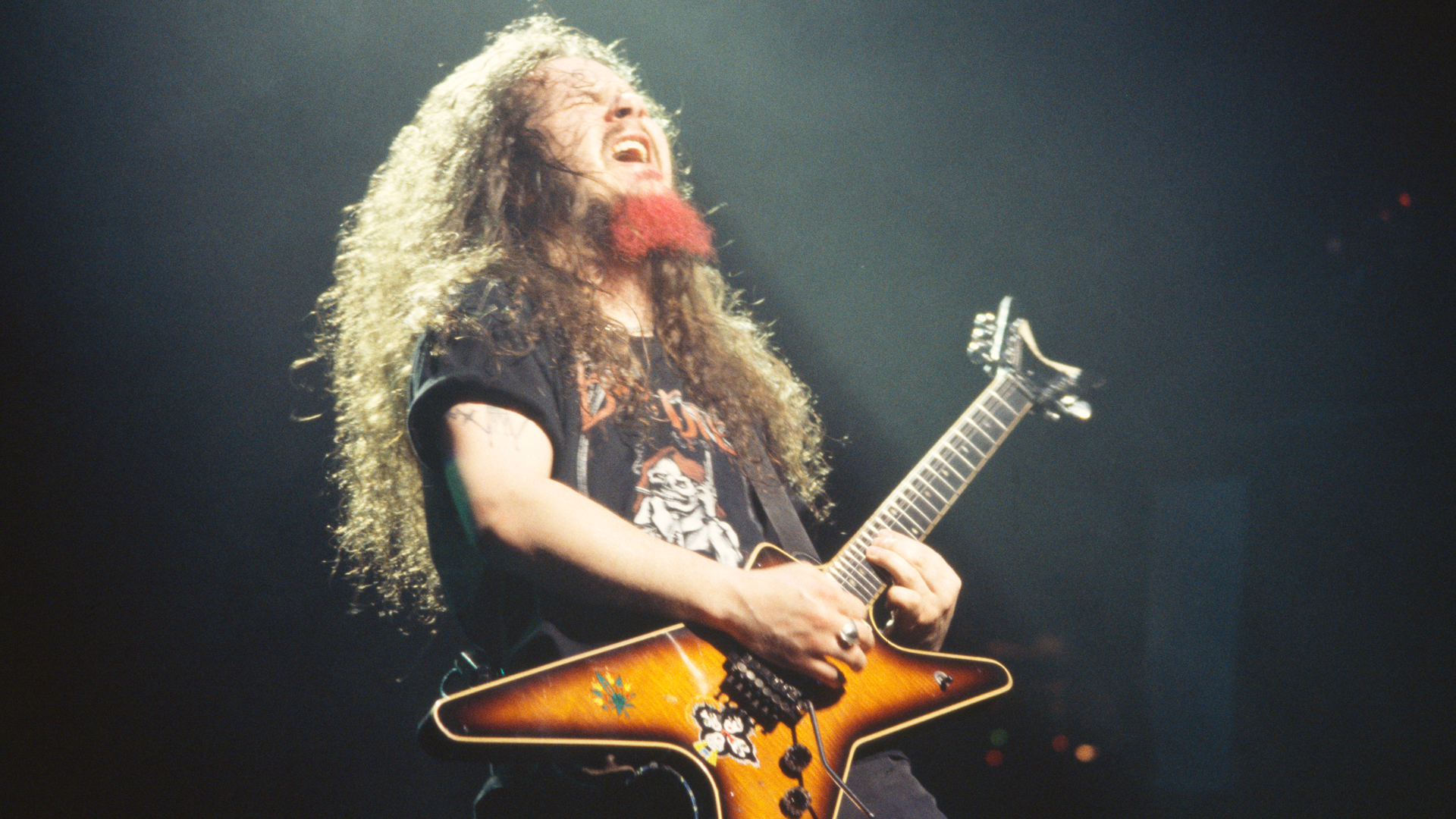
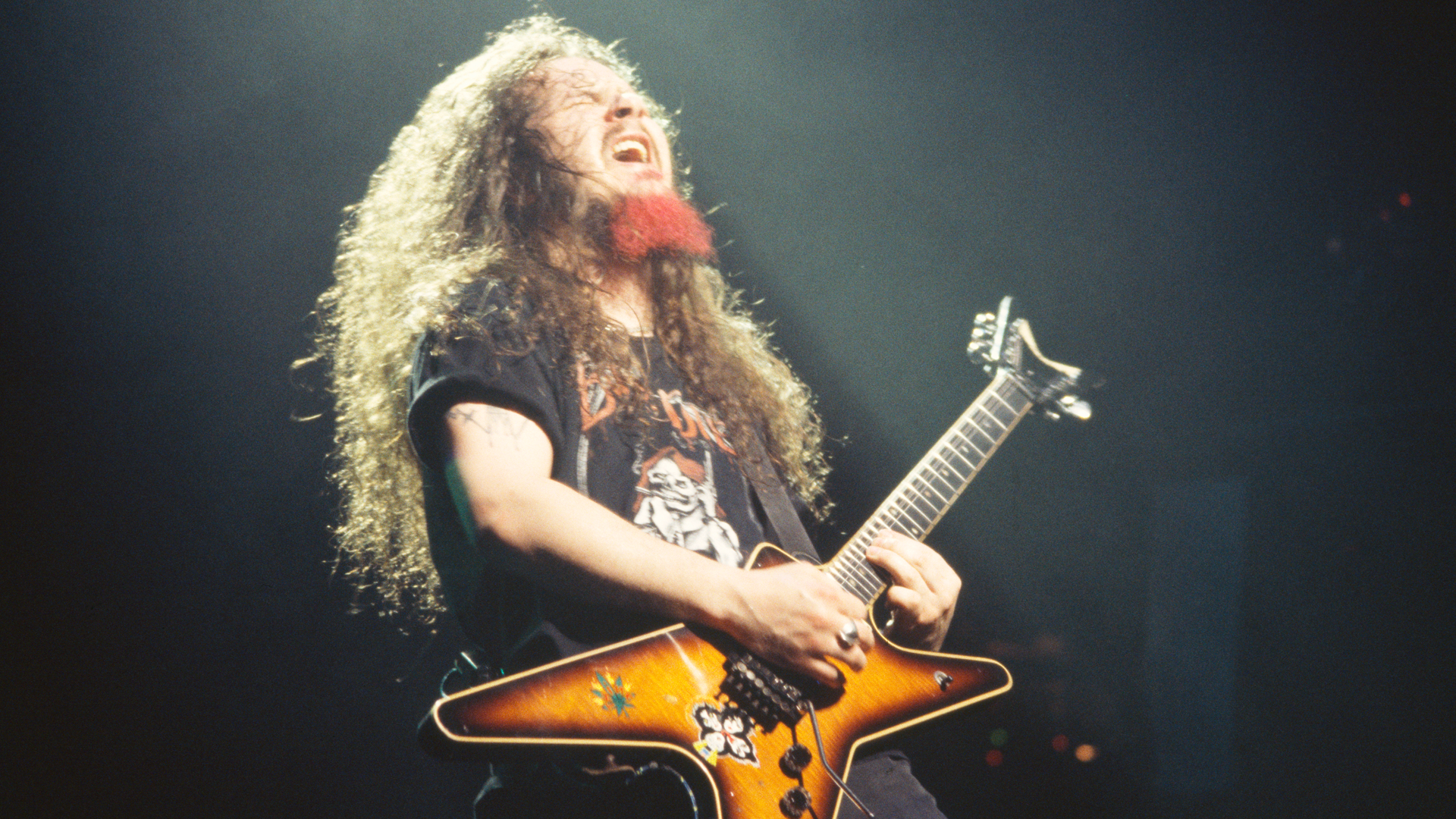
During a retrospective discussion on the history of guitar production, Matt Tuck identified the tone of the late Pantera legend, Dimebag Darrell, as the ultimate "holy grail" of heavy metal guitar. Specifically, he pointed to the 1992 album Vulgar Display of Power as a pinnacle of guitar production.
This observation is historically significant for several reasons. Dimebag Darrell’s sound was famously idiosyncratic, defined by a "scooped" EQ (lowering the midrange frequencies) and an aggressive, biting high end that defied the conventional wisdom of guitar recording at the time. Tuck’s admiration for this tone highlights a crucial lesson in music production: tone is rarely just about the gear. As Tuck noted, "You could give someone else his guitar through his amp and it would sound like dogshit—a lot of it was in the hands."

This concept—the primacy of "identity" over technical equipment—is a recurring theme in music history. It suggests that while production techniques like layering and processing have their place, the fundamental quality of a sound originates with the performer’s touch, phrasing, and attack.
Implications for the Future of Metal
The transition from the technical, riff-heavy metalcore of the early 2000s to the more melodic, song-focused approach of modern acts like Bullet For My Valentine reflects broader industry trends. With the rise of digital audio workstations (DAWs) and the democratization of home recording, the barriers to entry for creating "technically perfect" music have lowered significantly. Consequently, the value of a recording has shifted toward songwriting and individual identity.
For Bullet For My Valentine, the move toward a more "foundation-based" sound on albums like Gravity was a survival strategy. It allowed them to remain relevant in a market that favors accessibility without alienating the fanbase that grew up on their more aggressive material.
As the band continues to tour and record, their legacy is defined by their adaptability. By balancing the technical demands of the metal genre with the commercial necessity of strong, relatable songwriting, they have provided a blueprint for how legacy acts can maintain longevity in an ever-shifting musical climate. The "magic" they describe—that moment when two musicians find a perfect, locked-in frequency—remains the true measure of their success. Whether through the crushing, scooped tones of a Pantera record or the refined, punchy production of their own recent work, the band remains committed to the principle that in music, the song must always take precedence over the ego.