Deals of the Week: Exceptional Hardware Offers from Arturia, Zoom, and PreSonus Feature Prominent Gear Discounts

The consumer electronics and audio hardware markets are experiencing a significant shift as retailers and manufacturers roll out targeted promotional campaigns ahead of the upcoming holiday shopping season. For home studio owners, electronic music producers, and content creators, this period represents an optimal opportunity to upgrade signal processing, monitoring environments, and sound generation tools. In this week’s roundup of gear discounts, prominent industry mainstays Arturia, Zoom, and PreSonus have introduced notable price reductions on some of their most sought-after products. These discounts range from synthesizer engines designed for hybrid workflows to portable digital mixers and high-end clearance studio monitors, providing musicians and audio engineers with accessible pathways to expand their production capabilities without incurring prohibitive costs.
Main Facts and Current Market Landscape
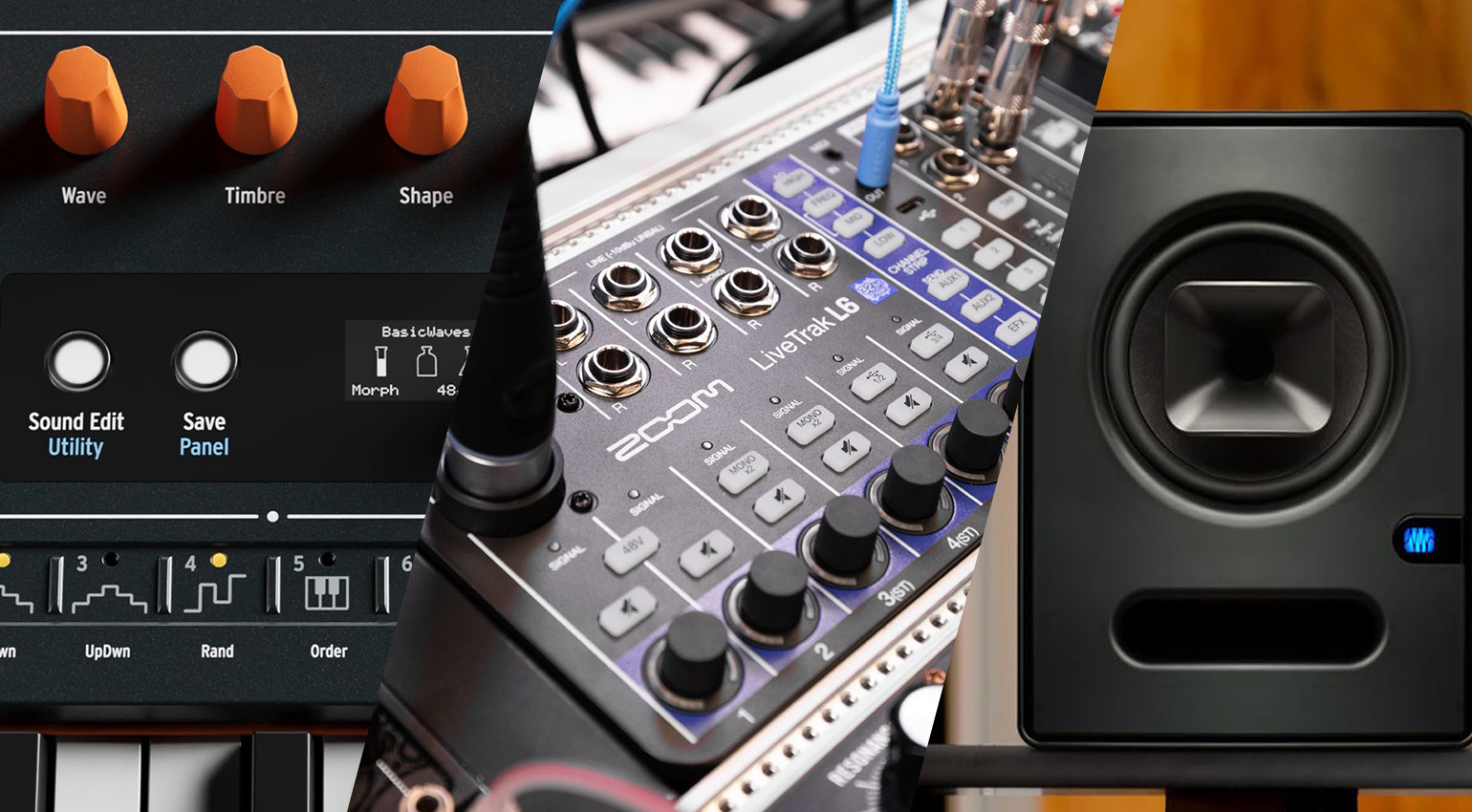
As project studios increasingly demand compact yet powerful hardware that can bridge the gap between software integration and standalone performance, manufacturers have responded by packing advanced digital processing into smaller form factors. The current promotional landscape highlights this trend directly. Arturia has implemented a 10% discount on its hybrid polyphonic synthesizer, the MiniFreak, making its algorithmic sound engines more accessible to independent producers. Concurrently, Zoom’s highly versatile LiveTrak L6 continues to capture market share as a portable digital mixer and multi-channel audio interface tailored for mobile creators and modular synth enthusiasts alike. Meanwhile, PreSonus has initiated a deep clearance sale, offering up to 50% off its discontinued Sceptre series studio monitors, giving budget-conscious engineers access to premium coaxial monitoring technology that was previously out of reach for many home-studio budgets.
Chronology and Product Evolution
The journey of these three hardware items reflects the broader evolution of modern music production technology over the past decade. The underlying concepts driving the Arturia MiniFreak trace their lineage back to the release of the original MicroFreak in 2019, which disrupted the entry-level synthesizer market with its unconventional PCB keyboard and diverse digital oscillator models developed in collaboration with Mutable Instruments and Noise Engineering. When Arturia introduced the MiniFreak, it addressed user demand for polyphony, traditional keys, and physical analog filters, cementing a new standard for affordable, hybrid sound design.
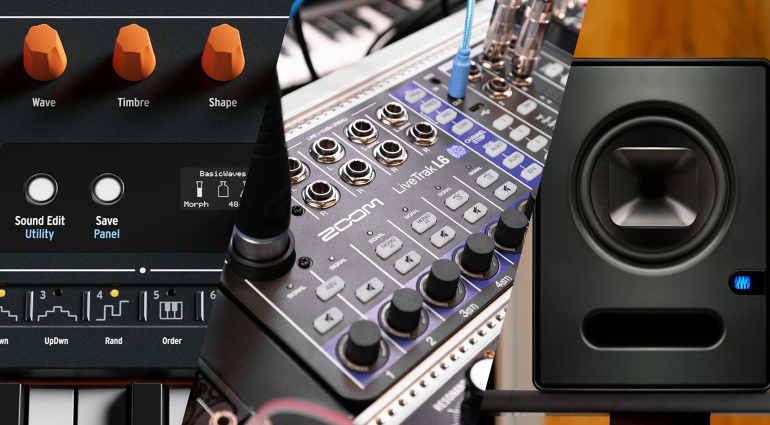
Similarly, Zoom’s expansion into the digital mixing space with the LiveTrak series represents a calculated pivot from their historical dominance in field recording. The LiveTrak L6 builds upon the architecture of earlier, larger multi-track live mixers, shrinking the footprint to accommodate modern desktop workflows, mobile streaming setups, and Eurorack modular configurations. On the monitoring front, the PreSonus Sceptre series established its reputation following its initial market introduction in the mid-2010s. Developed in partnership with Fulcrum Acoustic and acoustician Dave Gunness, the Sceptre monitors introduced complex temporal equalization algorithms to the mid-tier monitor market. Their recent discontinuation marks the end of an era for this specific line of coaxial monitors, prompting the current clearance event as distributors clear remaining warehouse inventory.
Supporting Data and Technical Specifications
A closer examination of the discounted hardware reveals the robust technical specifications that justify their standing in the professional and semi-professional audio community:
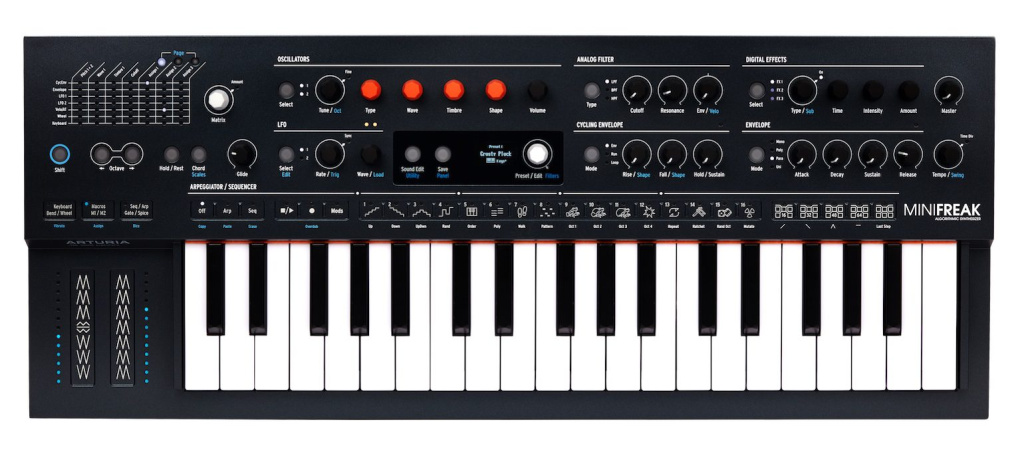
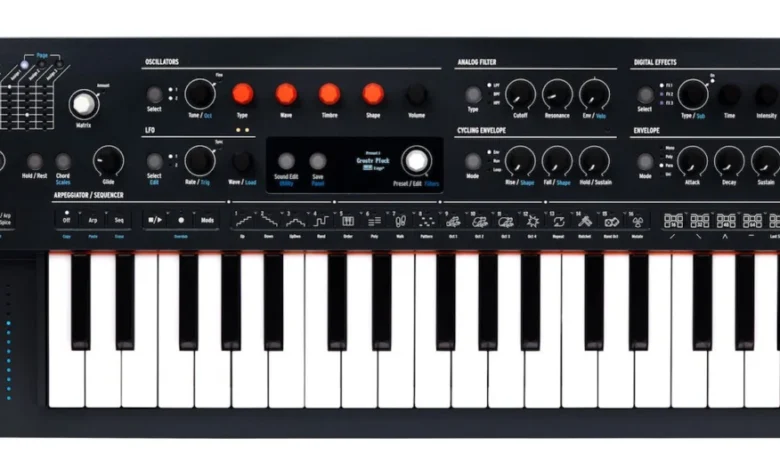
- Arturia MiniFreak: A 6-voice polyphonic, single-layer hybrid synthesizer featuring over 30 oscillator modes—including Virtual Analog, FM, Granular, and Additive engines. It incorporates an analog state-variable filter, a 7×13 modulation matrix with polyphonic aftertouch (on the 37-key hardware version), and a three-slot multi-effects section containing 13 distinct algorithms such as a vocoder, chorus, and spatial delays.
- Zoom LiveTrak L6: A 10-channel digital mixer and 12×4 USB audio interface capable of recording up to 12 discrete tracks directly to a microSD card. It features 3-band EQs, two auxiliary sends, built-in reverb and delay effects, and can be powered via USB power banks or four AA batteries. Its housing is physically compatible with Eurorack modular enclosures, and it features 3.5mm MIDI I/O alongside four programmable soundpads for live streaming applications.
- PreSonus Sceptre Studio Monitors (S6 and S8): Coaxial two-way studio monitors utilizing Fulcrum Acoustic TQ Temporal Equalization algorithms powered by dual-core 32-bit, 96 kHz DSP engines with Finite Impulse Response (FIR) filters. Both models feature 180W Class-D amplification, customizable Acoustic Space boundary filters, high-frequency contour controls, and high-pass filters designed for seamless integration with external subwoofers.
Industry Context and Strategic Implications
The timing of these promotional offers is strategically aligned with the annual retail cycle, but it also reflects deeper economic and logistical realities within the pro-audio manufacturing sector. As supply chain stabilization allows manufacturers to better manage inventory levels, clearance events for discontinued lines—such as the PreSonus Sceptre monitors—allow companies to free up warehouse space for next-generation products. Simultaneously, evergreen instruments like the MiniFreak benefit from periodic promotional discounting to capture market share among holiday shoppers and students entering the production space.
Industry analysts note that price adjustments on hardware capable of serving multiple functions—such as the Zoom LiveTrak L6 acting simultaneously as a live mixer, field recorder, audio interface, and modular gear companion—tend to stimulate significant consumer demand. In a market saturated with software plugins, hardware that offers tactile control, portability, and standalone recording capabilities retains a distinct value proposition. By lowering the financial barrier to entry for professional-grade monitoring and sophisticated synthesis, these promotions help bridge the gap between hobbyist setups and commercial-grade acoustic environments.

Broader Economic Impact on Home Studios
The broader economic implications of these targeted discounts point toward a democratization of high-end audio production tools. Historically, technologies such as coaxial time-aligned monitoring and complex algorithmic synthesis engines were restricted to high-end commercial recording studios with substantial capital expenditure budgets. Through engineering miniaturization and competitive retail positioning, manufacturers have successfully migrated these technologies into price brackets accessible to independent bedroom producers and traveling content creators.
As consumer interest in live streaming, podcasting, and mobile music production continues to expand post-pandemic, hardware manufacturers must continuously innovate while offering aggressive pricing incentives to maintain brand loyalty. The inclusion of products featuring cross-platform compatibility (such as the LiveTrak L6 working seamlessly across macOS, Windows, iOS, and Android) underscores the industry’s commitment to flexible, platform-agnostic workflows. Ultimately, these weekly deals serve as a barometer for the health of the audio technology sector, indicating robust competition and a healthy supply of innovative tools designed to meet the evolving demands of modern creators.