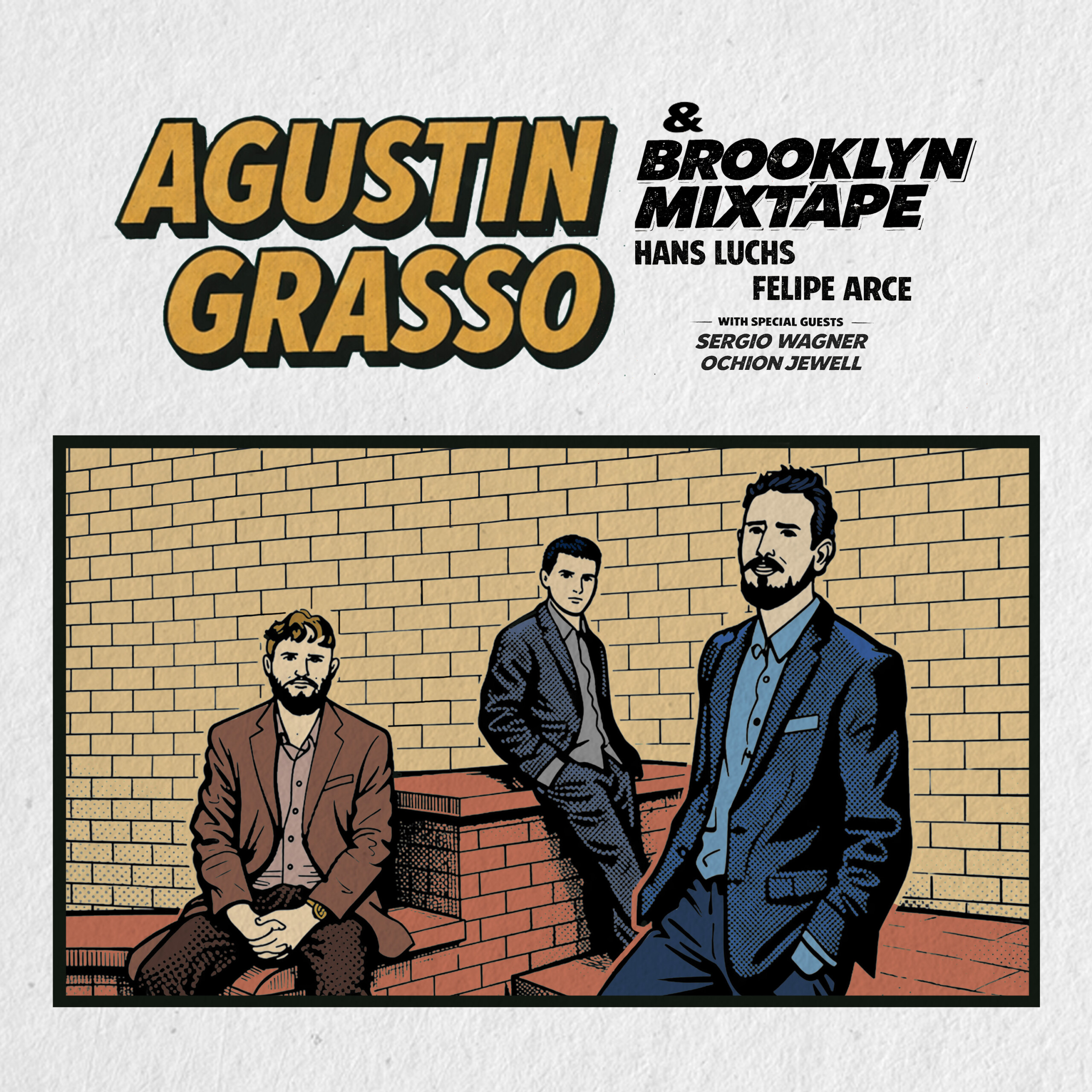
The mixtape, once a cultural shorthand for intimacy and personal curation in the analog era, has found a sophisticated new vessel in the form of the latest project from Argentinian-born musician Agustin Grasso. Titled Brooklyn Mixtape, this self-titled release is not merely a collection of tracks but a carefully constructed sonic narrative that bridges the gap between deep-cut jazz standards and contemporary pop sensibilities. By recontextualizing compositions by Steve Swallow, Kenny Dorham, and Billy Strayhorn alongside the works of The Beatles and Sting, Grasso and his ensemble—guitarist Hans Luchs and bassist Felipe Arce—have created an album that serves as both a retrospective of jazz history and a forward-looking exploration of harmonic depth.
The Genesis of a Collaborative Vision
The project represents a culmination of years of professional synergy between Grasso, Luchs, and Arce. Having solidified their chemistry as a working trio through extensive performances across the New York jazz circuit and wider North American venues, the ensemble approaches Brooklyn Mixtape with a level of cohesion rarely seen in debut or early-career recordings. The collaborative process was foundational; rather than Grasso acting as a sole auteur, the arrangements were developed in partnership with Luchs and Arce. This democratic approach to the music’s architecture allows each instrument to breathe, creating a soundscape defined by nuance rather than virtuosity for its own sake.
The group’s philosophy centers on the concept of "interiority," a term often used by critics to describe music that prioritizes emotional complexity and subtle texture over volume or bravado. This is particularly evident in the trio’s rhythm section. Arce’s brooding, deliberate bass lines provide a foundational weight that allows Grasso’s drumming—characterized by shimmering, precise cymbal work—to act as the coloristic element of the music.
Musical Analysis: From Sting to Strayhorn
The album’s opening track, an interpretation of Sting’s "If I Ever Lose My Faith in You," serves as the perfect litmus test for the ensemble’s vision. Featuring tenor saxophonist Ochion Jewell, the track immediately establishes the album’s tonal palette. Luchs’ angular guitar work is the primary mood-setter, establishing a stark, modern atmosphere before Jewell introduces the familiar melody.
The arrangement is a masterclass in tension and release. Jewell’s delivery is melancholic and restrained, mirroring the lyrical themes of the original composition. However, the track avoids the trap of becoming a stagnant ballad. As the piece progresses, Luchs moves from supportive comping to a sprawling, intricate solo that shifts the track’s intensity. The interplay between Jewell’s tenor and the rhythm section is fluid; the group navigates the transition from tender moments to an aggressive, high-energy climax with the kind of telepathic communication expected of long-term collaborators.
The inclusion of standards like Kenny Dorham’s "Lotus Blossom" and Steve Swallow’s "Eiderdown" demonstrates the ensemble’s commitment to the jazz canon. By placing these pieces alongside pop-adjacent tracks, Grasso challenges the listener to view "genre" as a porous concept. The focus remains constant: the exploration of melody and the application of complex, often unexpected, harmonic choices.
The Role of Guest Collaborators
While the core trio forms the album’s bedrock, the contribution of guest artists elevates the project into a more diverse sonic experience. Ochion Jewell appears on three tracks, providing a tonal contrast to the trio’s tight, self-contained style. His saxophone work serves as an essential counterpoint to Luchs’ guitar, allowing the group to expand its melodic range.
Similarly, the inclusion of trumpet player Sergio Wagner provides further breadth to the ensemble’s sound. The decision to rotate guests rather than maintaining a static lineup speaks to Grasso’s desire to keep the "mixtape" theme alive—a collection of different voices and perspectives brought together under a singular, cohesive aesthetic. Each guest is not merely a soloist but an integral part of the arrangement, reinforcing the ensemble’s commitment to the ensemble-first philosophy.
The Evolution of the Jazz Trio
The jazz piano-less trio—or in this case, the guitar-bass-drums format—has a storied history, popularized by legends such as the Jimmy Giuffre 3 and later expanded by contemporary innovators. By adopting this format, Grasso removes the harmonic "safety net" of a piano, placing greater responsibility on the guitarist to provide both rhythm and color.
Hans Luchs rises to this challenge by utilizing an angular, precise tone that prevents the music from becoming overly smooth or background-oriented. His comping is rhythmic and percussive, which frees Grasso to explore the drum kit as a melodic instrument. This structural choice is a defining factor in the "Brooklyn" sound, reflecting the city’s reputation for fostering music that is gritty, intellectual, and deeply engaged with tradition while remaining distinctly modern.
Broader Implications for the Genre
The release of Brooklyn Mixtape occurs during a significant moment for the New York jazz scene. As the industry grapples with the shift toward digital-first consumption and the fragmentation of audiences, projects like Grasso’s offer a compelling argument for the enduring relevance of the "album" as a unified piece of art.
The mixtape format—the act of selecting, arranging, and sequencing—has been a cornerstone of music discovery for decades. By applying this logic to the jazz songbook, Grasso is tapping into a psychological need for curation. In an era of algorithmically generated playlists, the human touch involved in creating a curated listening experience is becoming a premium commodity.
Furthermore, the album highlights the importance of the "working band." In a climate where many recordings are made by ad-hoc ensembles assembled for specific sessions, the fact that Grasso, Luchs, and Arce have spent years developing their rapport is palpable in every measure. The music possesses a level of comfort and risk-taking that can only exist when musicians trust their collaborators to follow them into uncharted harmonic territory.
Looking Ahead
Agustin Grasso has successfully positioned himself as a thoughtful curator of his own artistic identity. Brooklyn Mixtape is a signal that his future output will likely continue to explore the intersections between high-art jazz and popular song. As the group continues to tour and refine these arrangements, the evolution of their sound will be a point of interest for both jazz traditionalists and those seeking a more experimental approach to classic compositions.
The album is not just a reflection of the past; it is a blueprint for how jazz musicians can engage with pop culture without sacrificing their integrity. By treating Sting and Strayhorn with the same level of harmonic rigor and creative respect, Grasso has opened the door for a wider audience to engage with complex, improvised music.
As listeners navigate the landscape of contemporary jazz, Brooklyn Mixtape stands out as a work of intentionality. It is a reminder that the most compelling music often comes from the most personal of impulses—the desire to share the songs that have shaped one’s own musical journey. For Grasso, the mixtape is not a relic of the past, but a living, breathing testament to the power of shared musical language in the 21st century.
Fact-Based Summary of the Release
- Primary Artists: Agustin Grasso (drums), Hans Luchs (guitar), Felipe Arce (bass).
- Guest Artists: Ochion Jewell (tenor sax), Sergio Wagner (trumpet).
- Core Philosophy: Emphasis on collaborative arrangement and the "interiority" of sound.
- Key Repertoire: A mix of jazz standards (Swallow, Dorham, Strayhorn) and pop-contemporary covers (The Beatles, Sting).
- Context: The album is a result of years of consistent performance cycles within the New York City jazz scene, establishing a high degree of musical intimacy.
This project serves as a clear indicator of the vitality of the current New York jazz scene. While the industry continues to evolve, the demand for high-quality, emotionally resonant music remains a constant. Through Brooklyn Mixtape, Agustin Grasso has successfully contributed a meaningful chapter to that ongoing story, proving that with the right collaborators and a clear vision, even the most familiar melodies can be transformed into something entirely new.