Detroit Deep House legend Rick Wade recovers from life-threatening health crisis as community calls for industry-wide reform on artist wellbeing

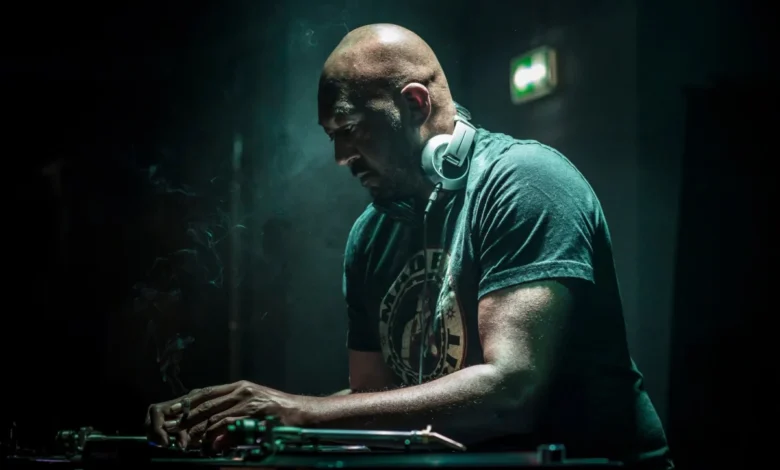
The global electronic music community has been rattled by the recent hospitalization of Detroit house music pioneer Rick Wade, who confirmed via social media that he has survived a critical medical emergency. The veteran producer and DJ, a cornerstone of the Motor City’s soulful underground sound since the 1980s, revealed that he recently suffered a heart attack, an event compounded by a pulmonary edema, atrial fibrillation, and a severe respiratory infection. While the artist is currently on the road to recovery following intensive hospital care, his public disclosure has ignited a sobering conversation regarding the grueling lifestyle demands placed upon touring musicians.
A Chronology of the Crisis
The health incident marks a sudden and alarming chapter in the career of a musician who has remained a constant figure in the global circuit for over four decades. According to statements released by Wade, the medical emergency necessitated an immediate and prolonged hospital stay. While the specific timeline of the events leading up to the crisis remains private, the compounding nature of his diagnoses—ranging from acute cardiovascular failure to respiratory distress—indicates a systemic breakdown of health that had been brewing for some time.
Wade’s own assessment of the situation points toward the cumulative effects of a life spent on the road. In an emotional communication to his supporters, he acknowledged that he had treated sleep and physical recovery as optional luxuries rather than biological necessities. The grueling nature of international touring, which has seen Wade perform in cities as diverse as Los Angeles, Buenos Aires, and Washington D.C. within this calendar year alone, often necessitates erratic sleep schedules, high-stress travel, and the physical strain of late-night performance environments.
The Myth of the "Immortal" Artist
The reaction from the Detroit music community was swift and underscored a deeper, systemic concern within the industry. Carl Craig, a peer and long-time associate of Wade, issued a poignant and firm response to the news. Craig emphasized the danger of the "legend mythos"—the pervasive, often glorified idea that artists must possess superhuman stamina to succeed.
Craig specifically invoked the legacy of figures like Prince, whose documented habit of surviving on minimal sleep has often been mythologized by aspiring artists as a badge of honor. "These myths are not made for mortals," Craig noted, urging his colleagues to reject the culture of extreme exhaustion. His sentiment reflects a growing anxiety within the Detroit techno and house scene, where the premature loss or health degradation of foundational figures has become a recurring, tragic narrative.
Industry Context and the "Machine"
Rick Wade’s career began in the mid-1980s, a formative period for the development of the Detroit sound. In 1993, he established Harmonie Park Records, a label that would become synonymous with the emotive, deep, and soulful house music that defined the city’s post-techno evolution. Alongside contemporaries such as Rick Wilhite, Marcellus Pittman, and Norm Talley, Wade helped codify a genre that prioritized texture and rhythm over the abrasive, industrial tones of early techno.
However, the modern era of music production and performance imposes a different set of pressures than the 1990s. Today, the "machine" that Wade refers to—the infrastructure of international bookings, social media presence, and constant content creation—requires artists to be perpetually "on." For veteran artists who built their careers on the quality of their vinyl output, the shift toward a high-velocity touring economy can be particularly damaging.
Data from the mental and physical health advocacy group Help Musicians consistently indicates that touring musicians are significantly more likely to experience burnout, sleep deprivation, and cardiovascular stress than the general population. The irregular working hours, combined with the lack of access to consistent, healthy environments, creates a cumulative physiological debt. Wade’s conclusion, "Take care of the machine, baby," serves as a stark reminder that the human body is the primary instrument of the musician, and when that instrument fails, the music stops.
A Pattern of Vulnerability in the Detroit Scene
The news of Wade’s condition follows a series of health-related emergencies that have affected other pillars of the Detroit music community. In recent years, the scene has had to rally around several high-profile artists who faced significant financial and health hurdles.
In 2020, a major fundraising campaign was launched for Whodat following a series of complex medical operations. More recently, the community mobilized to support the vocalist associated with DJ Deeon, and a significant crowdfunding effort was organized for Rick Wilhite following a severe accident. These instances have highlighted the lack of comprehensive health insurance and institutional safety nets for independent electronic artists, who often operate as self-employed contractors in a high-risk global market.
The outpouring of support from industry stalwarts such as DJ Rolando, Katja Ruge, and Berlin-based producer Cinthie demonstrates the interconnectedness of this community. Yet, these gestures of solidarity also highlight a reactive, rather than proactive, approach to artist wellbeing.
Implications for the Electronic Music Economy
The medical crisis faced by Rick Wade serves as a barometer for a broader shift in the electronic music industry. As the generation of pioneers who defined the genre in the 80s and 90s continues to age, the physical toll of a lifelong career in nightlife is becoming increasingly evident.
Experts in occupational health have suggested that the industry needs to move toward a model of "sustainable touring." This includes:
- Mandatory Downtime: Incorporating rest periods into tour riders to ensure artists have adequate time to recover between international dates.
- Resource Accessibility: Developing industry-wide initiatives to provide affordable health screening and mental health support for independent producers who lack employer-provided benefits.
- Cultural Shifts: Normalizing the cancellation of performances for health reasons without the stigma or financial penalties that currently discourage artists from prioritizing their wellbeing.
Furthermore, the rise of the "gig economy" in the arts sector means that many producers are forced to maintain a relentless touring schedule to sustain a middle-class income. When an artist like Rick Wade—a globally respected figure—is forced to confront the mortality of his own physical "machine," it forces promoters, agents, and fans to reconsider the price of the content they consume.
Moving Forward
Rick Wade’s recovery is a relief to his fans and the wider music community, but his ordeal remains a cautionary tale. As he transitions back to his life and work, his public call for self-preservation will likely resonate as a turning point in the discourse surrounding artist health.
The Detroit music scene, which has historically been defined by its resilience and grit, is currently undergoing a necessary period of reflection. By acknowledging the dangers of burnout and the limitations of the human body, figures like Wade and Craig are helping to dismantle the toxic culture of "hustle" that has permeated the arts for decades.
In the coming months, it is expected that the discussion around sustainable touring will gain further traction. For the fans who have followed Wade’s journey from the early days of Harmonie Park to his recent international tours, the most important takeaway is the recognition that the music is only as durable as the human being who creates it. As Wade continues his rehabilitation, his message remains the most vital piece of advice for the next generation of artists: without the health of the individual, the legacy of the art is in jeopardy. The community now looks to the future with a renewed commitment to ensuring that its legends are supported, not just in times of crisis, but through the consistent maintenance of their most important instrument—themselves.