Berlin Club Culture at a Crossroads: Political Visions and Nightlife Realities at the Soft Power Festival

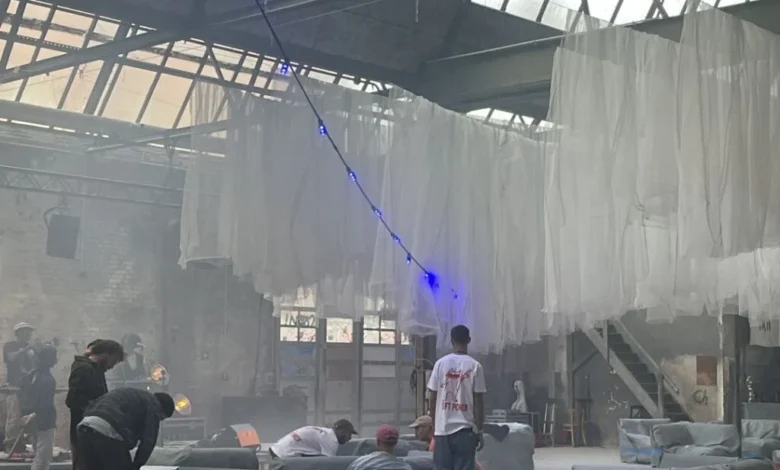
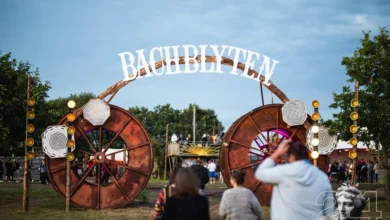
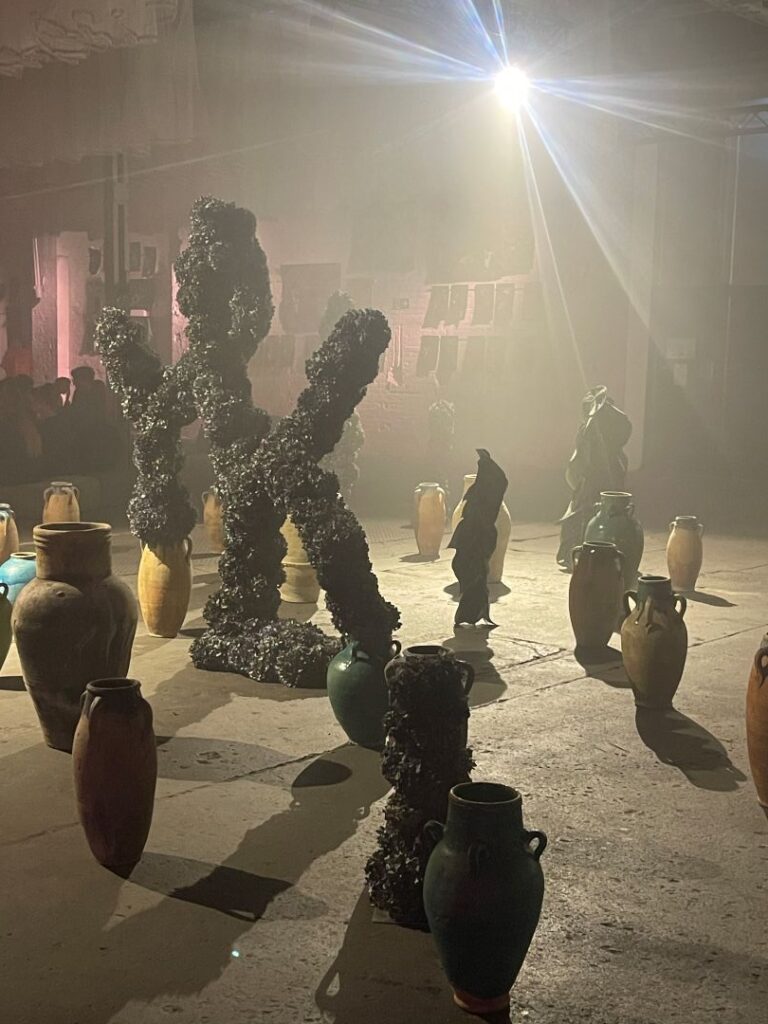
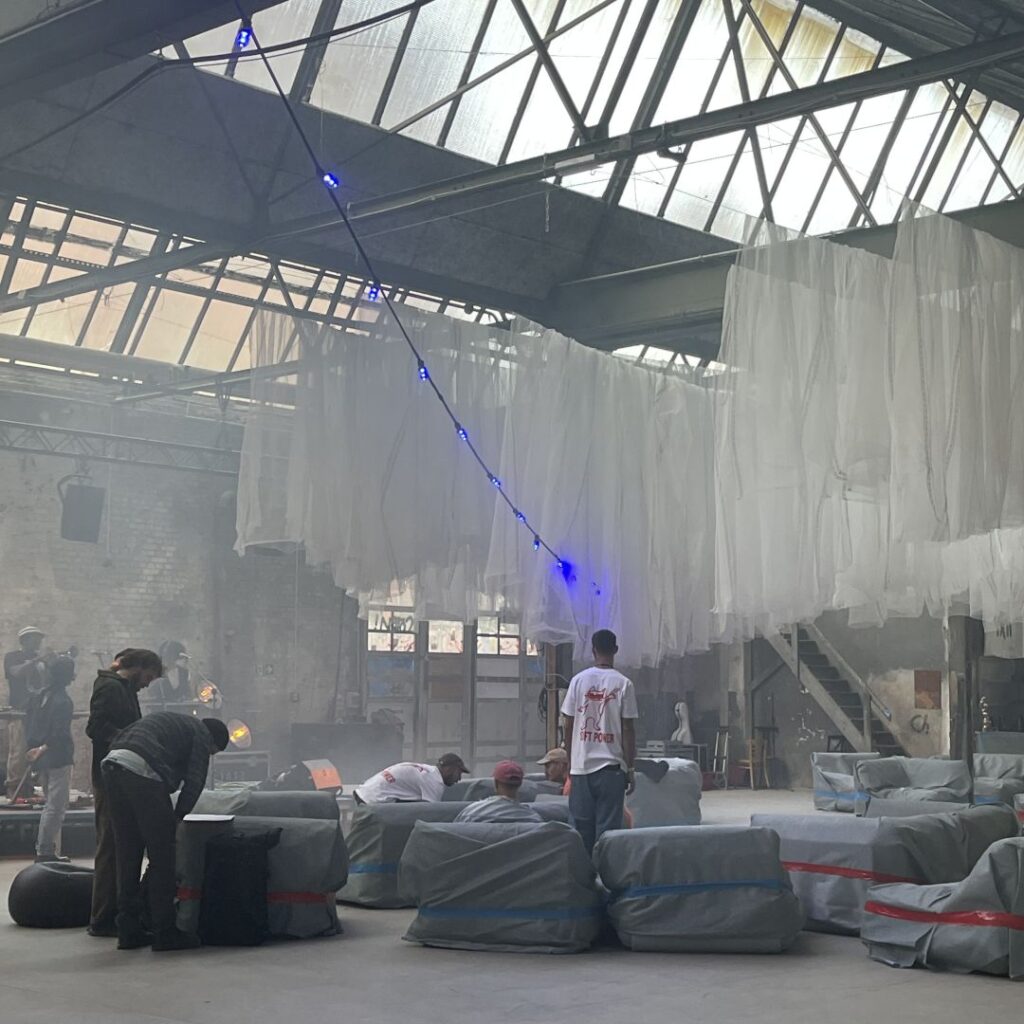
The Soft Power Festival, held in the historic industrial halls of the Haus der Visionäre in Berlin, has served as a pivotal stage for debating the future of the city’s world-renowned nightlife ahead of the upcoming Berlin elections. While the event’s atmosphere was defined by ambient synthetic soundscapes and meditative artistic exhibitions, the underlying political discourse proved to be anything but tranquil. As candidates for the Governing Mayor’s office faced off against representatives from the nightlife sector, the discussion crystallized around three core challenges: the restrictive classification of clubs under building law, the erosion of cultural spaces due to rising commercial rents, and the intensifying debate over the role of government-funded anti-discrimination and awareness programs.
The Structural Crisis of Nightlife
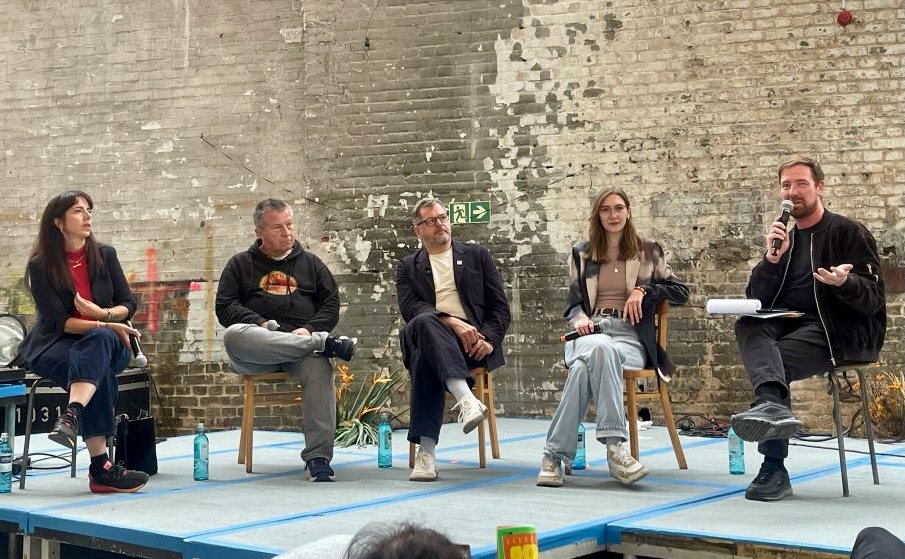
For decades, Berlin’s club scene has been the engine of the city’s international cultural appeal. However, the legal reality for these institutions remains anchored in outdated bureaucratic frameworks. During the festival’s opening panel, experts—including representatives from the Clubcommission and local media—highlighted that under current German building codes, clubs are primarily categorized as "places of amusement" (Vergnügungsstätten). This classification places them in the same legal bracket as gambling arcades and brothels.
The implications of this legal status are profound. As urban density increases, newly constructed residential buildings are often prioritized in planning decisions. This frequently leaves established clubs bearing the exorbitant costs of retrofitting soundproofing measures to protect new neighbors from noise pollution. Industry advocates argue that until clubs are legally reclassified as legitimate cultural sites—on par with theaters or museums—they will remain in a state of permanent existential risk. The Clubcommission has repeatedly emphasized that this is not merely a matter of semantics but a significant barrier to investment and long-term planning security.
A Chronology of Conflict: From Grassroots to Governance
The political panel, featuring candidates Werner Graf (Greens), Elif Eralp (The Left), a representative for Steffen Krach (SPD), and Christian Goiny (CDU), underscored the widening gap between rhetoric and policy. The timeline of recent challenges for the Berlin club scene is marked by a series of crises:
- 2023-2024: Heightened pressure from the Grundsteuer (property tax) reform and rising energy costs forced several long-standing venues to reconsider their operational models.
- Early 2026: The collapse of several high-profile administrative processes regarding public funding for anti-discrimination initiatives sparked a broader debate about the city’s commitment to diversity within its nightlife spaces.
- September 2026 (Soft Power Festival): The current summit serves as a final litmus test for the parties before the electorate heads to the polls, forcing candidates to reconcile their platform promises with the fiscal realities of the city’s budget.
Data-Driven Perspectives on Nightlife Economy
The economic significance of Berlin’s nightlife is undeniable. Before the pandemic, the city’s club sector generated hundreds of millions of euros annually and supported thousands of jobs. However, the current data suggests a fragile landscape. Smaller, non-commercial venues are finding it increasingly difficult to survive without direct subsidies.
During the panel, participants pointed to the "Tempelhof phenomenon"—where an open call for four club nights at the former airport facility drew over 200 applications from collectives. This figure serves as a proxy for the enormous pent-up demand and the lack of accessible, affordable spaces. The panel agreed that while interest in the scene remains high, the "stranglehold" of commercial rent increases in central districts like Mitte and Kreuzberg is pushing experimental music to the city’s periphery, potentially altering the character of the Berlin soundscape for the next decade.
Political Platforms and Divergent Paths
The debate revealed a fundamental disagreement on the mechanics of support.
Elif Eralp (The Left) proposed a radical shift in funding, suggesting that a portion of the city’s "City Tax" (hotel tax) be redirected to a dedicated soundproofing fund. Eralp’s platform focuses on the institutionalization of awareness work, arguing that these structures must be protected from political cycles. She explicitly criticized the CDU for what she termed a "culture war" against progressive social initiatives.
In contrast, Christian Goiny (CDU) framed the issue through the lens of administrative efficiency. He characterized the current state of Berlin’s bureaucracy as a "monster" that suffocates small businesses. Goiny emphasized that the solution lies not in more regulation or state intervention, but in streamlining the permit process for open-air events and providing better training for civil servants to ensure they act as partners to, rather than regulators of, the nightlife sector. He remained skeptical of state-mandated "awareness training," suggesting such measures should be voluntary.
Werner Graf (Greens) advocated for the "Düsseldorf Model," which utilizes a centralized contact point for major event organizers, reducing the need for clubs to navigate multiple municipal agencies independently. He pushed for stronger labor protections, suggesting that future cultural subsidies should be strictly tied to minimum wage standards and sustainable working conditions for nightlife employees.
Tamara Lüdke (SPD) occupied a middle ground, citing recent progress in the reform of the Gaststättengesetz (Restaurant Act) and digitizing administrative services. Lüdke stressed that while the city is committed to protecting venues like the "Alte Münze," the focus must be on practical, iterative reform rather than sweeping, unfunded promises.
Broader Impact and Future Implications
The central question remaining for the electorate is who will bear the cost of preserving Berlin’s status as the "Techno Capital" of the world. The recent culture-funding scandals in Berlin have left a legacy of distrust, with voters and cultural actors alike questioning the accountability of the Senate in managing cultural grants.
The implications of this debate extend far beyond the dancefloor. Clubs in Berlin function as "democratic spaces"—areas where social hierarchies are temporarily suspended and where political discourse, as seen at the Soft Power Festival, can flourish. If these spaces are lost to gentrification or bureaucratic paralysis, the city risks losing a vital component of its social fabric.
As the festival drew to a close, the consensus remained elusive. While all parties acknowledged the cultural value of the scene, the "how" of its preservation remains a point of intense friction. Whether the next administration will prioritize a "hands-off" approach focused on reducing red tape, or a more interventionist strategy centered on social equity and public funding, will be determined at the ballot box. For now, the city’s nightlife remains in a state of suspended anticipation, waiting to see if the political rhetoric will translate into the concrete structural changes necessary to keep the music playing in the coming decade.