Berlin Beats Controversy Sparks Debate Over the Commercialization of Subculture and Public Funding Dynamics


The Hamburger Bahnhof, one of Berlin’s most prestigious museums for contemporary art, has found itself at the center of a heated cultural debate. Its summer event series, Berlin Beats, which transforms the museum’s forecourt into a high-capacity, free-to-attend open-air dance floor, is being criticized by leading figures of the city’s nightlife sector. While the museum positions the initiative as an exercise in "low-threshold accessibility" and a vital tool for contemporary art mediation, representatives of the Berlin Clubcommission and legendary industry veterans argue that the series operates at the expense of the very ecosystem that gave rise to Berlin’s global reputation as a techno capital.
The Genesis of the Conflict
The tension between state-funded cultural institutions and private nightlife operators is not new, but the scale of the Berlin Beats series has brought long-simmering frictions to the surface. Since its inception, the series has drawn thousands of attendees on Thursday evenings, offering curated DJ sets in a setting that requires no admission fee. For the museum, the goal is to bridge the gap between "high art" and the vibrant, street-level culture that defines Berlin’s identity.
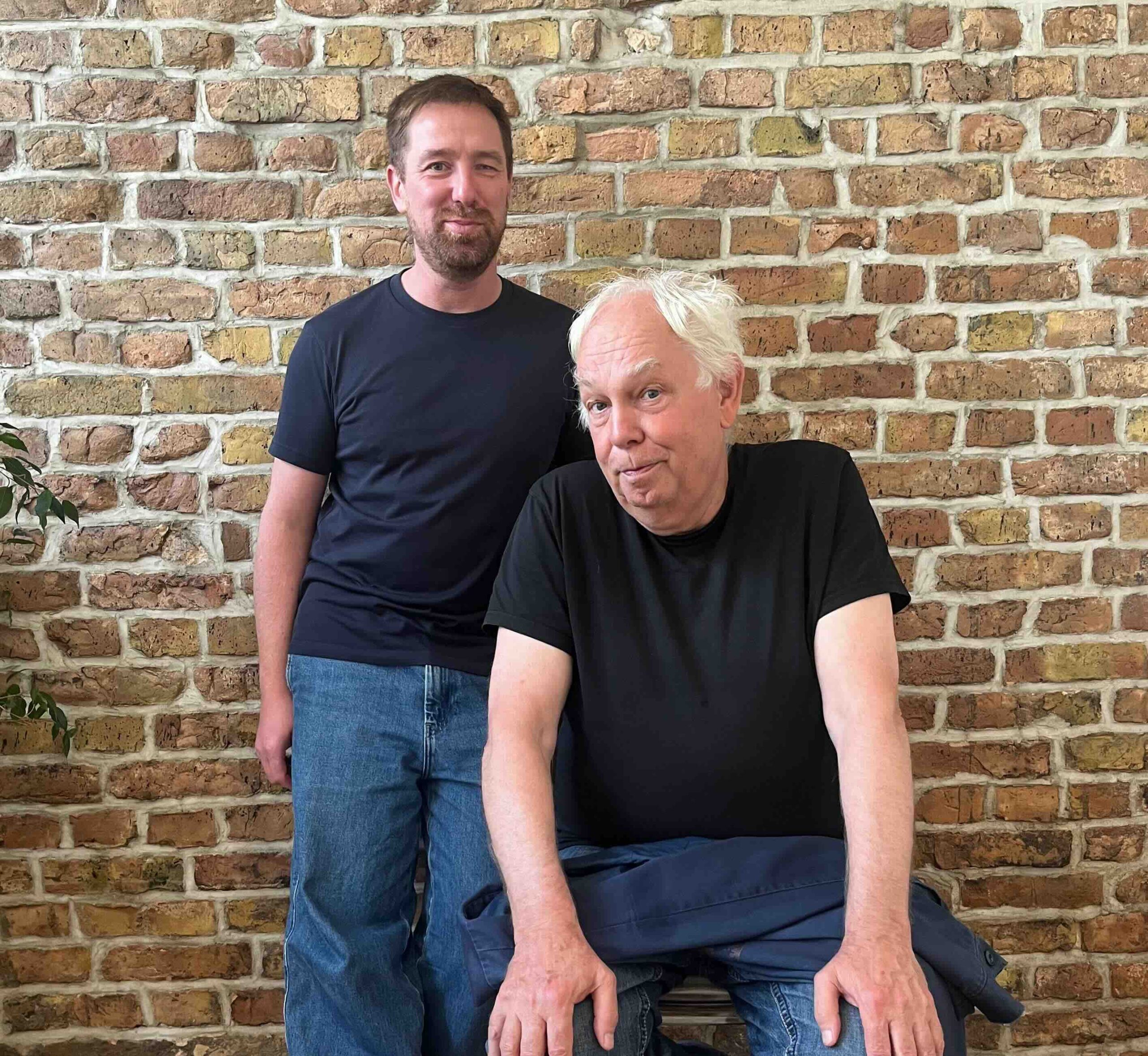
However, Dimitri Hegemann, founder of the seminal Tresor club, and Marcel Weber, a board member of the Clubcommission Berlin, view the project as an appropriation of labor. They argue that the museum utilizes the hard-won social and cultural capital of the club scene as a "crowd-puller" while failing to engage with the local industry. This, they claim, is a form of cultural extraction that ignores the economic realities faced by private businesses.
Chronology of Events
The friction reached a critical point following a formal meeting between the museum’s curatorial leadership—specifically curator Charlotte Knaup and director Till Fellrath—and the representatives of the club scene.
- Mid-2025: The Hamburger Bahnhof officially announces the open-air series, framing it as a way to integrate electronic music into the museum’s broader cultural mandate.
- Summer 2025: Berlin Beats launches, drawing crowds of 5,000 to 7,000 people per event. The series is bolstered by the museum’s ability to secure significant sponsorship.
- Late 2025: Preliminary discussions take place between industry advocates and museum management. These meetings, described by participants as "disappointing" and "defensive," serve as the catalyst for the current public discourse.
- Early 2026: Formal follow-up measures are initiated by the Clubcommission, who are seeking to establish a framework for future cooperation and equitable participation.
Economic Realities and Market Disruption
At the heart of the critique is the economic disparity between state-subsidized entities and private cultural venues. Dimitri Hegemann, who has operated in Berlin for over 35 years, notes that the private club sector is currently under immense financial pressure.
"When the museum offers a free, high-quality event on a Thursday night, they are effectively competing with venues that have to cover staff wages, overheads, and artist fees," Hegemann explains. He highlights that while private clubs like Tresor must charge admission fees to remain solvent, the museum’s model—often facilitated by major corporate sponsors and high-profile booking platforms like CTS Eventim—disrupts the market equilibrium.
Data from the Berlin Clubcommission consistently underscores that the city’s nightlife contributes hundreds of millions of euros annually to the local economy. Yet, the industry operates on thin margins. When a state institution, which possesses significantly greater access to public funding and private sponsorship, enters the market with a "zero-cost" product, it creates a displacement effect. The concern is that this practice devalues the professional work of curators, technicians, and venue operators who have spent decades building the infrastructure for electronic music.
The Question of Cultural Mediation
The Hamburger Bahnhof maintains that its primary objective is accessibility. In an era where the cost of living in Berlin has surged, the museum argues that providing free access to high-quality electronic music is a democratic imperative. However, Marcel Weber counters that "low-threshold" should not come at the cost of context.
"The museum is not just playing music; it is curating a scene," says Weber. He argues that the institution fails to perform the basic museum-pedagogical task of explaining the history, politics, and social struggles of the club culture it features. By presenting the music as a mere spectacle, the museum is accused of stripping the art form of its subcultural meaning and historical weight. The demand from the industry is simple: if the museum is to host these events, it must act as a partner, not a competitor.
Proposed Solutions and the "Win-Win" Path
During the recent meetings, the Clubcommission presented several concrete proposals aimed at mitigating the negative impact of the series:
- Symbolic Contributions: A voluntary "solidarity fee" of two or three euros per ticket. With capacities reaching 7,000, these funds could be directed toward non-profit initiatives, youth training programs, or the Clubcommission’s own advocacy efforts.
- Collaborative Booking: The inclusion of local labels and emerging artists, rather than relying solely on internationally established names that do not necessarily contribute to the local ecosystem.
- Cross-Promotion: Utilizing the museum’s platform to guide audiences toward clubs that are open later in the evening, thereby fostering a symbiotic relationship rather than a siloed one.
- Institutional Transparency: Providing a clearer, more inclusive structure for how events are organized, ensuring that the "voices of the scene" are not just the soundtrack, but active participants in the curation.
Broader Implications for Berlin’s Cultural Policy
The dispute highlights a growing tension within Berlin’s "Cultural Capital" identity. As the city continues to navigate the pressures of gentrification and corporate influence, the lines between commercial enterprise, public service, and underground subculture are becoming increasingly blurred.
If major institutions continue to ignore the input of the creative communities they feature, they risk losing the authenticity that makes the city attractive to begin with. The mantra "Never about us without us," as cited by the Clubcommission, is increasingly becoming the baseline expectation for any collaboration between state bodies and the creative sector.
The Hamburger Bahnhof now faces a decision: it can either continue with its current model, risking further alienation from the city’s cultural bedrock, or it can pivot toward a model of true institutional partnership. For the proponents of Berlin’s nightlife, the outcome of this dialogue will serve as a bellwether for how the city treats its most vulnerable, yet most essential, cultural assets. As the parties move toward a written agreement, the sector remains vigilant, insisting that the preservation of Berlin’s unique cultural landscape requires mutual respect and, more importantly, a willingness to share the stage.