Adam Jones Guitar Tone: Sound Like Tool With Plugins, a Budget Setup, or Studio Gear

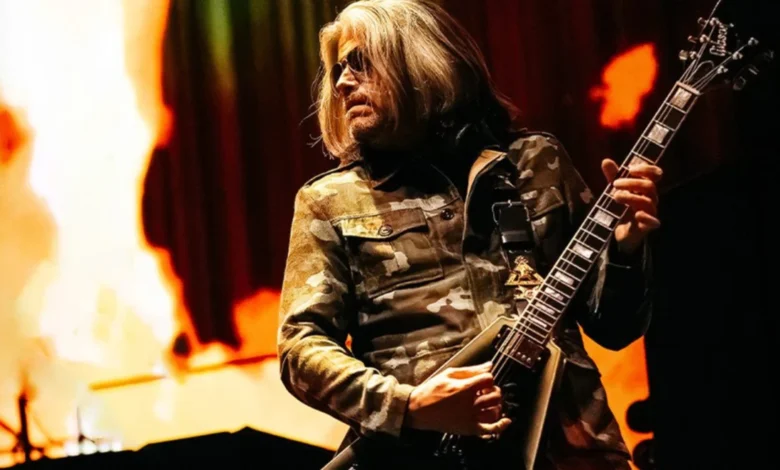
The distinctive sonic architecture of Tool has remained one of the most defining and enduring elements of modern progressive rock and metal for over three decades. Whether driving the hypnotic pulse of Schism, laying down the intricate math-rock polyrhythms of Lateralus, or anchoring the brooding atmosphere of Sober, guitarist Adam Jones has carved out a singular sonic identity. Unlike contemporaries focused on technical wizardry, blinding speed, or acrobatic sweep-picking, Jones approaches the fretboard as an atmospheric painter. His playing relies heavily on precise rhythmic delivery, crushing low-end weight, and heavy textures that merge seamlessly with Danny Carey’s polyrhythmic percussion, Justin Chancellor’s melodic bass lines, and Maynard James Keenan’s cryptic vocals. Replicating that elusive, monumental tone has become a Holy Grail for guitarists worldwide, prompting endless inquiry into whether achieving the signature Tool sound requires authentic vintage studio hardware, advanced digital plugins, or clever budget-friendly modeling setups.
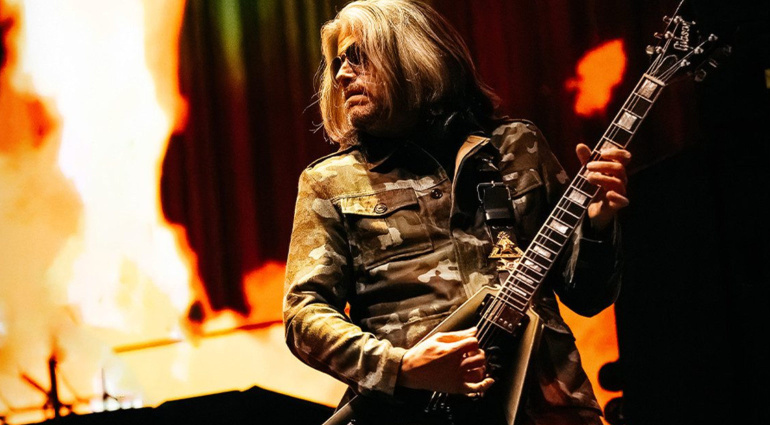
To understand the engineering behind the Adam Jones guitar tone, one must first look back at the origins of the band in the late 1980s and the unique confluence of events that shaped the Los Angeles underground scene. In 1989, Adam Jones crossed paths with vocalist Maynard James Keenan in Los Angeles. Keenan played Jones a cassette recording of his alternative side project, Green Jellÿ, highlighting a mutual appreciation for avant-garde music that existed strictly on the fringes of the mainstream. Impressed by Keenan’s vocal range and theatrical delivery, Jones persuaded him to front a new musical venture. Both musicians were well-embedded in the vibrant, cross-pollinated Los Angeles art and music community of the era. Notably, Keenan maintained a close friendship with guitarist Tom Morello, a childhood friend of Jones. Lore within the scene suggests that Keenan introduced Morello to Drop-D tuning, a technique that reportedly inspired Morello to write the iconic riff for Rage Against the Machine’s Killing in the Name. Keenan was even briefly considered alongside Zack de la Rocha as a prospective vocalist for Rage Against the Machine before committing fully to Tool.

The definitive lineup solidified through a series of serendipitous encounters. Drummer Danny Carey, who happened to be living as Keenan’s neighbor, stepped in to fill persistent vacancies left by unreliable rehearsal musicians brought in by Jones and Keenan. Following the brief tenure of original bassist Paul D’Amour—who performed on the band’s foundational 1993 debut album Undertow—Justin Chancellor joined the fold in 1995, cementing the rhythm section that would define the band’s masterworks. The release of Ænima in 1996 marked a seismic shift in the heavy music landscape, arriving during a transitional period for rock and metal as grunge waned and alternative metal found its footing. Carey’s labyrinthine polyrhythms, Keenan’s dark and aggressive lyricism, Chancellor’s melodic, effect-laden basslines, and Jones’s monolithic walls of guitar coalesced into something entirely unprecedented.
The band’s legendary status was further solidified in 2001 with the release of Lateralus, an album that propelled their signature blend of mysticism, complex time signatures, and massive sonic density to critical and commercial peaks. Subsequent releases, including 10,000 Days in 2006 and Fear Inoculum in 2019, demonstrated a patient, evolving compositional maturity. Today, Ænima and Lateralus are widely regarded as definitive milestones in progressive metal history, with Jones’s guitar tone serving as the primary anchor for the band’s auditory universe.
Anatomy of the Rig: Guitars, Amplifiers, and Signal Routing

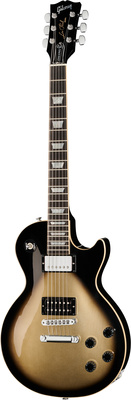
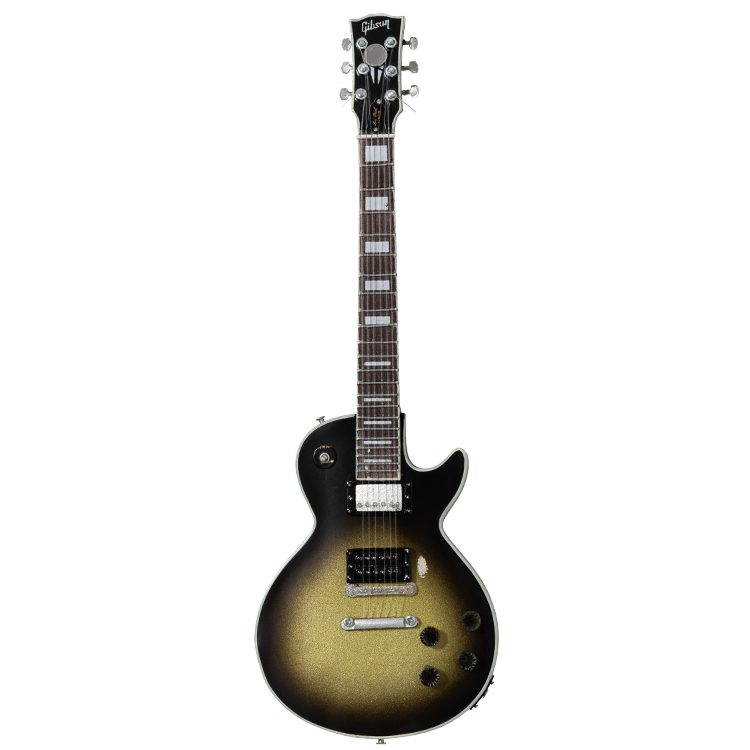
At the core of the Adam Jones physical setup is a lifelong dedication to a specific instrument: the Gibson Les Paul. Jones is a devout Les Paul player, with his primary weapon of choice being a vintage 1979 Gibson Les Paul Custom finished in Antique Silverburst. Recognizing the immense cultural and sonic weight of this instrument, Gibson and its subsidiary Epiphone have released multiple high-profile signature models featuring custom artwork curated by Jones. Though the Les Paul Custom remains his primary stage and studio companion, Jones occasionally incorporates other instruments into his rotation, most notably the classic Gibson Flying V.
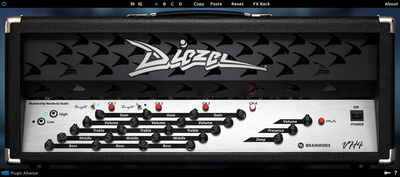
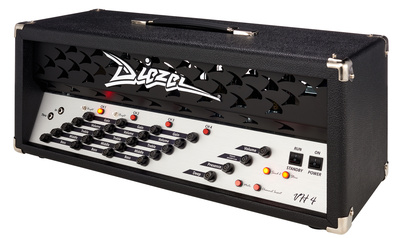
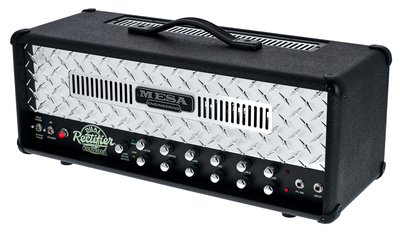
However, the true secret behind the monolithic thickness of Jones’s tone lies not just in the guitar itself, but in his complex, multi-amp signal splitting methodology. Rather than relying on a single amplifier head, Jones historically splits his guitar signal to run multiple distinct amplifier rigs simultaneously, blending their unique tonal characteristics into a singular, cohesive wall of sound. Industry documentation and technical rig breakdowns indicate that Jones has frequently utilized a vintage 1976 Marshall Super Bass head alongside a high-gain Diezel VH4 "Blueface" amplifier head. During the recording sessions for 10,000 Days, reports from producers and gear historians confirmed the integration of a third amplifier into the chain: a Mesa/Boogie Dual Rectifier. This multi-amp philosophy allows Jones to capture the midrange bite and woody crunch of the Marshall, the crisp, articulate high-gain clarity of the Diezel, and the massive, saturated low-end thud of the Mesa/Boogie.

When it comes to signal processing and effects pedals, Jones maintains a meticulous pedalboard designed to enhance atmosphere rather than obscure his fundamental guitar tone. Archival rig rundowns from his touring cycles highlight a curated selection of stompboxes, including the Dunlop Heil Talkbox, Boss BF-2 Flanger, DOD FX40B Graphic Equalizer, MXR M-133 Micro Amp, Line 6 DL4 Delay Modeler, MXR M-102 Dyna Comp, Dunlop Cry Baby BB-535 Wah, and Boss DD-5 Digital Delay. Each pedal serves a precise contextual purpose, contributing to the sweeping, textural soundscapes that define tracks like Lateralus and The Pot.
Achieving the Tone via Digital Plugins and DAW Routing
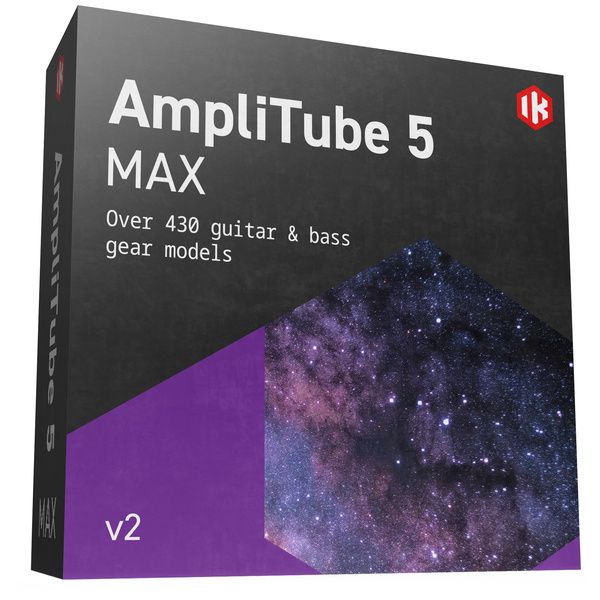
For modern bedroom producers and home studio enthusiasts, replicating a multi-amp live rig using physical hardware can be prohibitively expensive and logistically impractical. Fortunately, digital audio workstations (DAWs) provide advanced routing capabilities that make emulating a multi-amp signal chain accessible. In software platforms like Ableton Live, users can construct custom audio effect racks that host multiple amplifier plugins in parallel, processing the dry guitar signal simultaneously. In alternative environments like Apple Logic Pro or Steinberg Cubase, producers typically employ a send-and-return configuration, routing a single guitar track to multiple auxiliary return channels, each loaded with a distinct amplifier emulation plugin.
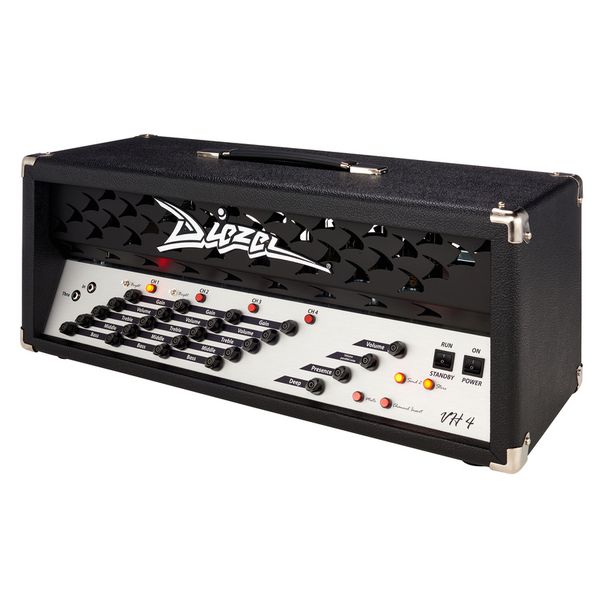
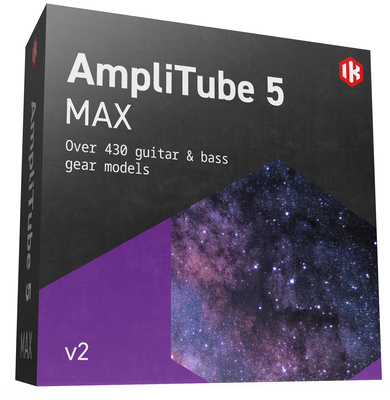
To successfully model the Adam Jones tone in the box, engineers generally require at least two distinct amplifier plugins alongside select pedal emulations. Comprehensive suite plugins such as IK Multimedia AmpliTube 5 MAX or Native Instruments Guitar Rig 7 Pro offer extensive virtual pedalboards capable of replicating Jones’s specific flavor of compression, modulation, and delay. For the core amplifier emulation, Plugin Alliance provides an officially licensed software recreation of the iconic Diezel VH4, which delivers the signature modern high-gain articulation. Additionally, open-source amp modeling platforms utilizing Neural Amp Modeler (NAM) captures—such as community-shared presets hosted on Tone3000—offer free, highly accurate profiles modeled directly after Jones’s proprietary gear configurations.
Approaching the Setup: Budget Solutions vs. Studio-Grade Hardware
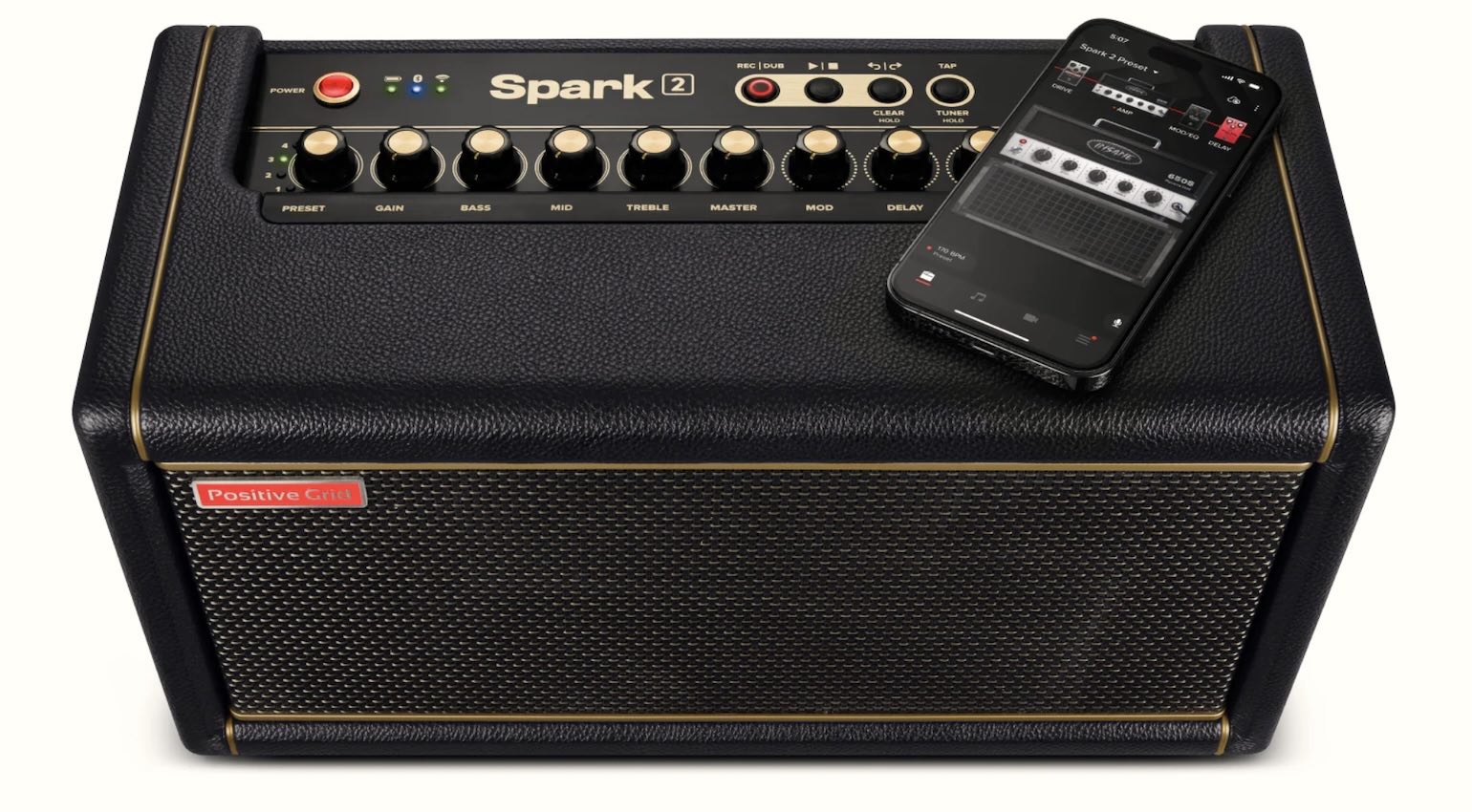
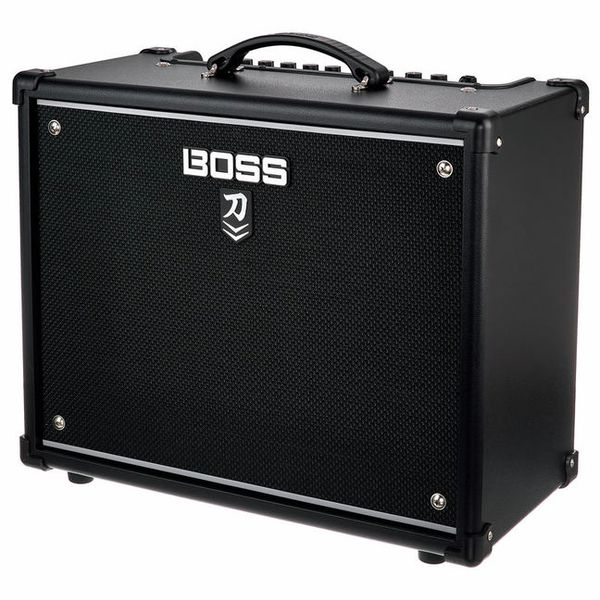
For guitarists operating on a restrictive budget, the prospect of managing multiple amplifiers and complex signal splitters can present a steep financial barrier. Entry-level modeling amplifiers and multi-effects units, such as the Boss Katana series, Line 6 Helix family, or Positive Grid Spark units, offer an accessible entry point. While these single-unit solutions inherently process the signal through a singular virtual amplifier model rather than a true multi-amp split, the broader guitar community has generated extensive user-created presets specifically tailored to emulate the Tool guitar sound. Platforms like the Boss Tone Exchange feature community-tweaked patches designed to approximate the midrange characteristics and compression profile of Jones’s tone using budget-friendly hardware. While a single-amp model cannot entirely replicate the complex phase interactions and frequency blending of three distinct physical stacks, modern digital algorithms are sophisticated enough to capture the broad strokes required for casual playing and cover work.

Conversely, for musicians and producers seeking absolute sonic authenticity who possess the necessary budget, replicating the exact hardware chain is entirely achievable through current retail offerings. Pairing a genuine Gibson Les Paul Custom with a physical Diezel VH4 EL34 head provides an immediate foundation. To incorporate the secondary and tertiary elements of the classic studio chain, players can invest in a contemporary Mesa/Boogie 90s Dual Rectifier Standard reissue to capture the signature low-end resonance, alongside a Marshall 2203 Modified JCM 800 to supply the aggressive British crunch traditionally handled by Jones’s vintage Super Bass setup. When balanced carefully through an appropriate cabinet isolation setup or load box, this hardware configuration yields a terrifyingly accurate physical manifestation of the legendary studio tone.
Broader Implications and Market Impact

The enduring fascination with Adam Jones’s guitar tone highlights a broader shift in the modern music gear market. Over the past decade, manufacturers have increasingly catered to the progressive metal demographic by offering hyper-specific signature gear, modular plugin ecosystems, and advanced impulse response (IR) libraries designed to decode iconic guitar sounds. The commercial success of Gibson’s Adam Jones signature line, alongside software developers’ efforts to license boutique high-gain amplifiers like the Diezel VH4, demonstrates a sustained consumer demand for professional-grade replication tools.
Ultimately, while gear selection remains a foundational component of the Adam Jones sonic signature, musicologists and audio engineers frequently emphasize that the tone lives just as much in the player’s hands. Jones’s deliberate phrasing, rhythmic precision, and restraint in arrangement prove that heavy, atmospheric guitar work depends heavily on how space and dynamics are utilized. Whether interpreted through a high-end studio array of vintage stacks, meticulously routed DAW plugins, or an affordable modeling combo amp, the pursuit of the Tool guitar tone remains an engaging masterclass in modern guitar production and sound design.