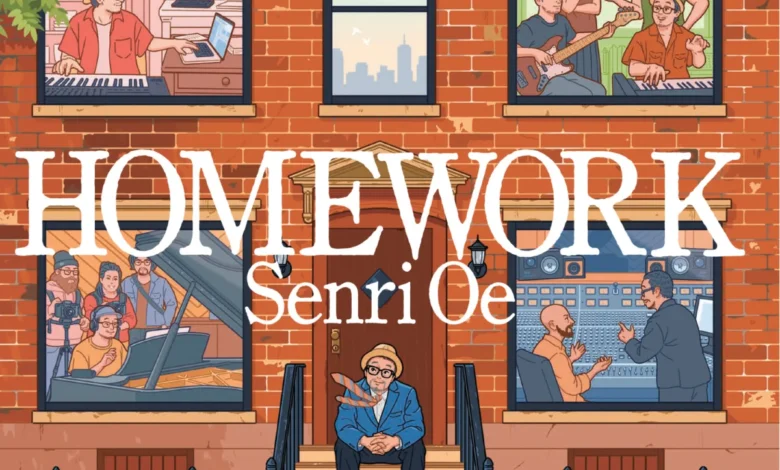
The trajectory of Senri Oe’s career represents one of the most remarkable musical pivots in contemporary Japanese culture. Once a stadium-filling pop idol whose melodies defined the sound of 1980s and 90s Japan, Oe’s decision to abandon his domestic superstardom at age 47 to pursue a formal jazz education in New York City remains a definitive case study in artistic renewal. Today, nearly two decades after that bold migration, Oe has solidified his standing as a sophisticated jazz composer and pianist, with his latest album, Homework, serving as a poignant reflection on loss, resilience, and the relentless evolution of the modern immigrant artist.
The Japanese Pop Phenomenon
Before he was a fixture of the Brooklyn jazz scene, Senri Oe was a household name in Japan. Rising to prominence in the mid-1980s, Oe became a multi-faceted entertainment force, excelling as a singer, songwriter, and television personality. His pop career was characterized by high-production aesthetics and a massive fan base that filled arenas across the country. During this era, Oe was a central figure in the J-pop landscape, known for his lyrical wit and melodic sensibility. However, as the turn of the millennium approached, Oe found himself increasingly alienated from the demands of the mainstream entertainment industry. The creative constraints of being a "pop idol" began to chafe against his evolving musical curiosities, eventually leading him to the conclusion that he had outgrown the dream he had spent decades building.
The New York Transition: A Second Act
In 2008, at an age when many established musicians are firmly set in their ways, Oe made the radical choice to relocate to New York City. He enrolled at The New School for Jazz and Contemporary Music, an institution renowned for its rigorous academic approach to improvisation and jazz theory. This move was not merely a change of scenery but a complete systemic reset.
The transition from a celebrated celebrity to a student among peers provided Oe with the humility and space necessary to dismantle his previous musical identity. Studying under jazz luminaries such as Junior Mance and Aaron Goldberg, Oe spent years absorbing the intricacies of bebop, post-bop, and the harmonic complexities of the American jazz tradition. This period of study served as the bridge between his pop background and his new life as a jazz composer. By 2012, he had released his first jazz-focused project, marking the beginning of a consistent, decade-long output that has seen him record for various labels and refine his signature trio sound.
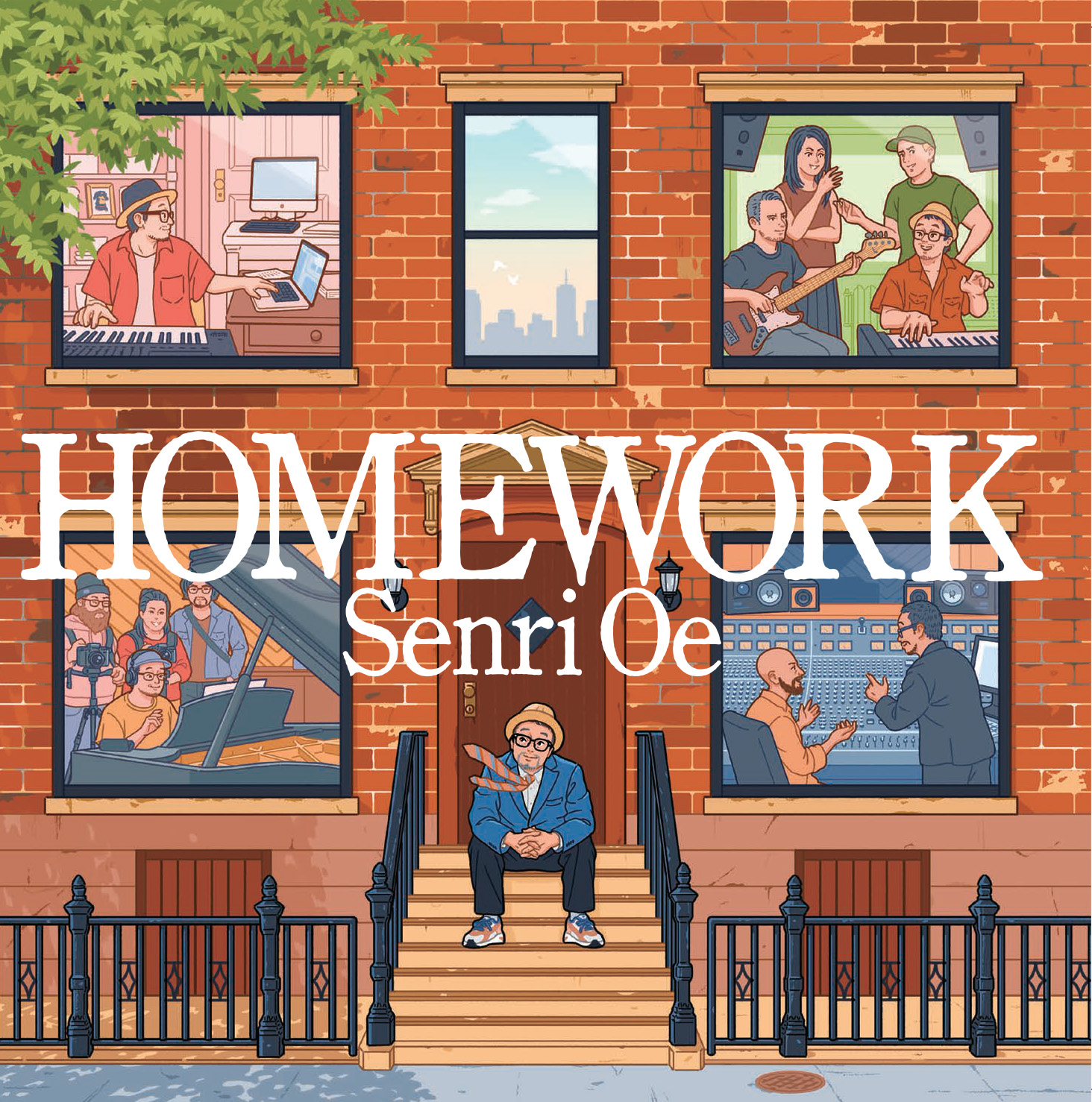
Homework: A Cinematic Soundscape of Loss
Oe’s latest release, Homework, is described by the artist as "a soundtrack for a cinema without visuals." The record is deeply autobiographical, shaped by significant personal transitions and the universal experience of mourning. The project was conceived during a period of profound upheaval; the loss of his father and the passing of his beloved dachshund, Peace, served as the emotional catalysts for the composition process.
Musically, the album occupies a space between the rigid structure of traditional jazz and the emotive, pop-leaning sensibilities that have always resided in Oe’s musical DNA. The trio, featuring bassist Matt Clohesy and drummer Ross Pederson, navigates this territory with a delicate balance of acoustic and electric instrumentation. The track "Stormy Day" serves as a microcosm of the album’s thematic depth. While the title suggests turbulence, the execution—featuring twinkling electric keyboards and a buoyant, rhythmic drive—offers a more nuanced perspective. It suggests that while the "storm" of grief is real, it is not an end state. The interplay between the trio members is conversational, echoing the complexity of living in a city as demanding and exhilarating as New York.
The Pandemic and the Evolution of Artistic Purpose
The COVID-19 pandemic acted as an unexpected accelerator for Oe’s philosophical shift. As New York City’s jazz clubs—the lifeblood of the local scene—were forced to shutter, the isolation mandated by lockdown forced artists to re-evaluate their craft. For Oe, this meant shedding the remaining vestiges of his former "pop star" persona.
"The overwhelming sense of loss stripped away all need for pretension," Oe noted in recent discussions regarding the album’s development. This perspective highlights a shift toward a more raw, honest mode of expression. The pandemic period, while devastating for the live performance industry, provided the temporal space for Oe to reflect on his life’s trajectory. He transitioned from viewing music as a product to be sold to an audience to viewing it as a necessary mechanism for existential inquiry. The result is a body of work that feels less concerned with commercial appeal and more concerned with the honest articulation of the human condition.
Analytical Perspective: The "Third Stream" Influence
Oe’s work sits within a lineage often referred to as "Third Stream," a term coined by Gunther Schuller to describe the synthesis of classical and jazz forms. In Oe’s case, it is a synthesis of pop-melodic structure and jazz-harmonic improvisation. This hybridity has become his hallmark. By integrating the rhythmic vitality of jazz with the emotional accessibility of his pop roots, he has carved out a distinct niche in the New York jazz scene.
Data from his recent touring and recording history indicates a sustained interest from international audiences, particularly in Japan, where his fanbase has migrated with him to this new genre. This loyal following, combined with his critical reception in the United States, demonstrates that his pivot was not just a personal victory but a commercial success. His ability to maintain his identity while fundamentally changing his musical language is a rare feat in the contemporary music industry.
Broader Implications for the Jazz Community
The story of Senri Oe is emblematic of a broader trend in the global jazz community: the movement of international artists to New York as a rite of passage. New York remains the epicenter of the jazz world, not merely for the opportunities it presents, but for the standards it demands. Oe’s success suggests that the genre is increasingly defined by the cross-pollination of cultural perspectives.
Furthermore, his career underscores the importance of institutional jazz education for mid-career professionals. By treating music as a discipline to be studied rather than just a skill to be performed, Oe has been able to maintain a level of technical rigor that informs his creative risks. The implications for the industry are clear: the most compelling voices in modern jazz are often those who come to the genre with a lifetime of experience in other musical worlds.
Conclusion: Looking Forward
As Senri Oe continues to navigate the complexities of his second career, his focus remains on the "meaning of his life." The journey from the pop stages of Japan to the jazz clubs of Brooklyn has been a process of refinement—a shedding of the superficial in favor of the essential. Whether through his trio work or his compositions for larger ensembles, Oe’s music serves as a testament to the idea that artistic reinvention is a lifelong commitment.
With Homework, Oe has delivered a record that is at once a tribute to what he has lost and a declaration of his current identity. It is a work of maturity, marked by a philosophical understanding that life, much like jazz, is defined by the ability to respond to unexpected changes with grace and technical precision. As he continues to compose, the "cinema without visuals" that he has created promises to offer even more profound insights into the man behind the piano.