Rowena Wise Explores the Intersection of Memory and Artistry Ahead of Sophomore Album Release Bad Things Feel Good

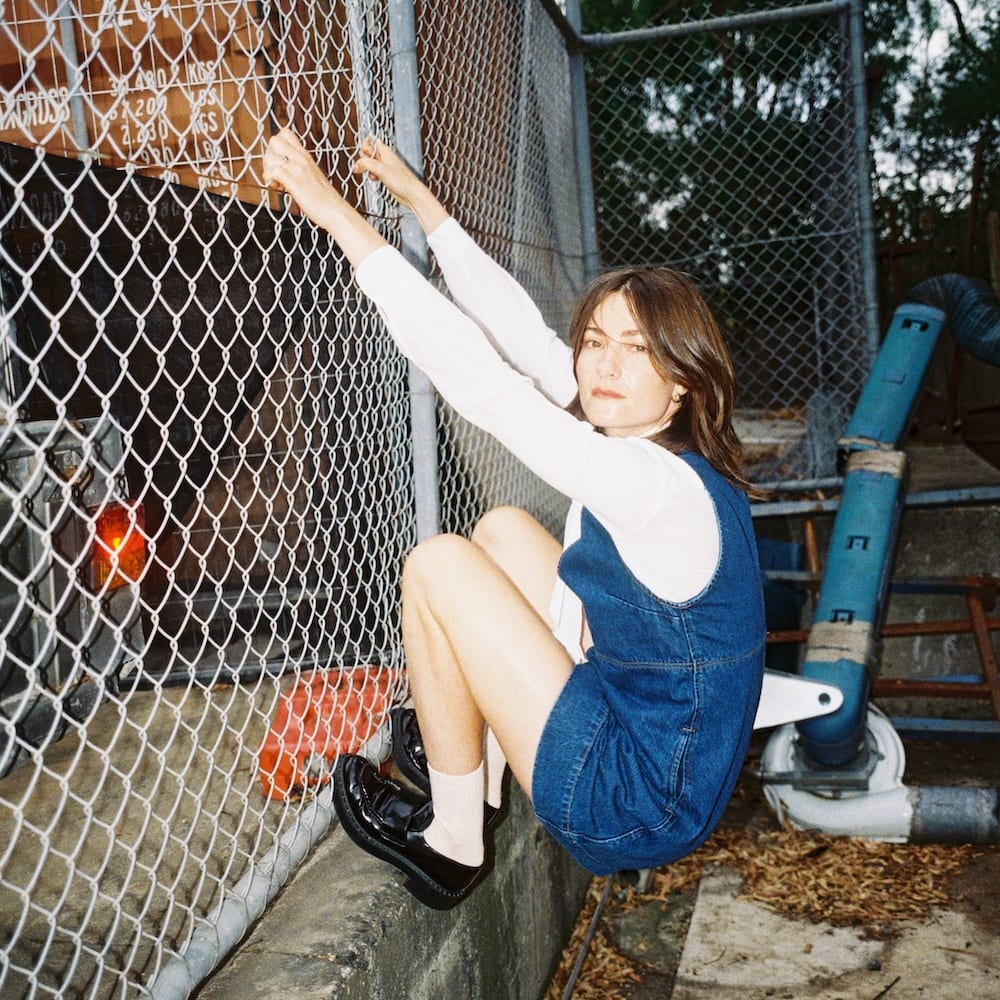
The contemporary Australian music landscape is often characterized by its ability to blend raw, emotive storytelling with sophisticated production, a tradition that Naarm-based singer-songwriter Rowena Wise continues to uphold. With the impending release of her second studio album, Bad Things Feel Good*, scheduled for Friday, August 7, 2026, Wise has emerged as a central figure in the Melbourne indie-folk scene. Released under the auspices of Beloved Records and Remote Control Records, the album represents a significant evolution from her 2024 debut, Senseless Acts of Beauty. While her previous work focused on the arduous process of rebuilding the self after loss, her new material delves into the inherent contradictions of the human experience, embracing the "messiness" of life with a precision that has earned her the moniker of a "lyrical assassin" from the triple j community.
The Production and Technical Framework of Bad Things Feel Good*
The creation of Bad Things Feel Good* was marked by a commitment to live, organic performance, a departure from the increasingly digital-first approach of modern pop production. The album was produced by Rob Muinos and recorded over a condensed three-day session at The Ratshack in Collingwood. This "live-to-tape" ethos was supported by a dedicated ensemble of musicians, including Richard Bradbeer on bass, Jess Ellwood on drums, and Matt Dixon on pedal steel.
The decision to record the album in such a brief window was a deliberate attempt to capture the immediacy and spontaneity of the performances. By utilizing a live band, Wise and Muinos ensured that the "intimacy" noted by critics—often described as a conversation one wasn’t meant to overhear—remained the focal point of the record. The lead single, "Diamond In The Rough," released in May 2026, served as a precursor to this sound, showcasing a blend of folk sensibilities and sharp, observational lyricism.
A Chronological Journey: From Margaret River to Melbourne
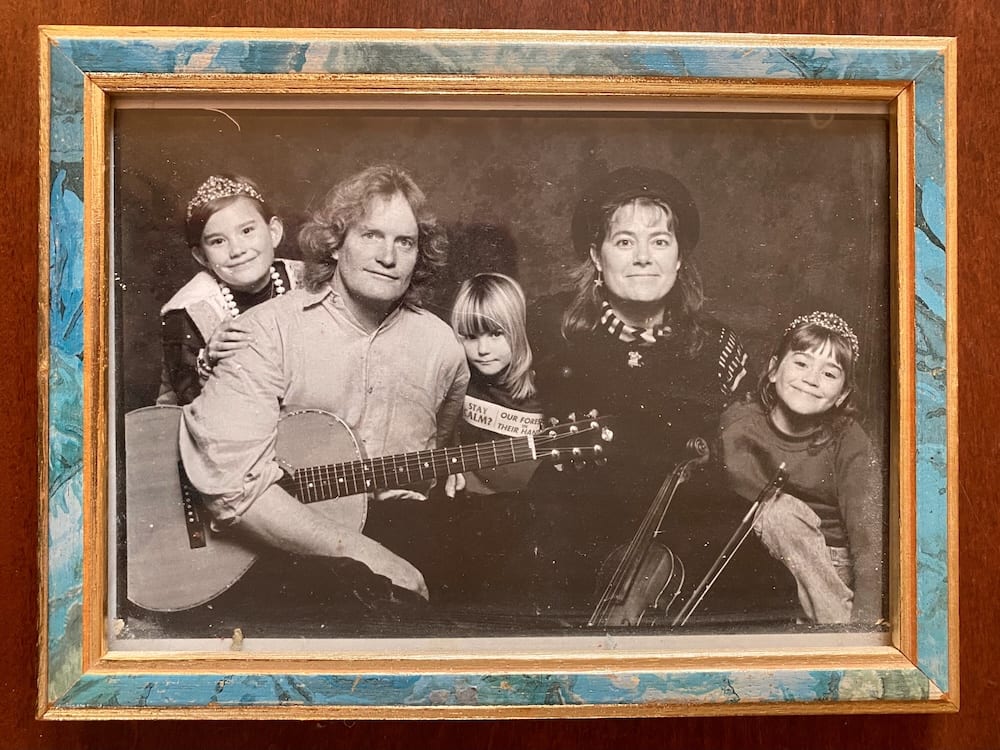
Rowena Wise’s artistic identity is deeply rooted in her upbringing in Margaret River, a coastal town in Western Australia known for its vibrant arts community and rugged natural beauty. Her musical education began within the "Wise Family Band," a touring ensemble comprising Wise, her sisters, and her parents. This period was foundational, as the family traveled across Australia, Ireland, and the United States, performing a mix of traditional folk, original compositions, and classic covers.
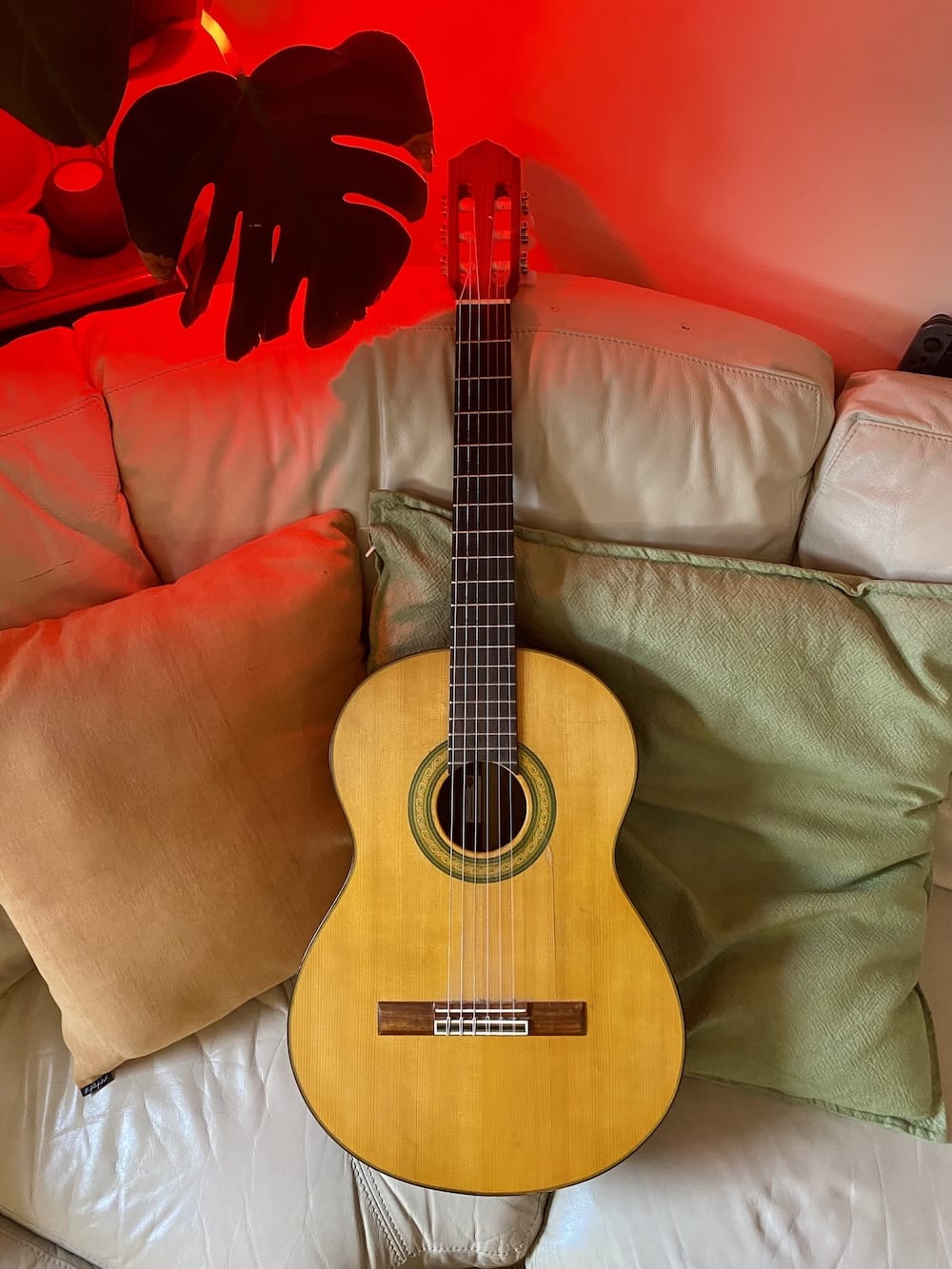
The influence of her father, Scott Wise, a renowned luthier, cannot be overstated. Growing up in an environment where instruments were not merely tools but hand-crafted artifacts instilled in Wise a deep respect for the physicality of music. Her first guitar, a nylon-string instrument modeled after a Spanish flamenco style, was a gift from her father at age ten. Constructed from Honduras rosewood and German spruce, the instrument became the vessel for her earliest compositions, including an eleven-minute anti-war epic titled "Echoes from the Past." This early exposure to the technical and performance aspects of music provided the groundwork for her eventual move to the competitive Melbourne (Naarm) music scene, where she has since established herself as a formidable songwriter.
The Material Culture of Songwriting: Objects and Meaning
In a recent exploration of her creative process, Wise identified ten specific objects from her personal life that serve as touchstones for her musical practice. These items provide a window into the themes of her upcoming album: memory, nature, and the acceptance of imperfection.
Observation and Nature
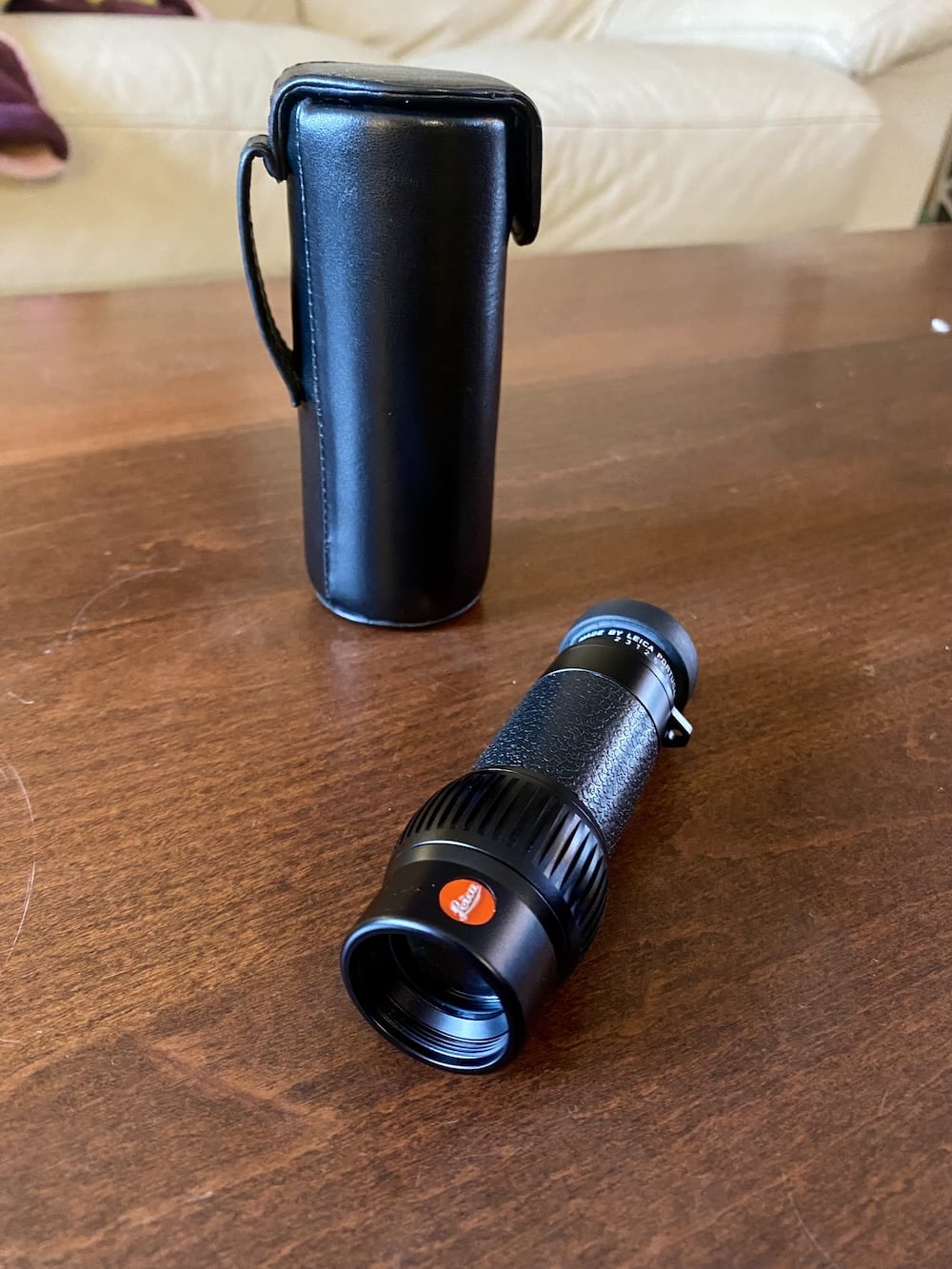
A Leica monocular serves as a primary tool for Wise’s birdwatching, a hobby that informs her lyrical perspective. She notes that observing birds in their natural habitat—unaware of being watched—offers a lesson in "indifference to human problems." This theme of existing as part of an ecology, rather than an observer of it, is a recurring motif in her songwriting. The monocular represents a commitment to seeing the world clearly, a trait that translates into her "lyrical assassin" reputation.
Heritage and Prophecy
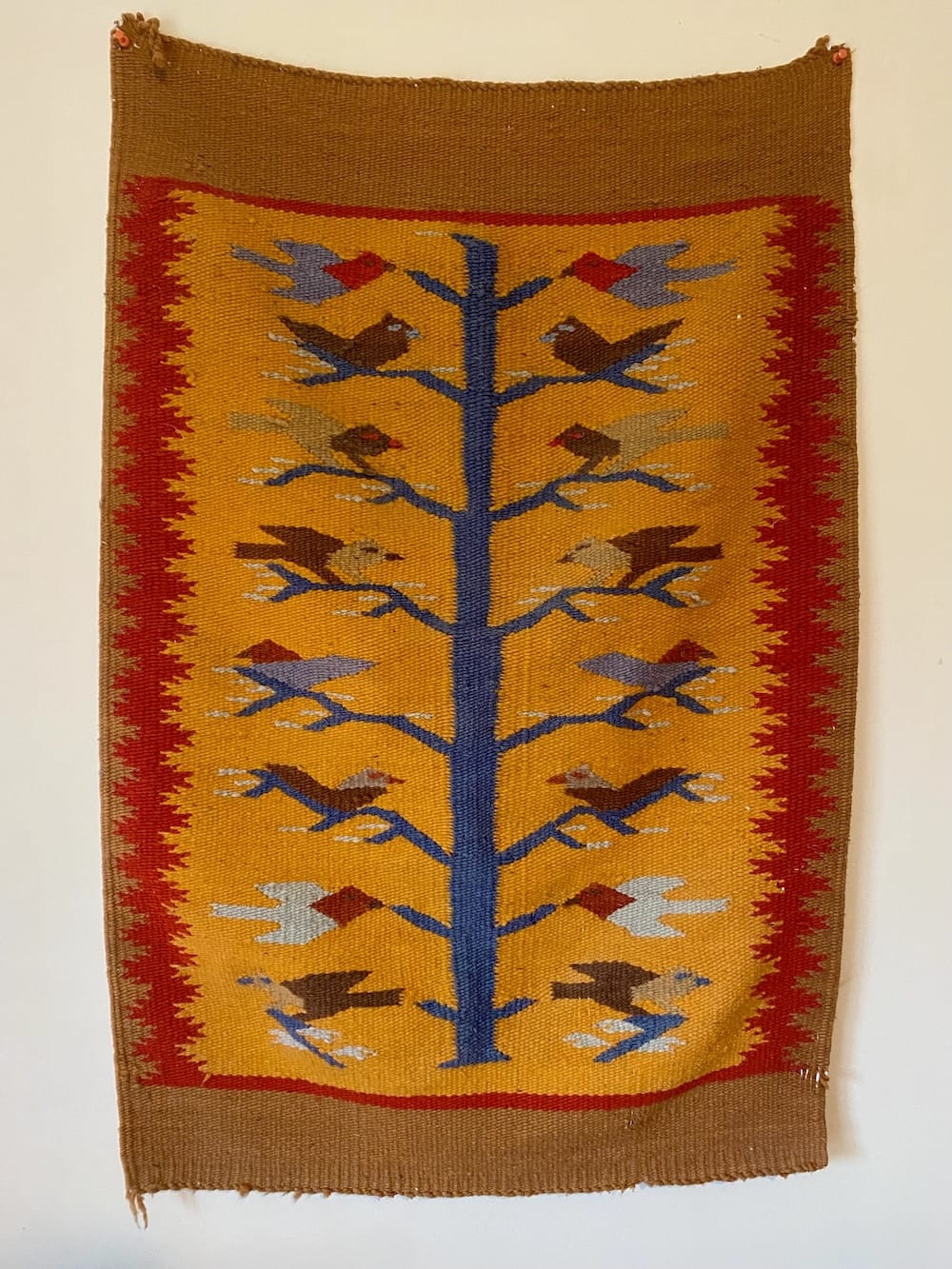
A hand-woven "Tree of Life" tapestry from Mexico, gifted by her grandmother, has followed Wise through every stage of her life. Originating from Oaxaca or Michoacán, the tapestry represents Mesoamerican traditions of community and fertility. For Wise, this object acts as a "material prophecy," anchoring her identity within a broader global and historical context.
The Analog Aesthetic
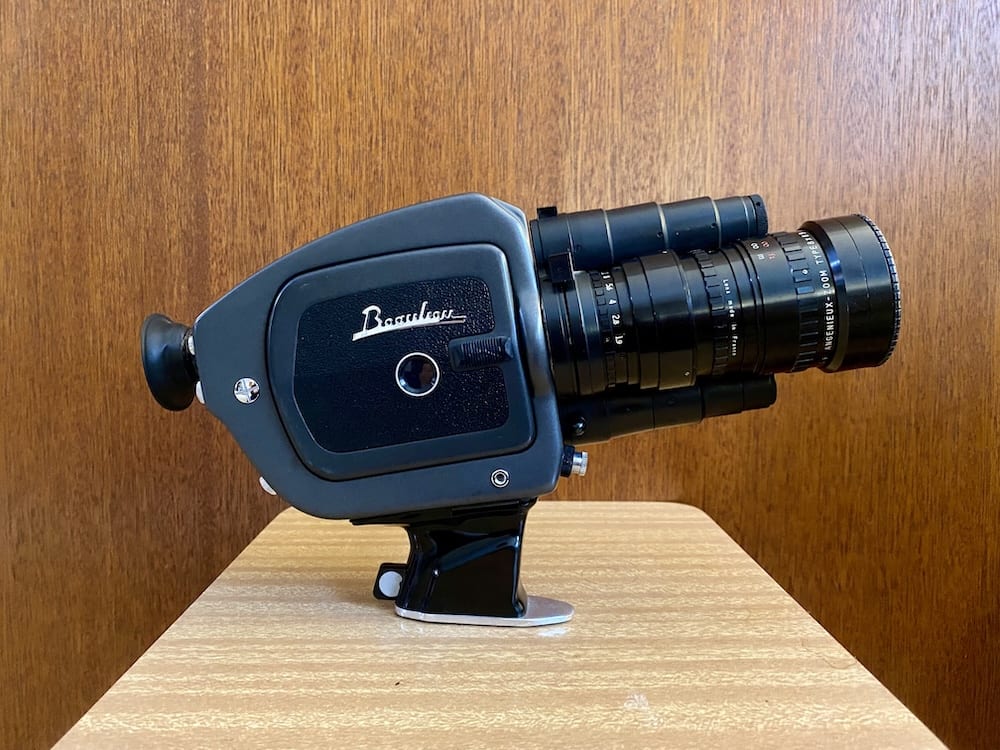
The visual identity of Wise’s work is as carefully curated as her sound. Her use of a 1971 Beaulieu 4008 ZM II Super 8 camera for the music videos of her first album highlights a preference for analog processes. The technical limitations of Super 8 film—allowing for only two minutes and forty seconds of footage per roll—require a level of precision and storyboarding that Wise finds "gratifyingly opposite" to modern content-creation culture. This dedication to the "terrifying" wait for film development mirrors the patience required in her songwriting process.
Supporting Data and the Melbourne Indie Scene
The success of artists like Rowena Wise is reflective of a broader trend in the Australian music industry, which has seen a resurgence in independent labels and "authentic" storytelling. According to data from the Australian Recording Industry Association (ARIA), independent labels have seen a 15% increase in market share over the last three years, driven largely by artists who prioritize touring and physical media.
Wise’s choice of Collingwood’s The Ratshack as a recording venue further aligns her with the "Melbourne Sound"—a loosely defined genre characterized by high-fidelity live recording and a focus on the city’s inner-north creative hub. The involvement of Remote Control Records, a label that has historically supported influential Australian acts, suggests a high level of industry confidence in Wise’s sophomore effort.
Official Responses and Critical Reception
The reception to Wise’s recent output has been overwhelmingly positive. A spokesperson for Beloved Records stated, "Rowena has a rare ability to hold beauty and mess in the same hand. *Bad Things Feel Good** is a testament to her growth as an artist who isn’t afraid to be truthful about the complexities of the human condition."
The triple j community’s labeling of Wise as a "lyrical assassin" has become a central part of her public persona. Music critics have pointed out that while her melodies are often gentle, her lyrics possess a surgical precision. This contrast is expected to be the defining feature of the new album, as she moves away from the "rebuilding" phase of Senseless Acts of Beauty and into a phase of "embracing contradictions."
Broader Impact and Implications
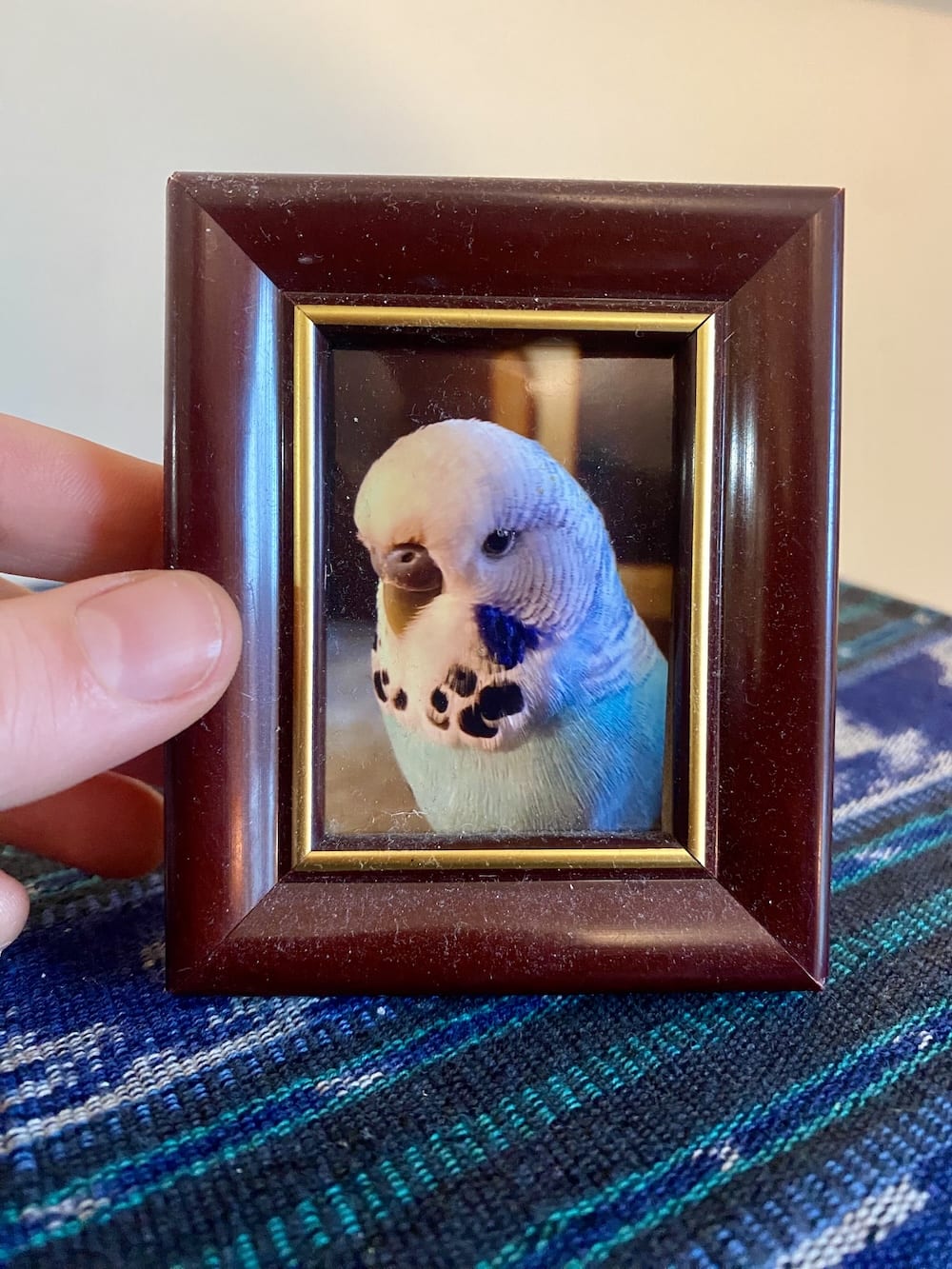
Rowena Wise’s trajectory provides a case study in the longevity of folk-inspired music in a digital age. By grounding her work in physical objects—be it a custom-made guitar, a vintage camera, or a travel-sized portrait of her pet budgie, Phillip—she creates a multi-dimensional brand that resonates with audiences seeking a tangible connection to the artists they support.
Furthermore, her focus on "the beauty of being truthful about the messiness of being human" aligns with a growing cultural shift toward vulnerability in art. The inclusion of the "Cursed Chasseur Cooking Pot" in her list of significant objects—a 21st-birthday gift that became a "vomit receptacle" during a night of youthful excess—demonstrates a willingness to de-romanticize the artist’s life. This honesty is likely what facilitates the "intimacy" her listeners report.
As August 7 approaches, the release of *Bad Things Feel Good* is poised to be a landmark moment for the Melbourne music scene. The album’s exploration of life’s dualities, supported by a rigorous live-recording process and a deep-seated respect for folk traditions, positions Rowena Wise as a vital voice in contemporary Australian music. Her ability to synthesize the esoteric insights of poets like David Whyte—whose book Consolations* she cites as a major influence—with the grounded reality of a small-town upbringing suggests that her sophomore effort will be both a critical and emotional success.
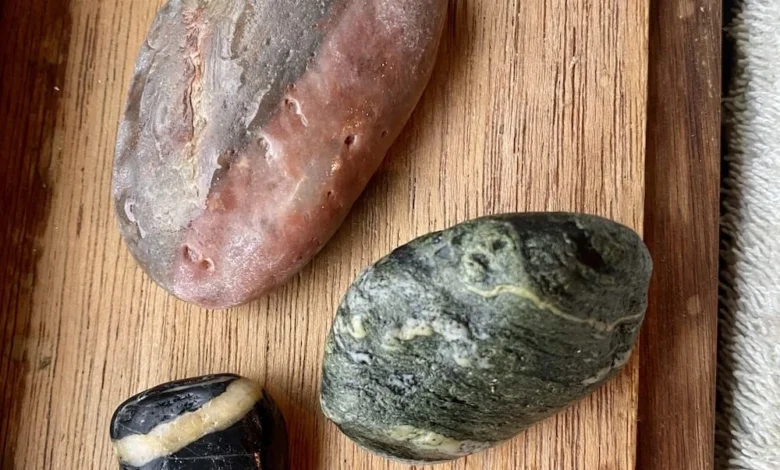
The final tracks of the album, much like the stones she collected from a beach in Portugal, are expected to be products of "heat, pressure, and erosion," offering a sense of longevity and indifference to the fleeting nature of the modern music cycle. In an industry often obsessed with the "new," Wise’s commitment to the "enduring" provides a refreshing and necessary counter-narrative.
Related posts: