Treaty Oak Revival Pleads With Fans to Stop Throwing Objects After Concert Injuries Highlight Years of Unchecked Crowd Danger

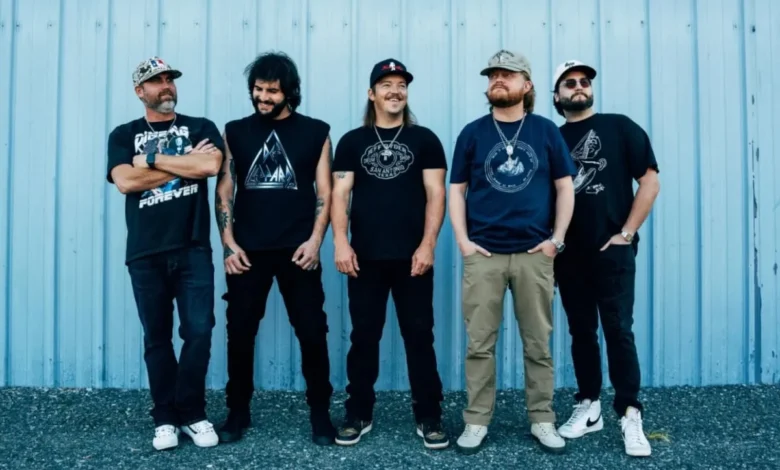
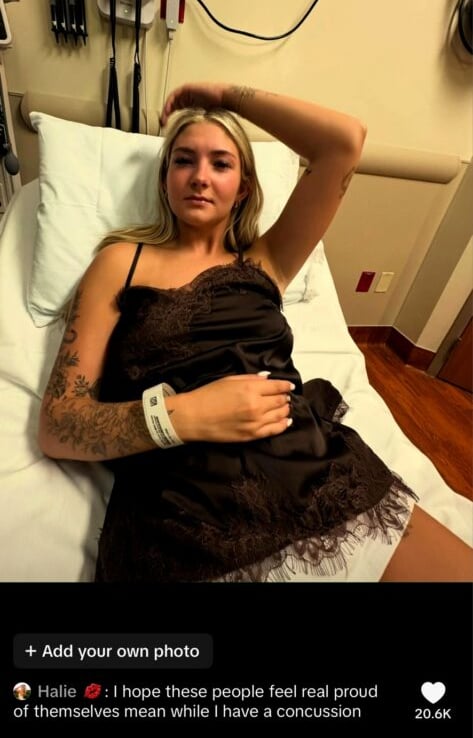
The ongoing safety crisis at concerts featuring the rock-leaning Texas band Treaty Oak Revival reached a critical juncture following a severe incident at the Jiffy Lube Live venue in Bristow, Virginia. During a performance on September 18, an audience member was struck in the head by a thrown lawn chair, resulting in a diagnosed concussion and subsequent hospitalization. The incident was captured on multiple attendee videos circulated widely across social media platforms, showing the heavy object flying unpredictably through a dense crowd.
This dangerous occurrence is far from an isolated event. Over the past two years, what began as localized rowdiness has transformed into a hazardous phenomenon defined by projectiles—ranging from half-full beer cans and trash cans to structural folding chairs—being hurled through the air during performances, particularly during the band’s high-energy track, "Boomtown." As mounting injuries continue to plague concertgoers, industry observers, venue operators, and the band members themselves are confronting the grim reality of a fan culture that has spiraled entirely out of control.
A Timeline of Escalating Danger and Concert Injuries
The normalization of hurling heavy objects at Treaty Oak Revival shows has developed progressively over several years, fueled by permissive messaging, viral marketing, and a general lack of early intervention from the band’s core leadership.
The physical toll on audiences has been documented since early 2025. In April 2025, a young attendee—approximately 13 years of age—was struck in the back of the head by a heavy, nearly full beer can during the second song of a Treaty Oak Revival set, collapsing to the ground in tears with injuries indicative of a concussion. Despite immediate warnings from observant journalists and independent artists regarding the extreme hazards of the environment, the behavior was frequently minimized, defended, or leveraged as edgy promotional material.
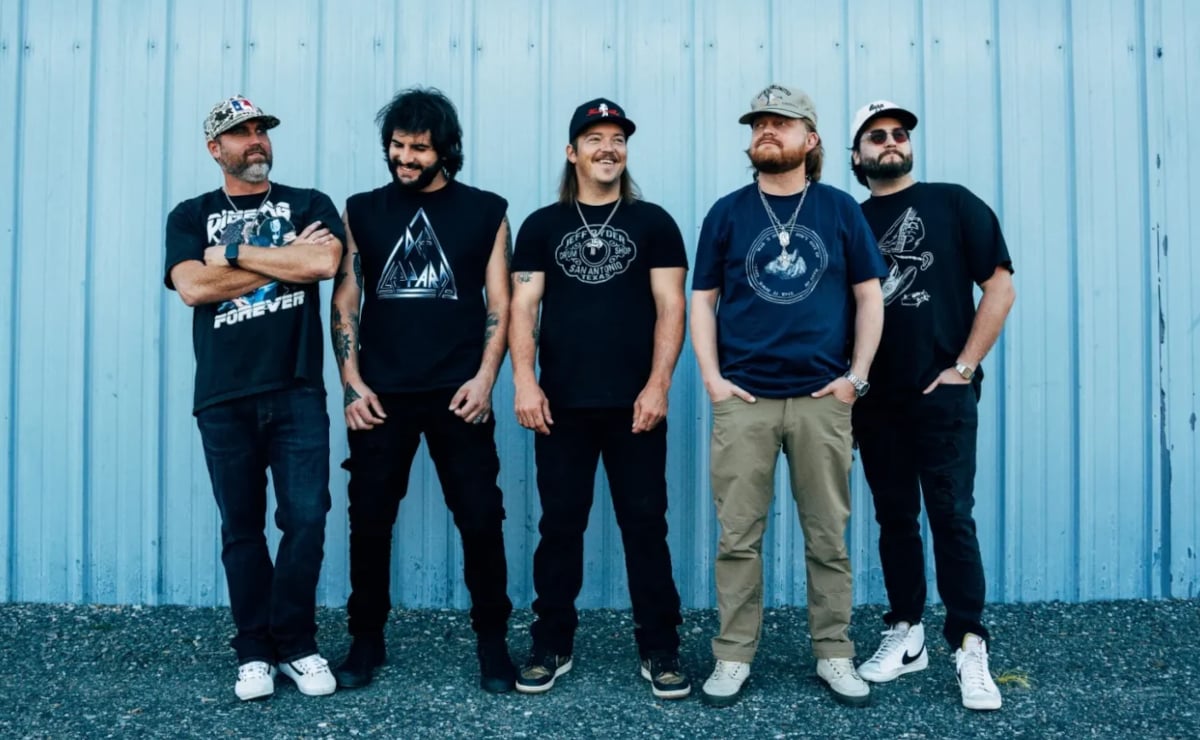
By the summer of 2025, the projectiles escalated from aluminum cans to hard objects. In July 2025, concert footage highlighted fans throwing garbage cans and other heavy debris. A notable incident occurred in August at the Rock The Country Festival in Hastings, Michigan, where audience members lofted folding chairs into the air.
Even prestigious, historically protective venues failed to deter the crowds. When Treaty Oak Revival performed at Nashville’s historic Ryman Auditorium—often referred to as the Mother Church of Country Music—in May 2026, management and the band went to significant lengths to curb the behavior. Digital projections and physical signage explicitly asked attendees to respect the venue and refrain from throwing items. Despite these direct pleas, audience members ignored the warnings, littering the historic stage and venue floor with debris.
Mixed Messaging and Internal Contradictions
For months, the band’s official stance on the throwing tradition remained conflicted, characterized by mixed signals from members, family associates, and management. While occasional attempts were made to redirect the chaos, the underlying culture of aggressive audience participation remained intact.
In February 2026, Kelsi Canty, the wife of frontman Sam Canty, posted a video attempting to instruct fans on how to properly discard beverage containers without causing harm. Demonstrating with a plastic water bottle, she urged fans to toss items straight up over their heads rather than throwing heavy objects across the room. However, she also vehemently defended the band against online critics, asserting that the group had never explicitly encouraged fans to throw items at the stage or into the crowd—a defense complicated by the band’s own energetic stage presence, which often involves members slinging liquids toward the audience upon taking the stage.
Management responses during the early stages of criticism further inflamed tensions. When industry watchdogs raised safety concerns following the April 2025 beer-can incident, the band’s manager, Eli Kidd, aggressively dismissed the criticism. Mainstream music publications subsequently featured the behavior in profile pieces, framing the chaotic fan culture as a badge of rebellious authenticity rather than an active public safety hazard. Outlets such as Rolling Stone Country published features examining the phenomenon later that year, inadvertently cementing the narrative that the danger was an accepted, marketable aspect of the live experience.
The Band’s Direct Plea and Capitulation
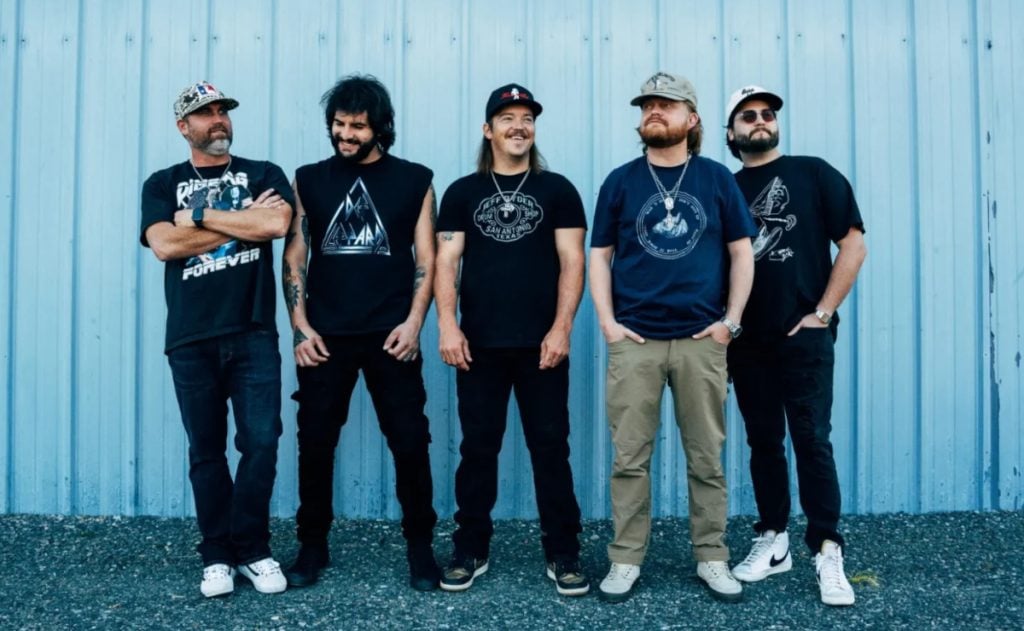
Faced with mounting legal liabilities, severe fan injuries, and growing pushback from venues and independent artists—such as country singer Braxton Keith, who publicly criticized the hazardous concert environment—frontman Sam Canty released a formal video statement on behalf of the band on September 24.
Addressing the audience directly, Canty acknowledged the severity of recent events. "We’ve seen the videos, and we’re not happy with what we’re seeing," Canty stated. "We put signs up, but I guess y’all don’t see them. So we will say it from us directly: Please stop throwing sh-t into the crowd or at the stage during ‘Boomtown.’ We’re all for beer showers; we’re all for crowd surfing… but please do not throw hard objects into the f-cking crowd. It’s hurting people, and we don’t f-cking condone it."
While the statement represents the band’s most explicit condemnation of the practice to date, legal and safety analysts suggest the message comes far too late to undo the precedent set over years of permissive branding. Having cultivated an atmosphere where structural property and heavy debris are weaponized for entertainment, reversing the tide through a single social media video presents an immense challenge.
Broader Implications for Live Music and Venue Security
The Treaty Oak Revival situation serves as a cautionary tale for modern live entertainment, exposing the vulnerabilities within crowd management, music journalism, and artist liability.
From a legal perspective, injured attendees such as the victim in Virginia possess a substantial foundation for potential litigation. Legal experts note that documentation of prior incidents, coupled with the band’s historical marketing of chaotic audience behavior and defensive management responses, creates significant civil exposure for both performers and event organizers.
Furthermore, venue operators are increasingly reevaluating the logistical viability of hosting acts whose fanbases routinely damage property and endanger minors. The restriction of concessions—such as transitioning exclusively to soft plastic drinkware or limiting container sizes—has become a mandatory precaution for venues attempting to mitigate potential trauma.
Ultimately, the trajectory of Treaty Oak Revival’s audience culture highlights the fine line between high-energy rock performance and reckless endangerment. As the live music industry grapples with rising safety standards in the post-pandemic era, the expectation of a secure environment for all concertgoers remains paramount, rendering "traditions" that risk severe bodily injury increasingly untenable in professional touring circuits.
Related posts: