The Art of the Mixtape: A Journey Through Sound, Memory, and the Evolution of Music Curation

The advent of modern digital music consumption has undeniably transformed how we access and interact with music. Yet, a recent reflection on the analogue past, sparked by a simple social media post, has unearthed a profound nostalgia for a more deliberate and intimate form of musical expression: the mixtape. This journey back in time delves into the meticulous craft of mixtape creation, its cultural significance, and its enduring legacy in the age of instant digital playlists.
The genesis of this reflection can be traced to a Facebook post shared on the HiFi PiG page, which featured the Pink Floyd edition of the We Are Rewind cassette player. This contemporary device, designed to evoke the iconic Sony Walkmans of the 1980s, blending Bluetooth connectivity and rechargeable batteries with a distinctly retro aesthetic, prompted a comment from a user named Linette: "Ah, the art of the mix tape." This simple observation served as a powerful catalyst, transporting the author back to a formative period of musical engagement in their youth.
The Genesis of Intent: Crafting the Mixtape
In an era predating the ubiquitous digital playlist, the creation of a mixtape was a far more involved and thoughtful process. It was not merely a matter of compiling a collection of songs; it was an exercise in curation, storytelling, and personal expression. The selection of music was only the initial step. The true artistry lay in the sequencing, where each track played a crucial role in the overall narrative. An effective mixtape was designed to captivate the listener from the outset, leaving a lasting impression with its concluding song, and weaving a coherent sonic journey in between. The order of tracks was paramount, dictated by the intended mood or message of the compilation. This painstaking process of arrangement can be seen as the precursor to modern playlist creation, a digital descendant that, while convenient, often lacks the tangible effort and deliberate intention of its analogue forebear.
The music industry’s early response to home taping was characterized by a palpable anxiety. The ubiquitous "Home Taping Is Killing Music" logos, prominently displayed on record sleeves, underscored a genuine belief that the ease of cassette duplication posed an existential threat to record sales. This perspective, however, proved to be short-sighted. While the industry grappled with the implications of analogue copying, it was ill-prepared for the seismic shifts brought about by the digital revolution, particularly the advent of peer-to-peer file-sharing platforms like Napster in the late 1990s and early 2000s, which enabled the global dissemination of music on an unprecedented scale, far beyond the reach of any analogue tape.
The Visual and Tactile Dimension: Beyond the Music
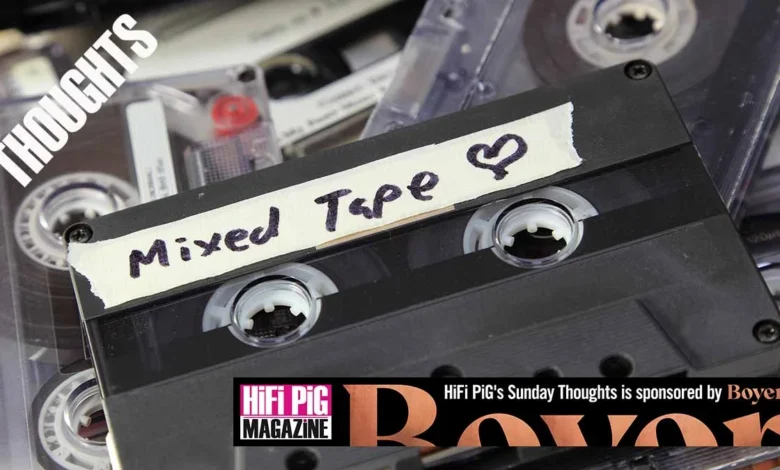
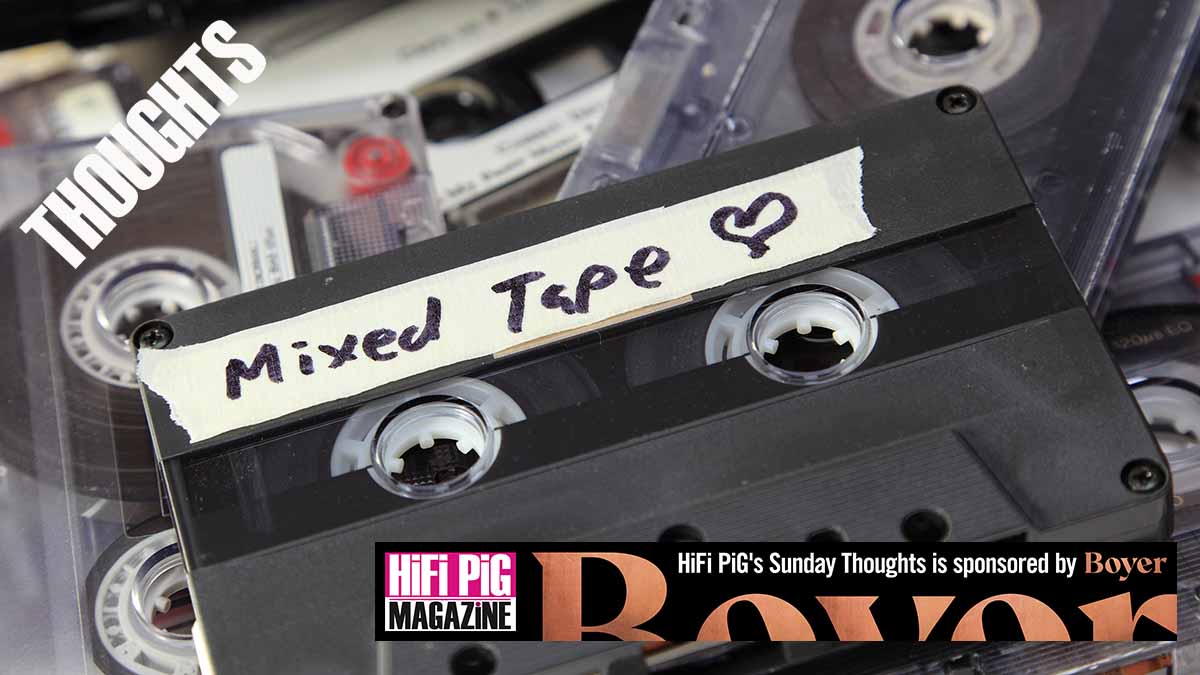
The creative process of mixtape making extended beyond the sonic selection and arrangement. The physical presentation of the mixtape was an integral part of the gift. The creation of the cassette insert, a small card designed to hold the track listing, demanded meticulous attention. For those with less-than-perfect penmanship, like the author, this was a particular challenge, requiring careful planning to ensure legibility. Often, the spine of the cassette would be adorned with hand-drawn designs or lettering that reflected the musical content within, adding a personal and artistic touch.
For compilations intended for friends or potential romantic interests, the effort invested in the sleeve design was a clear signal of the maker’s care and consideration. The cover was not merely a label; it was an extension of the music itself, a visual representation of the hours of thought and dedication poured into the selection and organization of songs. This was particularly true for mixtapes gifted to members of the opposite sex, where the carefully crafted compilation was often an elaborate courtship ritual. The author estimates having created dozens of such tapes throughout their youth, each a unique artifact of their musical taste and evolving social landscape.
These personal compilations served a variety of purposes. Some were shared among friends, a collaborative effort to spread musical discoveries. Others were crafted with romantic intentions, though the author wryly admits to the limited success of these particular sonic overtures. Many were simply an enthusiastic attempt to introduce others to newly discovered bands, a testament to the sheer joy of sharing music. In retrospect, these mixtapes served as a reflection of the creator’s identity, with each track chosen for a specific, albeit sometimes now forgotten, reason, imbued with a palpable sense of intention and personal meaning.
Experimentation and Early Recordings: Beyond Imitation
The creative impulse extended beyond the mere replication of existing music. Like many teenagers fueled by enthusiasm rather than polished talent, the author and their friends embarked on their own musical ventures. One particularly memorable endeavor involved a rewritten rendition of AC/DC’s "She’s Got the Jack," a parody that, while deemed hilarious by its creators, elicited a less enthusiastic response from the author’s mother upon discovery. The lyrical reimagining, intended for comedic effect, proved to be somewhat more risqué than anticipated, and thankfully, the tape never reached its intended audience. This youthful foray into musical creation, though perhaps crude by professional standards, highlights a fundamental aspect of artistic exploration: the desire to experiment and express oneself, even through imitation and modification.
The DJ’s Canvas: Mixtapes as Performance Records
As the author transitioned into the world of DJing a few years later, the cassette recorder found a new purpose. Recording DJ sets became a standard practice, serving multiple objectives: a critical tool for self-assessment of mixing skills, a sought-after commodity for friends requesting copies, and simply a customary activity for DJs at the time. Marathon sets, often lasting six or seven hours at parties, would result in a collection of tapes that were frequently distributed amongst acquaintances. It is plausible that some of these recordings still reside in attics or forgotten corners, awaiting rediscovery.
A particularly vivid memory recounts discovering that organizers of a club night called Sativa at The Vaults in Edinburgh would have tapes of the author’s radio show, broadcast from Sunderland, sent to them. This experience led to multiple performances at the club, with at least one of those nights achieving legendary status, not solely for the music played. The author possesses a single surviving tape, a recording of a radio show they co-hosted with their friend Maz many years ago, titled "The Midnight Train To Doomsville." This tape, meticulously recorded by another friend and preserved through numerous house moves and decluttering efforts, stands as a poignant memento. It represents a "tiny time capsule from a version of me that barely exists any more." The recording itself was of a show posthumously dubbed "The Big Space Show." In essence, Maz and the author, under the influence of LSD, played BBC special effects records and occasional actual music for two hours on a radio station that had been recognized as Sony Radio Station Of The Year in the early 1990s. This legendary broadcast, the details of which remain hazy, serves as a testament to youthful experimentation and a period of creative freedom.
The Digital Paradox: Ease vs. Meaning
In the present day, the author dedicates a couple of hours most evenings to DJing, yet refrains from recording their sets. The reasons for this abstention remain somewhat elusive. Storage is no longer a constraint, with digital capacity far exceeding any need to archive every mix. However, this very effortlessness might be the crux of the issue. When a task becomes too easy, it can diminish its perceived importance and emotional resonance.
This sentiment extends to contemporary playlist creation. Streaming services like Qobuz and Spotify have democratized playlist curation, making it a remarkably straightforward endeavor. While playlists have proven invaluable for specific contexts, such as audio shows, the author rarely creates them for personal use. They fail to evoke the same visceral satisfaction as the creation of a physical mixtape. Perhaps it is the inherent deliberateness and ritualistic nature of mixtape making that is missed. Recording in real-time demanded complete immersion and commitment; there was no room for impulsive rearrangement of tracks as one might do with digital files.
Looking back, the process of making a mixtape, while undeniably inconvenient by today’s standards, imbued the final product with a deeper meaning. The author has previously articulated the idea that the rituals surrounding music are often as significant as the music itself. This includes the physical act of placing a record on a turntable, lowering the stylus, meticulously cleaning an LP before playback, or simply dedicating focused attention to listening rather than mere passive hearing. The mixtape represented another of these cherished musical rituals, a practice that the author now finds themselves missing.
Ultimately, the significance of the mixtape transcended the physical medium. It was a tangible manifestation of thought and consideration, a declaration of "I heard these songs, and they made me think of you." It was an act of musical introduction, a way to share the joy of discovering new sounds or, in retrospect, to capture fleeting moments of personal experience before they receded into the past.
The Enduring Echo: Nostalgia and the Future of Curation
While the author acknowledges the unlikelihood of creating another mixtape in the conventional sense, they remain open to the possibility. The world has evolved, and for the most part, so has the author, though some might dispute this assertion. Nevertheless, the mere mention of "the art of the mixtape" in a social media comment can instantly transport them back to the age of thirteen, standing before a pile of records, finger poised over the pause button of a decidedly rudimentary Amstrad Tower system.

The enduring appeal of the mixtape lies not solely in its analogue nature, but in the intentionality it demanded. In an age of instant gratification and algorithmic recommendations, the deliberate act of selecting, sequencing, and physically assembling music offers a valuable counterpoint. It reminds us that the most meaningful connections with music are often forged through effort, reflection, and a deeply personal touch. While digital playlists offer unparalleled convenience, the art of the mixtape serves as a potent reminder of a time when music consumption was a more deliberate, ritualistic, and ultimately, more profoundly personal experience.
About the Author:
Stu, a seasoned contributor to the HiFi PiG community, brings a wealth of experience and a discerning ear to his "Sunday Thoughts" column, offering insightful reflections on the world of audio and music.
Read More Sunday Thoughts: [Link to Sunday Thoughts category]
Join the conversation over on Facebook: [Link to HiFiPig Facebook page]
Afterthought: The author’s search for the specific mixtape mentioned in the article proved fruitless. However, a box labeled "Roughneck Sounds (my band) Hartlepool Ritz" was discovered. The actual tape within this box contains a recording of one of their very early radio shows, titled "Wear Off The Wall 1990," which the author intends to upload at a future date. This serendipitous find further underscores the enduring power of these analogue artifacts to preserve memories and spark new reflections.
Related posts: