The Muddy Waters Exhibit in Westmont Illinois stands as a vital cultural repository for blues history

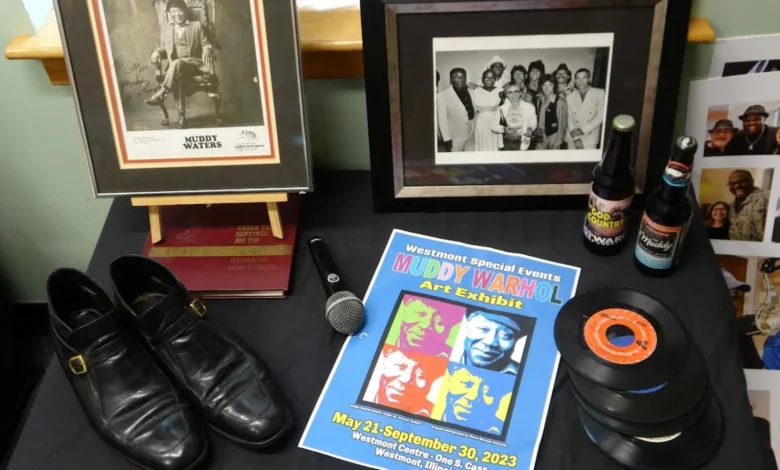
The Muddy Waters Exhibit, located within the Westmont Center in Westmont, Illinois, serves as a poignant, meticulously curated testament to the life and enduring influence of McKinley Morganfield—the man known to the world as Muddy Waters. While the Mississippi Delta gave birth to his sound and Chicago’s South Side provided the urban crucible for his electric revolution, Westmont became the quiet sanctuary where the father of modern Chicago blues spent his final decade. Curated by Larry McIntyre, this exhibit offers an intimate glimpse into the private life of a musical icon, housing over 60 distinct artifacts that trace the arc of a career that fundamentally reshaped American music.
A Sanctuary for the Father of Modern Blues
The significance of the Westmont collection lies in its authenticity. The majority of the items on display were generously donated by Marva Jean Brooks, Waters’ third wife, ensuring that the collection remains anchored in the personal history of the artist rather than merely his public persona. For scholars, historians, and fans alike, the exhibit provides a rare bridge between the high-octane performance of the blues and the domestic reality of a man who traveled from the plantations of Stovall, Mississippi, to the global stage.
Muddy Waters relocated to Westmont in 1973, seeking a reprieve from the frenetic pace of his Chicago life. He remained in the village until his passing on April 30, 1983. By establishing this exhibit, McIntyre has effectively reclaimed a chapter of blues history that might have otherwise been lost to time, turning a humble room into a pilgrimage site for those who recognize the foundational role Waters played in the development of rock and roll, blues-rock, and folk-blues.
Chronology of an Icon: From Stovall to Westmont
To understand the weight of the artifacts within the Westmont Center, one must consider the trajectory of Waters’ later years. By the late 1970s, despite his status as a living legend, Waters had faced a period of professional stagnation. The shift in the musical landscape toward disco and arena rock had pushed traditional blues to the margins.
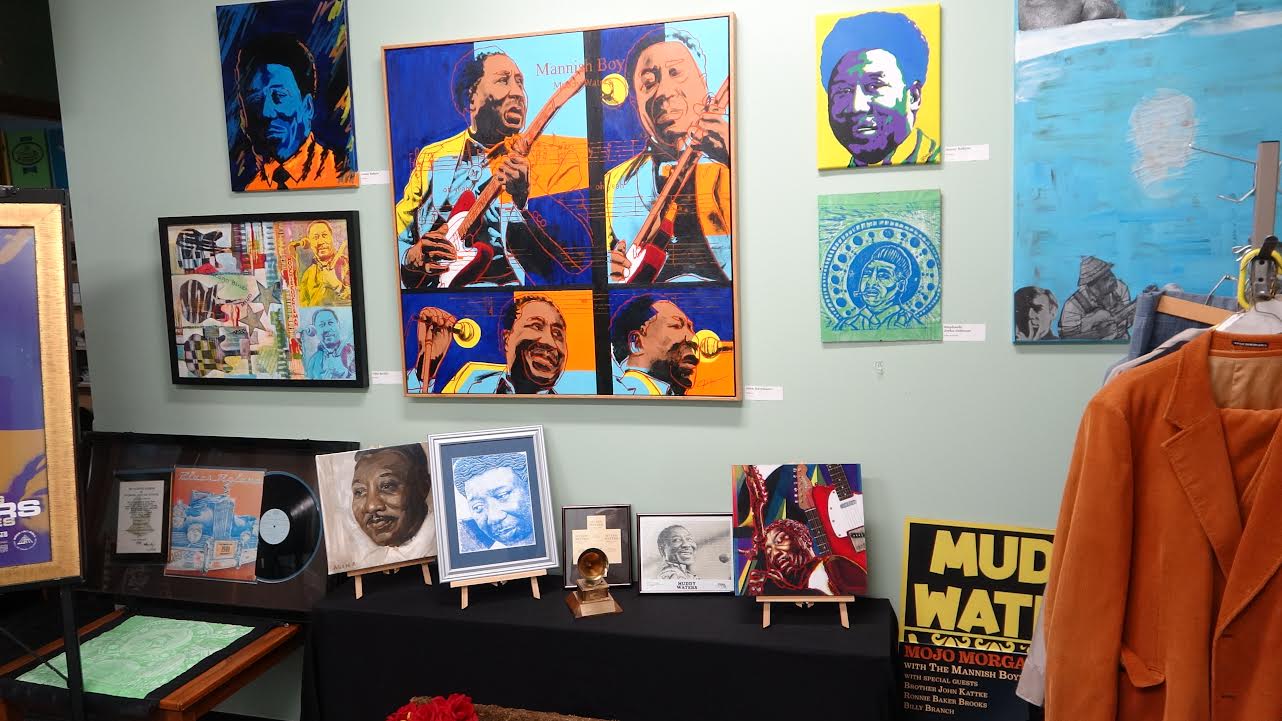
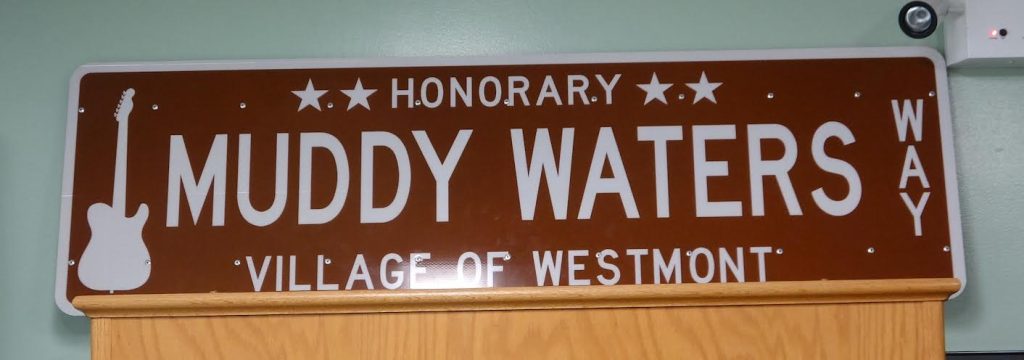
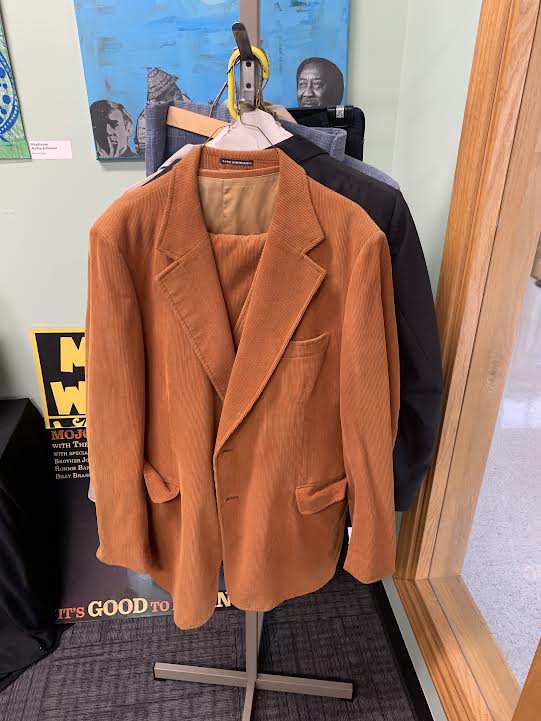
The revival of his career was largely spearheaded by guitarist and producer Johnny Winter. Between 1977 and 1981, Winter produced a trilogy of albums that brought a sharp, muscular intensity back to Waters’ sound. This period culminated in the 1981 release of King Bee, his final studio album. Among the most striking items in the Westmont exhibit is the bright orange suit jacket Waters donned for the King Bee cover session. It stands as a visual marker of this late-career renaissance, proving that even in his final years, Waters possessed the charisma and artistic drive to command the industry’s attention.
Curatorial Highlights and Rare Memorabilia
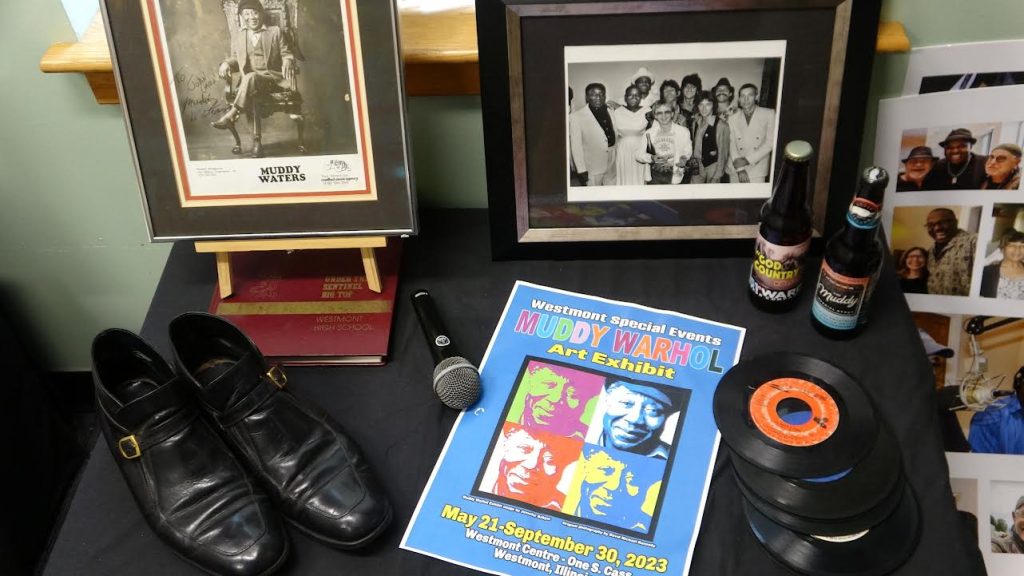
The exhibit functions as a chronological map of Waters’ professional life. Visitors are greeted by a series of artistic portraits rendered in the style of Andy Warhol, which underscore the artist’s cross-generational appeal and his status as a pop-culture icon.
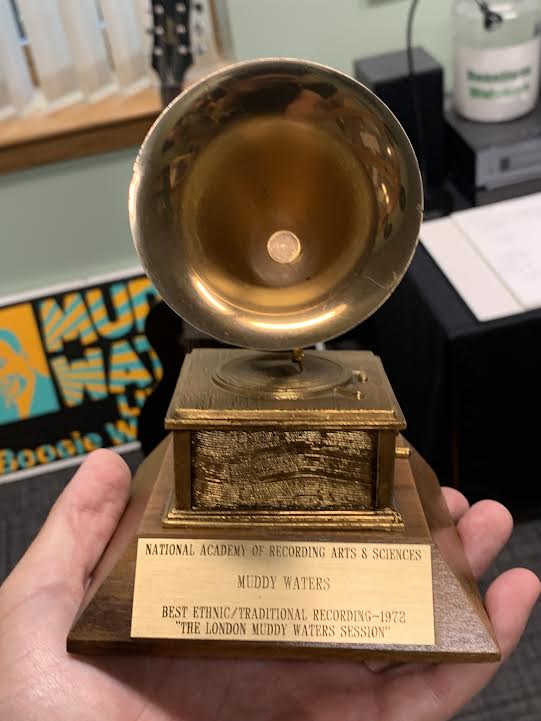
Perhaps the most significant piece in the collection is his 1972 Grammy Award. The physical object is a fascinating historical footnote: it was awarded for The London Muddy Waters Session under the category of "Best Ethnic/Traditional Recording." At the time of the award, the Recording Academy had not yet established a specific category for the blues. This artifact serves as a reminder of the historical struggle to categorize and validate blues music within the mainstream American canon.
Beyond the accolades, the exhibit includes:
- Business Ephemera: Personal music business cards from his time in Westmont, illustrating the administrative side of a working musician.
- Civic Recognition: An honorary Westmont Road sign, representing the town’s pride in its connection to the blues giant.
- Personal Effects: His vintage black leather dress shoes, which offer a grounding, humanizing touch to the legend.
- Collaborative Evidence: A rare photograph of Waters with Chuck Berry, serving as a silent testament to the interconnected nature of the early rock and blues scenes.
Institutional Support and Public Accessibility
The preservation of this exhibit is a result of a concerted effort by the local community and the dedication of Larry McIntyre. Unlike larger, institutional museums that often struggle with the intimacy of personal history, the Westmont Center manages to maintain a sense of reverence and closeness.
The exhibit is not static; it is an active outreach project. The Westmont Special Events office facilitates tours for schools, music programs, and private groups, ensuring that the legacy of Muddy Waters remains accessible to younger generations. By maintaining a presence at 1 S Cass Ave, the village of Westmont has integrated its local heritage with the broader narrative of 20th-century American music.
Implications for Future Preservation
The existence of such a specialized, community-led exhibit highlights a critical trend in music history: the shift toward decentralized archives. As traditional record labels and mainstream music museums often prioritize broad, commercially viable narratives, local exhibits like the one in Westmont act as custodians of the "in-between" spaces—the homes, the neighborhood offices, and the personal mementos that tell the story of a life lived outside of the recording studio.
The implications for the study of blues history are profound. By analyzing the artifacts donated by Marva Jean Brooks, researchers can better understand the logistical challenges faced by blues artists during the 1970s and 80s—an era that is often overlooked in favor of the more documented 1950s "Chess Records" period.
Conclusion and Visitor Information
The Muddy Waters Exhibit is more than a display of objects; it is an essential resource for anyone seeking to understand the man behind the music. It challenges the visitor to see beyond the guitar-wielding powerhouse and into the world of a man who found peace in the suburbs of Illinois while still carrying the heavy, rhythmic soul of the Delta.
For those interested in exploring the history preserved by Larry McIntyre, the Westmont Center is open for scheduled tours. Visitors are encouraged to reach out to the Westmont Special Events office to ensure a comprehensive experience.
Visitor Details:
- Location: 1 S Cass Ave, Westmont, IL 60559
- Scheduling: Contact the Westmont Special Events office via email at [email protected] or by telephone at 630-829-9378.
As the blues continues to influence contemporary genres, the importance of maintaining sites of memory like the Westmont exhibit cannot be overstated. It is a humble, necessary tribute to the man who famously noted that the "blues had a baby and they named it rock and roll." Through this exhibit, that legacy remains alive, documented, and available for all who wish to walk the path of the blues.