The Yellow Tie: John Malkovich and the Complicated Legacy of Sergiu Celibidache on Screen

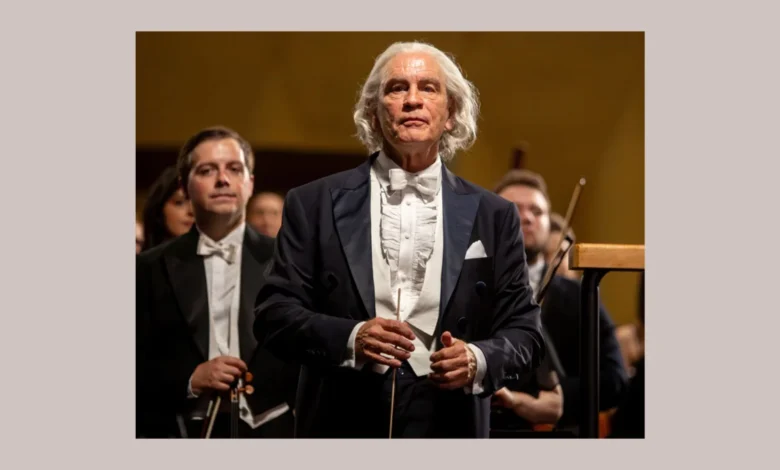
The recent London premiere of The Yellow Tie, a biographical feature film detailing the life and professional tribulations of the renowned Romanian conductor Sergiu Celibidache, has sparked a complex dialogue regarding the intersection of artistic integrity and commercial necessity. Starring John Malkovich as the titular maestro, the film attempts to grapple with the formidable, often contradictory personality of one of the 20th century’s most polarizing figures in classical music. The production, which leans heavily into the conductor’s legendary disdain for the recording industry, serves as both a portrait of a perfectionist and a meditation on the evolving landscape of the music business.
The Opening Act: A Portrait of Artistic Resistance
The narrative framing of The Yellow Tie establishes its central conflict within the first act. The film depicts an elderly Celibidache at his French estate, engaging in a heated confrontation with a delegation of Japanese record executives. The point of contention—the posthumous or commercial release of his live performances—is not merely a plot device; it reflects the real-world philosophical stance that defined the latter half of Celibidache’s career.
In the film, the interaction devolves into a visceral outburst. When confronted with the suggestion that the economics of the industry have rendered the traditional gatekeeping of classical music obsolete, the fictionalized Celibidache retorts, “People like you are killing classical music!” This scene underscores the core tension of the film: the clash between a man who viewed music as a metaphysical experience—one that could only exist in the ephemeral "now" of a live performance—and a modern industry predicated on the preservation and dissemination of digital assets. The inclusion of Miranda Richardson, portraying his life partner Ioana, provides a grounding domestic perspective to the conductor’s volatile public persona, illustrating the personal toll of his unyielding convictions.
Chronology of a Controversial Career
To understand the weight of the film’s narrative, one must consider the historical trajectory of Sergiu Celibidache (1912–1996). His life was marked by a series of meteoric rises and self-imposed exiles.
- 1945: Celibidache is appointed the acting principal conductor of the Berlin Philharmonic at age 33, a position he held during a critical period of post-war reconstruction.
- 1954: Following the appointment of Herbert von Karajan as the permanent successor to Wilhelm Furtwängler, Celibidache effectively leaves the Berlin Philharmonic, beginning a long period of professional wandering.
- 1979: He assumes the role of music director for the Munich Philharmonic, a post he holds until his death in 1996. It is during this era that his refusal to record becomes a hallmark of his identity.
- 1996: Celibidache passes away in Paris. Following his death, his estate—headed by his son, Serge Ioan Celibidache—began authorizing the release of his live recordings, a move that the film directly addresses through its opening conflict.
Philosophical Stance: The Phenomenology of Music
The film’s focus on the conductor’s refusal to record is rooted in his deep-seated phenomenological approach to music. Celibidache argued that a recording could never replicate the "transcendental" experience of a live concert. He believed that the acoustics of a specific space, combined with the collective energy of the audience and the musicians, created a unique soundscape that could not be captured by microphones.

His anti-recording stance was not merely a stubborn quirk; it was an aesthetic doctrine. He maintained that a record was a "fossilized" version of a performance, stripping the music of its dynamic, living quality. Critics of the time often viewed this as an elitist or counterproductive position, as it limited his influence to those fortunate enough to attend his concerts. However, the film highlights the internal logic of this position, portraying a man terrified that his life’s work would be diminished by the limitations of playback technology.
Industry Implications and the Digital Shift
The conflict depicted in The Yellow Tie resonates with broader contemporary debates in the arts. As the classical music industry shifts toward streaming platforms, the accessibility of music has increased exponentially, yet the "aura" of the performance—a concept explored by philosopher Walter Benjamin—remains a subject of intense academic and professional debate.
When the fictional Celibidache scolds the record executives, he is articulating a fear that many traditionalists still harbor today: that the commodification of art leads to a reduction in its perceived value. From a factual standpoint, the transition of the classical industry from physical media to streaming has drastically altered revenue models. In 2026, the year of the film’s release, the industry continues to struggle with the disparity between the high cost of maintaining professional orchestras and the relatively low per-stream payouts provided by major platforms.
Production and Performance Analysis
John Malkovich’s portrayal of the maestro is being lauded for its intensity, if not for its adherence to the specific idiosyncratic mannerisms of the conductor. Malkovich, known for his ability to embody mercurial, high-intellect characters, captures the "tyrannical" aspects of Celibidache’s podium presence.
The production design of The Yellow Tie meticulously reconstructs the mid-to-late 20th-century European concert halls where Celibidache exerted his greatest influence. By focusing on the interplay between the conductor and his orchestra, the film serves as a masterclass in the technical demands of orchestral leadership. It highlights the rehearsal process—often brutal and exhausting—that was required to achieve the level of precision for which Celibidache was famous.
Official Responses and Critical Reception
While the film has been met with critical acclaim for its cinematography and central performance, it has also faced scrutiny from purists who feel the narrative simplifies the complex legal and ethical battles that took place after the conductor’s death.
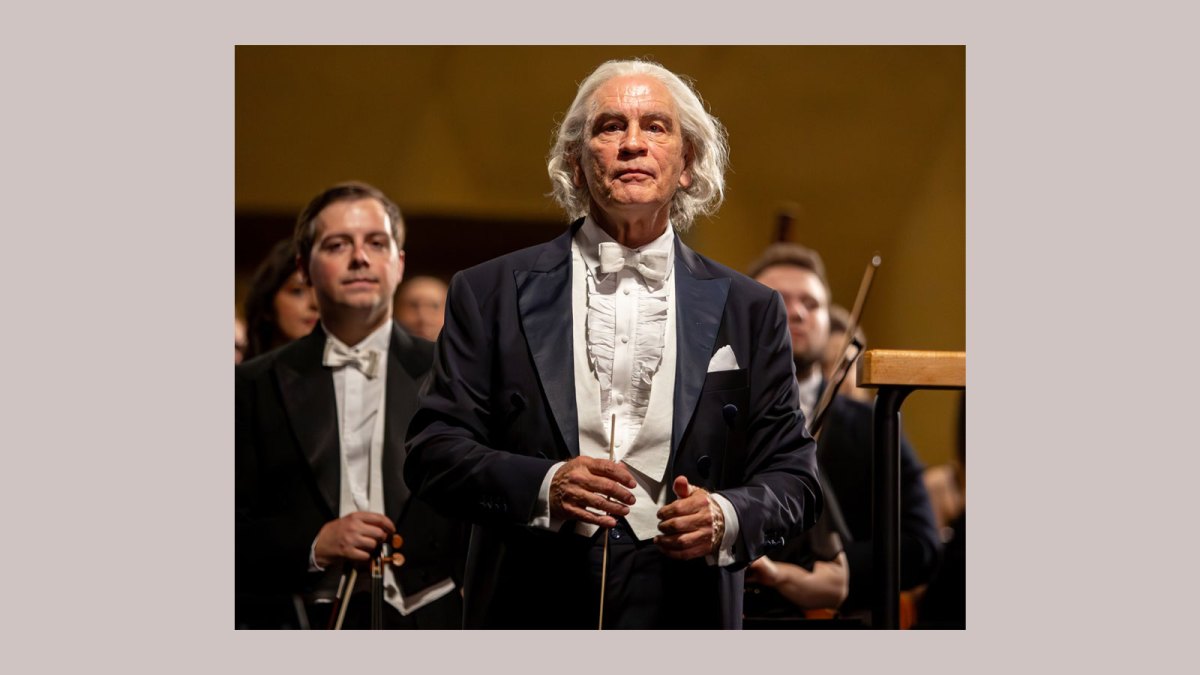
The estate of Sergiu Celibidache has been closely involved in the development of the film, which lends it an air of authorized biography. However, this involvement has led some critics to question whether the film functions as a hagiography. By emphasizing his perfectionism as a form of "heroic struggle," the film risks glossing over the more difficult aspects of his professional relationships, including his notorious volatility and the occasional alienation of his own musicians.
The Legacy of the "Yellow Tie"
The title of the film is a reference to the conductor’s penchant for wearing a yellow tie, a signature element of his personal style. In a broader sense, it serves as a metaphor for the rigidity and singular focus he brought to his craft. The film ultimately asks the audience to weigh the cost of such dedication.
The legacy of Celibidache remains a contentious subject. For some, he was the last of the great "maestros" who treated music as a spiritual discipline. For others, he was a cautionary tale of how artistic ego can stifle the reach and longevity of one’s work.
As the credits roll, the audience is left with the uncomfortable realization that the conflict between the "living" performance and the "recorded" commodity is far from resolved. The Yellow Tie does not offer a solution; rather, it documents the wreckage of a life lived in total defiance of the modern mechanical age. For those interested in the history of orchestral music, the film provides a necessary, if sometimes painful, glimpse into the mind of a man who believed that if the music could not be perfect and immediate, it perhaps should not exist at all.
Final Assessment
The implications of this biopic extend beyond the life of one conductor. It serves as a lens through which to view the current state of classical music. As institutions grapple with the need for digital presence and the desire to maintain high artistic standards, the ghost of Sergiu Celibidache continues to haunt the concert hall. His life reminds the industry that while technology has changed the method of delivery, the fundamental challenge—maintaining the integrity of a performance in a world of endless reproduction—remains as relevant today as it was in the mid-1990s. The film succeeds in elevating these questions from the realm of academic discourse into the sphere of public entertainment, ensuring that the debate over the future of classical music continues to echo in the halls of modern culture.