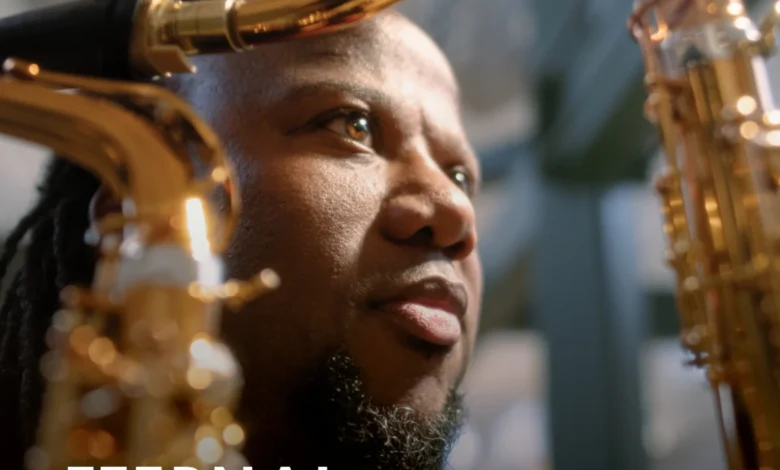
The creative process in jazz has long been defined by its ability to transmute personal suffering into profound artistic expression. For North Carolina-based saxophonist and composer Rahsaan Barber, the recording of his latest project, Eternal, became a crucible of grief and recovery. The album’s title track serves as the centerpiece of this emotional journey, capturing a singular, harrowing moment in the artist’s life. Recorded under the weight of a sudden and devastating personal loss, the composition stands as a testament to the therapeutic potential of music and the necessity of communal support in the face of tragedy.
The Anatomy of a Composition: Musical Structure and Performance
The composition "Eternal" is characterized by a dynamic tension, oscillating between moments of brisk, driving momentum and intervals of haunting, spiritual reflection. The track commences with an introductory riff delivered by bassist Kevin Beardsley, which establishes the underlying current of the piece. This rhythmic foundation is quickly bolstered by the entrance of Barber on saxophone, pianist Matt Endahl, and drummer Joshua Hunt, whose percussion work maintains an insistent, forward-moving tempo throughout the performance.
The ensemble is rounded out by guitarist Ted Ludwig, a recent addition to Barber’s collective, whose contributions are marked by technical acuity and fluid, rapid-fire melodic lines. However, the track’s narrative arc is primarily dictated by Barber’s solo. Drawing stylistic parallels to the visceral, overblown aesthetic of legends such as John Coltrane and Pharoah Sanders, Barber’s performance is marked by a raw, vocal quality that shifts from restrained longing to an uninhibited, soaring wail.
This intensity is periodically punctuated by the sophisticated, Latin-inflected improvisations of pianist Matt Endahl, which provide a brief, sparkling reprieve from the saxophone’s mournful dominant narrative. As the piece approaches its conclusion, the arrangement softens, yet the underlying sorrow remains, culminating in an outro that evokes a sense of spiritual desolation—a sound described as one seeking answers from the heavens.
Chronology of a Crisis
The emotional urgency of the performance is not merely a stylistic choice, but a direct result of the events that preceded the recording session. In the days leading up to the scheduled studio time, Barber and his wife received the devastating news that she had lost the child they were expecting. The pregnancy had been a source of immense anticipation, and Barber had originally subtitled the title track "Awaiting Zora," a title that symbolized his hopes for the future and the life he and his wife were preparing to welcome.
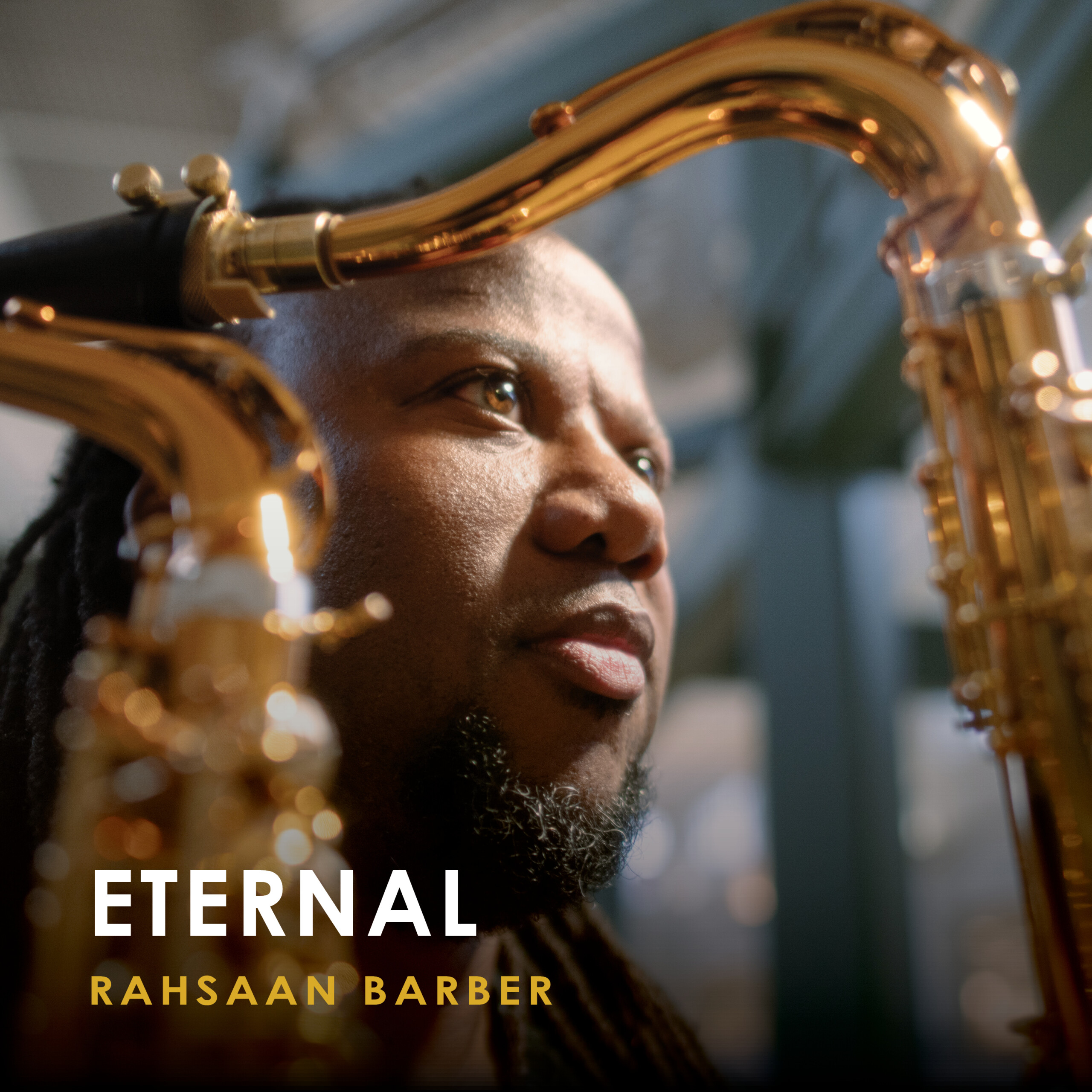
Following the loss, the studio environment transformed from a professional workplace into a space of emotional exposure. The act of performing the piece—written during a period of hope—suddenly required Barber to navigate the wreckage of that hope in real-time. The transition from the original intent of the composition to its final recorded form reflects a profound shift in the artist’s psychological state, as the studio became the site where his grief was documented, processed, and ultimately given form.
The Role of the Ensemble in Artistic Recovery
The completion of "Eternal" was not an individual achievement but a collaborative effort. Barber has spoken candidly about the essential role his bandmates played in the recording process, noting that his ability to finish the session was contingent upon the support of those around him. The ensemble did not merely provide instrumental accompaniment; they acted as a protective barrier, allowing the saxophonist to navigate his emotional breakdown without compromising the integrity of the project.
"I was just so fortunate to be surrounded by not just great musicians, but great people who could deal with someone who broke down in the sound booth as they were playing," Barber noted in a recent reflection on the session. He described the environment as a "force field" created by his colleagues, which facilitated a therapeutic and life-affirming experience. This collaborative support system underscores the importance of the jazz community as a social and emotional network, capable of sustaining its members through personal crises that would otherwise render creative work impossible.
Contextualizing the Jazz Tradition of Transmutation
The experience of Rahsaan Barber aligns with a historical precedent in jazz where composers utilize the medium to address existential challenges. From the blues traditions of the early 20th century to the modal experiments of the 1960s, jazz has consistently functioned as an outlet for the expression of "the unspeakable." By documenting his grief, Barber joins a lineage of musicians who have used the recording studio as a sanctuary for processing trauma.
Statistically, the impact of such deeply personal performances is often measured in the resonance they achieve with audiences who may be grappling with their own losses. While the technical proficiency of the ensemble—characterized by the interplay between Beardsley’s bass, Endahl’s piano, and Hunt’s drums—ensures the work holds weight in a purely musical sense, it is the biographical context that elevates "Eternal" to a narrative of human resilience.
Broader Implications for Contemporary Jazz
The release of Eternal and the discourse surrounding its title track highlight a shift toward greater vulnerability in contemporary jazz performance. As the industry moves away from the rigid technical standards that defined the academic approach to jazz in the late 20th century, there is a renewed emphasis on the "human element"—the idea that the musician’s life experience is inextricably linked to the quality and impact of their work.

For Barber, the implications of this recording are twofold. Professionally, the album stands as a high-water mark in his discography, demonstrating his ability to lead an ensemble through complex emotional and structural terrain. Personally, the recording serves as a historical marker of a transformative period in his life. The fact that the track remains a central component of his latest project suggests that the act of performance continues to serve as an ongoing part of his recovery process.
Future Directions and Industry Impact
As listeners engage with the music, the story behind "Eternal" provides a lens through which to view the rest of the album. The transparency with which Barber has discussed the tragedy has invited a deeper level of engagement from both critics and the public. In an era where digital consumption of music often strips away the context of the creator, Barber’s willingness to share the circumstances of the recording provides a necessary layer of human depth that resonates with a broader audience.
Furthermore, the involvement of his ensemble highlights the importance of empathy in professional musical relationships. The ability to pivot from a standard recording session to a supportive, therapeutic environment speaks to the maturity and interpersonal cohesion of the group. As the jazz industry continues to evolve, the case of Rahsaan Barber serves as a reminder that the most compelling art often emerges from the intersection of technical skill, historical awareness, and raw, unfiltered human emotion.
In conclusion, "Eternal" is more than a jazz composition; it is a document of endurance. By transforming a period of profound personal loss into a lasting piece of music, Rahsaan Barber has demonstrated the enduring power of the genre to offer solace. Whether analyzed for its musical complexity or its biographical significance, the track remains a poignant example of how artists navigate the complexities of existence, using the language of jazz to articulate that which cannot be easily spoken. As the track continues to reach new audiences, it stands as a testament to the fact that while pain may be unendurable in isolation, it can be transmuted into something meaningful—and perhaps even beautiful—when held within the context of community and art.