Apple’s foldable iPhone Duo is here – and it’s immediately eyeing up the Samsung Z Fold series

The Evolution of the iPhone Form Factor
For over a decade, industry analysts and Apple enthusiasts have speculated about when the Cupertino giant would embrace foldable technology. While competitors like Samsung, Google, and Motorola have iterated through multiple generations of folding devices, Apple remained conspicuously absent from the space. According to industry experts, this delay was a calculated move to ensure the technology matured beyond the early, fragile prototypes that plagued the first wave of foldable devices.
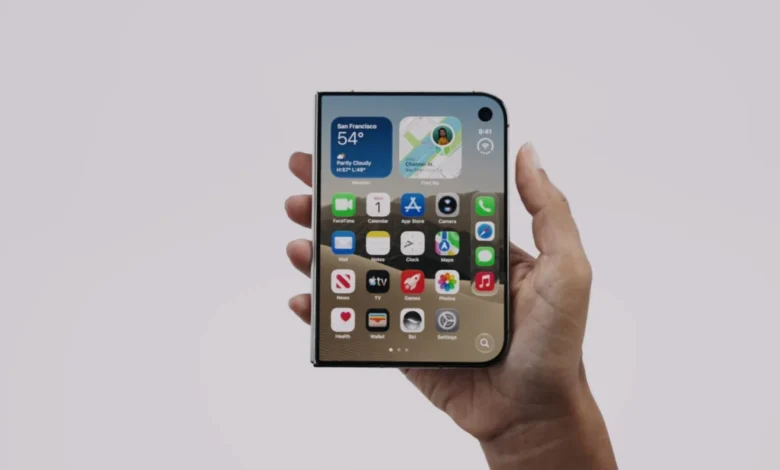
The iPhone Duo represents the culmination of this research and development phase. By utilizing a "passport-style" hinge mechanism, Apple claims to have solved the durability concerns that have historically hindered foldable market adoption. CEO John Ternus, speaking during the keynote, emphasized that the transition to this form factor is the most significant architectural overhaul in the history of the iPhone, representing a new chapter for the company’s mobile division.
Engineering the Hinge and Display
The technical specifications of the iPhone Duo highlight a focus on structural integrity. The central hinge, a critical failure point for many early-generation foldables, is constructed from aerospace-grade titanium. It is engineered from over 100 individual components designed to deliver a smooth, tactile experience while maintaining rigid alignment. To prevent the device from flexing or warping under pressure, Apple has integrated internal support ribs that reinforce the chassis without adding unnecessary weight.
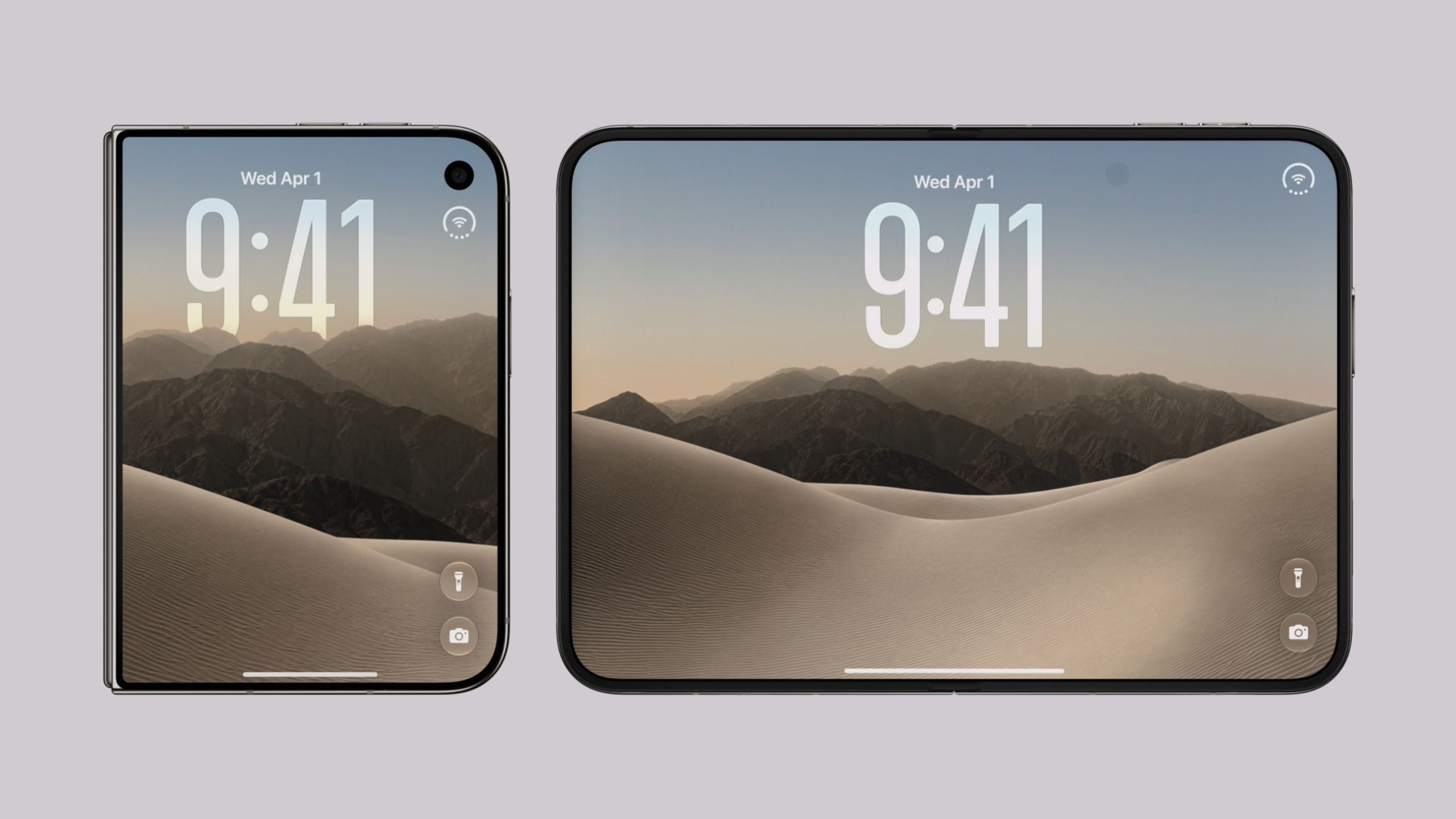
The display technology itself is equally advanced. When closed, the outer screen measures 5.4 inches, providing a compact, one-handed experience that mirrors the footprint of smaller iPhones. When opened, the device expands to reveal a 7.6-inch internal display. A significant innovation here is the use of a nano-texture finish, which Apple claims significantly reduces ambient light glare—a common complaint among users of high-end folding displays. Furthermore, the internal panel utilizes a sophisticated multi-layer system with custom adhesives, allowing the glass and display layers to glide against one another during the folding process, thereby reducing mechanical tension on the screen.
Performance and Hardware Integration
Powering the iPhone Duo is the new A20 Pro chipset, the same silicon driving the newly unveiled iPhone 18 Pro and 18 Pro Max. Apple claims the A20 Pro offers a 35 percent improvement in sustained performance compared to the A19 Pro found in the iPhone 17 Pro. This performance headroom is crucial for a foldable device, as it must manage the complex multitasking features inherent to a larger screen real estate.
The operating system, iOS 27, has been specifically optimized for the Duo. One of the most notable software adjustments is the relocation of control elements to the side of the screen, a design choice intended to maximize the usable workspace when the device is fully unfolded. Spatial audio support, provided by speakers integrated at the top and bottom of the frame, ensures that the media consumption experience remains balanced regardless of the device’s orientation.
In terms of optics, the iPhone Duo features a versatile camera array. The system includes a 48MP Fusion Main camera and a 48MP Fusion Ultra Wide camera, supplemented by an integrated optical-quality 2x Telephoto lens. While the camera hardware is robust, its placement and integration into a folding chassis suggest that Apple is aiming to provide parity with its traditional flagship models, ensuring that users do not have to compromise on photography quality for the sake of the folding form factor.
Battery Life and Power Management
Managing the power consumption of two screens is a significant engineering hurdle. The iPhone Duo employs a tiered battery management system. Apple’s internal testing suggests that users can achieve up to 31 hours of video playback using the large inner display, while the more efficient outer display extends that figure to 44 hours. When utilized as a balanced, everyday device, the company estimates an average of 24 hours of usage per charge. These metrics place the iPhone Duo in a competitive position relative to existing foldables, though real-world performance will likely fluctuate based on app usage and brightness settings, which can reach a peak of 3000 nits.
Competitive Landscape and Pricing
The market for premium, high-end smartphones has become increasingly crowded. With a launch price of $1,999 (£1,999), the iPhone Duo is firmly positioned in the ultra-premium category. This pricing strategy aligns it with the Samsung Galaxy Z Fold8 Ultra, which launched at a similar price point.
The rivalry between Apple and Samsung is set to intensify following this announcement. Samsung has spent years cultivating the foldable market, and the arrival of the iPhone Duo is widely viewed as a signal that the form factor has officially entered the mainstream. Market researchers suggest that while Apple is late to the game, its entry will likely accelerate consumer adoption of folding smartphones, potentially driving down prices and forcing further innovation from all manufacturers in the space.
Broader Implications for the Smartphone Industry
The introduction of the iPhone Duo serves as an inflection point for the mobile industry. For years, the industry has faced accusations of stagnation, with new device releases offering only iterative, minor improvements in processor speed or camera resolution. By introducing a radical change in form factor, Apple is attempting to redefine the utility of the smartphone.
The focus on "pocketability" combined with "tablet-like" screen real estate suggests that Apple is positioning the iPhone Duo as a productivity tool rather than just a communication device. This creates potential implications for the tablet market, specifically the iPad lineup. If a phone can reliably serve as a small tablet, the distinction between product categories may become increasingly blurred, necessitating a shift in how Apple differentiates its hardware ecosystem.
Future Outlook
As Apple prepares to ship the first units, the technology press and the public will be closely monitoring early performance reviews. The success of the iPhone Duo will depend not only on the durability of the hardware but also on how well third-party developers adapt their applications to take advantage of the folding screen. Apple’s ecosystem of apps has long been its primary advantage; if the transition between the outer and inner displays remains fluid across the App Store, the Duo could set a new standard for mobile productivity.
The arrival of the iPhone Duo marks the end of a long period of anticipation and the beginning of a new, potentially volatile, era for Apple’s flagship product. While the price point remains high and the technology is still in its relative infancy, the move signals that Apple is ready to gamble on a different vision for the future of mobile computing—one that folds. As the industry watches, the real test will be whether the Duo can deliver on the promise of a "transformational" experience that justifies its place at the top of the market.
Related posts: