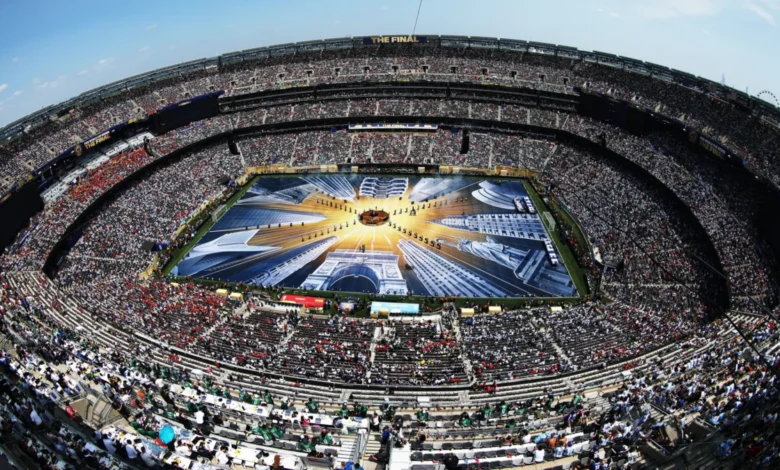
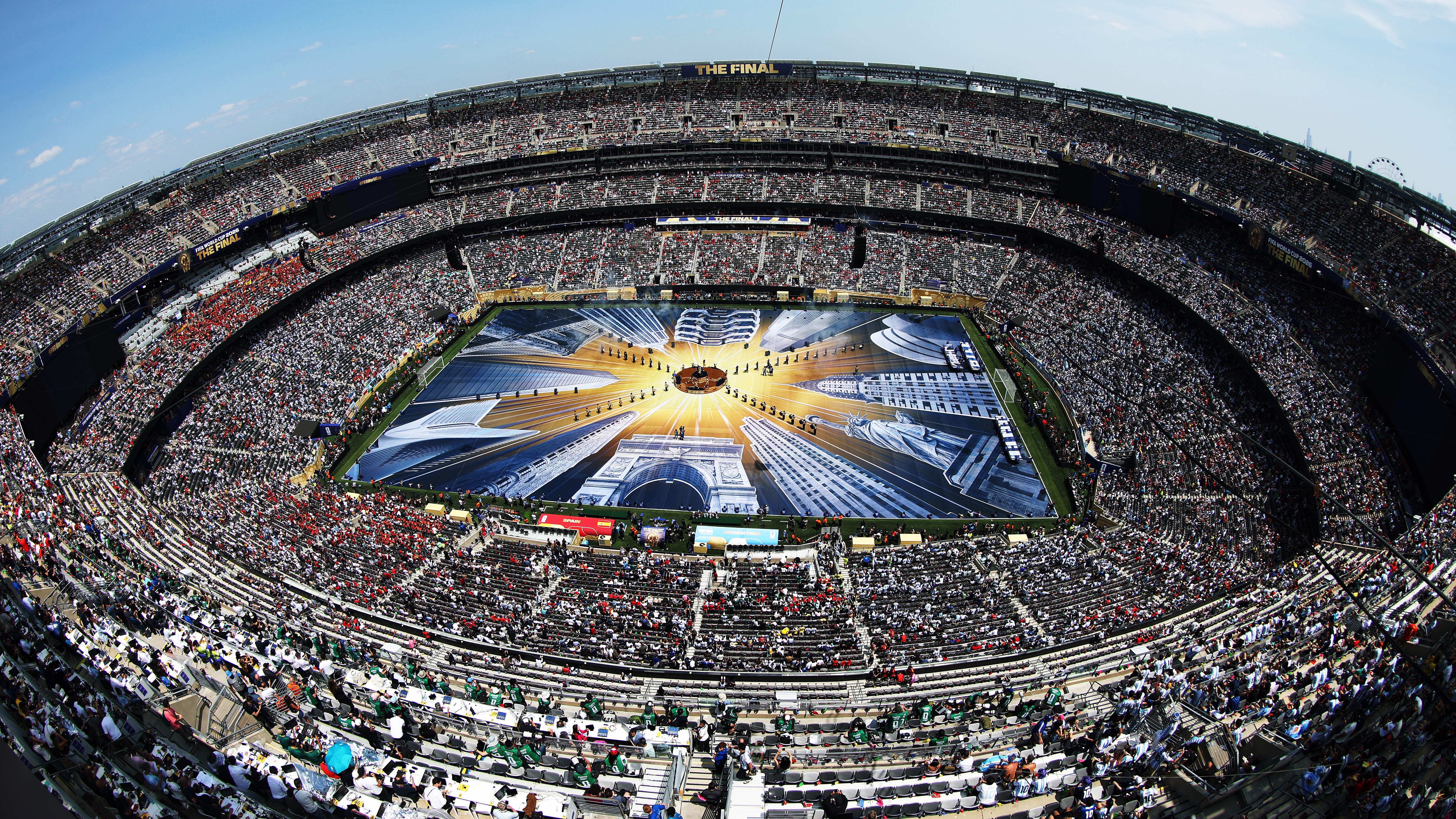
The pinnacle of global football, the FIFA World Cup Final, has crowned its champions, with Spain emerging victorious over Argentina in a fiercely contested match that kept spectators on the edge of their seats. The highly anticipated showdown, held at MetLife Stadium in New Jersey, saw La Furia Roja secure their second World Cup title, adding to their historic 2010 triumph, while Argentina’s quest for successive crowns after their 2022 victory fell just short. The match, which extended into extra time and was decided by a single goal, was a testament to the skill, resilience, and strategic prowess of both nations.
A Clash of Titans: The Road to the Final
The 2026 FIFA World Cup, hosted across the United States, Canada, and Mexico, culminated in a final that pitted two of football’s traditional powerhouses against each other. Spain, having navigated a dominant tournament run marked by their characteristic possession-based football and tactical discipline, entered the final as European champions, demonstrating a consistent and formidable presence on the international stage. Their journey was characterized by strategic wins, showcasing a blend of seasoned experience and emerging young talent.
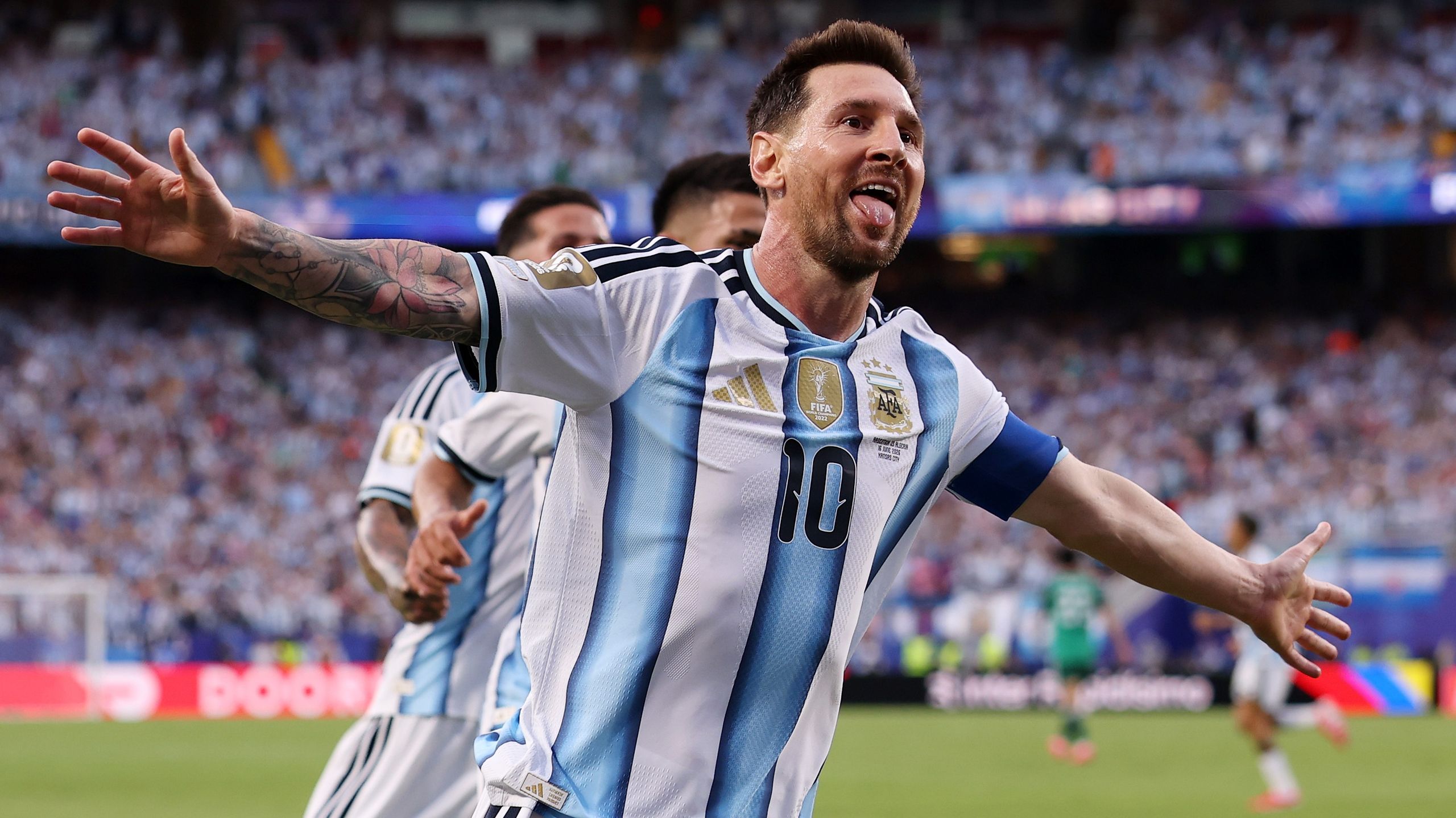
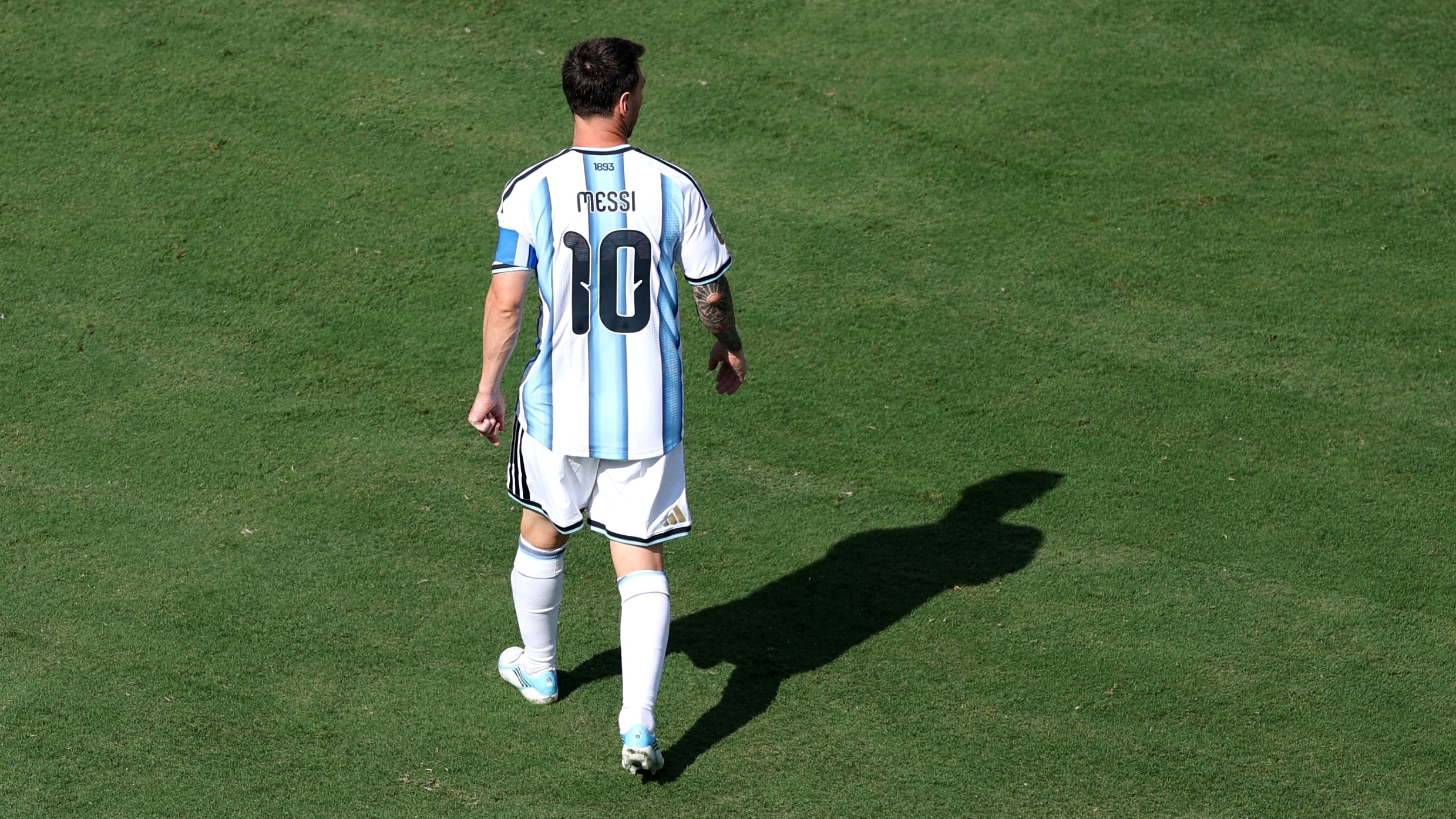
Argentina, the reigning champions from 2022, arrived with the weight of expectation and the legendary Lionel Messi leading their charge. Their path to the final was as dramatic as it was determined, often relying on moments of individual brilliance and unwavering team spirit. Messi, in what is widely speculated to be his final World Cup appearance, carried the hopes of a nation yearning for back-to-back titles, a feat only achieved by a select few in the tournament’s storied history. The narrative of Messi seeking to cement his legacy with another World Cup trophy added an extra layer of compelling drama to an already significant fixture.
Match Chronicle: A Stalemate Broken in Extra Time
The final commenced with an electric atmosphere, as the roar of the crowd at MetLife Stadium signaled the beginning of football’s grandest spectacle. From the outset, Spain asserted their tactical dominance, controlling possession and probing the Argentinian defense. Lamine Yamal, the prodigious Spanish teenager, showcased his electrifying talent early on, unleashing two shots on target within the opening minutes. However, Argentina, renowned for their resilience, responded with dangerous counter-attacks, with goalkeeper Dibu Martínez demonstrating his exceptional reflexes to thwart the Spanish advances.
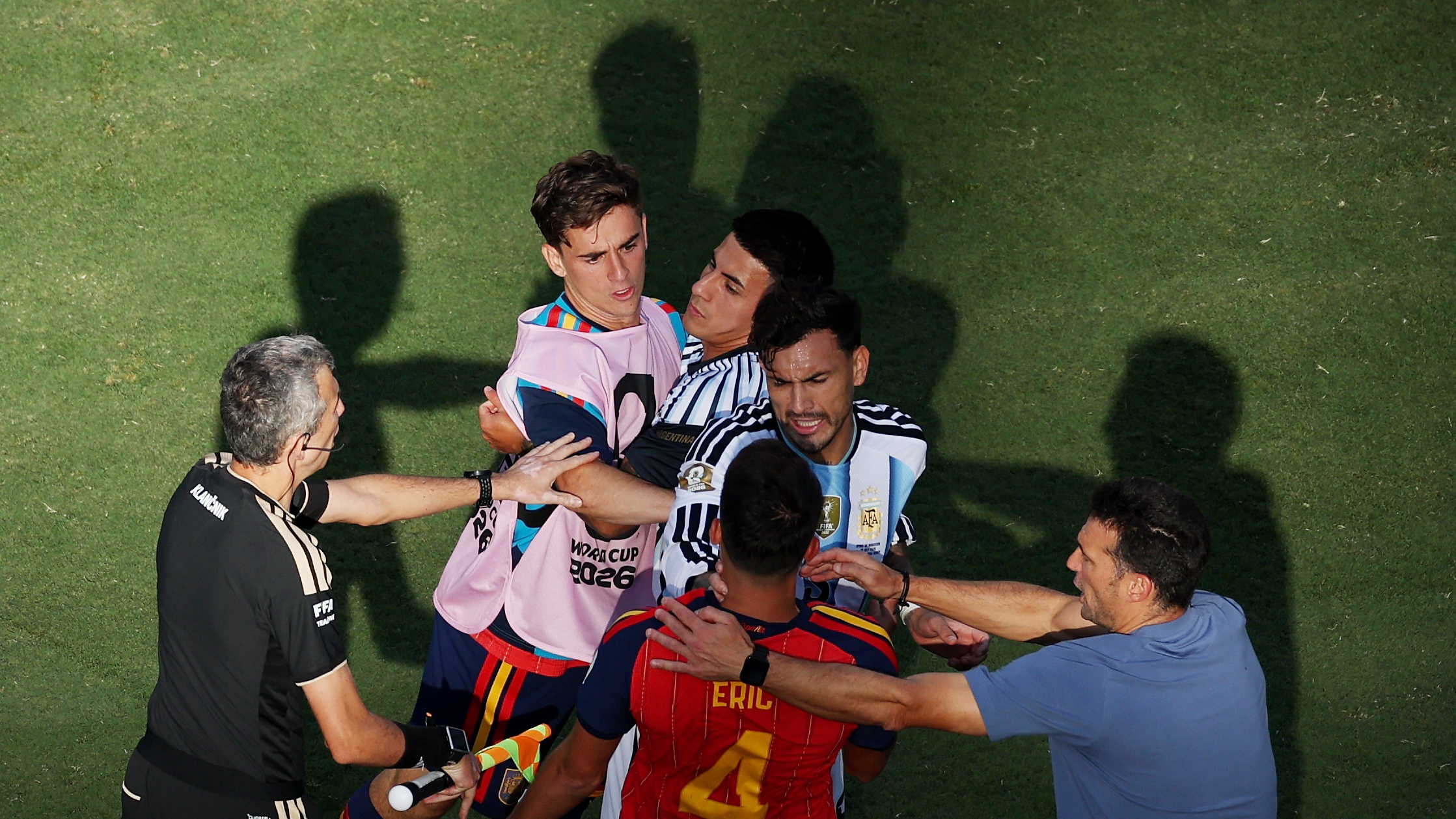
The first half proved to be a tense tactical battle, with both teams creating chances but failing to find the back of the net. Argentina’s defense, marshaled by Martínez, held firm against Spain’s relentless pressure. The first yellow card of the match was issued to Argentinian midfielder Enzo Fernández for a mistimed challenge, highlighting the physical nature of the contest. Despite Spain’s evident control and numerous attempts on goal, the halftime whistle blew with the scoreline deadlocked at 0-0, a reflection of the robust defensive efforts from both sides and the initial tactical caution employed.
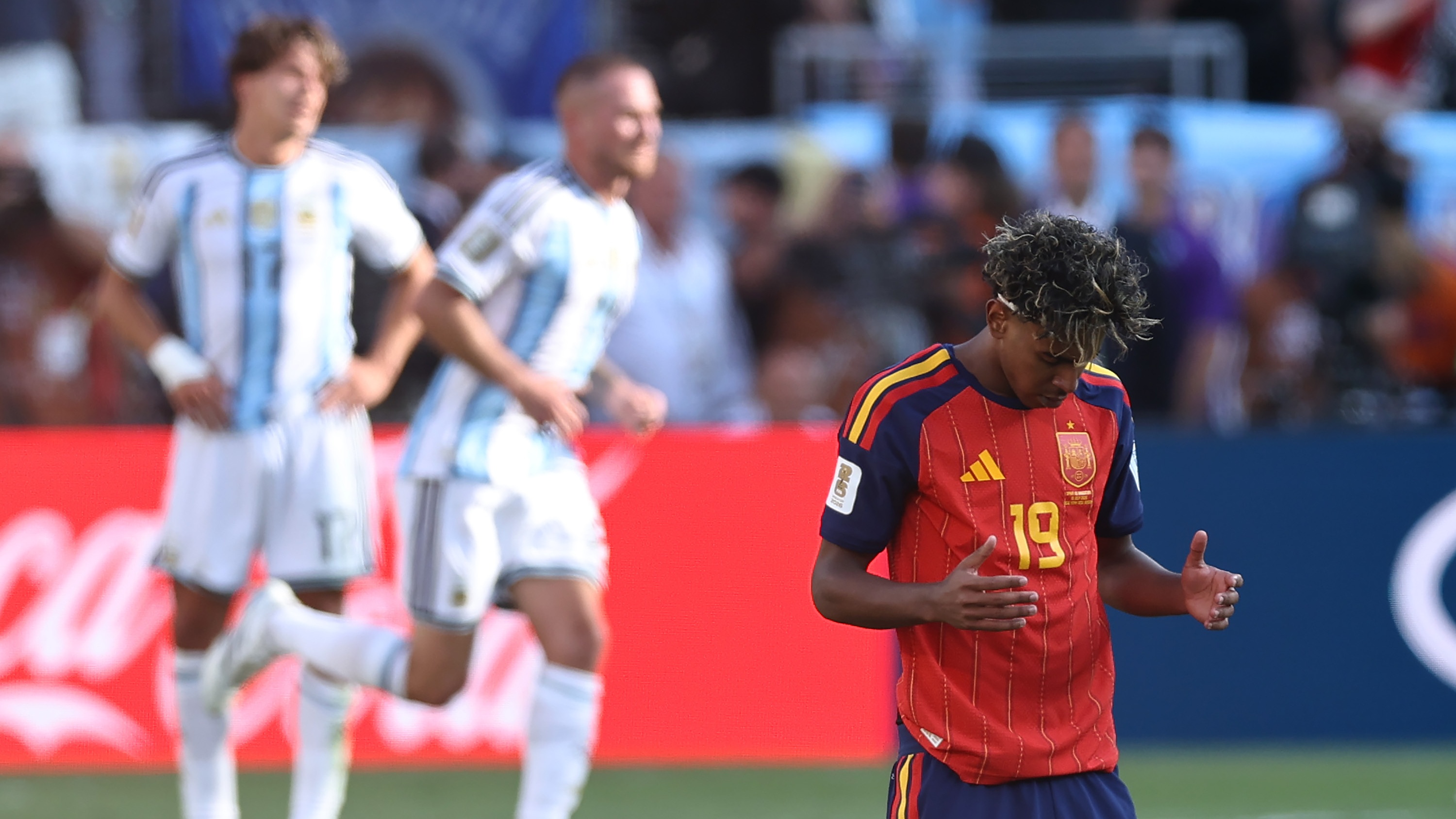
The second half continued in a similar vein, with Spain dominating possession and creating the lion’s share of chances. However, a significant turning point occurred when Argentinian midfielder Guido Rodríguez received a second yellow card, reducing Argentina to ten men for the remainder of the match, including extra time. This disadvantage immediately shifted the momentum further in Spain’s favor, increasing the pressure on their already strained defense. Despite the numerical disadvantage, Argentina displayed remarkable tenacity, with their coach, Lionel Scaloni, receiving a yellow card for his animated protests from the sidelines, indicative of the high stakes and emotional intensity.
As regulation time drew to a close, the score remained level, pushing the final into a grueling 30 minutes of extra time. The fatigue was palpable, and the "dark arts" of disruption and tactical fouling became more prevalent as Argentina desperately sought to hold on and potentially force a penalty shootout, where they historically hold an advantage. Spain, with their man advantage, pressed on, creating further opportunities. A moment of individual brilliance from Ferran Torres in the first half of extra time saw him break the deadlock, scoring a crucial goal that ultimately proved to be the match-winner. Despite a disallowed goal for offside shortly after, Torres’s strike ignited the Spanish bench and sent their supporters into raptures.
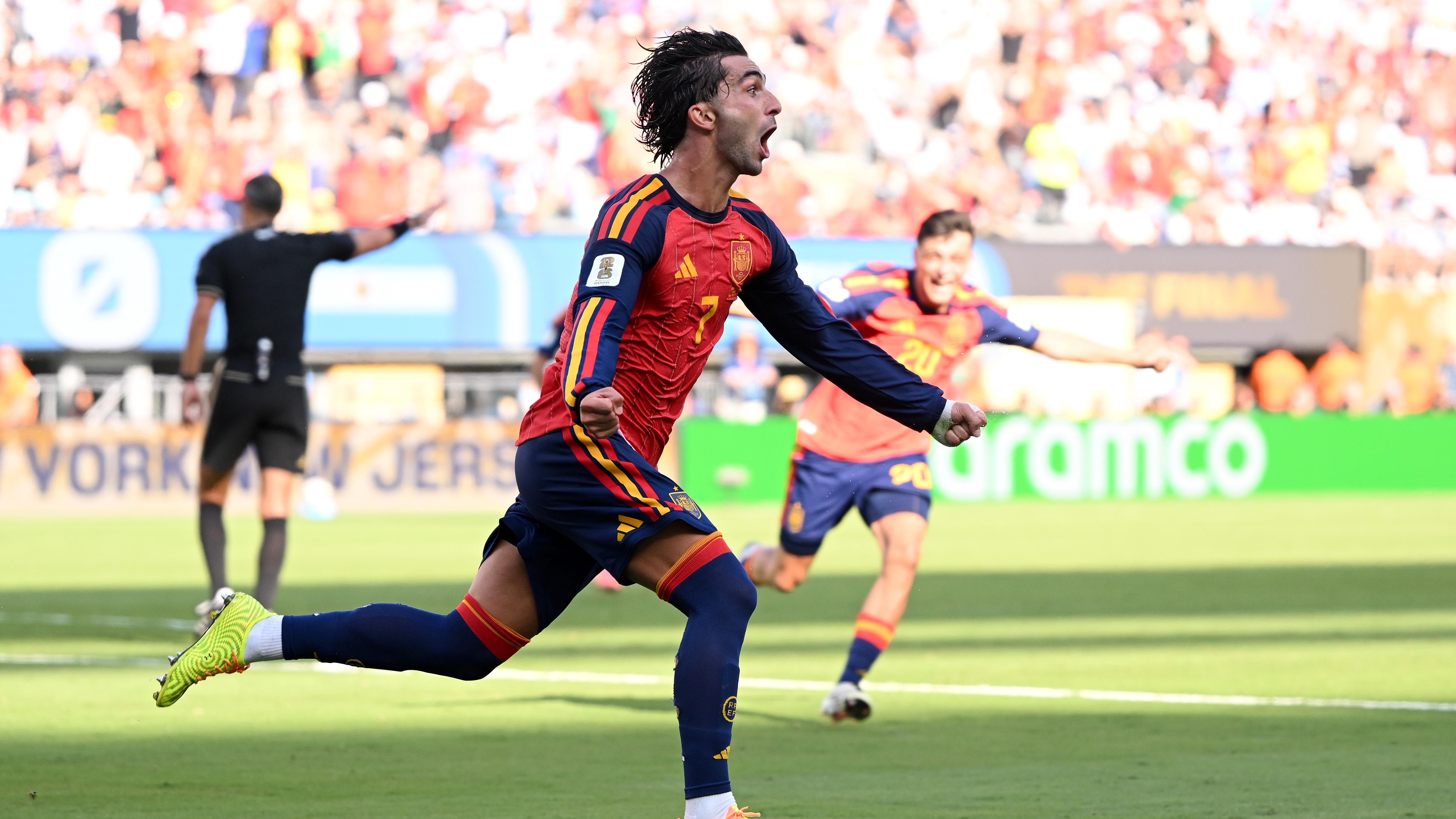
In the dying minutes, Argentina had a glimmer of hope with two late opportunities to equalize, but they failed to convert, ultimately succumbing to Spain’s superior numbers and sustained pressure. The final whistle confirmed Spain’s 1-0 victory, marking a historic achievement for the European champions.
Individual Brilliance and Key Performances
The final was a showcase of individual talent, with several players making significant contributions. For Spain, goalkeeper Unai Simón was instrumental, conceding only one goal throughout the entire tournament and earning the Golden Glove award. The emergence of 19-year-old Pau Cubarsí as a standout defender, alongside Lamine Yamal, highlighted Spain’s formidable youth development pipeline. Ferran Torres, the scorer of the decisive goal, etched his name into World Cup history with his crucial strike in extra time.
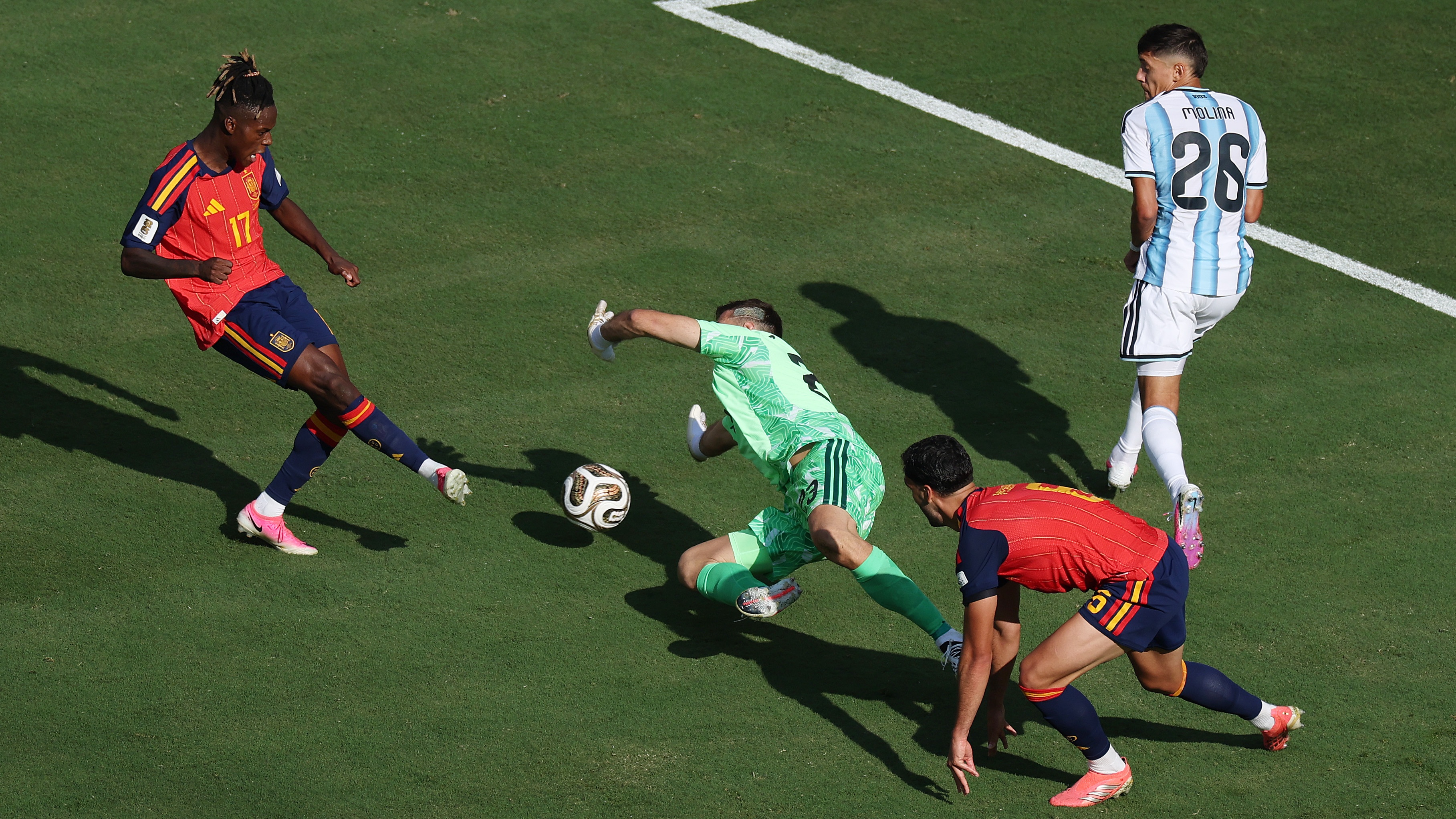
For Argentina, while the outcome was disappointing, Lionel Messi once again displayed moments of his unparalleled genius, leading his team with characteristic determination. Goalkeeper Dibu Martínez, despite the loss, delivered a heroic performance, making crucial saves that kept Argentina in the contest for as long as possible. The tactical battle between the seasoned Argentinian squad and the dynamic Spanish team was a chess match on grass, with both sets of players executing their managers’ strategies under immense pressure.
Post-Match Reactions and Analysis
The immediate aftermath of the final saw jubilant celebrations from the Spanish camp, while Argentinian players displayed visible disappointment, the emotion of a World Cup final loss evident. FIFA President Gianni Infantino and then-US President Donald Trump were met with a chorus of boos during the awards ceremony, a stark reminder of the often-contentious relationship between football’s governing body and its fan base. The awarding of the Golden Glove to Unai Simón and the Young Player award to Pau Cubarsí recognized their exceptional performances throughout the tournament.
Analyzing the match, it was clear that Spain’s tactical superiority and the advantage of playing against ten men in the latter stages were decisive factors. While Argentina fought valiantly, the missed opportunities and the inability to find an equalizer proved costly. The match, while tense and dramatic, was perhaps not as high-scoring or free-flowing as some previous finals, such as the iconic Argentina vs. France clash in 2022. However, its narrative of a tactical masterclass, a dramatic red card, and a single, decisive goal made it a memorable conclusion to the tournament.
Broader Implications and Tournament Legacy
Spain’s victory not only adds another coveted trophy to their cabinet but also solidifies their status as a perennial contender in international football. Their triumph underscores the enduring effectiveness of their possession-based style and their ability to blend experienced leadership with the dynamism of emerging talent. For Argentina, the loss marks the end of an era, with many speculating that this was Lionel Messi’s final World Cup campaign. His quest for a second consecutive title, and a potentially defining moment in his unparalleled career, ultimately fell short.
The 2026 World Cup will be remembered for its expansive format, the impressive performances of underdog nations, and the dramatic conclusion that saw Spain crowned champions. The tournament also highlighted the growing influence of young stars like Lamine Yamal, who are set to shape the future of the sport. The final itself served as a powerful reminder of the passion, drama, and unifying power of football, captivating billions worldwide and leaving an indelible mark on the history of the beautiful game.
World Cup Final: The Essentials
- Match: Spain vs. Argentina
- Date: July 19, 2026
- Venue: MetLife Stadium, New Jersey, USA
- Result: Spain 1-0 Argentina (after extra time)
- Goal Scorer: Ferran Torres (Spain)
- Key Awards:
- Golden Glove: Unai Simón (Spain)
- Young Player Award: Pau Cubarsí (Spain)
- Red Card: Guido Rodríguez (Argentina)
Related posts: