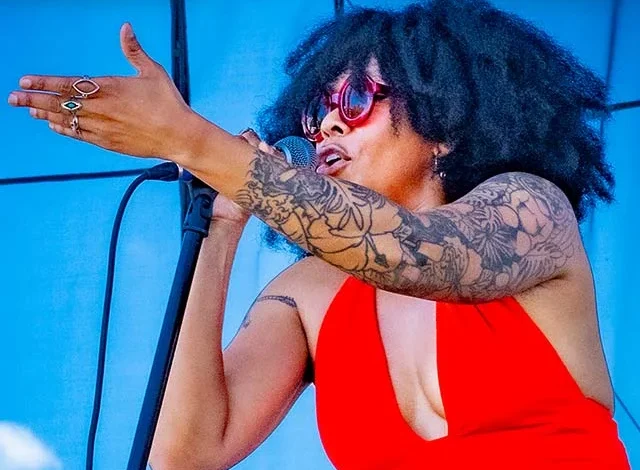
At the recent Winter Blues Fest in Des Moines, Iowa, an event organized by the Central Iowa Blues Society, the atmosphere was transformed by a performance that many attendees likened to the raw, unadulterated energy of the Rolling Stones or the Blasters during their peak years. Nikki Hill, a vocalist and songwriter who has become a formidable force in the roots music circuit, delivered a set that served as a masterclass in genre-blending, fusing the grit of rock ‘n’ roll with the emotional depth of gospel and rhythm and blues. Accompanied by a band of veteran musicians, Hill’s performance was not merely a musical display but a physical manifestation of energy, characterized by her constant motion and a voice that transitioned seamlessly from raucous squalls to soulful, melodic invitations.
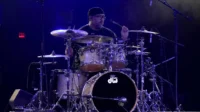
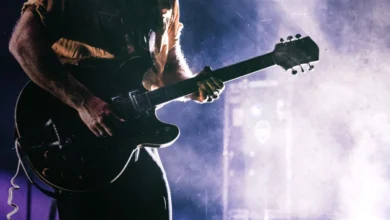
The success of the performance underscored Hill’s unique position in the contemporary music landscape. While many modern acts lean heavily on polished production or digital enhancements, Hill and her ensemble rely on a foundational chemistry that feels increasingly rare. This synergy is anchored by the dual-guitar attack of her husband, Matt Hill, and the award-winning Laura Chavez, supported by a rhythmic engine consisting of bassist Nick Gaitan and drummer Marty Dodson. Together, they represent a collective dedicated to the preservation of live, organic instrumentation in an era dominated by streaming algorithms and synthetic sounds.

The Organic Evolution of the Nikki Hill Band
The current iteration of Nikki Hill’s band is the result of years of regional networking and the cultivation of long-term professional friendships. Hill notes that the assembly of her "stellar" lineup happened organically, driven by mutual respect rather than corporate recruitment. The addition of Nick Gaitan on bass, for instance, was a result of Hill’s admiration for his work with his solo project, Umbrella Man, and his tenure with the legendary Billy Joe Shaver. The connection was further strengthened by the cultural and musical ties between Houston and New Orleans, where Hill and her husband previously resided.
The percussion department saw a similar natural progression. Marty Dodson, a drummer widely respected within the blues and roots community for his work with Nathan James, joined the fold after a long-standing relationship with the Hills. Dodson’s ability to reach beyond the traditional confines of the blues while maintaining a deep respect for its rhythmic foundations provided the "cool pairing" Hill sought. This transition occurred after her previous drummer, Chris Reddan, was sidelined by an injury, allowing Dodson to bring a new dimension to the band’s live sound.
The most striking aspect of the band’s current sound is the interplay between Matt Hill and Laura Chavez. Hill intentionally moved toward a two-guitar lineup to add harmonic depth and "essence" to her original compositions. Chavez, who gained international acclaim during her years performing with the late Candye Kane, brought a level of technical precision and tonal variety that complemented Matt Hill’s heavy, rhythmic style. This dual-guitar configuration has allowed the band to explore more complex arrangements while maintaining the high-volume intensity required for their rock ‘n’ roll-leaning sets.

From the Pulpit to the Stage: A Chronology of Influence
Nikki Hill’s musical identity is inextricably linked to her upbringing in Durham, North Carolina. Like many iconic soul and blues vocalists, her first exposure to public performance was within the African American church. This environment served as a rigorous training ground, teaching her the mechanics of vocal harmony, melody, and, perhaps most importantly, the art of audience interaction. Hill describes her childhood church as a "holy roller" institution where the music was lively and the connection between the choir and the congregation was immediate and visceral.
This early exposure established a blueprint for her current stage presence. The "call and response" dynamics, the rhythmic movement, and the emotional release found in gospel services are the same elements she now channels into her rock and soul performances. For Hill, there is no distinction between the energy of a spiritual service and the intensity of a punk rock show; both are predicated on the "power of the presence of the room."
As she transitioned from the church to the secular music scene, Hill began to integrate a diverse array of influences. Her songwriting is informed by the raw, unfiltered vibe of the Staple Singers and the emotive power of Otis Redding, yet it also draws from the rebellious spirit of 1960s girl groups like The Ronettes and the high-octane energy of punk pioneers like Bad Brains. This eclectic mix is unified by the influence of Little Richard, whom Hill considers one of the original punk rockers. This broad palette of influences has allowed her to craft a sound that appeals to traditional blues fans while simultaneously attracting younger audiences drawn to the energy of garage rock and soul.

The Partnership of Nikki and Matt Hill
A significant factor in the band’s stability and longevity is the personal and professional partnership between Nikki and Matt Hill. The couple met through mutual friend circles in the vibrant music scene of Chapel Hill, North Carolina, where Nikki worked at the venue Local 506. Their relationship was built on a shared obsession with music history—a mutual drive to trace the lineage of their favorite artists back to their roots in blues, gospel, and country.
Since 2014, the Hills have toured full-time, spending nearly every day together on the road. In an industry where the stresses of travel and financial instability often tear bands apart, Hill credits their "foundational friendship" as the key to their success. The chaotic nature of touring—shifting schedules, irregular sleep, and the constant movement—is mitigated by the presence of a partner who understands the intimate demands of the lifestyle. This domestic and professional synergy has allowed them to maintain a consistent output of music and a rigorous touring schedule that spans multiple continents.
Technical Demands and Vocal Health
Hill’s vocal style is characterized by its extreme intensity, often involving screams, squalls, and "proverbial 11" volume levels. This has occasionally led to concern from fans regarding the long-term health of her voice. However, Hill maintains that much of the perceived stress is performative rather than physically damaging. She emphasizes the role of adrenaline in her performances, describing it as a "hell of a drug" that allows her to push her body to its limits during a set, followed by a period of recovery.

To sustain this level of output, Hill has adopted a disciplined approach to vocal maintenance, emphasizing hydration and rest. While she admits that the social aspects of the music industry—such as hanging out in loud bars after a gig—can be tempting, she has increasingly prioritized her health to ensure the longevity of her career. This professional evolution reflects a broader trend among independent touring artists who must act as their own health advocates and managers in the absence of major label support systems.
Recording at Sam Phillips Studio and the Independent Struggle
The next chapter for the Nikki Hill Band involves the release of a new studio album, recorded at the historic Sam Phillips Studio in Memphis. The project was engineered by Scott Bomar, a respected figure in the Memphis music scene known for his work with The Bo-Keys and his ability to capture the "soul" of a room. The choice of studio is significant, as Sam Phillips Studio is a landmark of American music history, having hosted sessions for some of the very artists who influenced Hill’s career.
Despite the excitement surrounding the new material—which Hill has been "road-testing" during recent tours to positive acclaim—the project faces the typical hurdles of the independent music industry. Hill has historically navigated the market through licensing and distribution deals rather than traditional label signings. This approach allows for greater creative control but requires significant upfront financial investment.

The current economic climate has added new layers of complexity to the independent model. Hill notes that while there is an "upswing" in vinyl sales, the massive expense of producing and supplying vinyl during a recession is a significant risk for independent artists. Furthermore, the "bullshit around streaming" and the meager payouts from digital platforms have forced artists to rely more heavily on merchandise sales and live performance revenue. Hill’s experience reflects a growing sentiment in the industry: that the most sustainable way forward is a direct, physical connection with a loyal fan base that values the "live experience" and physical products over digital convenience.
Broader Impact and the Mission of Live Performance
Nikki Hill views the stage as a refuge and a site of catharsis. In her view, the act of performing is an opportunity to process a spectrum of human emotions—rage, sadness, joy—and transform them into a shared experience with the audience. This philosophy aligns her with the "spirit-catching" tradition of the church and the communal energy of the punk rock mosh pit.
Her mission extends beyond mere entertainment; she aims to project a message of courage and authenticity. By being transparent about her own struggles and "mess-ups" on stage, she hopes to encourage her audience to embrace their own imperfections. In a music industry that often feels increasingly fragmented and corporate, Hill’s commitment to an independent, high-energy, and deeply human approach serves as a vital reminder of the power of roots music.

As she continues to tour and prepares for her upcoming release, Hill remains focused on the long game. Whether through her recordings or her "raucous" live sets, her goal is to ensure that audiences "know her name" not for the sake of fame, but as a testament to the endurance of independent artistry. In an era of uncertainty, Hill’s career stands as a beacon of resilience, proving that there is still a profound demand for music that rocks with primal force and soul.