New leadership appointed for Sound Studies and Sonic Arts at the Berlin University of the Arts amid institutional restructuring

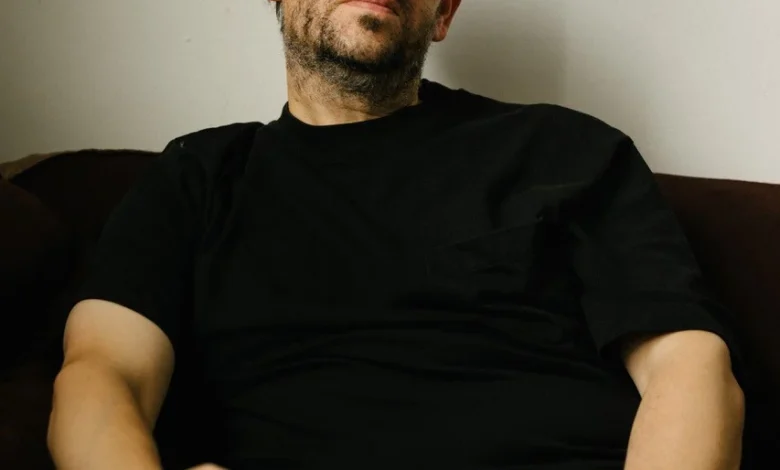
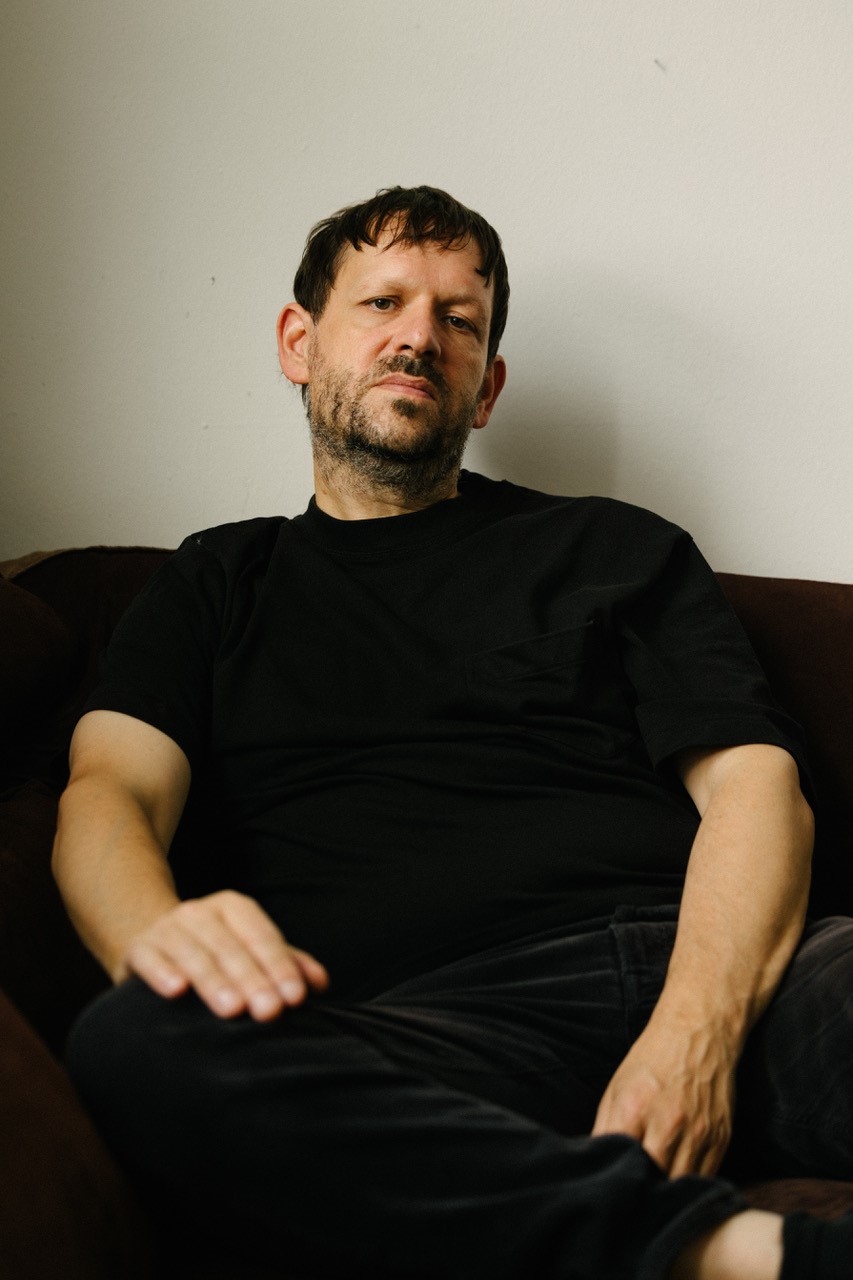
The Berlin University of the Arts (UdK Berlin) has announced the appointment of two highly regarded figures in the contemporary sound landscape, Efdemin and Antje Vowinckel, as guest professors for the Master’s program in Sound Studies and Sonic Arts at the UdK Berlin Career College. Phillip Sollmann, widely recognized in the electronic music industry under his artist moniker Efdemin, and the acclaimed radio artist and composer Antje Vowinckel will lead the program in a 50-50 tandem arrangement. This appointment comes at a pivotal moment for the prestigious academic track, which currently navigates a period of significant institutional transition.
A New Chapter for a Prestigious Program
The arrival of Sollmann and Vowinckel brings a wealth of interdisciplinary expertise to the faculty. Prof. Karin Bjerregaard Schlüter, Managing Director of the UdK Berlin Career College, expressed optimism regarding the new leadership. "We are delighted to have secured two such distinguished personalities in Antje Vowinckel and Phillip Sollmann," she stated in the official announcement. "We wish them both a productive start and much success in their shared endeavor."
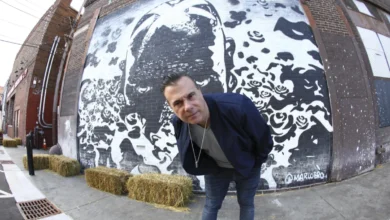
The academic credentials of the two appointees are extensive. Antje Vowinckel has built an international reputation through her work in experimental radio art, sound performance, and composition, often pushing the boundaries of acoustic storytelling and broadcast media. Phillip Sollmann, meanwhile, represents a rare bridge between the high-energy environment of global club culture and the meticulous rigor of academic sound research. His career, characterized by his tenure as a fixture in the techno scene, has increasingly expanded into the realm of installation art and contemporary composition. Notable projects, such as his Monophonie series and the Modular Organ System—a collaborative venture with Konrad Sprenger—highlight his commitment to exploring the physical and psychological dimensions of sound.
The Institutional Backdrop: A Chronology of Uncertainty
The appointment occurs against a backdrop of administrative upheaval that began earlier this year. In January 2026, the UdK Berlin announced a decision to discontinue several master’s programs under its Central Institute for Further Education and Transfer, including the Sound Studies and Sonic Arts program. The university cited a "strategic realignment" necessitated by changes to the Berlin Higher Education Act as the primary driver for this decision.
The announcement sparked immediate concern among the academic and artistic communities. A petition to save the programs garnered more than 5,000 signatures in a matter of weeks. The list of signatories was a testament to the program’s influence, featuring prominent figures in experimental music and sound art, including Robert Henke, Dasha Rush, Jan St. Werner, Gerhard Behles, and Carsten Nicolai. These artists and scholars argued that the program served as a vital incubator for interdisciplinary research, bridging the gap between sound theory and creative practice in a way that few other institutions globally could match.
Despite the pressure, the university’s stance remains that the program is in the process of being phased out. Current students are being supported through to the completion of their degrees, but no new cohorts are being accepted. The appointment of Sollmann and Vowinckel suggests a commitment to ensuring that the remaining students receive high-level instruction, even as the program’s long-term future remains in a state of flux.
The Future of Sonic Arts at the UdK
While the university maintains that the program is in "winding-down" mode, there have been ongoing discussions regarding the possibility of reconfiguring the curriculum or re-establishing the discipline within a different framework at the university. However, the UdK Berlin Career College press office has remained cautious, stating that while there are "ideas and conversations" regarding a potential redesign, no concrete details can be disclosed at this time. Consequently, the exact tenure of Vowinckel and Sollmann within the institution remains officially undefined, leaving students and faculty waiting for further clarity on the structural evolution of the department.
Contextualizing the Disciplinary Shift
The tension surrounding the Sound Studies program at the UdK reflects a broader challenge faced by arts universities across Europe. As higher education systems grapple with budget constraints and legislative shifts, niche, highly specialized interdisciplinary programs often face the most scrutiny. The Sound Studies program at the UdK, which combines elements of musicology, media theory, acoustics, and creative practice, is an expensive and labor-intensive endeavor. It requires specialized studio spaces, technical equipment, and a high faculty-to-student ratio to function effectively.
By bringing in practitioners of Sollmann and Vowinckel’s caliber, the university is signaling that even as it moves through a phase of institutional liquidation, it intends to maintain the quality of the intellectual discourse. The fusion of the "club-oriented" perspective brought by Sollmann and the "radio-experimentalist" approach brought by Vowinckel offers a comprehensive pedagogical model that reflects the current reality of sonic arts, where the digital, the physical, and the broadcasted converge.
Implications for the Artistic Community
The implications of these developments extend far beyond the walls of the UdK. Berlin has long held the reputation as the global capital of electronic music and sound experimentation. The presence of programs like Sound Studies and Sonic Arts acts as a magnet for international talent, fueling the city’s creative economy and its reputation as a hub for innovation. The uncertainty surrounding the program has sparked a wider conversation about the responsibility of public institutions to support "non-traditional" academic fields.
Critics of the university’s decision have noted that the closure of such a program could have long-term consequences for the city’s artistic ecosystem. If specialized training grounds for sound artists are dismantled, the pipeline for the next generation of composers, sound designers, and researchers may be severely impacted. The involvement of world-class artists like Vowinckel and Sollmann is seen by many as a last-ditch effort to keep the discourse alive during a period of transition.
Looking Ahead
For the students currently enrolled in the program, the leadership of Sollmann and Vowinckel offers a unique opportunity to engage with instructors who are actively defining the state of the art in the real world. Their combined background—ranging from the architectural considerations of sound installations to the intimate, narrative-driven nature of experimental radio—provides a broad spectrum of mentorship.
As the UdK continues its "strategic realignment," the academic community remains watchful. The appointment of the new guest professors is a significant move, yet it does not fully resolve the fundamental tension between the university’s administrative directives and the artistic necessity of maintaining a dedicated space for sonic inquiry. Whether this tandem leadership marks the final phase of the program or the beginning of a transformation remains to be seen. What is clear is that the struggle to preserve the integrity of Sound Studies and Sonic Arts in Berlin is far from over, and the actions taken in the coming months will likely be scrutinized by academic institutions worldwide.
The university has committed to ensuring the academic success of the remaining students, and with the expertise of Sollmann and Vowinckel now guiding their path, the final chapters of this iteration of the program are set to be as intellectually rigorous as its beginnings. However, the ultimate fate of the discipline at the university will depend on the success of the ongoing dialogues behind closed doors, where the future shape of arts education in Berlin is currently being negotiated.