The Muddy Waters Exhibit in Westmont: Preserving the Legacy of the Father of Modern Chicago Blues


The Muddy Waters Exhibit, situated within the Westmont Center in Westmont, Illinois, serves as a vital repository for the artifacts and personal history of McKinley Morganfield, better known to the world as Muddy Waters. Curated by Larry McIntyre, this intimate collection offers a rare, tangible look into the final decade of the life of the man who fundamentally reshaped American music. By housing over 60 unique items—most of which were donated by Waters’ third wife, Marva Jean Brooks—the exhibit functions as more than a simple display; it is a historical record of a blues titan who transitioned from the bustling South Side of Chicago to the quiet suburban enclave of Westmont in 1973, where he resided until his passing on April 30, 1983.
A Chronology of a Blues Icon’s Final Years
To understand the significance of the Westmont collection, one must contextualize the period of Waters’ life it represents. By the early 1970s, the man who had electrified the Delta blues and laid the groundwork for rock and roll was at a professional crossroads. Having spent decades recording for Chess Records, Waters found himself navigating the changing tides of the music industry.
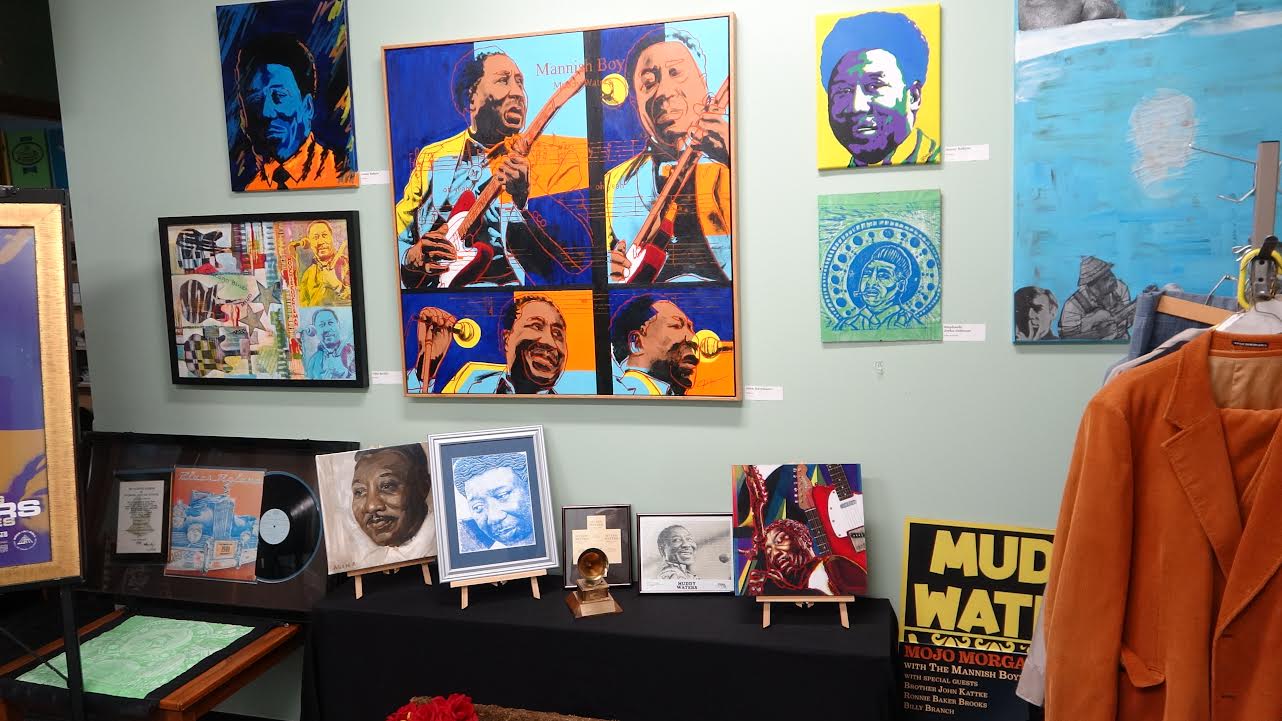
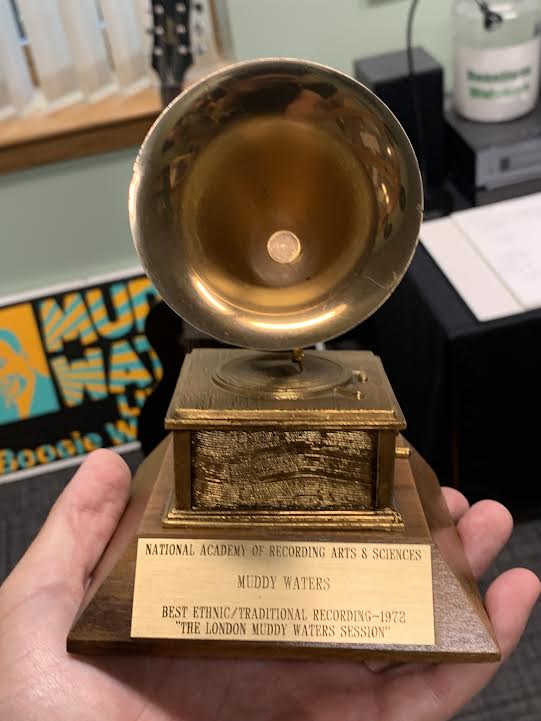
In 1972, a pivotal moment occurred with the release of The London Muddy Waters Session, a collaborative effort that brought Waters to England to record with prominent rock musicians of the era. The record’s success was cemented when it earned a Grammy Award. Notably, the award itself—now a centerpiece of the Westmont exhibit—bears the inscription "Best Ethnic/Traditional Recording." This detail highlights the era’s limitations in categorizing blues music, as a dedicated category for the genre had not yet been established by the National Academy of Recording Arts and Sciences.
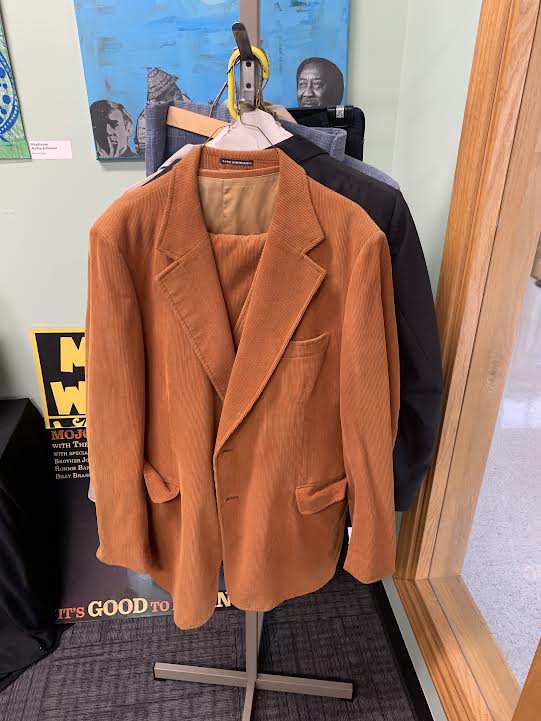
Following his move to Westmont in 1973, Waters entered a period of relative domestic stability, though his professional output remained robust. The late 1970s saw a late-career resurgence, largely facilitated by the intervention of blues-rock guitarist Johnny Winter. Winter produced the final three studio albums of Waters’ career, a partnership that reintroduced the blues legend to a new generation of listeners. Among these final projects was the 1981 album King Bee. The bright orange suit jacket worn by Waters for the album’s cover art is preserved in the Westmont exhibit, serving as a visceral reminder of that final creative chapter.
An Archive of Personal and Professional History
The exhibit is characterized by its personal nature, bridging the gap between the mythic figure of Muddy Waters and the man who lived in Westmont. Among the more than 60 artifacts, the collection includes items that humanize the legendary performer:
- Professional Ephemera: The display features original business cards used by Waters during his time in Westmont, illustrating his transition into a suburban lifestyle while maintaining his identity as a working musician.
- Performance Attire: Beyond the iconic orange King Bee jacket, the collection preserves his vintage black leather dress shoes, providing a sense of the sartorial style that defined his stage presence.
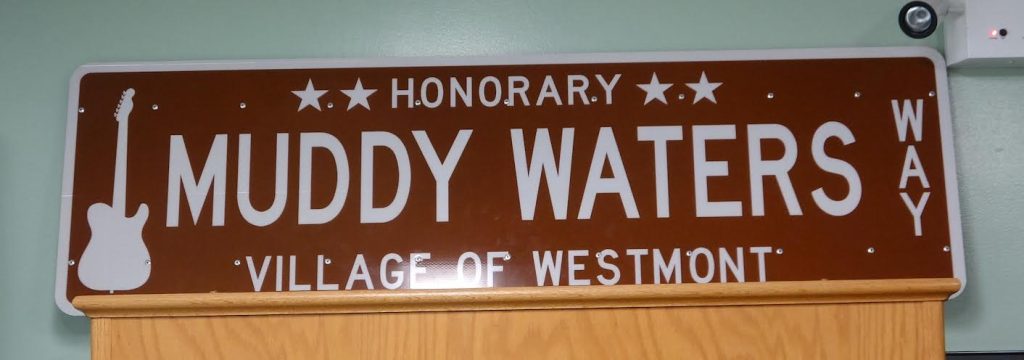
- Cultural Milestones: The exhibit houses an honorary Westmont road sign, signifying the town’s recognition of its most famous resident.
- Rare Photographic Records: The collection includes candid and professional photography, most notably a rare image of Waters alongside fellow pioneer Chuck Berry, documenting the camaraderie among the architects of modern music.
- Thematic Design: The walls of the exhibit are adorned with artist-drawn portraits rendered in an Andy Warhol-inspired aesthetic, reflecting the intersection of Waters’ influence with the pop art sensibilities of the late 20th century.
The Role of Preservation and Curation
The existence of this exhibit is largely due to the sustained efforts of Larry McIntyre. In the field of music preservation, the role of local curators is often the difference between a legacy fading into obscurity and its preservation for future research. McIntyre’s dedication to the Westmont Center has ensured that the items donated by Marva Jean Brooks are not merely stored but are organized in a way that tells a coherent narrative of Waters’ later life.
For researchers and music historians, the Westmont exhibit provides a specific, localized focal point. While major institutions like the Smithsonian or the Blues Hall of Fame house significant collections, the Westmont exhibit offers a specific "micro-history." It captures the domestic reality of a global star, offering a unique perspective on how a seminal artist spends his final years after decades of touring and recording.
Broader Impact and Cultural Implications
The influence of Muddy Waters on the trajectory of Western music cannot be overstated. By moving the Delta blues to the urban environment of Chicago and amplifying the sound, he created the blueprint for rock and roll. Groups such as The Rolling Stones—who named themselves after a Muddy Waters song—and musicians like Eric Clapton and Jimi Hendrix have consistently cited him as a primary influence.
The Westmont exhibit serves as a pedagogical tool. By presenting the Grammy Award for "Best Ethnic/Traditional Recording," the exhibit implicitly teaches visitors about the evolution of the music industry’s own understanding of the blues. It chronicles the transition of the blues from a regional, marginalized art form to a recognized cornerstone of American cultural heritage.
Furthermore, the exhibit highlights the importance of suburban history in the lives of major cultural figures. The migration of successful Black artists from urban centers to suburbs like Westmont in the 1970s reflects broader demographic and economic shifts in the United States. Waters’ residence in Westmont provides a case study in how these artists sought privacy and domesticity, even as they continued to tour and record globally.
Visiting the Exhibit
The Muddy Waters Exhibit remains an essential stop for those interested in the history of American music. It provides a rare opportunity to see the artifacts of a man who changed the world from the inside of a modest room in Illinois.
The Westmont Center, located at 1 S Cass Ave, Westmont, IL 60559, operates as the primary host for these items. Access to the exhibit is coordinated through the Westmont Special Events office. Interested parties are encouraged to schedule a visit by contacting the office via email at [email protected] or by calling 630-829-9378.
As time moves further away from the date of Waters’ death in 1983, the value of such primary sources only increases. The efforts of the Westmont community, led by the stewardship of individuals like Larry McIntyre, ensure that the "King Bee" of the blues remains a present and tangible influence for researchers, students, and fans alike. The exhibit stands as a testament to a life defined by innovation, endurance, and an unwavering commitment to the blues tradition. By maintaining this collection, Westmont has effectively become a pilgrimage site for those who recognize that the foundation of modern rock music rests, in large part, on the shoulders of the man who once walked the streets of their town.