The legendary Time Warp festival, a cornerstone of the global electronic music scene since its inception in 1994, is expanding its cultural footprint by launching an official record label, Time Warp Records. This strategic move aims to translate the high-octane, immersive atmosphere of its renowned Mannheim-based events into a permanent, year-round sonic presence. By transitioning from a periodic physical gathering into a recurring auditory experience, the festival organizers are positioning the brand to maintain relevance in a fragmented digital music market while providing a curated platform for the techno heavyweights that have historically defined their lineups.
The Inaugural Release: A Collision of German Techno Titans
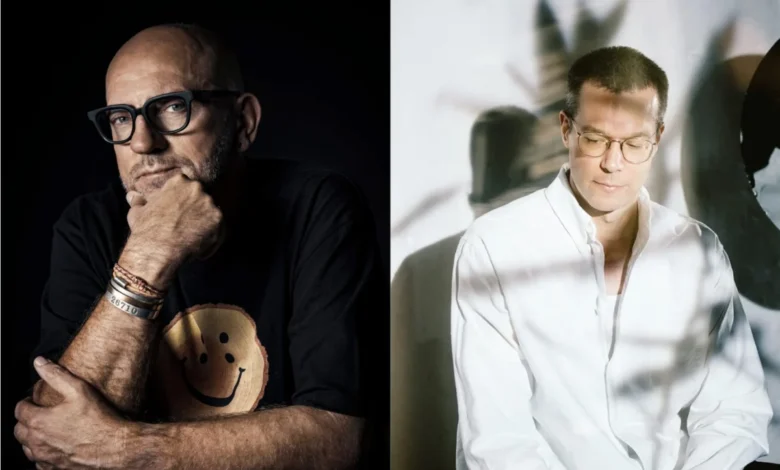
The label’s debut is marked by a significant collaboration that highlights the intersection of legacy and innovation. Sven Väth, arguably the most recognizable face of German techno, has partnered with the versatile and critically acclaimed producer Roman Flügel for the release of "Rings of Light." The track, cataloged as TWR 001, is scheduled for release on November 20.
The choice of Väth and Flügel is highly symbolic. Sven Väth’s Cocoon brand has been intrinsically linked to the history of German rave culture, much like Time Warp, while Roman Flügel—a founding member of the legendary Alter Ego and a producer with a decades-long track record of musical evolution—brings a refined, experimental edge to the project. The physical release, available for pre-order via the festival’s Bandcamp page, serves as a litmus test for the label’s ability to mobilize its massive international fanbase toward a tangible, high-quality audio product.
Chronology: From Mannheim to the World
To understand the weight of this announcement, one must examine the evolution of Time Warp over the last three decades. Established in 1994 in Mannheim, Germany, the festival initially served as an underground warehouse party that quickly ballooned into one of the most respected techno gatherings in Europe.
- 1994: The inaugural Time Warp festival takes place in Mannheim, establishing a standard for production quality, lighting design, and sound engineering that would become its trademark.
- 1995–2005: The festival consolidates its reputation, becoming a "must-attend" event for the international DJ circuit and attracting thousands of visitors from across the globe.
- 2006–2015: Time Warp begins its international expansion, hosting editions in cities such as New York, Buenos Aires, and Utrecht, effectively turning the brand into a global franchise.
- 2016–2024: Despite the volatility of the live event industry, the festival maintains its flagship Mannheim status while continuously integrating new technology and artist rosters.
- 2026: The launch of Time Warp Records signifies the next phase of institutionalization, moving beyond the ephemeral nature of live performance into intellectual property and music distribution.
The Strategic Shift: Why Now?
The decision to launch a record label in the current market environment is not merely a branding exercise; it is a strategic maneuver to secure control over the festival’s auditory identity. In an era where festival brands are often diluted by third-party content and playlist algorithms, an internal label allows the organizers to define the "Time Warp sound" on their own terms.
By managing the distribution of music, the organizers can cultivate a pipeline of exclusive tracks that are premiered at their festivals and subsequently released on the label. This creates a powerful flywheel effect: the festivals serve as the marketing engine for the music, and the music acts as the calling card for future ticket sales. Furthermore, given the current dominance of independent electronic music labels in shaping the sound of club culture, Time Warp is positioned to become a gatekeeper rather than a mere curator.
Market Context and Industry Implications
The launch of Time Warp Records arrives at a time of significant transition for the electronic music industry. The industry is currently grappling with the loss of influential figures—most recently the passing of techno pioneer Juan Atkins at age 64, whose work with Cybotron and Metroplex provided the structural DNA for the very music played at Time Warp. As the genre moves into a post-pioneer era, festivals are increasingly taking on the role of cultural preservationists.
The move also reflects a broader trend among major festivals—such as ADE (Amsterdam Dance Event) or Tomorrowland—to integrate vertical business models. By owning the music, the festival reduces its reliance on external licensing agreements and creates a more robust economic foundation. If Time Warp Records succeeds in establishing a distinct sonic aesthetic, it could effectively insulate the festival from the fluctuations in artist booking fees and touring availability that have plagued the industry in the post-pandemic era.
Technological Integration and Future Outlook
The industry is also seeing a shift in how music is produced and consumed, with advancements in synthesis and AI-assisted production. The recent announcement by Roland regarding its new Wavetable synthesizer, the n/vision, and Native Instruments’ integration of AI into their Massive XL software, underscores a technical revolution that the artists associated with the new Time Warp label will likely leverage.
The label is expected to serve as a laboratory for these technological shifts. While "Rings of Light" is firmly rooted in the tradition of German techno, the label’s A&R (Artists and Repertoire) strategy will likely evolve to include experimental, hardware-heavy tracks that appeal to the "gearhead" demographic that makes up a significant portion of the festival’s audience.
Economic and Cultural Impact
For the city of Mannheim, the festival has long been an economic engine, bringing in significant revenue during the event windows. The creation of a label adds a layer of intellectual property value that resides in the city year-round, regardless of the physical event schedule.
From an industry perspective, the label’s success will be measured by its ability to break new artists rather than simply relying on established names like Väth and Flügel. While the inaugural release leans on industry stalwarts, the long-term viability of Time Warp Records will depend on its ability to scout talent that can resonate with the younger generation of listeners who frequent the festival.
The impact on the global techno scene will be immediate. As a festival that defines the "techno calendar," Time Warp’s influence on trends is substantial. If the label adopts a sound that pushes boundaries, it could steer the direction of the genre in European clubs for the next several years. Conversely, if the label focuses on a more conservative "festival techno" sound, it may influence the commercialization of the genre.
Closing Perspectives
The launch of Time Warp Records is a testament to the longevity of the festival brand and its ability to adapt to a changing musical landscape. By bridging the gap between the live experience and recorded music, the organizers are ensuring that the spirit of Mannheim’s techno culture continues to resonate long after the lights in the warehouse go down.
As the industry prepares for the release of TWR 001, the broader message is clear: the most successful event brands are no longer content to be destinations; they are becoming conduits for the music itself. Whether this will successfully translate into a sustainable business model remains to be seen, but the pedigree of the organizers and the caliber of the inaugural artists suggest a high-level commitment to quality that is rarely seen in corporate festival expansions.
The label’s future, much like the festival’s history, will likely be defined by a delicate balance between the raw, uncompromising energy of the underground and the professional, high-production standards of a global entertainment powerhouse. For now, the electronic music community will watch closely as one of the most storied festivals in the world attempts to write its next chapter in the history of techno.