Maria Kalesnikava Reflects on Art as a Pillar of Resistance and Democratic Value After Five Years of Imprisonment

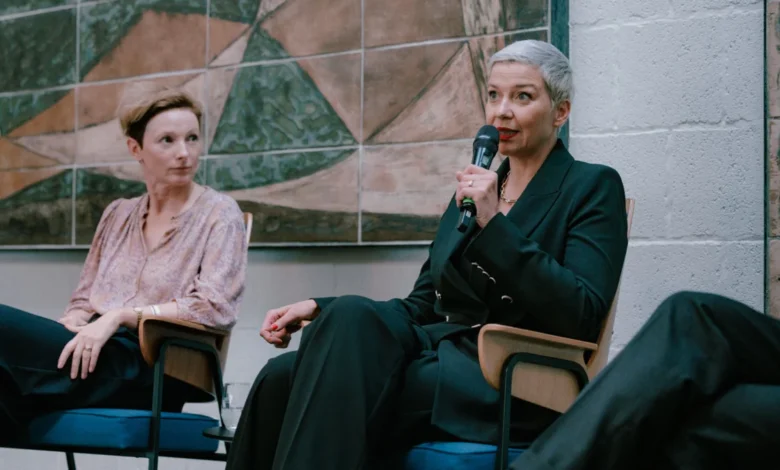
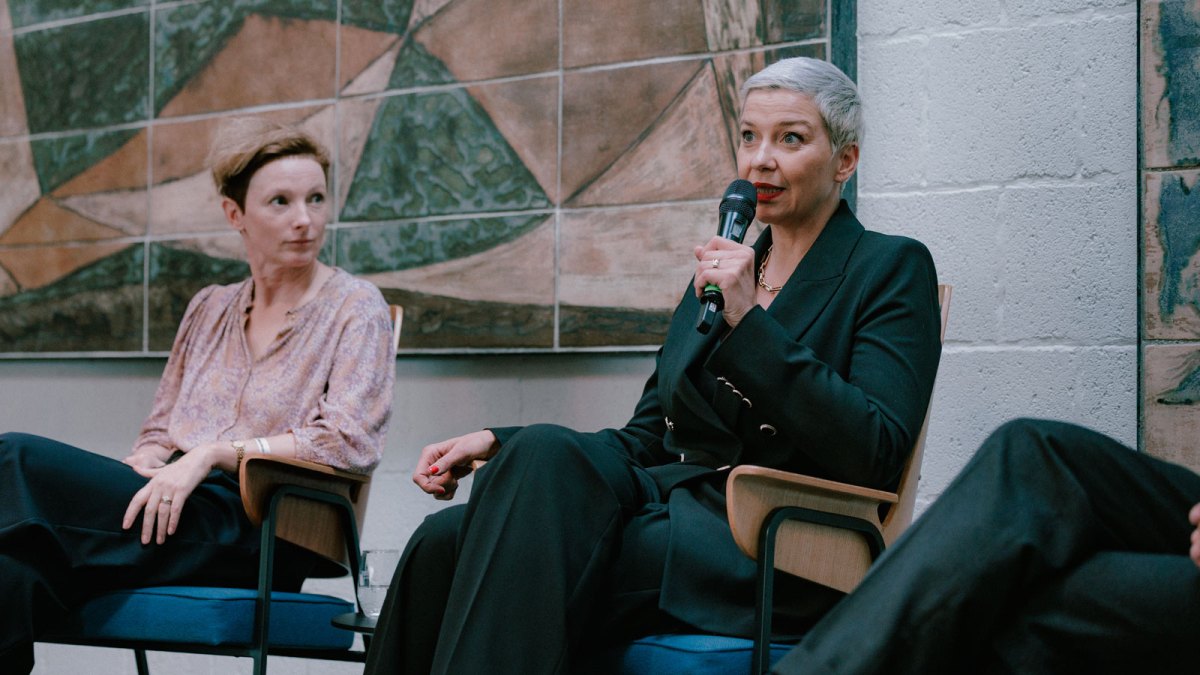
Maria Kalesnikava, a prominent figure in the Belarusian pro-democracy movement, has re-emerged on the international stage following her release from a five-year incarceration. The flutist, conductor, and former arts manager, who became a symbol of defiance against the Lukashenko regime in 2020, addressed a high-profile conference at the Beethovenfest in Bonn on October 2. Her appearance marked a significant transition from the isolation of a Belarusian penal colony to the advocacy forums of Europe, where she articulated how artistic practice served not only as a psychological sanctuary during her imprisonment but as a fundamental framework for understanding and modeling democratic values.
The speech at the Beethovenfest serves as a poignant reminder of the intersection between cultural expression and political dissent. For Kalesnikava, art was never a peripheral interest; it was the primary vehicle through which she maintained her autonomy in an environment designed to strip it away.
A Chronology of Confinement and Struggle
The trajectory of Maria Kalesnikava’s life changed irrevocably in 2020. As a key strategist and ally to presidential candidate Sviatlana Tsikhanouskaya, Kalesnikava played a central role in the protests that erupted following the disputed presidential election. Her image, famously associated with the "heart" gesture she made toward the courtroom cameras during her detention, became a defining visual of the Belarusian opposition.
The chronology of her ordeal provides a sobering look at the state of human rights in the region:
- August 2020: Kalesnikava becomes a leading figure in the Coordination Council, an opposition body formed to facilitate a democratic transition of power.
- September 7, 2020: Kalesnikava is abducted by masked men in Minsk. When authorities attempt to force her into exile, she tears up her passport at the border, refusing to leave the country.
- September 8, 2020: She is officially arrested and charged with "calls for actions aimed at harming national security."
- September 2021: A court sentences her to 11 years in a penal colony.
- 2022–2025: Kalesnikava spends years in conditions that international human rights organizations have repeatedly decried as inhumane, including prolonged periods of solitary confinement and restricted access to medical care.
- December 2025: Following intense diplomatic negotiations involving the United States and international human rights intermediaries, Kalesnikava is released and relocated to Germany.
The Intersection of Artistic Practice and Civic Life
During her address in Bonn, Kalesnikava emphasized that the creative process—specifically the discipline required in music—offered a structural parallel to the discipline required in civil society. She argued that the collaborative nature of a chamber ensemble or an orchestra mirrors the necessary cooperation within a democratic movement. In both instances, individuals must listen, respond, and contribute to a collective harmony without sacrificing their individual voice.
For Kalesnikava, the act of "internalizing music" became a vital survival strategy. In the silence of her cell, she mentally rehearsed scores and composed thoughts on the role of culture as a soft power that acts as a check on authoritarian rigidity. She posited that authoritarianism relies on the atomization of society, whereas art facilitates connection and the shared experience of truth, both of which are kryptonite to a regime that relies on propaganda and fear.
Supporting Data on Political Prisoners in Belarus
The case of Maria Kalesnikava is not an isolated incident but a representative case study of the broader crackdown on civil society in Belarus. According to data provided by the Viasna Human Rights Center, the number of political prisoners in Belarus has fluctuated between 1,000 and 1,500 at any given time since the 2020 elections.
The systematic targeting of cultural figures, journalists, and activists has had a profound impact on the nation’s cultural landscape:
- Cultural Exiles: Hundreds of Belarusian artists, writers, and musicians have been forced into exile, leading to a "brain drain" of the country’s intelligentsia.
- Institutional Purges: Arts institutions, theaters, and universities have been subjected to state-mandated ideological vetting, resulting in the dismissal of thousands of employees for their political views.
- The Cost of Silence: International monitoring groups estimate that the Belarusian state spends a significant portion of its internal security budget on monitoring and suppressing artistic expression that deviates from state-sanctioned narratives.
Official Responses and Diplomatic Implications
The release of Kalesnikava in December 2025 was widely viewed as a breakthrough in back-channel diplomacy. While the Belarusian government has remained largely silent regarding the specific concessions made in exchange for her release, Western observers suggest that the move was an attempt by the regime to ease economic pressure and signaling a potential, albeit narrow, window for dialogue.
The United States Department of State and the European Union issued statements praising her resilience while simultaneously calling for the immediate release of all remaining political prisoners. European diplomats, including those present at the Bonn conference, highlighted that Kalesnikava’s freedom is a symbolic victory, but the work of reintegrating political prisoners into the international human rights conversation remains a long-term challenge.
Broader Impact and Theoretical Analysis
Kalesnikava’s release and her subsequent advocacy offer a critical lens through which to view the future of post-authoritarian societies. Political scientists suggest that the "Kalesnikava model"—the integration of artistic resilience into political activism—provides a blueprint for movements operating under extreme surveillance.
The analysis of her speech in Bonn suggests three major implications:
- The Persistence of Soft Power: Kalesnikava’s argument that culture acts as a persistent, non-violent resistance suggests that even in a digital surveillance state, the "human" element of art cannot be fully suppressed.
- Transnational Advocacy: By moving her base of operations to Germany, Kalesnikava joins a network of global activists who are now focusing on the legal and psychological rehabilitation of former prisoners.
- The Ethics of Negotiation: Her release has sparked a debate among human rights advocates regarding the ethics of negotiating with autocratic regimes. While her freedom is celebrated, the "hostage diplomacy" aspect of the release remains a contentious point in international relations.
Conclusion: The Resilience of the Individual
As Maria Kalesnikava transitions from the role of a political symbol back to a civilian activist, her focus remains on the structural components of freedom. Her reflections at the Beethovenfest serve as a testament to the idea that authoritarianism can imprison the body, but it cannot dictate the parameters of the mind, provided that the individual possesses the tools of critical thought and artistic agency.
As she moves forward, the international community will be watching to see how her voice influences the ongoing dialogue between the exiled Belarusian opposition and the European institutions that continue to support them. Her journey—from the concert hall to the prison cell, and finally to the podium in Bonn—remains a powerful narrative of the enduring human capacity to resist oppression through the maintenance of one’s own internal reality. Kalesnikava’s presence in the public sphere serves as a catalyst for a renewed focus on the plight of those who remain behind bars, ensuring that the issue of human rights in Belarus does not fade into the background of European geopolitical priorities.