Geese address industry plant allegations as the band confronts the reality of modern viral marketing

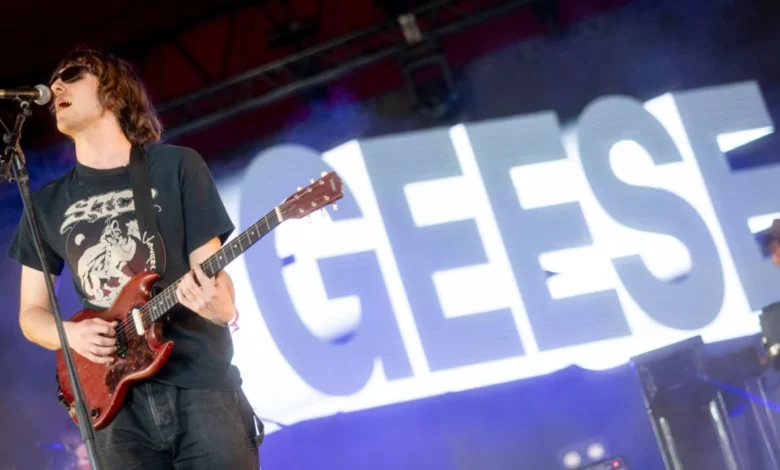
The rise of the New York-based indie rock outfit Geese has been marked by critical acclaim and a rapidly expanding fanbase, yet the band’s trajectory has recently been shadowed by persistent allegations that their success was engineered through "industry plant" tactics and orchestrated psychological operations. These accusations, which have permeated music industry discourse for months, suggest that the band’s digital presence was the result of artificial amplification rather than organic listener growth. In a recent interview with Rolling Stone, members of the band addressed these rumors directly, providing a rare glimpse into the internal friction and existential doubt that the allegations caused within the group.
The Genesis of the Psyop Allegations
The controversy surrounding Geese is not an isolated incident but rather a symptom of growing skepticism regarding how digital marketing agencies manipulate social media algorithms. The scrutiny began following a spring report by Billboard, which featured insights from the marketing firm Chaotic Good. In the piece, representatives from the firm discussed their use of "trend simulation," a practice involving the management of thousands of farmed social media accounts to artificially create the appearance of viral momentum for their clients.
While Chaotic Good has represented a diverse roster of major-label artists—including industry titans like Coldplay and Travis Scott—the association proved particularly damaging for the burgeoning indie band. In April, Wired magazine published an investigation titled "The Fanfare Around the Band Geese Actually Was a Psyop," which served to codify the suspicion that Geese’s rise was the product of a coordinated digital campaign rather than authentic grassroots support. The term "psyop," though colloquially used in music circles to describe manufactured fame, struck a nerve, suggesting that the band’s audience was being misled by a sophisticated, non-organic promotional machine.
Internal Turmoil and Confrontation
The allegations of astroturfing—a term describing the practice of masking the sponsors of a message to make it appear as though it originates from and is supported by grassroots participants—did not only affect the public perception of Geese; it also caused significant internal distress. According to frontman Cameron Winter, the band members themselves were initially uncertain about the validity of their own ascent.
"I thought the same thing, I really did," Winter admitted in his interview with Rolling Stone. "That seemed like a reasonable explanation." The band members recounted a period of intense panic, fearing that their hard work had been overshadowed by a deceptive marketing apparatus. Winter described a moment of confrontation where the band reached out to their label representatives in a state of professional crisis, demanding to know the extent to which their fanbase was composed of bots or engineered interactions.
The subsequent meeting with Chaotic Good provided the band with a clearer, albeit nuanced, understanding of their digital footprint. According to Winter, the marketing strategy was far less sophisticated—and perhaps more mundane—than the "psyop" label suggested. The firm clarified that their involvement was limited to sharing and reposting live clips of the band’s performances. Winter noted that the reality was closer to "low-effort TikTok posts" designed to nudge the algorithm, rather than a legion of fake fans. "It wasn’t comments or fake fans or bots or anything," Winter stated. "They showed us samples, and it made me feel better because they were so shitty."
The Mechanics of Modern Music Marketing
To understand the intensity of the backlash against Geese, one must consider the broader climate of the music industry. In the post-streaming era, the threshold for "virality" has become increasingly difficult to distinguish from "purchased influence." Digital marketing firms now routinely employ tactics that mirror the "trend simulation" mentioned by Chaotic Good. These methods often include:
- Algorithmic Gaming: Using accounts to interact with specific audio snippets on platforms like TikTok to trick the algorithm into pushing content to a wider, organic audience.
- Engagement Farming: Creating clusters of accounts that like, share, and comment on a track, creating a "social proof" effect that encourages real users to listen.
- Influencer Seeding: Paying micro-influencers to include specific tracks in their content to normalize the music within niche digital subcultures.
The frustration expressed by music fans stems from a perceived loss of agency. When listeners discover a band, they value the belief that the discovery was organic. When that process is revealed to be a simulated event, the perceived authenticity of the art itself often suffers.
Current Standing and Commercial Reality
Despite the controversy, the empirical data suggests that Geese have transitioned from a buzz-worthy project to a commercially viable act. Their fourth studio album, Getting Killed, has achieved silver certification in the United Kingdom—a significant milestone for an independent-leaning rock band in the modern market. Furthermore, their upcoming autumn tour across the United States, spanning various theaters and arenas, is nearing a total sell-out, indicating a level of ticket-buying demand that cannot be sustained by bots alone.
This success highlights a critical distinction in the music business: while marketing can provide the initial spark, it rarely sustains a career in the absence of a genuine connection with an audience. Bassist Dominic DiGesu captured this sentiment in his comments regarding the controversy. "I’m glad that people have thoughts about our stuff at the end of the day," DiGesu noted. "At least we’re not boring and mid."
Broader Implications for the Industry
The "Geese Psyop" narrative serves as a case study for the current era of music promotion. As labels and management firms navigate an increasingly opaque digital landscape, the line between "promoting a band" and "manufacturing a trend" has blurred.
For the artist, the fallout from such allegations can be professionally isolating. When a band is labeled an "industry plant," they are effectively stripped of their narrative agency. Reclaiming that narrative requires transparency, a trait that is often discouraged by the high-stakes world of major-label marketing. By openly discussing their internal meltdown and their confrontation with their marketing firm, Geese have attempted to pivot the conversation from their promotion tactics back to their output.
Ultimately, the Geese experience highlights an industry-wide pivot point. As audiences become more savvy about the mechanics of the internet, the demand for transparency is growing. Future artists will likely face similar scrutiny, and the ones who succeed will be those who can balance the necessity of digital visibility with the preservation of their artistic integrity. The case of Geese demonstrates that while the tools of modern promotion are designed to simulate organic growth, they are insufficient to sustain a career in the long term without the backing of a real, engaged, and ticket-buying audience. The band’s survival of this PR firestorm suggests that for modern indie acts, the most effective defense against "industry plant" allegations remains the music itself.