Durable, adaptable, and endlessly interesting – why alexandrite’s color change makes it a natural fit for everyday jewelry.

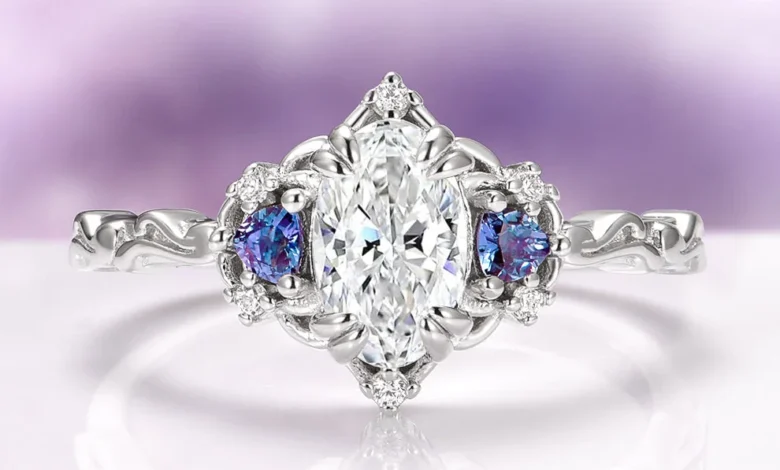
Alexandrite, a captivating gemstone renowned for its dramatic color-change phenomenon, is increasingly recognized not merely as a collector’s item or a jewel reserved for grand occasions, but as a practical and enduring choice for daily wear. Its unique blend of physical robustness, chameleon-like aesthetic versatility, and inherent low-maintenance qualities positions it as an ideal candidate for integration into one’s everyday jewelry rotation. This article delves into the multifaceted attributes that underscore alexandrite’s suitability for continuous wear, exploring its historical context, gemological properties, market dynamics, and practical considerations for consumers.
A Legacy of Discovery: The Origins and Naming of Alexandrite
The story of alexandrite begins in the emerald mines of the Ural Mountains in Russia, where it was first discovered on April 17, 1834, coincidentally on the birthday of the future Tsar Alexander II. This serendipitous timing led to the gemstone being named in his honor. Its striking color transformation, shifting from an emerald green in daylight to a ruby red under incandescent light, immediately captivated the Russian imperial court and aristocracy. This dual coloration, mirroring the national military colors of Imperial Russia (red and green), further cemented its status as a symbol of prestige and good fortune within the empire.
Initially, the Ural Mountains were the primary source of alexandrite, yielding specimens of exceptional quality and clarity. However, these mines eventually depleted, leading to a significant increase in the gemstone’s rarity and value. Subsequent discoveries in Brazil, Sri Lanka, and East Africa (Tanzania, Madagascar) in the 20th century expanded the global supply, though stones from these new sources often exhibit slightly different color-change characteristics and intensity compared to the classic Russian alexandrite. For instance, Brazilian alexandrite from Hematita is known for its strong color change and desirable hues, while Sri Lankan stones might lean towards bluish-green in daylight and purplish-red under incandescent light. The historical context of its discovery and its association with royalty laid the groundwork for its enduring mystique, but its intrinsic properties are what truly qualify it for practical application.
Gemological Resilience: Understanding Alexandrite’s Durability
For any gemstone to be considered suitable for everyday wear, its physical durability is paramount. Alexandrite, a variety of the mineral chrysoberyl (BeAl2O4), boasts an impressive Mohs hardness rating of 8.5. This places it firmly among the hardest naturally occurring gemstones, surpassed only by corundum (sapphire and ruby, Mohs 9) and diamond (Mohs 10). This high degree of hardness means alexandrite is highly resistant to scratching, a common form of wear and tear for jewelry exposed to daily activities. Unlike softer gems that can easily accumulate micro-scratches over time, diminishing their luster, alexandrite maintains its polished surface with minimal effort.
Beyond hardness, a gemstone’s toughness—its resistance to breaking, chipping, or fracturing—is equally critical. Alexandrite exhibits good to excellent toughness, attributed to its crystalline structure. While no gemstone is entirely indestructible, alexandrite can withstand the incidental knocks and bumps that are an inevitable part of daily life without incurring significant damage, especially when securely set in a well-crafted piece of jewelry. This combination of superior hardness and commendable toughness makes alexandrite a practical choice for engagement rings, wedding bands, and other frequently worn items, providing peace of mind for the wearer. In contrast, gemstones like emerald (Mohs 7.5-8) are known for their lower toughness due to internal inclusions, making them more susceptible to chipping and requiring more careful handling. Alexandrite’s robust nature mitigates many of these concerns, positioning it as a genuinely ‘built for life’ gemstone.
The Metamorphic Marvel: Unpacking Alexandrite’s Color-Change Phenomenon
The defining characteristic of alexandrite, and arguably its most captivating attribute, is its pleochroism and pronounced color-change effect, also known as the "alexandrite effect." This optical phenomenon is a result of the stone’s unique chemical composition, specifically the presence of chromium impurities within its crystal lattice. Chromium selectively absorbs certain wavelengths of light while allowing others to pass through, creating a fascinating spectral shift.
Under natural daylight or fluorescent light, which are rich in blue and green wavelengths, alexandrite typically appears in shades of green, ranging from emerald green to bluish-green. However, when exposed to incandescent light, which is rich in red and yellow wavelengths, the stone undergoes a remarkable transformation, shifting to purplish-red or reddish-purple hues. This phenomenon is a prime example of metamerism, where a material appears to change color depending on the spectral distribution of the light source. The intensity and clarity of this color change are primary factors in determining an alexandrite’s value, with the most desirable stones exhibiting a strong, distinct shift between vibrant green and rich red.
This inherent variability means that an alexandrite piece offers a dynamic visual experience throughout the day. A ring worn in the morning sunlight will present a cool, verdant tone, while the same ring under the warm glow of evening lamplight will reveal a regal, ruby-like brilliance. This constant, subtle transformation provides a continuous source of fascination and a unique connection between the wearer and their jewelry, making it an "endlessly interesting" companion. Gemologists and enthusiasts alike marvel at this natural optical illusion, highlighting it as one of the most intriguing phenomena in the world of gemstones. The ability of a single stone to embody two distinct personalities makes it a versatile aesthetic asset, eliminating the monotony often associated with single-hued gems.
Unparalleled Versatility: Styling Alexandrite for Every Occasion
The color-change property of alexandrite contributes significantly to its remarkable versatility in styling. Because it transitions between cool (green, blue-green) and warm (red, purplish-red) color palettes, alexandrite effortlessly complements a wide spectrum of wardrobe choices and metal settings.
For instance, the green tones of alexandrite harmonize beautifully with cool-toned metals like white gold, platinum, and sterling silver, enhancing their crisp, modern aesthetic. When the stone shifts to its reddish hues, it pairs exquisitely with warm-toned metals such as yellow gold and rose gold, bringing out their rich, classic appeal. This adaptability means that a single alexandrite piece can seamlessly transition from a professional daytime ensemble to an elegant evening outfit without clashing or appearing out of place. It eliminates the need for multiple pieces of colored jewelry to match different outfits or occasions, offering a singular solution that adapts to the wearer’s dynamic lifestyle.
Jewelry designers often praise alexandrite for this quality, noting that it provides a unique challenge and opportunity for creativity. Its ability to absorb and reflect different light spectra means that a well-designed piece can highlight its transformative nature, creating an ever-evolving aesthetic. From minimalist solitaire settings that emphasize the stone’s pure beauty to intricate designs incorporating accent diamonds or other gemstones, alexandrite proves to be a highly cooperative gem. Its distinctiveness also allows it to stand alone as a statement piece, yet its complementary colors ensure it can be layered with other jewelry without overwhelming the overall look. This inherent flexibility makes it an easy and reliable choice for daily accessorizing, catering to both classic and contemporary tastes.
Rarity and Value: The Economic Landscape of Alexandrite
Despite its increasing popularity for everyday wear, natural alexandrite remains one of the rarer gemstones on the market. The original Russian deposits are largely exhausted, and while new sources have emerged, fine-quality alexandrite with a strong, distinct color change is still difficult to find. This scarcity directly impacts its market value, positioning it as a premium gemstone.
Prices for natural alexandrite can vary widely based on several factors: the intensity and completeness of its color change, its clarity, carat weight, and origin. Flawless, vibrant stones from classic Russian sources command the highest prices, often comparable to or exceeding those of high-quality rubies and emeralds. Alexandrite is frequently sold by the carat, and prices can range from a few hundred dollars per carat for smaller, less intense stones to tens of thousands of dollars per carat for exceptional specimens. For example, a fine quality natural alexandrite of 1-2 carats with a strong color change could easily fetch several thousand dollars, with larger, museum-quality pieces reaching six figures.
The rarity of natural alexandrite has also led to the development of synthetic alexandrite and alexandrite simulants. Synthetic alexandrite, typically created through the Czochralski or flux-growth methods, shares the same chemical and physical properties as natural alexandrite but lacks its rarity and hence its intrinsic value. Simulants, on the other hand, are often other gemstones (like synthetic corundum with vanadium) or glass that mimic the color-change effect but do not possess the same composition or durability. While these alternatives offer a more accessible price point, they do not carry the same investment potential or unique character as natural alexandrite. For consumers seeking an everyday piece, understanding the distinction between natural, synthetic, and simulant is crucial for managing expectations regarding value and authenticity. The enduring demand for this rare and beautiful gem underscores its lasting appeal in the jewelry market.
Maintaining Its Luster: Essential Care for Daily Wear Alexandrite
One of the practical advantages of alexandrite for everyday jewelry is its relatively low maintenance requirements. Its hardness and toughness contribute to its resilience, meaning it does not demand the meticulous care associated with more fragile gems. However, like all fine jewelry, some basic care practices are recommended to preserve its beauty and longevity.
For routine cleaning, alexandrite jewelry can be safely cleaned with warm soapy water and a soft brush. This method effectively removes dirt, oils, and residues from daily wear without risking damage to the stone or setting. Ultrasonic cleaners are generally safe for alexandrite, but caution should always be exercised, especially if the stone has significant inclusions or if it is set with other, more delicate gems. Steam cleaners are typically not recommended as the high heat and pressure can be problematic for certain settings or potentially existing fissures within the stone.
It is advisable to remove alexandrite jewelry before engaging in activities that could expose it to harsh chemicals, such as cleaning products, chlorine from swimming pools, or strong perfumes and hairsprays. While alexandrite is quite stable, prolonged exposure to these substances can dull the metal setting or potentially impact the stone’s surface luster over time. When not being worn, alexandrite pieces should be stored separately from other jewelry to prevent scratching. A soft pouch or a compartment within a jewelry box is ideal. Adhering to these simple care guidelines ensures that an alexandrite piece will retain its captivating sparkle and color-change magic for years, making it a truly low-effort yet high-reward daily companion.
Strategic Selection: Choosing the Ideal Everyday Alexandrite Piece
When selecting an alexandrite piece for daily wear, several design and setting considerations come into play to maximize both comfort and durability. The objective is to choose jewelry that can withstand constant use while remaining aesthetically pleasing and secure.
For rings, which are often subjected to the most wear and tear, a secure setting is paramount. Bezel settings, where a metal rim completely encircles the gemstone, offer the highest level of protection against knocks and impacts. Semi-bezel settings or robust prong settings (e.g., six prongs instead of four) also provide excellent security. Low-profile designs are generally preferable, as they minimize the risk of snagging on clothing or objects. A high-set stone, while visually striking, can be more prone to damage. Comfort is also key; the band should fit well and not impede finger movement.
For earrings, especially studs, a sturdy post and secure backing are essential. Simple pendant designs, where the alexandrite is securely nestled in a bezel or strong prongs, are ideal as they tend to stay out of the way and are less likely to be impacted. Bracelets, due to their exposure, should feature robust settings and clasps. Ultimately, the best everyday pieces are those that are well-constructed, prioritize the protection of the stone, and offer a comfortable, unobtrusive fit. Consumers should prioritize quality craftsmanship and consult with reputable jewelers to ensure the longevity and integrity of their chosen alexandrite piece. The goal is to select an item that can genuinely be worn and forgotten, becoming a seamless extension of one’s personal style.
Industry Perspectives and Consumer Appeal
The jewelry industry, including gemologists, designers, and retailers, increasingly recognizes alexandrite’s potential beyond its niche as a collector’s gem. Gemologists often highlight its fascinating optical properties as a testament to nature’s artistry, making it a subject of continuous study and admiration. Leading designers appreciate its versatility, noting that its dual color profile allows for creative freedom across various design aesthetics, from vintage-inspired to contemporary. Industry reports indicate a steady demand for high-quality alexandrite, fueled by consumers seeking unique and meaningful alternatives to more conventional gemstones.
For consumers, the appeal of alexandrite for everyday wear lies in its ability to offer a personalized and dynamic experience. In an era where individuality and sustainability are highly valued, an alexandrite piece provides both. It is a distinctive gem that stands out without being ostentatious, and its durability means it can be passed down through generations, becoming a cherished heirloom. The "small moment of wonder" that the stone provides as it changes color throughout the day resonates deeply with those who appreciate subtle beauty and unique character in their personal adornments. This combination of rarity, resilience, and captivating aesthetics positions alexandrite as a smart and emotionally rewarding choice for daily jewelry.
The Enduring Allure: Alexandrite as a Daily Companion
In conclusion, alexandrite stands out as an exceptional gemstone that transcends the traditional boundaries of special occasion jewelry. Its superior hardness (Mohs 8.5) and good toughness ensure it can withstand the rigors of daily life, making it a genuinely durable choice. The mesmerizing color-change phenomenon offers unparalleled versatility, allowing it to complement any wardrobe and metal setting while providing a continuous source of visual delight. Furthermore, its relatively low maintenance requirements make it a practical and user-friendly option for those seeking a high-quality, enduring piece.
From its storied discovery in the Ural Mountains to its present-day status as a sought-after gem, alexandrite has consistently captivated with its unique charm. While natural alexandrite remains rare and commands a premium, its intrinsic value and enduring appeal make it a worthy investment for an everyday piece. By choosing a securely set, comfortable design, consumers can embrace alexandrite not just as a beautiful ornament, but as a living jewel that offers a personal and dynamic connection throughout the day. For those who desire jewelry with genuine character, a constant companion that provides subtle moments of wonder and adapts effortlessly to their world, an everyday alexandrite piece is an undeniably rewarding and distinctive selection.