The AI Ring at the Bayreuther Festspiele signals a transformative shift in the intersection of classical opera and generative technology

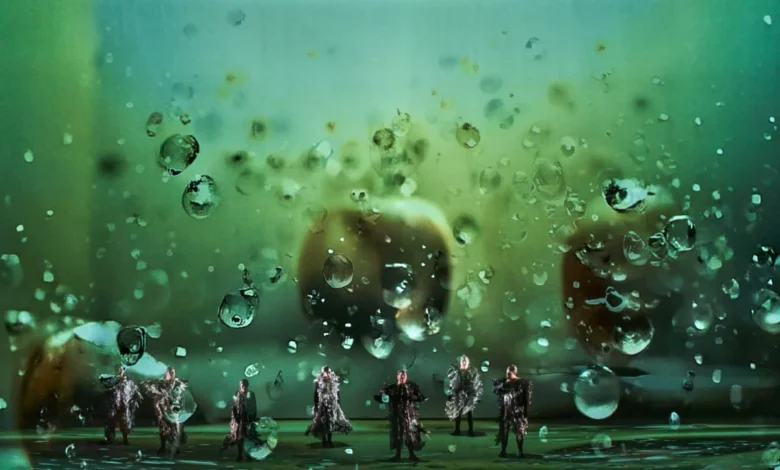
The annual Bayreuth Festival, a cornerstone of the global operatic calendar, has historically served as a bastion of tradition, dedicated exclusively to the works of Richard Wagner. However, the 2026 iteration has marked a departure from its conservative heritage, integrating generative artificial intelligence into its visual and marketing identity. As attendees navigate the streets of Bayreuth, they are met with a pervasive digital presence: AI-generated portraiture of Wagner, stylized promotional materials for the festival’s main stage productions, and digital signage that permeates the local commerce landscape. This shift reflects a broader, industry-wide trend toward the adoption of machine learning tools in stagecraft, prompting intense debate regarding the preservation of artistic integrity versus the embrace of digital efficiency.
A Chronology of Integration at the Festspielhaus
The arrival of AI in Bayreuth was not an overnight occurrence but rather the culmination of several years of technological experimentation within the German arts sector.
- 2023–2024: The Festspiele began testing digital archives and light-mapping technologies to reduce the carbon footprint associated with physical set construction. These efforts focused on projection mapping as a sustainable alternative to traditional wood-and-steel scenery.
- Early 2025: Discussions within the festival board regarding the "future-proofing" of Wagnerian aesthetics intensified. Preliminary partnerships with generative software developers were established to assist in the creation of conceptual visual assets.
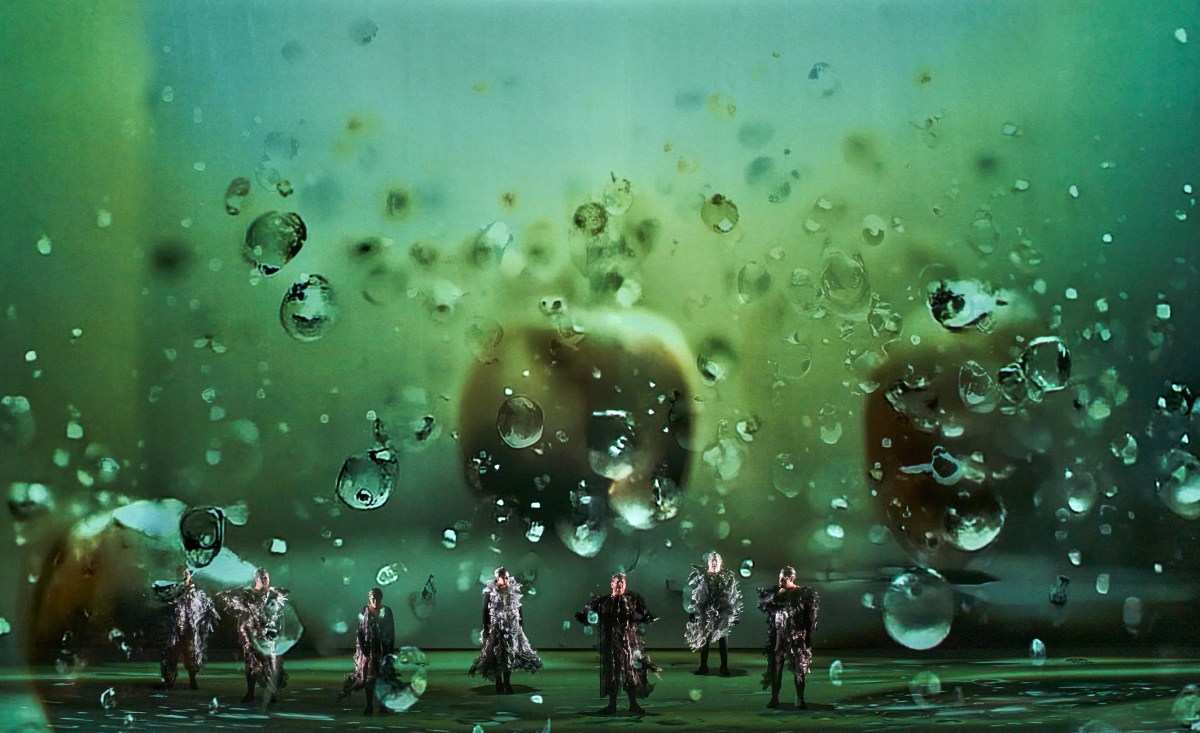
- July 2026: The festival officially launched its "AI Ring" cycle. The promotional campaign, which features highly stylized, computer-generated imagery, has since dominated the local visual aesthetic, from the streets of Sophienstraße to the foyer of the Festspielhaus itself.
The adoption of these tools follows a period of financial restructuring for many major European cultural institutions. Facing rising production costs—often exceeding €3 million for a new Ring cycle—the move toward AI-generated visual design is seen by some administrators as a necessary fiscal pivot to maintain high-concept stagecraft within shrinking budgets.
The Technological Shift in Operatic Production
The use of generative AI in this context extends beyond mere marketing. In the current production, algorithms have been employed to assist in the creation of visual textures and complex set designs that would traditionally require months of manual labor by scenic artists. By utilizing large-scale image generators, designers can rapidly iterate through hundreds of visual variations, allowing directors to visualize complex mythological environments—such as the depths of the Rhine or the heights of Valhalla—with unprecedented speed.
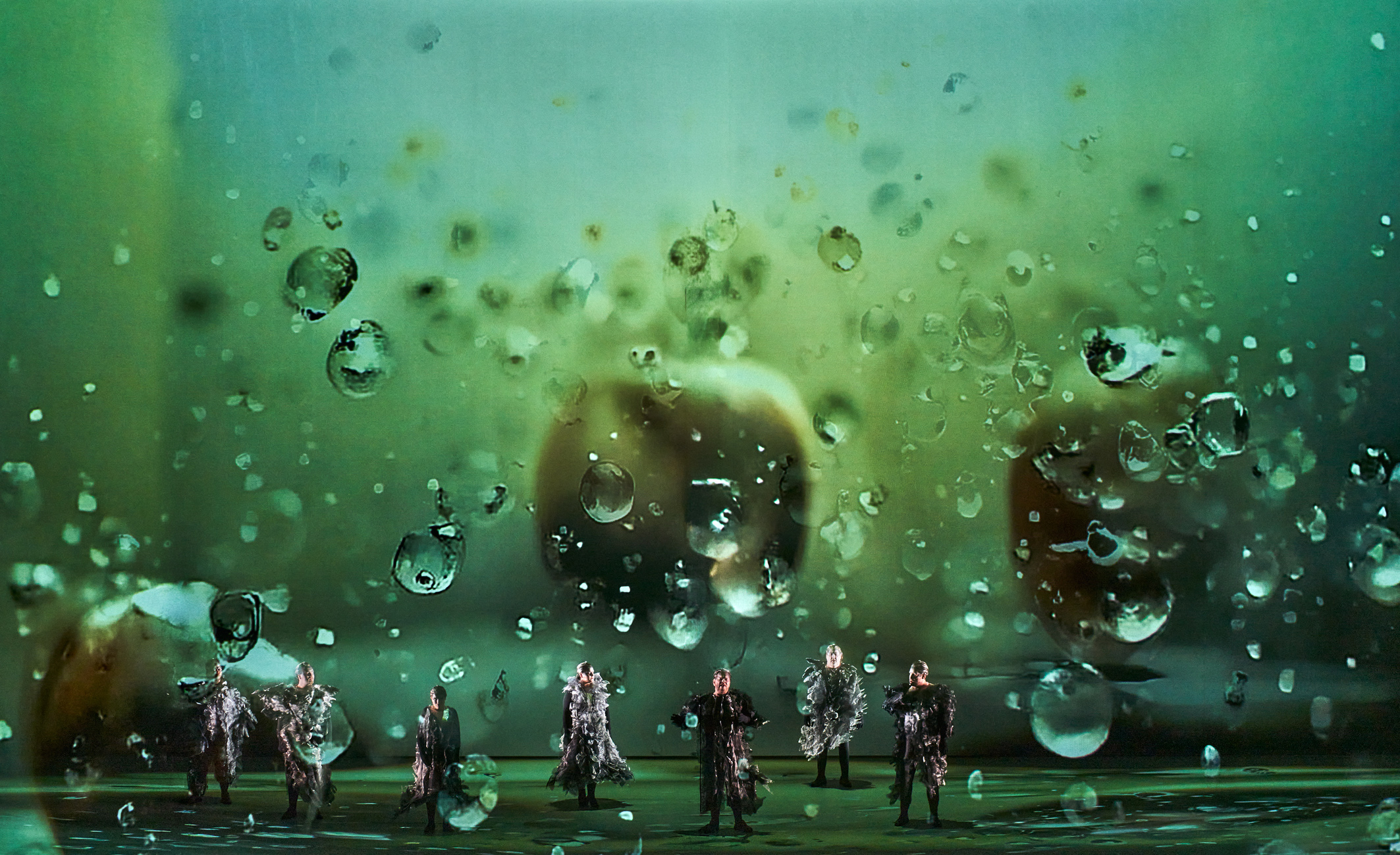
However, the implementation of these tools has raised significant questions regarding the nature of creative labor. While the festival management emphasizes the "collaborative" nature of AI—where the computer acts as a tool rather than a creator—critics argue that the ubiquity of these images creates a visual homogenization. When every local café, falafel stand, and festival kiosk utilizes the same generative models to decorate their space, the distinct, curated aesthetic that Bayreuth has spent over a century building risks being diluted by the generic output of mass-market software.
Industry Data and Economic Implications
The economic impetus for this shift is supported by recent trends in the performing arts sector. According to data from the German Theater Association (Deutscher Bühnenverein), production costs for large-scale operas have risen by approximately 15% since 2020 due to inflation in materials and specialized labor.
- Cost Efficiency: Initial reports from the 2026 Bayreuth production indicate a 22% reduction in the budget allocated for promotional visual assets compared to the 2023 season.
- Market Penetration: AI-generated imagery has allowed the festival to deploy dynamic, real-time marketing adjustments across social media platforms, resulting in a reported 12% increase in ticket inquiries from younger demographics (ages 18–34).
- Labor Displacement: While the festival maintains that its core creative staff remains involved in the final decision-making process, concerns persist among freelance scenic designers and graphic artists regarding the long-term sustainability of their roles in a field increasingly automated by generative prompts.
Official Responses and Artistic Governance
The Festspiele administration has framed the integration of AI as an homage to Wagner’s own obsession with "Gesamtkunstwerk"—the total work of art. By merging music, drama, and now cutting-edge digital technology, the festival claims it is upholding Wagner’s vision of a multidisciplinary spectacle.
"We are not replacing the human spirit; we are extending its reach," stated a spokesperson for the festival committee. "Wagner was an innovator who pushed the technical boundaries of his time. It is only logical that we utilize the most advanced tools at our disposal to interpret his complex narratives for a 21st-century audience."
Conversely, independent cultural critics have expressed concern over the "expressive enfeebling" of the audience. The argument suggests that when creativity is offloaded to a computer, the resulting output lacks the idiosyncrasies and intentional flaws that define human artistic expression. The "AI Ring" is being closely monitored by international institutions, including the Salzburg Festival and the Royal Opera House, as a litmus test for how much digital intervention a traditional audience will accept before the authenticity of the performance is perceived to be compromised.
Broader Impact and Future Outlook
The implications of Bayreuth’s 2026 season extend far beyond the borders of Bavaria. As one of the world’s most prestigious cultural institutions, the festival serves as a bellwether for the rest of the classical music world. If the adoption of AI at Bayreuth is deemed a success—measured by both critical reception and financial stability—it is highly probable that similar initiatives will be adopted by major orchestras and opera houses worldwide.
This transition highlights a fundamental tension in modern arts management: the need to modernize to remain relevant in a digital-first economy versus the responsibility to preserve the tactile, human-centric nature of live performance. The festival is effectively creating a new paradigm where the definition of "artistic vision" is shifting from the physical execution of a concept to the curation of machine-generated possibilities.
As the season progresses, the international community will look to audience feedback and scholarly reviews to determine whether this "AI-augmented" approach enhances the Wagnerian experience or merely offers a veneer of technological relevance. Regardless of the outcome, the 2026 Bayreuth Festival has firmly established that the debate over artificial intelligence in the arts is no longer theoretical—it is playing out on the most storied stage in the world, with the legacy of Richard Wagner acting as the ultimate testing ground. Whether this marks the dawn of a new, technologically empowered era for opera or the beginning of a decline in human artistic agency remains the central, unresolved question of the 2026 season.