The architecture of a modern song extends far beyond the initial burst of melodic inspiration or the subsequent wizardry of a mixing engineer. In the contemporary landscape of audio engineering and songwriting, arrangement remains the foundational pillar that dictates whether a musical composition resonates with a listener or falls flat. While digital audio workstations (DAWs) have democratized the recording process—allowing producers to stack hundreds of tracks of high-definition audio with a few clicks—this abundance of sonic material often obscures the true narrative arc of a song. Industry veterans and music software developers alike are increasingly emphasizing that the secret to a professional-grade production lies not in heavy processing, but in the deliberate, calculated control of arrangement.
To understand the weight of arrangement, one must examine the psychological and physical journey a listener takes from the first downbeat to the final fadeout. A composition is inherently a timeline, a temporal experience where tension and release must be carefully managed. When producers encounter an eight- or 16-bar loop that sounds incredible in isolation but refuses to translate into a full arrangement, the culprit is rarely poor EQ or inadequate compression. More often, it is a structural failure: too many elements are fighting for acoustic space, or the track lacks the dynamic contrast necessary to maintain engagement over three or four minutes.
Building energy and movement within a track requires a nuanced understanding of density and sparseness. A common misconception among novice producers is that increasing the energy of a chorus requires merely adding more volume or stacking an excessive number of virtual instruments across the master bus. In practice, seasoned arrangers achieve this by strategically introducing or removing individual parts to create textural contrast. For instance, a verse might feature a steady, muted drum pattern, a foundational bassline, and warm, subdued chords. When the chorus arrives, the energy shifts not necessarily because everything is louder, but because the arrangement expands horizontally and vertically through supplementary percussion, rhythm guitar hooks, secondary synth layers, and widening backing vocals.
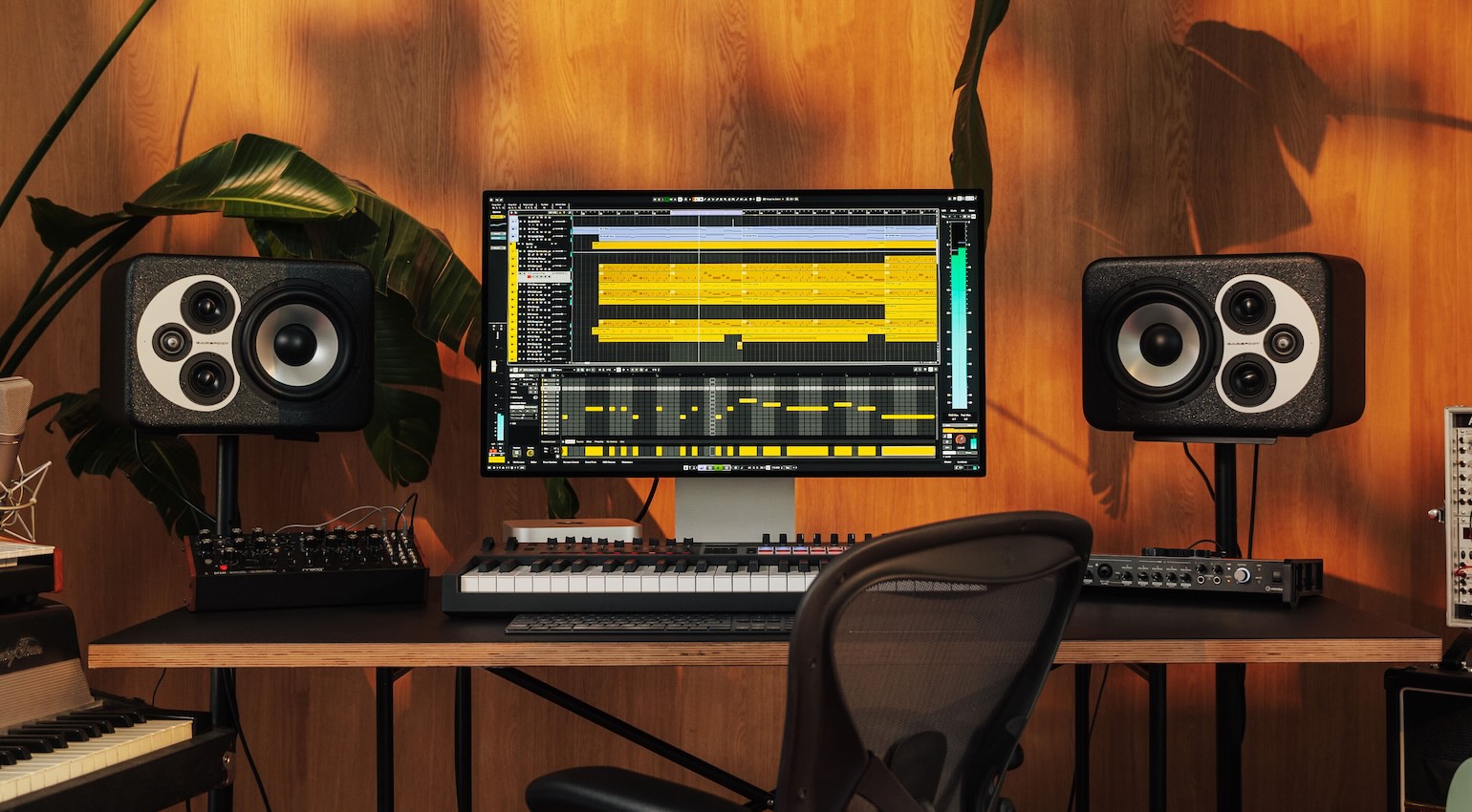
Conversely, the art of subtraction is frequently more powerful than addition. Creating a minimalistic pre-chorus or a stripped-back bridge—perhaps reducing the instrumentation down to a solitary vocal and a delicate piano or filtered synth—acts as a psychological slingshot. When the chorus finally hits after a moment of intense sparseness, the impact is magnified exponentially. This technique prevents listener fatigue and aligns with the production philosophy that only the elements essential to a specific section should occupy the sonic field at any given moment.
The historical precedent for this approach is well-documented across multiple genres, most notably in the transition from the minimalist verse to the explosive chorus popularized by alternative rock acts like Nirvana, or the masterclasses in dynamic evolution found in the catalog of electronic pioneers like Daft Punk. Even within rhythm-driven electronic music, where loops are inherently cyclical, transformative changes are mandatory to guide the listener’s focus. Without them, a relentless wall of sound quickly becomes fatiguing, obscuring the primary melodic hooks and flattening the emotional peaks of the composition.
Furthermore, arrangement serves as the ultimate diagnostic tool for mixing engineers. A recurring challenge in professional mixing sessions is muddy low-end or obscured lead vocals. While these issues are frequently addressed through subtractive EQ, multi-band compression, and dynamic sidechaining, many mix-stage problems can be entirely prevented at the arrangement stage. If a vocal melody is struggling to cut through a dense wall of overdriven guitars or saturated synthesizer pads, muting one of those competing elements during key lyrical phrases instantly clears the path. Similarly, altering the pattern of a kick and bass relationship within an arrangement can yield clarity that no plugin on the market can replicate.
Industry analysts and workflow consultants suggest a practical exercise for producers struggling with arrangement block: dedicate the first 20 minutes of a session exclusively to mapping out structural necessity rather than adding new sounds. By rigorously evaluating whether a particular synth pad, counter-melody, or auxiliary percussion loop actively serves the narrative of a given section, creators often discover that their music does not require more complex processing. Instead, it requires a cleaner, more deliberate story—one that guides the listener effortlessly from introduction to resolution, proving that in music production, what you choose to leave out is just as vital as what you put in.
Related posts: