Artist Managers on Music Videos, Artist Development, Long-term Strategy and True Fandom

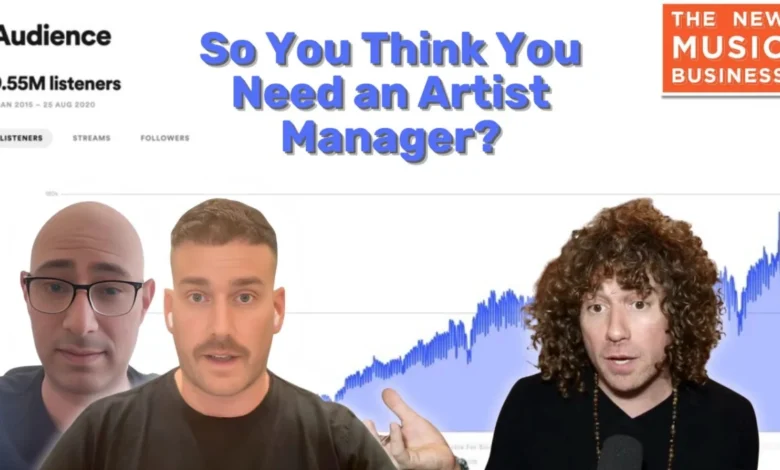
The evolving landscape of the music industry, marked by a constant influx of new artists and shifting consumption patterns, necessitates sophisticated and forward-thinking strategies for sustainable career development. In a recent episode of the New Music Business podcast, host Ari Herstand engaged in a comprehensive discussion with Aaron Greene and Neal O’Connor of Slush Management, a prominent artist-first team known for their work with acclaimed artists such as Porter Robinson, Eden, and Jai Wolf. The conversation delved into the intricacies of modern artist development, emphasizing the critical role of long-term vision, immersive "world-building," and the cultivation of genuine fan communities over the pursuit of ephemeral viral trends. Slush Management, with its 15 years of experience spanning touring, branding, and global fan development, has established itself as a leader in crafting careers rooted in creativity, generating billions of streams and selling millions of tickets for their roster.
The Evolving Landscape of Artist Management: Beyond Traditional Metrics
The contemporary music business presents a paradox: unprecedented accessibility for artists to distribute their work globally, yet immense competition for audience attention. This environment has redefined the role of artist management, moving beyond mere booking and negotiation to encompass holistic career development, brand stewardship, and psychological support. Greene and O’Connor’s approach at Slush Management reflects this evolution, prioritizing sustainable growth and artistic integrity. They underscore that in an era saturated with data, the true measure of success lies not solely in vanity metrics like stream counts or social media followers, but in the depth of fan engagement and the longevity of an artist’s career. This philosophy directly challenges the industry’s often short-sighted focus on immediate virality, advocating instead for meticulous, strategic planning that can withstand market fluctuations and technological shifts.
The digital revolution has democratized music creation and distribution, lowering barriers to entry but simultaneously increasing the noise floor. Artists today are often expected to be multi-hyphenates: creators, marketers, social media managers, and entrepreneurs. Managers like Greene and O’Connor step in to provide clarity and strategic direction amidst this complexity, helping artists navigate label paths—whether self-releasing, partnering with independent labels, or signing with majors—and formulate robust touring strategies that maximize impact and revenue. Their insights suggest a move away from the traditional A&R model, where labels often dictated artistic direction, towards a more collaborative, artist-centric approach where management acts as a strategic partner in realizing an artist’s unique vision.
Slush Management’s Philosophy: Crafting Immersive Worlds and True Fandom
A cornerstone of Slush Management’s success, as highlighted by Greene and O’Connor, is their commitment to "world-building." This concept transcends mere branding; it involves creating an entire immersive universe around an artist’s music, visuals, and narrative. Porter Robinson serves as a prime example of this philosophy in action. His career trajectory demonstrates a meticulous dedication to crafting a cohesive aesthetic and storyline that deeply resonates with his audience. From his album art and music videos to his live show production and even fan engagement initiatives, every element contributes to a larger, immersive experience. This isn’t just about music; it’s about inviting fans into a distinct artistic realm that they can explore and inhabit.
The managers elaborated on how Porter Robinson developed his immersive universe, emphasizing that it’s an organic process, not a manufactured one. It starts with the artist’s authentic vision and is then carefully nurtured and expanded upon over time. This approach has allowed Robinson to cultivate a highly dedicated fanbase, turning passive listeners into active participants in his artistic journey. Beyond individual artists, Slush Management has also applied this grand-scale experiential design to larger projects, including building an entire festival world with "Disney-level partners." This endeavor underscores their capacity to execute ambitious, multi-faceted projects that create unforgettable experiences and solidify an artist’s unique identity in the global entertainment landscape. Such partnerships require not only creative vision but also sophisticated logistical and financial acumen, showcasing the comprehensive nature of modern artist management.
Central to Slush’s strategy is the cultivation of "true fandom." Greene and O’Connor stressed the importance of deepening the connection with 100 dedicated fans rather than endlessly chasing fleeting viral moments. This concept, often attributed to Kevin Kelly’s "1,000 True Fans" theory, emphasizes that a relatively small, highly engaged audience can provide sustainable support for an artist’s career through direct purchases of music, merchandise, and concert tickets. In a world obsessed with follower counts and algorithmic boosts, this approach champions authenticity and meaningful interaction. It suggests that while viral moments can offer temporary spikes in attention, they rarely translate into long-term career viability without a foundational base of committed supporters. Managers decide an artist is ready for representation when they demonstrate not just talent, but also the potential for this kind of deep, authentic connection with an audience, often evidenced by early community-building efforts.
Strategic Pathways to Growth: Management, Labels, and Touring
The conversation also delved into the practical aspects of an artist’s career progression, starting with the critical juncture of seeking management. Greene and O’Connor outlined that readiness for management isn’t simply about having good music; it involves demonstrating a clear artistic vision, a nascent fanbase, and a proactive approach to their career. Managers are looking for artists who are already building momentum independently, proving their entrepreneurial spirit and creative drive. This self-starting attitude indicates a strong work ethic and a clear understanding of their artistic identity, making them attractive partners for management teams seeking to invest their expertise and resources.
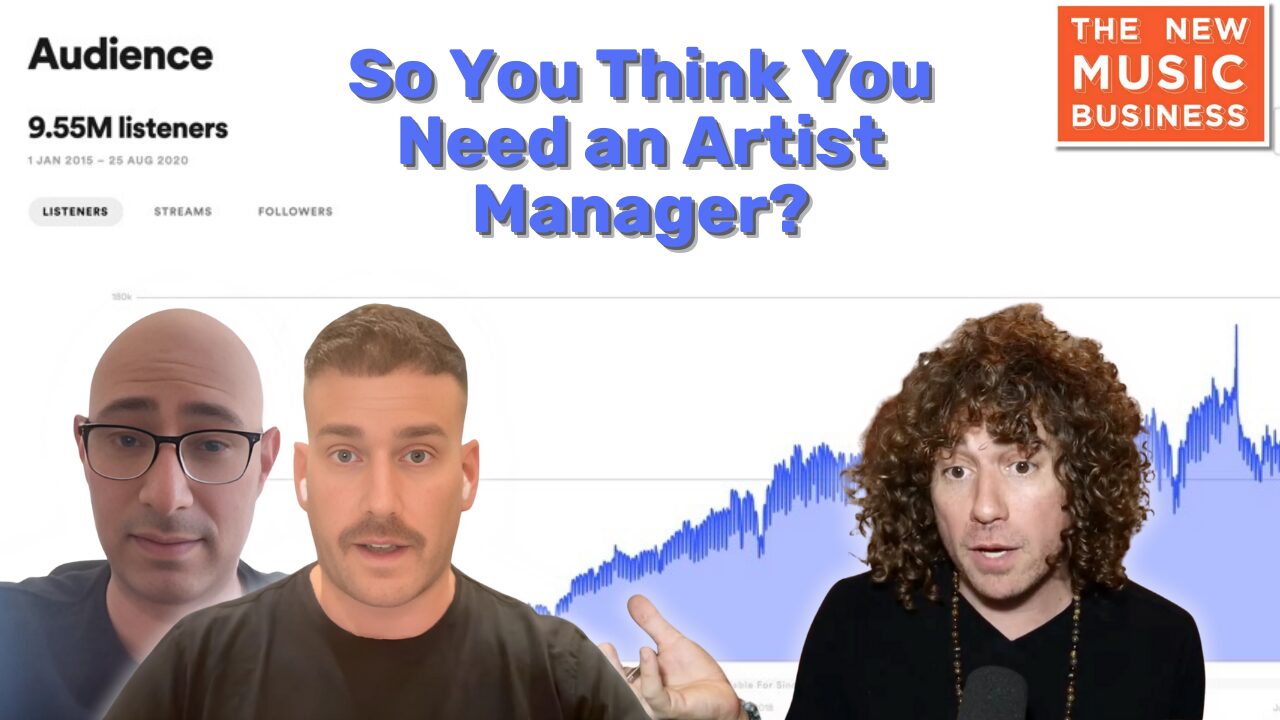
Regarding label paths, the podcast explored the nuances of self-releasing, partnering with independent labels, or signing with major labels. Each path offers distinct advantages and disadvantages, and the optimal choice depends heavily on an artist’s specific goals, genre, and career stage. Self-releasing provides maximum creative control and higher revenue splits but demands significant self-marketing and administrative effort. Independent labels offer a middle ground, providing marketing and distribution support while often maintaining a more artist-friendly approach than major labels. Major labels, while offering unparalleled resources in terms of marketing, promotion, and global reach, typically come with less creative control and lower royalty rates. Slush Management’s insights suggest that there’s no single "correct" path; the decision must align with the artist’s long-term vision and willingness to cede certain aspects of control in exchange for broader exposure.
Perhaps one of the most surprising insights from the discussion was the emphasis on the real purpose of music videos in 2025. In an age dominated by short-form video content on platforms like TikTok, the traditional music video might seem like a relic. However, Greene and O’Connor argued that they are more crucial than ever, albeit with a refined purpose. Instead of solely serving as promotional tools for a single, they function as vital components of an artist’s world-building efforts. Music videos are now critical for visual storytelling, expanding the narrative of a song, and offering fans deeper immersion into the artist’s aesthetic universe. They are long-form content pieces that provide a canvas for artistic expression beyond the audio, solidifying an artist’s brand and visual identity. Data from platforms like YouTube consistently shows that visually engaging content drives higher retention and deeper fan connections, making well-produced music videos an indispensable asset in modern artist development.
Touring strategy was another significant topic. The managers discussed when an artist should headline their own shows versus taking support slots. Early in a career, support slots are invaluable for reaching new audiences, gaining stage experience, and building a touring team. These opportunities are not merely handed out; they often result from persistent networking, strategic relationships with booking agents, and demonstrating a compelling live performance. As an artist’s fanbase grows, headlining tours become viable, offering greater creative control over the show and higher revenue potential. The careful balance between these touring approaches is critical for sustainable growth, allowing artists to gradually build their live presence and expand their reach without overextending themselves financially or logistically. The discussion highlighted that meaningful live experiences are paramount, emphasizing quality over quantity in performance opportunities.
Redefining Success in the Digital Age: Beyond "Making It"
The podcast concluded with a profound reflection on what "making it" truly means in the new music business. Greene and O’Connor suggested that the traditional definition—a major label deal, a hit single, or mainstream stardom—is increasingly outdated. In today’s landscape, "making it" often translates to building a sustainable career that allows an artist to create on their own terms, connect deeply with a loyal fanbase, and achieve financial stability through their art. This redefinition aligns with the "100 true fans" philosophy, where success is measured by autonomy, artistic integrity, and the strength of community rather than fleeting celebrity. It’s about crafting a legacy, not just chasing a trend.
This perspective offers a refreshing counter-narrative to the often-glamorized and unrealistic expectations perpetuated by social media and traditional media outlets. It empowers artists to pursue authentic pathways to success, focusing on genuine connection and creative fulfillment. Slush Management’s track record with artists like Porter Robinson, Eden, and Jai Wolf, who have built careers characterized by artistic innovation and dedicated fanbases, serves as a testament to the efficacy of this long-term, artist-first approach.
Broader Impact and Implications for the Music Industry
The insights shared by Aaron Greene and Neal O’Connor carry significant implications for the broader music industry. Their emphasis on sustainable artist development, world-building, and true fandom offers a blueprint for navigating the complexities of the digital age. For aspiring artists, the takeaway is clear: focus on cultivating a unique artistic identity, building genuine connections, and thinking strategically about long-term growth rather than succumbing to the pressure of immediate virality. For industry professionals, it underscores the need for managers, labels, and publishers to act as true partners in an artist’s journey, investing in creative vision and comprehensive strategy rather than just chasing the next big hit.
The discussion also indirectly highlights the increasing importance of interdisciplinary skills within artist management. The ability to understand digital marketing, data analytics, experiential design, and traditional business acumen is now crucial. As the music business continues to evolve, the models championed by Slush Management — prioritizing authenticity, immersive experiences, and deep fan engagement — are likely to become the gold standard for artists seeking not just fleeting fame, but enduring careers. The episode serves as a vital resource for anyone looking to understand the mechanics of building a successful and meaningful career in the modern music business, reinforcing that while the tools may change, the core principles of artistic vision and genuine connection remain paramount.
For those interested in delving deeper into these strategies, the full podcast episode "Artist Managers on Music Videos, Artist Development, Long-term Strategy and True Fandom" is available on major podcast platforms including Spotify, Apple Podcasts, and Acast. Further insights into contemporary music business practices can also be found in the third edition of How to Make It in the New Music Business, available at book.aristake.com.