Catalonia Reckons With Its Dark Past by Granting Posthumous Pardons to Victims of Centuries-Old Witch Hunts

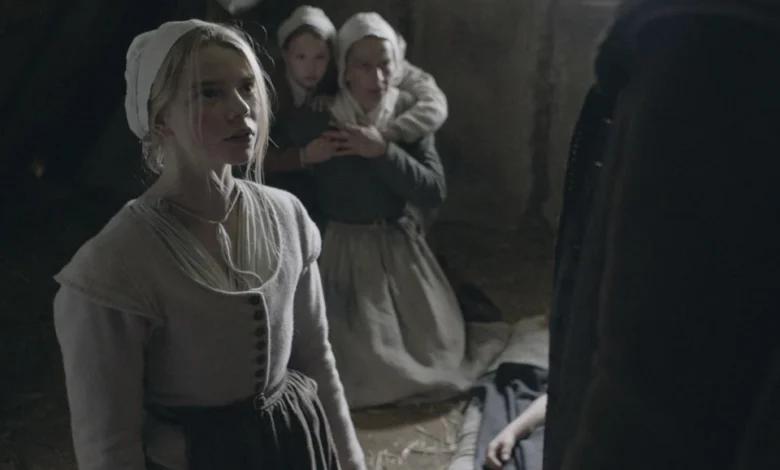
The Salem witch trials of 1692 are etched into the collective memory of the Western world as a definitive example of mass hysteria, judicial failure, and the dangerous intersection of religious dogma and social panic. Yet, for many, the scope of these persecutions remains mistakenly confined to the shores of colonial Massachusetts. In reality, the hysteria that gripped Salem was merely a localized ripple in a much larger, continent-wide tidal wave of violence that claimed tens of thousands of lives across Europe between the 15th and 18th centuries. Among the regions most profoundly impacted by this era was Catalonia, Spain, which has recently taken the historic step of formally reconciling with its past by granting posthumous pardons to over 700 individuals executed as witches.
This legislative effort, passed by the Catalan Parliament in late 2021, represents more than a symbolic gesture; it is a profound acknowledgment of the systemic persecution that targeted women, independent thinkers, and practitioners of traditional medicine for hundreds of years. With 114 votes in favor and only 21 against, the motion underscores a modern commitment to addressing the legacy of gender-based violence and historical injustice.
The Anatomy of a European Tragedy
While the popular image of a witch trial often features the dramatic, high-profile proceedings of the American colonies, the situation in Europe—and specifically in the Pyrenean regions of Catalonia—followed a different, more localized trajectory. Between 1580 and 1630, Europe experienced what historians refer to as the "Great Witch Hunt," a period of intense religious and social upheaval. Estimates suggest that roughly 50,000 individuals were executed for witchcraft across the continent during this timeframe. Of those victims, approximately 80 percent were women.
In Catalonia, the persecution of alleged witches began not at the behest of a centralized state, but at the community level. Rural villages, often isolated by the mountainous terrain of the Pyrenees, frequently turned to local "witch hunters" to resolve social tensions. These trials were often sparked by mundane, yet devastating, occurrences: a crop failure, an unexpected storm, a sudden outbreak of disease, or the death of a child. In a society that lacked modern scientific understanding of natural phenomena, the presence of a "scapegoat" provided a psychological release for a fearful population.

A Chronology of Persecution
The timeline of the Catalan witch trials spans several centuries, though the intensity peaked during the late 16th and early 17th centuries.
- 15th Century: Initial legal frameworks begin to emerge across Europe, bolstered by the publication of the Malleus Maleficarum (Hammer of Witches), which provided a theological and legal justification for identifying and prosecuting witches.
- 1580–1630: The period of maximum intensity in Catalonia. During these five decades, localized feudal lords and village councils operated with significant autonomy, frequently bypassing higher judicial scrutiny.
- 17th Century: Secular courts in Catalonia increasingly adopt hanging as the preferred method of execution. Historical records indicate that this was largely a matter of economics; hanging was significantly cheaper than the wood-intensive process of burning a victim at the stake.
- 2008–2021: A modern movement for historical justice gains momentum. Switzerland takes a leading role in 2008 by pardoning a victim executed in 1782. In 2011, Norway commemorates the victims of the Vardø witch trials.
- 2021: The Catalan Parliament passes a landmark motion to officially exonerate the 700+ victims of the regional witch trials.
The Role of the Inquisition vs. Local Justice
A critical factor that separated Catalan witch trials from those in other parts of Europe was the dual nature of the judiciary. In many European regions, the Catholic Inquisition held absolute power over such cases. However, in Catalonia, the Inquisition was often more skeptical of witchcraft accusations than local, secular, and feudal courts.
Historians have noted that when cases were transferred to the Inquisition, the accused were significantly more likely to be acquitted. The inquisitors were often educated in theology and law, and they frequently found that the evidence provided by local villagers—often based on hearsay, superstition, or personal vendettas—was legally insufficient. Conversely, the local, secular courts were governed by feudal lords who were far more susceptible to the pressure of the local populace. In these rural courts, a coerced confession was often all that was required for a conviction, sealing the fate of the accused without the oversight of more objective legal standards.
Socio-Political Implications and Modern Reflections
The motivations behind these accusations were rarely purely religious. They were, in many instances, rooted in the social control of women. Women who lived independently, possessed knowledge of herbal medicine, or challenged the patriarchal norms of their village were frequently the first to be accused.
Catalonian parliament member Jenn Díaz, a vocal proponent of the recent pardoning initiative, highlighted the deep-seated parallels between the historical witch hunts and contemporary issues of gender-based violence. "We are the heiresses of the witches, the poisoners, and the healers," Díaz stated in an interview with Vice News. She emphasized that the connection between the historical purging of women and modern-day "femicide" cannot be overlooked. By acknowledging the victims, the Catalan government is attempting to bridge the gap between historical trauma and the ongoing struggle for gender equality.

The move to rename streets in honor of these victims is designed to integrate this history into the public sphere, ensuring that the names of those who were vilified are now recognized as part of the region’s cultural identity.
Broader Impact and Global Precedent
Catalonia is not alone in its quest to rectify historical records. The movement to clear the names of those executed for witchcraft is part of a growing global trend of "historical restorative justice."
In Scotland, activists have spent years campaigning for a formal apology for the estimated 4,000 people—mostly women—accused of witchcraft between 1563 and 1736. Similar initiatives have been observed in other parts of Europe and North America, where local historical societies are re-examining the court records of the late 17th century to provide a more accurate narrative of the victims’ lives.
These pardons serve as a cautionary tale regarding the dangers of unchecked populist fervor and the erosion of legal due process. When fear overrides empirical evidence, the resulting societal collapse often targets the most vulnerable members of the community.
Conclusion: Understanding the Distance of the Past
The decision by the Catalan government to formally pardon its historical victims is a recognition that the past is never truly "past." By codifying this apology, the region is asserting that history is not a static set of events, but a living narrative that requires constant evaluation.

The 700 individuals who were hanged or otherwise executed in Catalonia were not merely statistics of a dark age; they were members of a society that failed to protect them from the volatility of their own neighbors. As we continue to study these events, the focus shifts from the gruesome mechanics of the trials to the socio-economic conditions that allowed them to flourish. In doing so, we honor those who were lost, not by dwelling on their deaths, but by acknowledging the systemic failures that enabled such tragedies to occur, thereby reinforcing the importance of justice, reason, and human rights in the contemporary world.
The legacy of the witch hunts serves as a reminder that the protection of the individual against the collective is a cornerstone of a civilized society. As Catalonia moves forward with its plans for commemoration, it sets a standard for other regions to examine their own histories with the same rigor and empathy.