Robert Ames Steps Down as Co-Artistic Director of the London Contemporary Orchestra Amid Calls for Greater Socioeconomic Diversity in Classical Music

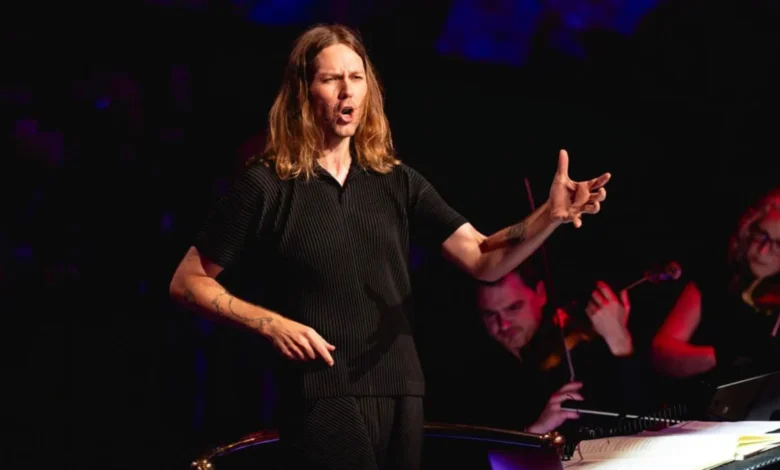
The landscape of contemporary British classical music shifted significantly earlier this month when conductor and violist Robert Ames announced his resignation as co-artistic director and co-principal conductor of the London Contemporary Orchestra (LCO). After 18 years of leadership, his departure marks the end of a foundational era for one of the United Kingdom’s most innovative ensembles. Ames, who helped establish the LCO in 2008, has been instrumental in bridging the divide between traditional orchestral music and the experimental, electronic, and pop spheres. His tenure saw the LCO become a preferred partner for global icons, most notably Radiohead and Sigur Rós, while simultaneously championing complex contemporary works by composers such as Kaija Saariaho, Mark-Anthony Turnage, and Iannis Xenakis.
The resignation, however, was framed by a broader, more systemic critique of the music industry. In an op-ed published in The Guardian, Ames articulated a growing frustration regarding the barriers facing working-class musicians in the modern orchestral environment. His departure serves as a catalyst for a burgeoning conversation about the sustainability of the arts sector, specifically the shrinking avenues for those without private means to enter and sustain a career in professional performance.
A Chronology of Innovation and Influence
The formation of the London Contemporary Orchestra in 2008 represented a pivot in how orchestral music was programmed and presented in London. At the time, the classical music scene was often criticized for its rigid adherence to traditional repertoires. Ames and his co-founders sought to create a platform that was nimble, technologically forward-thinking, and aesthetically broad.
Throughout the 2010s, the LCO’s trajectory was characterized by a series of high-profile collaborations that expanded the orchestra’s reach far beyond concert halls. By 2015, the LCO’s involvement in the recording of Radiohead’s album A Moon Shaped Pool solidified its reputation as the go-to ensemble for cross-genre innovation. Ames’s role during this period was dual: he acted as a conductor capable of handling the most rigorous avant-garde scores and as a creative producer who understood the collaborative demands of modern rock and electronic artists.
The LCO’s expansion over nearly two decades mirrored the changing economics of the music industry. As funding models for arts organizations shifted, the orchestra maintained its relevance by cultivating an eclectic, loyal audience and engaging with the film score industry, contributing to numerous soundtracks and live-to-picture performances. Despite this success, Ames’s recent statements indicate that the internal environment for the musicians themselves has become increasingly precarious.
The Socioeconomic Crisis in Classical Music
Ames’s decision to step down is explicitly linked to his observations of the "closing doors" for working-class talent. His critique rests on several structural realities that have long been discussed in academic circles but are rarely addressed with such bluntness by high-profile conductors.
Data from the UK’s Creative Industries Policy and Evidence Centre (PEC) consistently suggests that the arts sector remains one of the most socially exclusive industries in the country. A 2023 report indicated that individuals from working-class backgrounds are significantly underrepresented in the creative arts, often due to the high cost of instrumental training, the necessity of unpaid internships, and the precarious nature of freelance performance work in major urban centers like London.
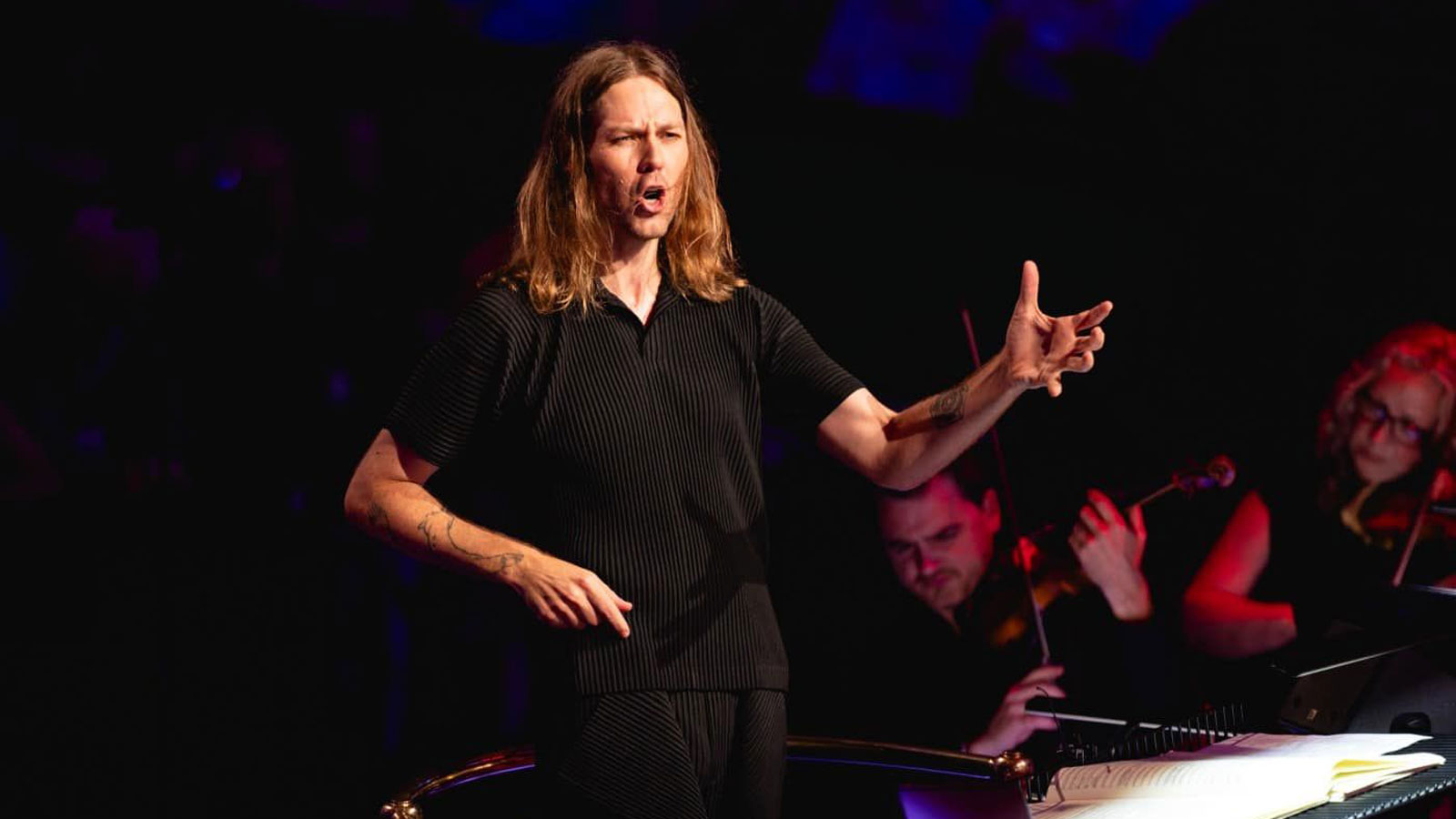
For Ames, the issue is not merely one of equality of opportunity, but of the long-term health of the artistic ecosystem. He argues that by restricting the demographic profile of musicians, the industry is effectively censoring the diversity of perspectives that inform new music. The "gig economy" nature of the LCO—and indeed most freelance orchestras—means that musicians are required to possess substantial personal resources to survive the long gaps between contracts, a hurdle that effectively filters out talented individuals from lower-income backgrounds.
Industry Implications and Official Responses
The resignation of a figure as prominent as Ames has forced a period of introspection among stakeholders in the UK’s classical music sector. While the LCO has not yet announced a successor, the organization released a brief statement acknowledging Ames’s "seminal contribution" to the group’s identity and its international standing.
Industry analysts suggest that Ames’s departure may signal a broader trend of mid-career professionals in the arts choosing to leave established institutions to pursue independent advocacy or alternative models of creative production. His ongoing work—including a multi-leg tour with the Icelandic post-rock band Sigur Rós—demonstrates that his influence remains intact even as he steps away from administrative duties. During a recent interview, Ames noted that he had conducted nearly 100 concerts with the band, highlighting a commitment to the practical, high-stakes demands of international performance that rarely leave time for the bureaucratic requirements of institutional leadership.
The Future of the London Contemporary Orchestra
As the LCO moves into a post-Ames chapter, the pressure to demonstrate commitment to accessibility will likely mount. The orchestra faces a complex challenge: maintaining the high artistic standards that made it a household name in the contemporary music world while navigating a funding climate that is increasingly focused on diversity, equity, and inclusion (DEI) metrics.
The LCO’s next steps will be closely watched. If the orchestra is to retain its reputation as a forward-looking entity, it will likely need to formalize the kinds of support structures—such as bursaries, mentorship programs, and more transparent audition processes—that Ames alluded to in his resignation. The broader impact of his exit, however, goes beyond one organization. It serves as a reminder that the "cool" image of contemporary classical music often hides the stark economic reality of those performing it.
Ames’s transition from an institutional leader to a more vocal critic of the industry’s status quo is significant. By choosing to step away, he has effectively traded the safety of an organizational platform for the freedom to influence the national discourse on class and the arts. Whether this results in tangible policy shifts within major orchestras remains to be seen, but the conversation he has reignited is one that the classical music community can no longer afford to ignore.
Conclusion: A Legacy of Challenge
The 18-year history of the London Contemporary Orchestra under Robert Ames serves as a case study for the evolution of orchestral music in the 21st century. The organization proved that a small, independent group could achieve global relevance through artistic excellence and strategic collaboration. Yet, the circumstances of Ames’s departure highlight a sobering reality: the very systems that allowed the LCO to thrive have become increasingly inaccessible to the next generation of musicians.
As the industry reflects on the impact of this resignation, the focus is expected to shift toward the financial sustainability of the arts. If the goal of institutions is to foster innovation, they must first ensure that the talent pool is not artificially restricted by economic status. Robert Ames’s tenure leaves behind a legacy of musical brilliance, but his final act as co-artistic director may prove to be his most enduring contribution: forcing the classical music world to confront the widening chasm between its aesthetic aspirations and its social realities.