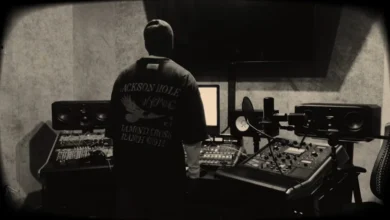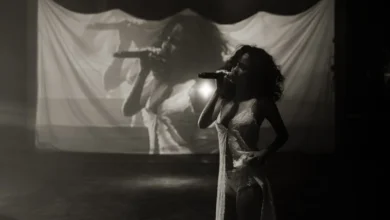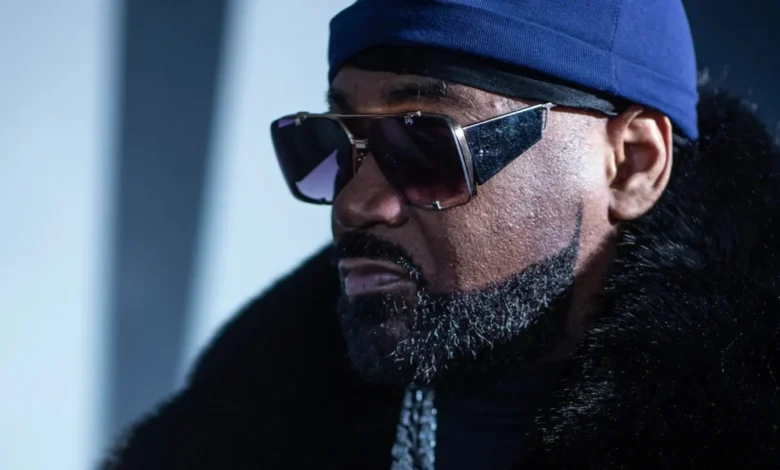
The landscape of East Coast hip-hop continues to bridge generational divides as foundational figures collaborate with contemporary underground innovators. In the latest development connecting the legacy of the Wu-Tang Clan to modern boom-bap production, Staten Island veteran Ghostface Killah has joined forces with producer Bane Capital for the gritty, soul-soaked street anthem “AMIGOS DA DUNDAS.” The track serves as the fourth official single from Bane Capital’s highly anticipated upcoming studio album, Terminal 2, which is scheduled for commercial release on November 20, 2026.
The collaboration highlights the enduring influence of the Wu-Tang Clan’s cinematic lyricism while showcasing Bane Capital’s forward-thinking approach to traditional hip-hop aesthetics. Distributed across digital streaming platforms alongside an rollout of limited physical configurations, the single has quickly drawn attention from critics and dedicated hip-hop purists alike.
Musical Composition and Production Dynamics
“AMIGOS DA DUNDAS” is built upon a foundation of melancholic soul samples, heavy-hitting percussion, and atmospheric textures. Bane Capital, operating within a modern subgenre often described as "boom-bap futurism," constructs a sonic landscape that honors the classic 1990s New York sound while incorporating unconventional rhythmic structures and spatial audio mixing. The connection between the producer and the Wu-Tang lineage was initially forged through fellow clan member Raekwon, who previously collaborated with Bane Capital on the 2022 underground standout Alley Larks.
Upon receiving the instrumental track, Ghostface Killah—born Dennis Coles—delivered a performance characterized by his signature visceral storytelling, high-stakes emotional intensity, and densely layered cinematic imagery. Industry analysts and musicologists note that Ghostface’s delivery on the track avoids modern trap trends, instead leaning into the raw, unpolished narrative style that established his reputation as one of hip-hop’s premier auteurs. The resulting track balances nostalgic reverence for Golden Era aesthetics with contemporary underground production standards.
Chronology and Album Development
The rollout for Terminal 2 has been meticulously managed by Bane Capital, establishing a steady momentum throughout the latter half of 2026. The project represents a significant milestone in the producer’s career, solidifying his ability to anchor major legacy artists alongside the avant-garde of the current underground scene.
The developmental timeline for Terminal 2 and its associated singles includes several key milestones:
- Late 2022: Bane Capital establishes a creative foothold within the extended Wu-Tang ecosystem by collaborating with Raekwon on the single Alley Larks, laying the groundwork for future high-profile partnerships.
- Mid-2026: Production on Terminal 2 is finalized, featuring a diverse roster of guest appearances spanning multiple generations of hip-hop artists.
- Early Fall 2026: Initial promotional singles are released to underground hip-hop publications, building anticipation for the full-length LP.
- October 2026: “AMIGOS DA DUNDAS” is officially announced and released as the fourth single from the project, accompanied by high-concept promotional imagery and critical acclaim.
- November 20, 2026: The official release date slated for the full-length album Terminal 2.
Collaborative Scope and Supporting Artists
While the inclusion of Ghostface Killah serves as the primary commercial anchor for “AMIGOS DA DUNDAS” and a major selling point for Terminal 2, the album as a whole is designed as a cross-generational symposium. Bane Capital has curated a tracklist that bridges the gap between veteran New York lyricists and the vanguard of contemporary abstract hip-hop.
According to promotional materials released by the production camp, Terminal 2 will feature prominent guest contributions from underground innovators such as AKAI SOLO, Papo2004, and ANKHLEJOHN. These artists have spent the past several years redefining the boundaries of East Coast underground rap through dense lyricism, jazz-inflected sample choices, and a DIY release model. By placing Ghostface Killah alongside this specific cohort, the project positions the Staten Island legend not merely as a legacy act resting on past achievements, but as an active, vital participant in the ongoing evolution of street-level hip-hop.
Biographical Context: Ghostface Killah’s Enduring Legacy
To understand the weight of a release like “AMIGOS DA DUNDAS,” one must examine the singular trajectory Ghostface Killah has maintained across three decades in the music industry. Emerging in the early 1990s as a core member of the Wu-Tang Clan, Coles quickly distinguished himself through his hyper-detailed, emotionally raw narrative style. While many of his peers adapted their sounds to fit commercial radio trends during the late 1990s and 2000s, Ghostface remained relentlessly committed to his craft, releasing a string of critically acclaimed solo albums—most notably Ironman (1996), Supreme Clientele (2000), and Fishscale (2006).
His lyrical approach has frequently been compared to literature or cinema rather than traditional rap verses, often referred to as "soul-rap noir." Drawing heavily from his upbringing in the Park Hill Houses of Staten Island, Ghostface infused his verses with tales of survival, familial loyalty, high-stakes crime, and vivid domestic drama. This unique artistic identity has insulated him from the transient nature of pop culture trends, allowing him to maintain a fiercely loyal global fan base and the deep respect of younger generations of producers and emcees.
Fact-Based Analysis of Industry Implications
The release of “AMIGOS DA DUNDAS” and the impending arrival of Terminal 2 point to several broader trends within the contemporary music marketplace:
- The Viability of Independent Underground Ecosystems: The collaboration demonstrates how modern producers can leverage digital distribution, vinyl variants, and direct-to-consumer models to sustain critical and commercial momentum without major label backing. By partnering with legacy artists like Ghostface Killah and Raekwon, independent producers elevate their profile while providing older artists with a creative sanctuary free from corporate interference.
- Cross-Generational Validation: For younger artists and producers like Bane Capital, securing a feature from a foundational Wu-Tang member acts as a seal of authenticity within the hip-hop community. Simultaneously, it allows legacy artists to inject fresh energy into their catalogs by adapting to new production sensibilities.
- The Shift Toward Unified Project Aesthetics: Rather than chasing algorithmic streaming hits characterized by short durations and pop hooks, projects like Terminal 2 cater to a dedicated listenership that values cohesive album sequencing, thematic depth, and physical media preservation.
As the hip-hop community anticipates the full release of Terminal 2 on November 20, 2026, “AMIGOS DA DUNDAS” stands as evidence that the artistic bridge between the architects of 1990s New York rap and the innovators of today remains structurally sound, creatively fertile, and culturally significant.