Sony WF-C510 wireless earbuds redefine entry-level audio performance with exceptional value at twenty-eight pounds

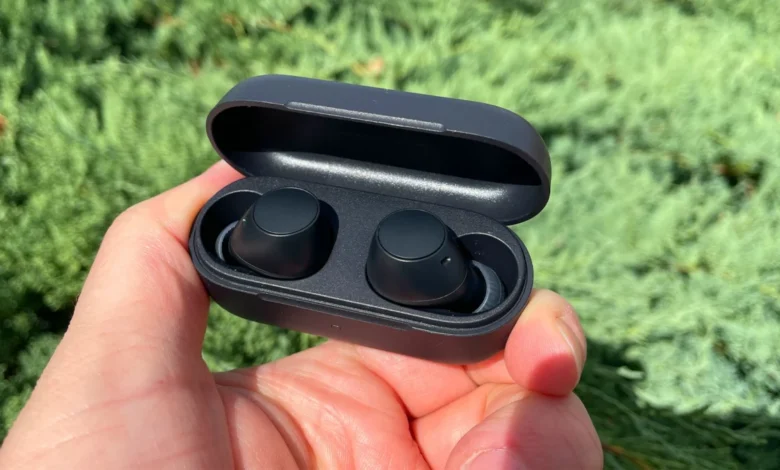
The consumer audio market has long been characterized by a stark divide between high-end flagship products and entry-level peripherals. Premium devices from manufacturers like Apple and Bose often command prices exceeding three hundred pounds, promising sophisticated noise cancellation, spatial audio, and high-fidelity drivers. However, recent developments in the budget sector, exemplified by the Sony WF-C510, demonstrate that the gap in acoustic performance is narrowing. Priced at just twenty-eight pounds on major retail platforms such as Amazon, these earbuds have disrupted the market by offering a feature set that historically would have been relegated to mid-range audio equipment.
Evolution of the Budget Audio Segment
For over a decade, Sony has maintained a consistent strategy of deploying its proprietary audio expertise across its entire product line, regardless of price point. The company’s historical performance in the annual What Hi-Fi? Awards suggests a deliberate effort to democratize sound quality. While the WF-C510 is currently positioned as the most accessible option in Sony’s wireless portfolio, its development trajectory follows the technical evolution seen in the more expensive WF-1000XM series.
The introduction of the WF-C510 comes at a time when consumers are increasingly cost-conscious. With global inflation impacting household budgets, the demand for "value-tier" technology that does not sacrifice basic functionality—such as connectivity stability and battery longevity—has spiked. Historically, budget earbuds were defined by poor Bluetooth reliability, inadequate battery life, and lack of software support. The WF-C510 represents a shift toward "functional parity," where essential features are no longer gated behind premium price tags.
Technical Specifications and Performance Metrics
The Sony WF-C510 offers an 11-hour battery life on a single charge, a statistic that surpasses several industry competitors priced significantly higher. This figure is particularly notable given that the internal footprint of the bud is constrained by its compact, ergonomic design. Most budget-conscious models in the sub-thirty-pound category typically struggle to exceed six to eight hours of continuous playback.
Beyond power efficiency, the integration of Bluetooth Multipoint technology serves as a major differentiator. This feature, which allows the earbuds to maintain an active connection with two devices simultaneously, was once considered an advanced utility reserved for professional-grade headsets. For the modern worker transitioning between a smartphone and a laptop, the seamless transition provided by this technology significantly enhances user experience.
The hardware also meets the IPX4 standard, providing resistance against sweat and light rain. This classification ensures that the device is suitable for exercise and outdoor commuting, addressing the durability concerns that often plague low-cost electronics.
Acoustic Engineering and Sound Signature
The sound profile of the WF-C510 is characterized by the distinct Sony house sound—a balance of musicality, rhythmic agility, and accessible frequency response. Technical analysis of the drivers reveals an ability to handle complex musical arrangements without significant distortion or "muddying" of the midrange.
Professional reviewers have noted that while the build quality of the chassis reflects the price point, the internal acoustic tuning remains the priority. The buds maintain a sense of timing and "groove" that is frequently absent in generic, unbranded audio equipment. In comparative testing across multiple genres—from classical to electronic—the WF-C510 demonstrates a level of refinement that challenges established norms for sub-thirty-pound hardware. The reliance on Sony’s long-standing DSP (Digital Signal Processing) expertise allows these buds to punch above their weight, providing a cohesive soundstage that belies their inexpensive construction.
Market Context and Strategic Implications
The release of the WF-C510 is a calculated strategic move by Sony to secure market share in the entry-level segment, which serves as a gateway for brand loyalty. By providing a high-quality initial experience at a low entry cost, the company effectively builds a pipeline of future customers who may eventually graduate to premium Sony models.
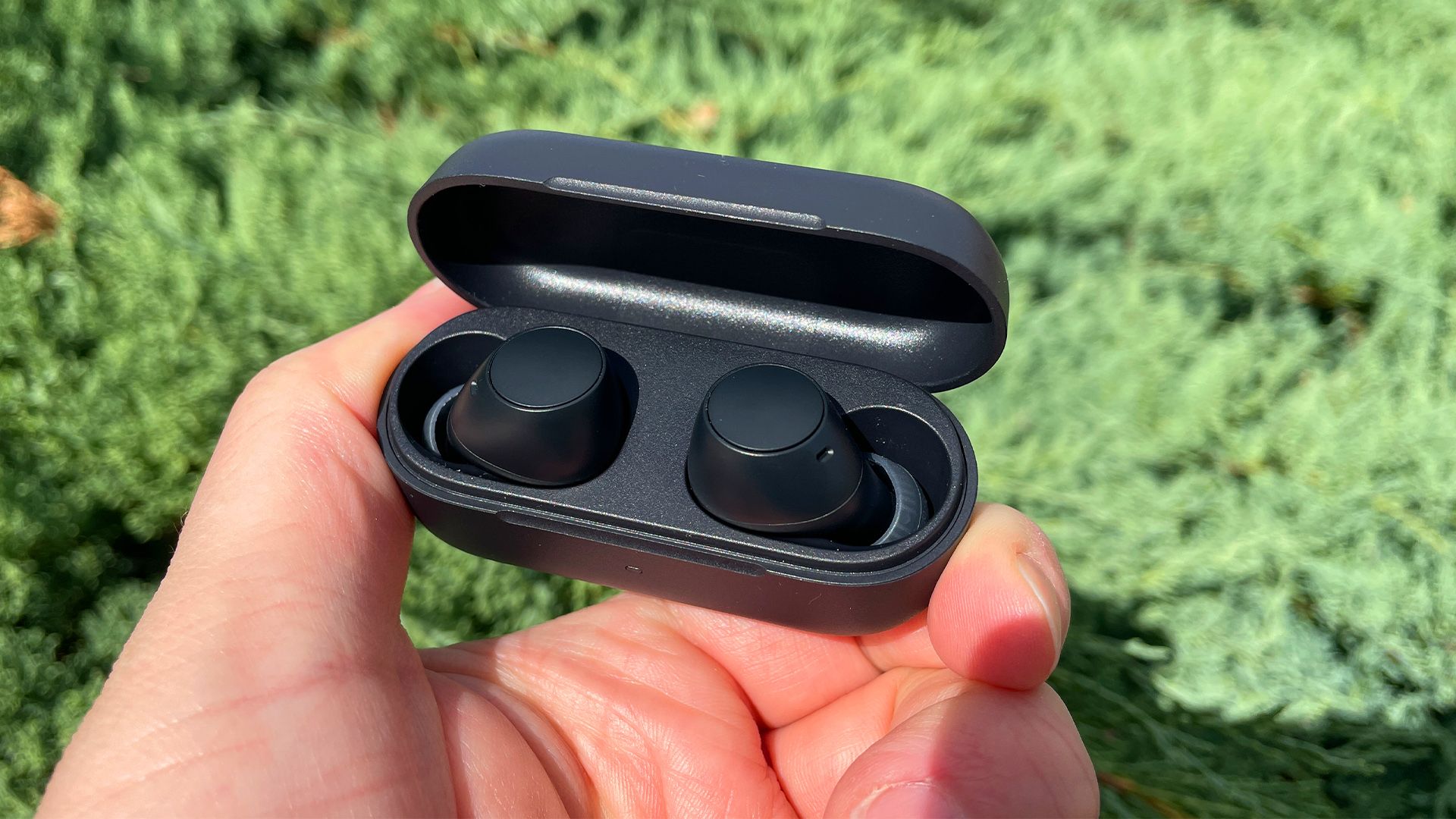
From a manufacturing perspective, the success of these earbuds suggests that Sony has achieved economies of scale that allow for the inclusion of high-quality components without eroding profit margins. The "niggle" regarding the build—specifically the lightweight plastic feel—is a deliberate design trade-off to maintain the price point. In the broader consumer electronics market, this represents a shift toward "disposable-tier" technology that actually performs with professional-grade integrity.
Chronology of Competitive Pressure
The timeline of the wireless earbud market over the last five years shows a clear trend of feature migration. In 2019, true wireless earbuds were in a state of rapid experimentation. By 2021, active noise cancellation (ANC) had become the standard for mid-range products. Today, in 2024, the focus has shifted toward refining connectivity and power management for the mass market.
The Sony WF-C510 sits at the intersection of this timeline. It does not attempt to compete with the industry leaders in terms of advanced noise cancellation or exotic materials. Instead, it dominates the "utility" category by providing a reliable, long-lasting, and sonically competent tool for everyday use. Industry analysts suggest that this segment will continue to grow as consumers look to maximize the utility of their discretionary spending.
Comparative Landscape and Consumer Choice
While the WF-C510 represents a benchmark for value, the market remains diverse. For those who require advanced features like active noise cancellation, the Bose QuietComfort Ultra Earbuds remain the industry standard. For users deeply integrated into the Apple ecosystem, the AirPods Pro 3 provide a level of seamless connectivity that is difficult to replicate with third-party devices.
However, the existence of the WF-C510 forces a reassessment of what "value" means. If a consumer can obtain 80% of the core functionality of a premium device for 10% of the cost, the justification for premium pricing becomes more difficult. This puts downward pressure on other manufacturers to either lower their prices or significantly improve the "value-add" features of their higher-priced offerings.
Institutional Analysis of the Audio Market
The broader implications of this pricing strategy extend to the manufacturing supply chain. Sony’s ability to sustain the WF-C510 at twenty-eight pounds suggests significant optimization in the production of Bluetooth chipsets and battery cells. As these technologies become commoditized, the barrier to entry for new audio manufacturers remains high, but the expectation for existing players to maintain quality standards is higher than ever.
Furthermore, the environmental impact of such affordable, mass-produced electronics remains a topic of ongoing debate. While the WF-C510 is a triumph of consumer affordability, the industry at large continues to grapple with the lifecycle management of such devices. Consumers are encouraged to consider the longevity of these products, though Sony’s focus on durability—evidenced by the IPX4 rating—suggests a longer lifespan than typical "throwaway" electronics.
Conclusion
The Sony WF-C510 serves as a compelling case study in modern product engineering. By prioritizing essential audio performance and connectivity over aesthetic luxury, Sony has managed to produce a device that is, by almost any metric, an outlier in its price bracket. For the average listener, these earbuds provide a bridge between the compromised audio of cheap, unbranded alternatives and the inaccessible luxury of high-end flagship products.
As the market continues to evolve, the success of the WF-C510 may signal a permanent shift in how audio hardware is categorized. The "budget" label, which once served as a warning of substandard performance, is being reclaimed by products that prioritize acoustic integrity above all else. Whether the goal is to replace a lost pair of premium buds or simply to upgrade from wired alternatives, the current market reality provides consumers with options that were previously unimaginable. With its combination of a long-lasting battery, stable connectivity, and a musical sound profile, the Sony WF-C510 stands as a reminder that excellence in sound does not always require an excessive financial commitment.
Related posts: