Endtroducing, the seminal 1996 album by DJ Shadow, stands as a monumental achievement in electronic music, a meticulously crafted tapestry woven from fragmented sonic remnants of funk, soul, and early hip-hop. Released during a pivotal moment in music history, as hip-hop began its ascent into mainstream commercial dominance and a nascent genre known as trip hop was emerging, Endtroducing not only captured the zeitgeist but also redefined the possibilities of sampling and instrumental hip-hop. Its innovative approach to crate-digging and sonic construction continues to resonate, influencing generations of producers and solidifying its status as a landmark album that remains remarkably ahead of its time.
The genesis of Endtroducing can be traced back to the burgeoning independent music scene of the early to mid-1990s, a period characterized by a DIY ethos and a growing appreciation for the artistic merit of sampling. Josh Davis, known to the world as DJ Shadow, had been honing his craft as a producer and DJ, meticulously collecting vinyl records and developing a unique method of deconstructing and reassembling sounds. Unlike many of his contemporaries who relied on more straightforward loops, Davis possessed an uncanny ability to unearth obscure percussion breaks, atmospheric textures, and vocal snippets from a vast and diverse sonic palette. His early work, particularly his contributions to the Mo’ Wax label, had already garnered critical attention for its depth and originality.
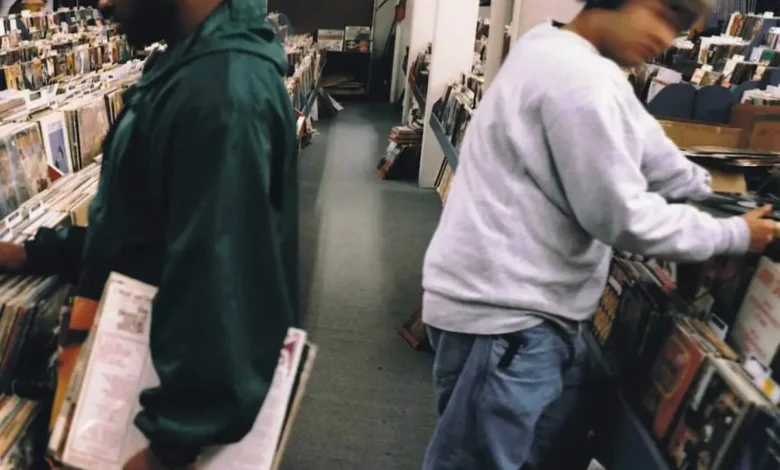
The album’s creation was a deeply personal and solitary endeavor. Davis worked largely in isolation, meticulously sifting through countless records in his quest for the perfect sonic ingredients. This dedication to the craft, often referred to as "crate-digging," was not merely about finding catchy hooks; it was an archeological expedition into the forgotten corners of music history. He was not simply repurposing existing music; he was reimagining it, breathing new life into forgotten sounds and imbuing them with a contemporary sensibility. The album’s title, Endtroducing, itself hints at this process of introduction and re-introduction, of bringing obscure elements into a new context.
The Sonic Landscape of Endtroducing
Endtroducing is an album that defies easy categorization. While often associated with the burgeoning trip-hop movement, it predates and arguably transcends many of its later, more commercially palatable iterations. Trip hop, as a genre, emerged from the UK in the early 1990s, blending hip-hop beats with elements of soul, jazz, and dub, often characterized by slower tempos, atmospheric production, and a sense of urban melancholy. Artists like Massive Attack, Portishead, and Tricky were instrumental in shaping this sound. However, Endtroducing stands apart due to its purely instrumental nature and its unwavering focus on the art of sampling. There are no soaring female vocals or melancholic narratives; instead, the album presents a series of sonic vignettes, each meticulously constructed from a dense layering of sampled material.
The album’s sonic signature is its intricate and often disorienting use of percussion. Davis masterfully pillaged rhythms from obscure funk cuts, often isolating and manipulating drum breaks to create entirely new rhythmic patterns. These percussive elements are not merely the backbone of the tracks; they are the driving force, intricate and dynamic, creating a sense of propulsion and unease. Interjections from early emcees like T La Rock and Kurtis Blow, sampled and manipulated, add a crucial hip-hop DNA to the album, grounding its experimental tendencies in the genre’s foundational elements. These vocal fragments, often used sparingly, serve as sonic punctuation, adding texture and a sense of historical reference.
The influence of early hip-hop pioneers is palpable throughout Endtroducing. The album can be seen as a profound homage to the ingenuity and resourcefulness of the early days of hip-hop, a period when DJs and producers were forced to be incredibly creative with limited technology. Davis’s approach echoes the spirit of artists who, with turntables and rudimentary samplers, transformed existing records into entirely new sonic experiences. His meticulous deconstruction and reconstruction of these sonic elements, however, elevate the art form to new heights, demonstrating a level of technical skill and artistic vision that was groundbreaking.
A Timeline of Influence
The release of Endtroducing on November 19, 1996, by Mo’ Wax Records, marked a significant moment in the evolution of electronic music. The album was met with widespread critical acclaim, lauded for its originality, complexity, and emotional depth. It was praised for its ability to evoke vivid imagery and create immersive sonic environments without the use of traditional song structures or vocal performances.
- 1996: Endtroducing is released to critical acclaim, hailed as a masterpiece of instrumental hip-hop and a progenitor of the trip-hop sound. It quickly gains a cult following and begins to influence producers worldwide.
- Late 1990s – Early 2000s: The album’s innovative sampling techniques and atmospheric production style become highly influential. Many artists across genres begin to adopt similar approaches to beat-making and sonic construction. The term "trip hop" gains wider currency, though its meaning often diverges from the specific sonic palette of Endtroducing.
- 2000s – Present: Endtroducing consistently appears on "greatest albums of all time" lists across various publications and is recognized as a foundational text for modern electronic music production. Its influence can be heard in the works of a wide array of artists, from hip-hop producers to experimental electronic musicians. The album’s continued relevance speaks to the enduring power of its sonic innovation and artistic vision.
Supporting Data and Critical Reception
Upon its release, Endtroducing achieved significant commercial and critical success. While specific sales figures for the album are not readily available, its impact on the music industry was undeniable. It charted in several countries, including the UK Albums Chart, reaching number 34. Critically, the album was almost universally praised.
- Critical Acclaim: Endtroducing received widespread critical praise. Publications like Pitchfork, NME, and AllMusic have consistently ranked it among the greatest albums of all time. For instance, Pitchfork ranked it number 13 on their list of the "Top 100 Albums of the 1990s."
- Influence on Genre: While the term "trip hop" was already in circulation, Endtroducing is often cited as a definitive work that shaped its aesthetic. However, its purely instrumental nature and its emphasis on intricate sampling distinguish it from many later, more vocal-centric trip-hop acts.
- Sampling Innovation: The album’s meticulous and extensive use of samples, often sourced from obscure vinyl, became a benchmark for creative sampling. Davis’s ability to weave together disparate sonic elements into a cohesive and emotionally resonant whole was groundbreaking.
- Enduring Legacy: The album’s influence can be traced through countless subsequent productions. Producers in hip-hop, electronic music, and even film score composers have drawn inspiration from its sonic architecture and innovative approach to sound design.
Official Responses and Industry Impact
While there were no official "responses" in the traditional sense for a musical release, the impact of Endtroducing on the music industry was profound. Record labels and artists alike took notice of DJ Shadow’s innovative techniques and the commercial viability of instrumental hip-hop.
- Mo’ Wax Records: The album’s success cemented Mo’ Wax’s reputation as a forward-thinking label dedicated to pushing the boundaries of electronic music. It provided a significant boost to the label’s profile and its roster of innovative artists.
- Artist Impact: Many contemporary and subsequent producers cited Endtroducing as a key influence. The album demonstrated that instrumental hip-hop could be both artistically complex and commercially viable, opening doors for a new wave of producers to explore similar sonic territories. Artists like RJD2, DJ Krush, and even later mainstream hip-hop producers have acknowledged the album’s impact on their work.
- Sampling Culture: Endtroducing arrived at a time when sampling was a hotly debated topic, with legal battles over copyright becoming increasingly common. The album, by showcasing the artistic potential of sampling when done with skill and reverence, contributed to a broader understanding and appreciation of its creative possibilities.
Broader Impact and Implications
The enduring legacy of Endtroducing extends far beyond its immediate critical and commercial success. It represents a pivotal moment in the evolution of electronic music, a testament to the power of artistic vision and meticulous craftsmanship.
- Redefining Instrumental Hip Hop: The album proved that instrumental hip-hop could be as compelling and emotionally resonant as vocal-led tracks. It demonstrated that a narrative could be constructed through sound alone, relying on textures, rhythms, and the evocative power of carefully chosen samples.
- The Art of Curation: Endtroducing elevated "crate-digging" from a hobby to an art form. Davis’s ability to unearth and reimagine sonic fragments from the past showcased the potential for producers to act as sonic archaeologists, curating and recontextualizing musical history.
- Timelessness of Innovation: The album’s sonic innovation and its ability to create immersive, almost cinematic soundscapes remain remarkably fresh and relevant decades later. It serves as a constant reminder that true artistic innovation transcends fleeting trends.
- The "Sickness Lurking in the Hearts of Bins": The article’s concluding thought, "Who knows what sickness lurks in the hearts of bins? The Shadow knows," is a poetic allusion to the endless possibilities hidden within discarded vinyl. It speaks to the ongoing potential for discovery and reinterpretation that lies within the vast archives of recorded music. Endtroducing is not just an album; it is an ongoing invitation to explore, to listen deeply, and to find the extraordinary within the ordinary. Its influence continues to echo, a testament to its profound and lasting impact on the landscape of music.