ALM Busy Circuits Complete the Eurorack Multitrack Recording Ecosystem with Stem Ripper and the New With Mixer Module

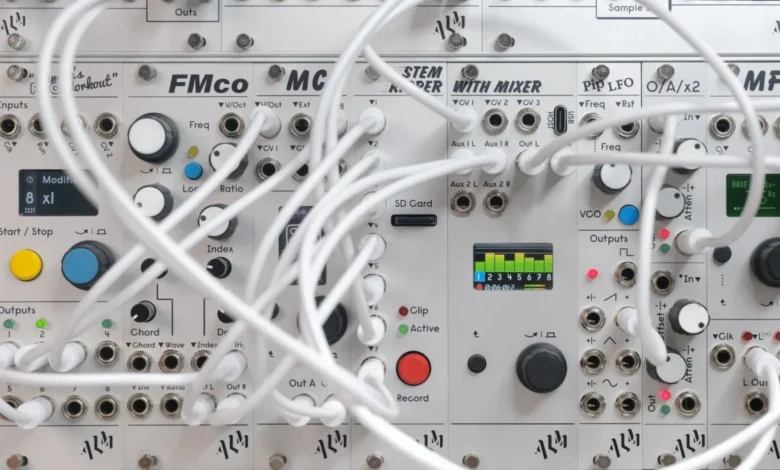
The modular synthesizer landscape has long been defined by the tension between creative freedom and practical limitations, particularly regarding audio capture and signal management. For years, the Eurorack standard—a format prized for its sonic versatility—has struggled with the "HP tax," where integrating essential utilities like high-fidelity multitrack recording and professional-grade mixing often consumed excessive rack space. ALM/Busy Circuits, a cornerstone of the modular hardware community, has addressed this architectural hurdle with the maturation of its Stem Ripper ecosystem. One year following the debut of the Stem Ripper module, the introduction of the With Mixer expansion unit provides a comprehensive, compact, and highly integrated solution for artists looking to record and perform directly within their modular systems.
The Evolution of Modular Recording
The integration of digital recording technology into the analog-centric world of Eurorack has undergone significant shifts since the format’s resurgence in the early 2010s. Initially, users were forced to rely on external outboard gear—typically rack-mounted mixers or audio interfaces connected to digital audio workstations (DAWs)—to capture their performances. This created a workflow disconnect; the immediacy of patching was often dampened by the requirement to route signals out of the case and into a computer.
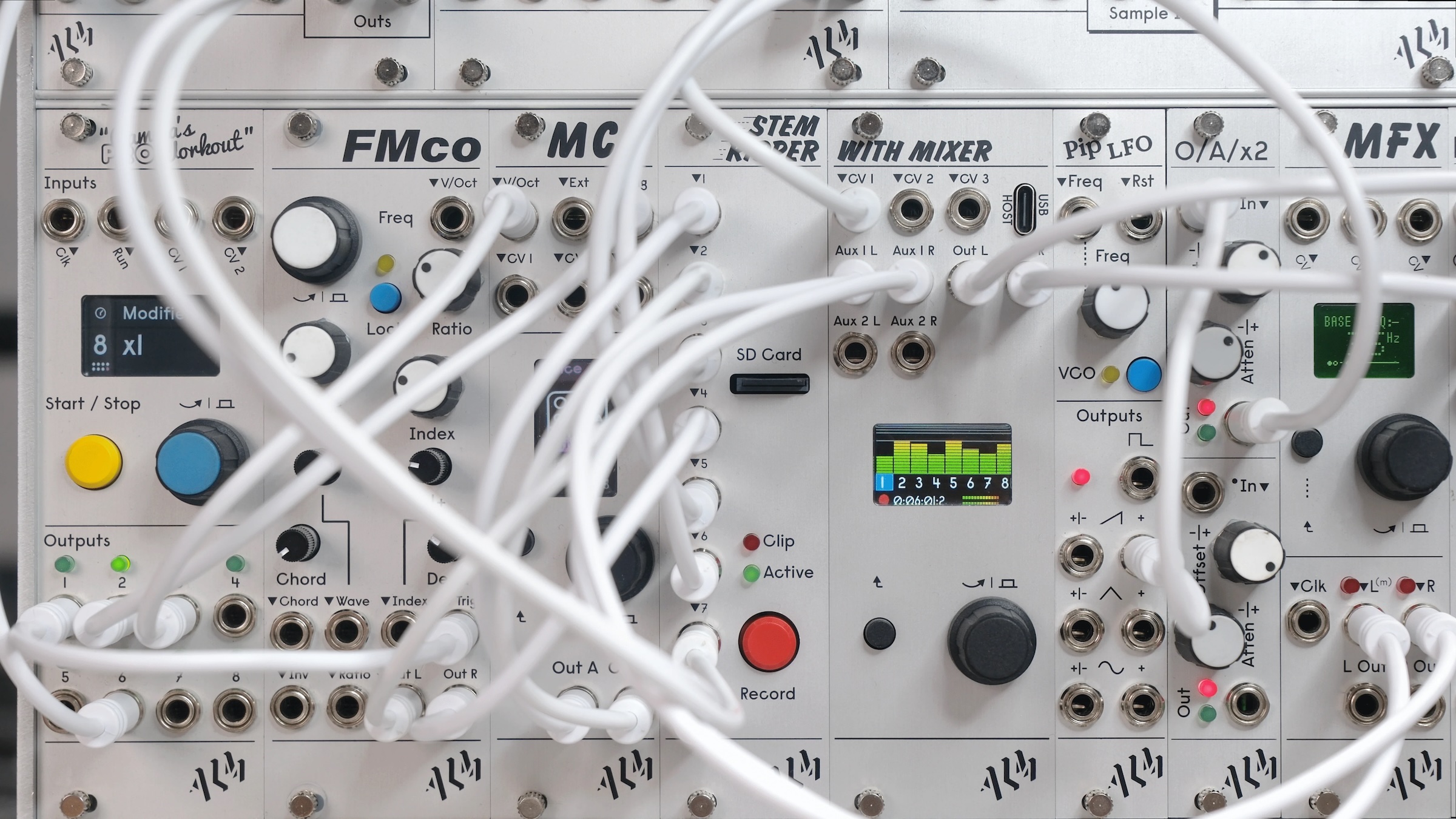
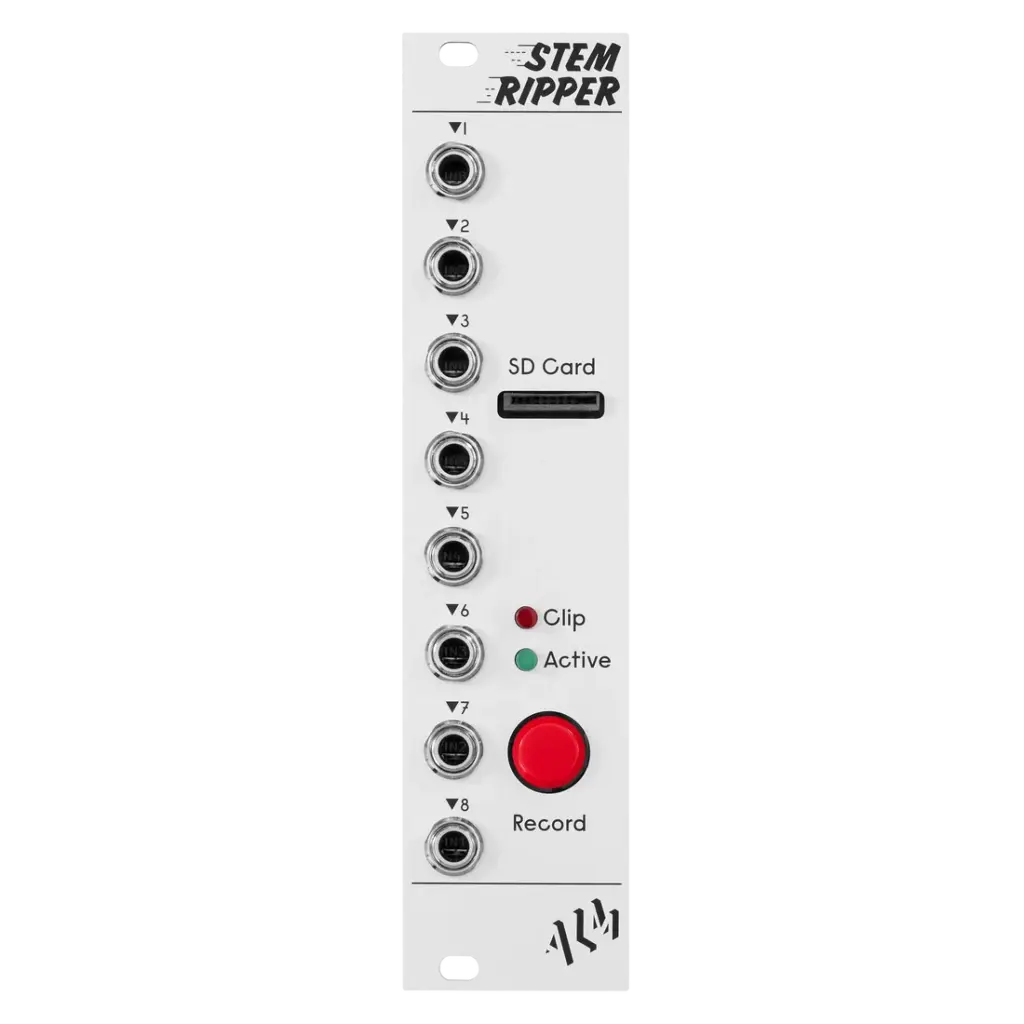
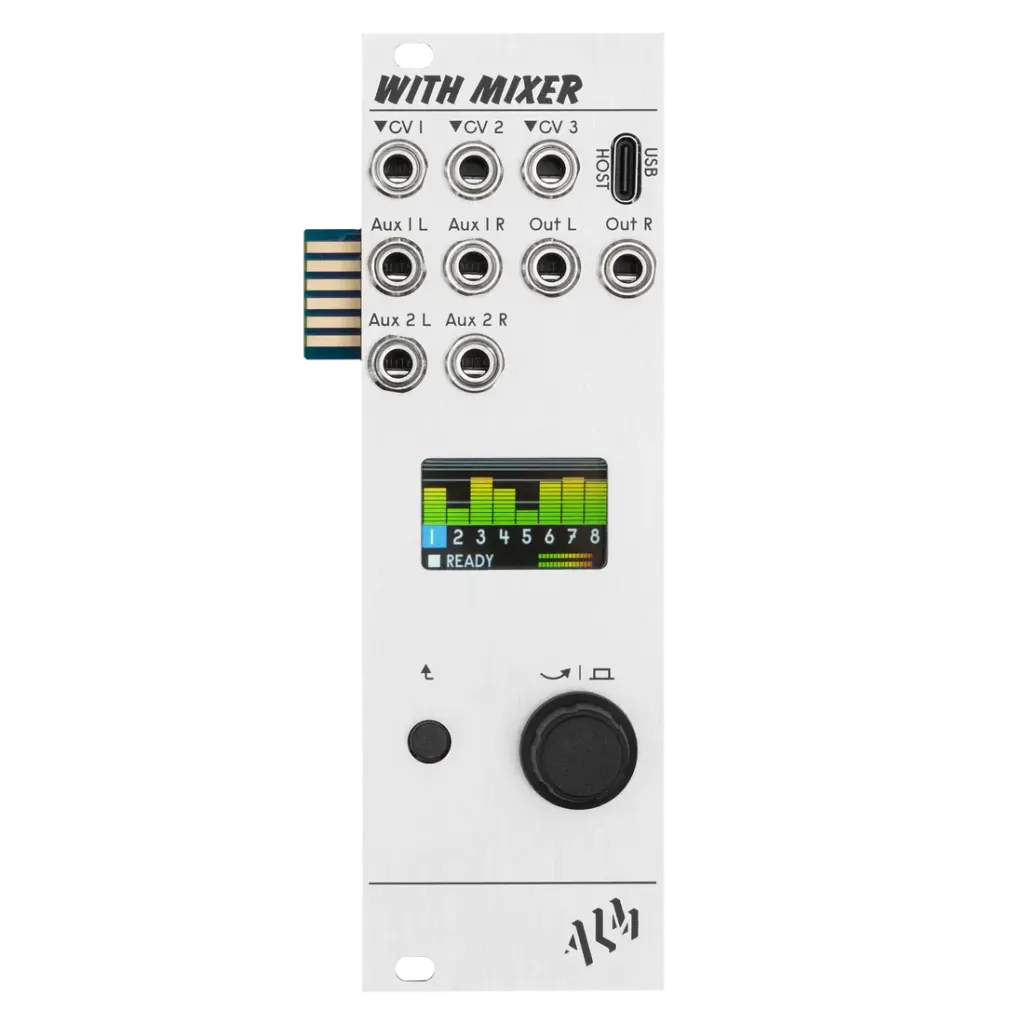
The release of the Stem Ripper, which occupies 8HP, marked a definitive shift toward internalizing the capture process. By allowing users to patch up to eight mono or stereo tracks and record them as multichannel WAV files directly to an SD card, ALM provided a self-contained alternative to computer-based setups. This functionality is essential for live performers who prioritize portability and "patch-and-play" reliability. With the subsequent launch of the 6HP "With Mixer" module, the system has evolved from a simple recorder into a full-scale performance workstation, allowing for real-time stereo mixing, aux sends, and panning, all controlled through a centralized digital interface.
Chronology of the Stem Ripper Ecosystem
The roadmap for ALM/Busy Circuits’ recording suite highlights a strategic approach to module development:
- Late 2025: Initial research and development phase for the Stem Ripper focuses on minimizing HP usage while maintaining 48kHz/32-bit audio fidelity.
- September 2026: Official launch of the Stem Ripper (8HP). The module gains immediate traction for its ability to handle large SD card capacities (up to 1TB) and its automatic date-stamped file management system.
- Late 2026: Release of the "Thru" output expander (2HP). This utility was introduced to facilitate signal duplication, allowing users to route audio to both the recorder and secondary outboard effects simultaneously.
- September 2027: Launch of "With Mixer" (6HP). This final piece of the puzzle integrates graphical metering, USB MIDI control, and advanced mixing capabilities, completing the envisioned ecosystem.
Technical Specifications and Performance Capabilities
The Stem Ripper and With Mixer combination provides a sophisticated feature set that defies its small footprint. The Stem Ripper itself serves as the digital backbone. Its primary technical merit lies in its high-headroom input stages and its ability to record multichannel WAV files without the latency associated with USB-to-computer handshakes. By including a 64GB SD card as standard, ALM signals an intent for immediate, out-of-the-box utility.
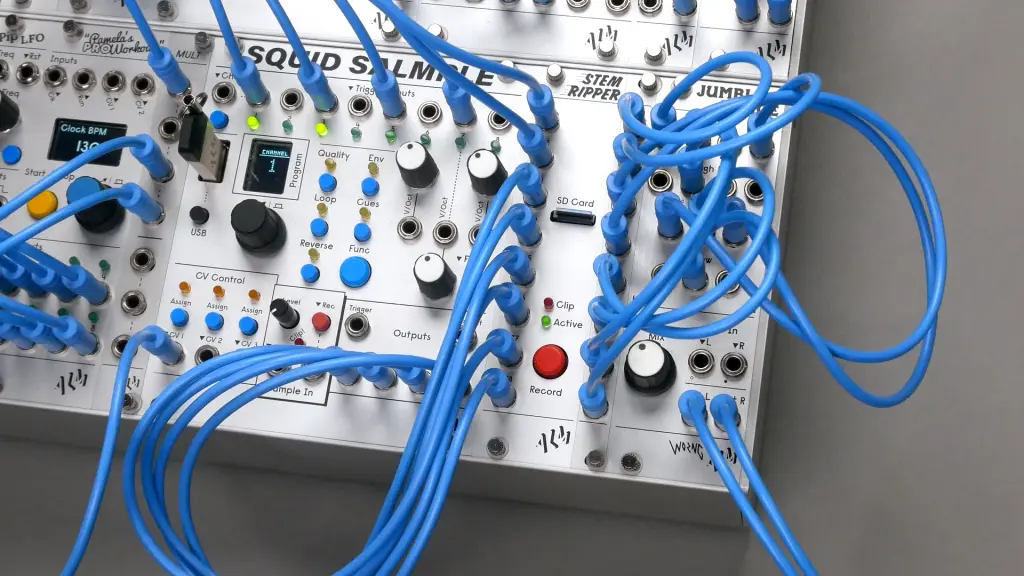
The "With Mixer" expansion, however, is where the system’s performance potential is unlocked. Key technical features include:
- Graphical Display: The OLED interface provides real-time metering, crucial for maintaining gain staging during complex patches where clipping can easily occur.
- USB-C Host Support: Perhaps the most significant addition for live performers is the ability to connect standard USB MIDI controllers, such as the Novation LaunchControl XL, directly to the module. This effectively removes the "menu-diving" fatigue often associated with high-density modules.
- Expandable CV Control: Out of the box, the module offers three CV-assignable inputs for parameters like level or panning, which can be expanded to seven, allowing for dynamic, automated mix movements that would be impossible with traditional analog potentiometers.
Market Context and Competitive Landscape
The Eurorack market for recording solutions is varied. Products like the 1010music Bluebox have gained popularity for their extensive feature sets, including onboard effects, sidechaining, and USB audio interfacing. However, these units often require significant space and offer a different workflow—one that is arguably more "studio-centric."
ALM/Busy Circuits has positioned the Stem Ripper and With Mixer as a more streamlined, "performance-first" alternative. While they lack some of the onboard DSP effects found in larger competitors, they win on modular integration. The ability to keep the entire signal path—from oscillation to mixing to recording—within the Eurorack format is a significant advantage for users who rely on CV-controlled modulation to define their sound.
Furthermore, for those who require a more tactile, analog-heavy approach, companies like Noise Engineering offer alternatives that prioritize physical knobs over digital menus. While these units are often larger and less compact, they offer a different user experience. The ALM ecosystem, by contrast, sits in the "sweet spot" of the market: it is compact enough to fit into a small travel case but powerful enough to serve as the core of a professional performance rig.
Implications for the Modular Community
The introduction of this ecosystem carries several implications for the future of modular performance. First, it signifies a move toward "self-sufficient" systems. As live performance becomes an increasingly important revenue stream for electronic musicians, the reliance on external gear is being viewed as a liability. By offering a system that can be powered and operated independently of a laptop, ALM is catering to a growing demographic of artists who value stability and portability above all else.
Second, the use of USB MIDI in this context highlights a convergence of standards. By embracing the USB MIDI Class Compliant standard, ALM is allowing modular users to leverage the vast, inexpensive, and high-quality MIDI controllers already available in the broader music production market. This reduces the cost barrier for entry; a user can pair a high-end Eurorack system with an affordable, mass-produced MIDI controller to achieve professional-grade results.
Finally, the modularity of the system—the fact that users can choose to use the Stem Ripper alone, or add the Thru and With Mixer modules as their needs grow—reflects the core philosophy of Eurorack. It allows for incremental investment, enabling artists to build their recording suite at their own pace.
Analysis of Workflow and Ergonomics
The primary criticism of compact digital modules is often the user interface. Small screens and deep menus can interrupt the creative flow during a performance. ALM/Busy Circuits has mitigated this through a hybrid approach: the "With Mixer" display provides the essential visual feedback needed to ensure that recordings are clean, while the external MIDI control ensures that the user doesn’t have to navigate menus while playing.
This ergonomic design is a result of years of feedback from the modular community. By focusing on essential tasks—mixing, panning, and monitoring—the developers have avoided the common trap of "feature creep." The result is a tool that feels like an instrument rather than a computer peripheral.
Conclusion and Future Outlook
As the Eurorack ecosystem continues to expand, the demand for high-quality, compact recording solutions will only increase. The ALM/Busy Circuits Stem Ripper and With Mixer setup represents a high-water mark for integrated modular recording. It manages to balance the high-fidelity requirements of professional production with the logistical constraints of the modular format.
For the touring artist, the ability to record eight channels of audio directly to an SD card, with the ability to mix those channels via a familiar controller, is a transformative development. While other solutions exist, the combination of the Stem Ripper, the Thru expander, and the With Mixer provides a modular-native workflow that feels both logical and essential. As the market for live electronic performance continues to evolve, tools that prioritize reliability, portability, and sonic integrity will undoubtedly remain at the forefront of the industry. The success of this ecosystem serves as a testament to the fact that, in the world of modular synthesis, the most powerful tools are often those that allow the artist to spend less time managing the technology and more time interacting with the sound.