Blue Planet 3 is the long-awaited return of the definitive marine wildlife documentary series narrated by Sir David Attenborough

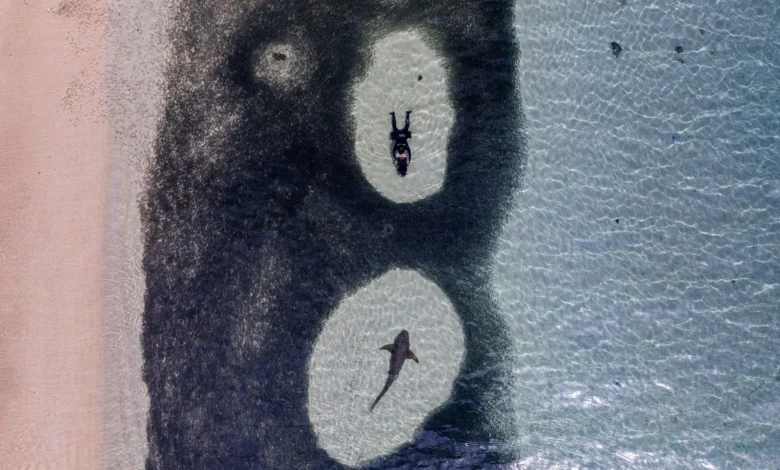
The arrival of the third and final installment of the Blue Planet franchise marks a significant milestone in natural history broadcasting, arriving exactly 25 years after the original series premiered in 2001. Narrated by Sir David Attenborough, who continues his legacy as the world’s most recognizable voice in conservation and biology, the six-part series promises to reshape our understanding of the ocean through the lens of unprecedented technological innovation and four years of rigorous fieldwork.
A Legacy of Marine Discovery
The original Blue Planet, which aired in 2001, was a watershed moment for the BBC Natural History Unit. It was the first-ever comprehensive series on the natural history of the world’s oceans, establishing a standard for cinematography and storytelling that transformed public perception of marine life. Its sequel, Blue Planet II (2017), became a global phenomenon, credited with sparking a widespread, tangible shift in consumer behavior regarding plastic usage—a trend now famously dubbed the "Blue Planet Effect."
As the third chapter in this landmark series, the production team faced the challenge of documenting a world that has undergone significant ecological shifts since the previous decade. Producers have confirmed that the new series will explore five distinct, critical habitats: tropical seas, the open ocean, seasonal seas, polar waters, and the deep ocean. By focusing on these specific biomes, the series aims to highlight both the resilience and the fragility of marine ecosystems in the face of a rapidly changing climate.
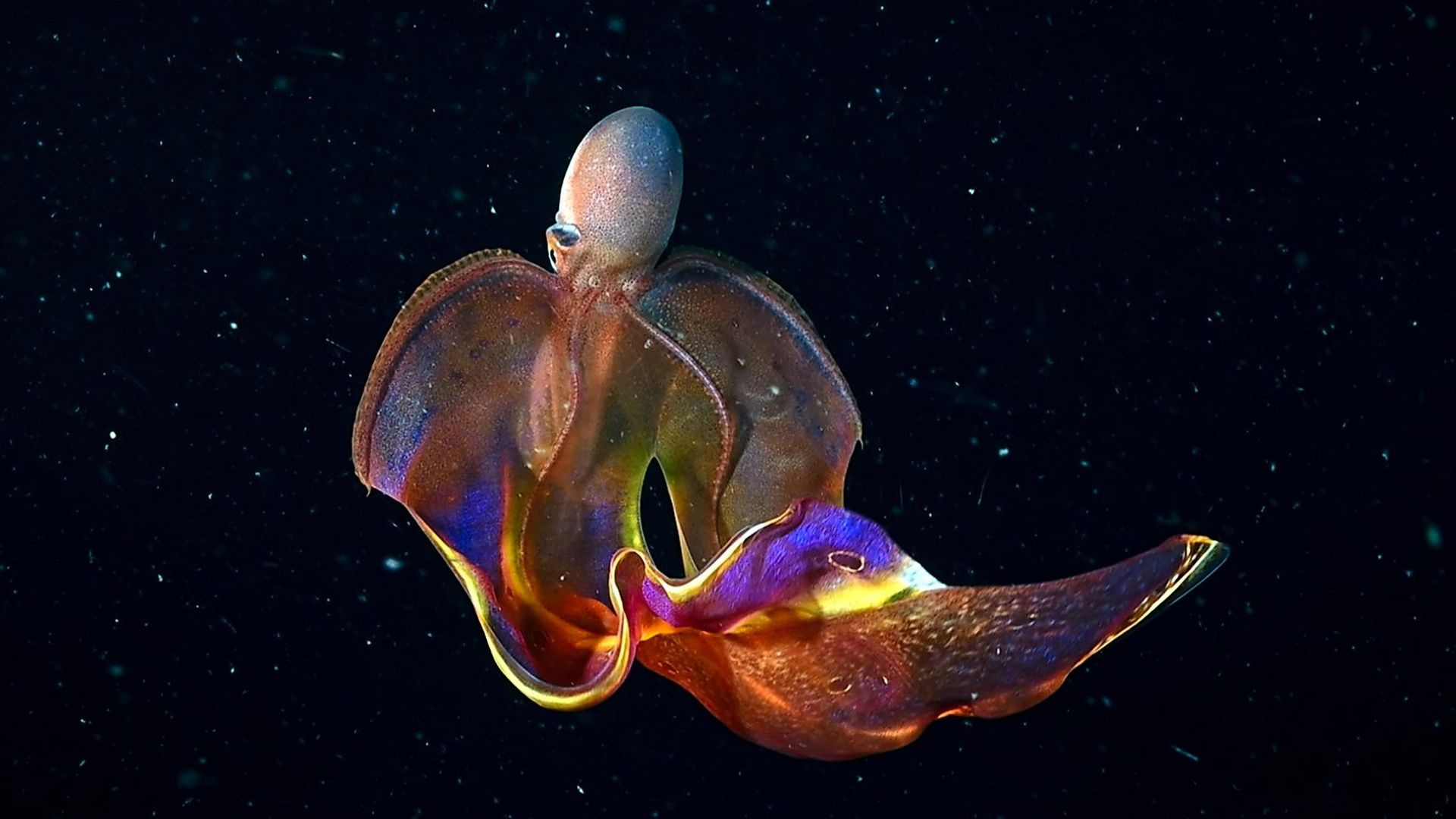
Technological Breakthroughs in Fieldwork
The production of Blue Planet 3 represents a quantum leap in technical capability compared to its predecessors. Over the course of the four-year filming schedule, the production team utilized a suite of next-generation tools designed to capture behavior that was previously invisible to the human eye.
Among these innovations are "splash drones," which allow for seamless transitions between aerial and surface-level cinematography, and long-term remote underwater 4K cameras that can operate in hostile environments for extended periods without human interference. Perhaps most notably, the use of a specialized "mini dome" camera system has enabled crews to capture intimate, macro-level footage of small-scale marine life, providing a perspective that standard underwater housings simply could not achieve.
In an era where the authenticity of media is frequently scrutinized due to the proliferation of generative AI, the producers took a proactive, transparent approach. In a deliberate aesthetic decision, the team chose to retain footage with slight grain or atmospheric cloudiness rather than digitally "cleaning" it. This move serves as a visual hallmark of authenticity, assuring viewers that the scenes captured are raw, unfiltered, and entirely natural.
Unprecedented Animal Behaviors
Early previews of the series have teased a wealth of behavior never before recorded. Scientists and wildlife experts involved in the production have highlighted several standout sequences:
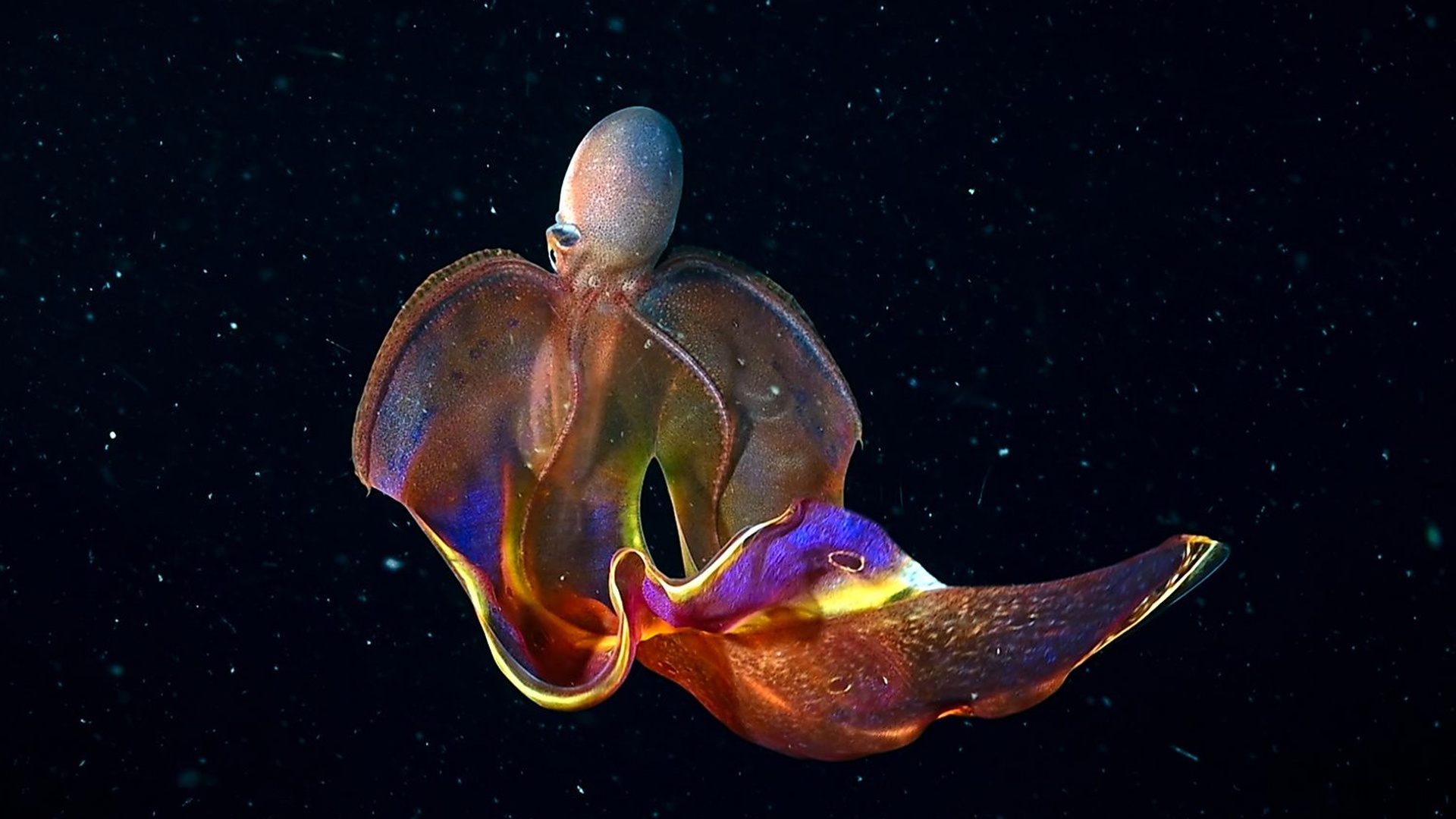
- Tool Use in Dolphins: The series documents bottlenose dolphins utilizing sea sponges to protect their rostrums while foraging on the seafloor, a complex behavior that suggests a high degree of cultural transmission within dolphin pods.
- The Land-Hunting Octopus: Among the most anticipated clips is footage of an octopus exhibiting terrestrial hunting capabilities—a departure from traditional marine behavior that challenges established definitions of aquatic predator-prey dynamics.
- Sea Lion Adaptations: The series captures rare instances of sea lions targeting swan populations, illustrating the extreme pressure marine predators face to secure food sources in changing seasonal seas.
- Crustacean Aggregation: Massive, migratory swarms of crabs are featured, offering a visual spectacle that underscores the sheer scale of life in the deep-sea trenches.
Viewing Logistics and Regional Availability
The broadcast of Blue Planet 3 follows a traditional distribution model, with the BBC remaining the primary rights holder for the initial UK run. Episodes air on BBC One every Sunday at 8:00 PM GMT. For those within the United Kingdom, the content is accessible via the BBC iPlayer platform, provided the viewer holds a valid UK TV license.
For international audiences, the distribution strategy varies by region. In the United States, the series is scheduled to appear on BBC America and the streaming service AMC+, with the premiere set for January 23. The shift toward a digital-first release for US audiences reflects the broader industry trend of moving away from linear cable reliance toward subscription-based streaming platforms.
For viewers located outside of these broadcast regions, or for UK residents currently traveling abroad, the issue of geoblocking remains a hurdle. Because the BBC’s content is funded by the UK TV license, access is strictly limited to domestic IP addresses. Many expatriates and travelers have turned to Virtual Private Network (VPN) services to circumvent these digital borders. While VPNs are a standard tool for digital privacy and security, their use for streaming requires a high-quality connection to maintain the high-bitrate stream required for a 4K-capable series.
The Question of 4K Resolution
Despite the series being filmed using cutting-edge 4K technology, the BBC has yet to formally announce a dedicated 4K/UHD broadcast for the platform. This has led to some consumer confusion, as the standard definition of "high-quality" in modern broadcasting often implies 4K. While the BBC iPlayer has supported UHD for specific major events—most notably the 2022 FIFA World Cup—it does not offer it for every production.
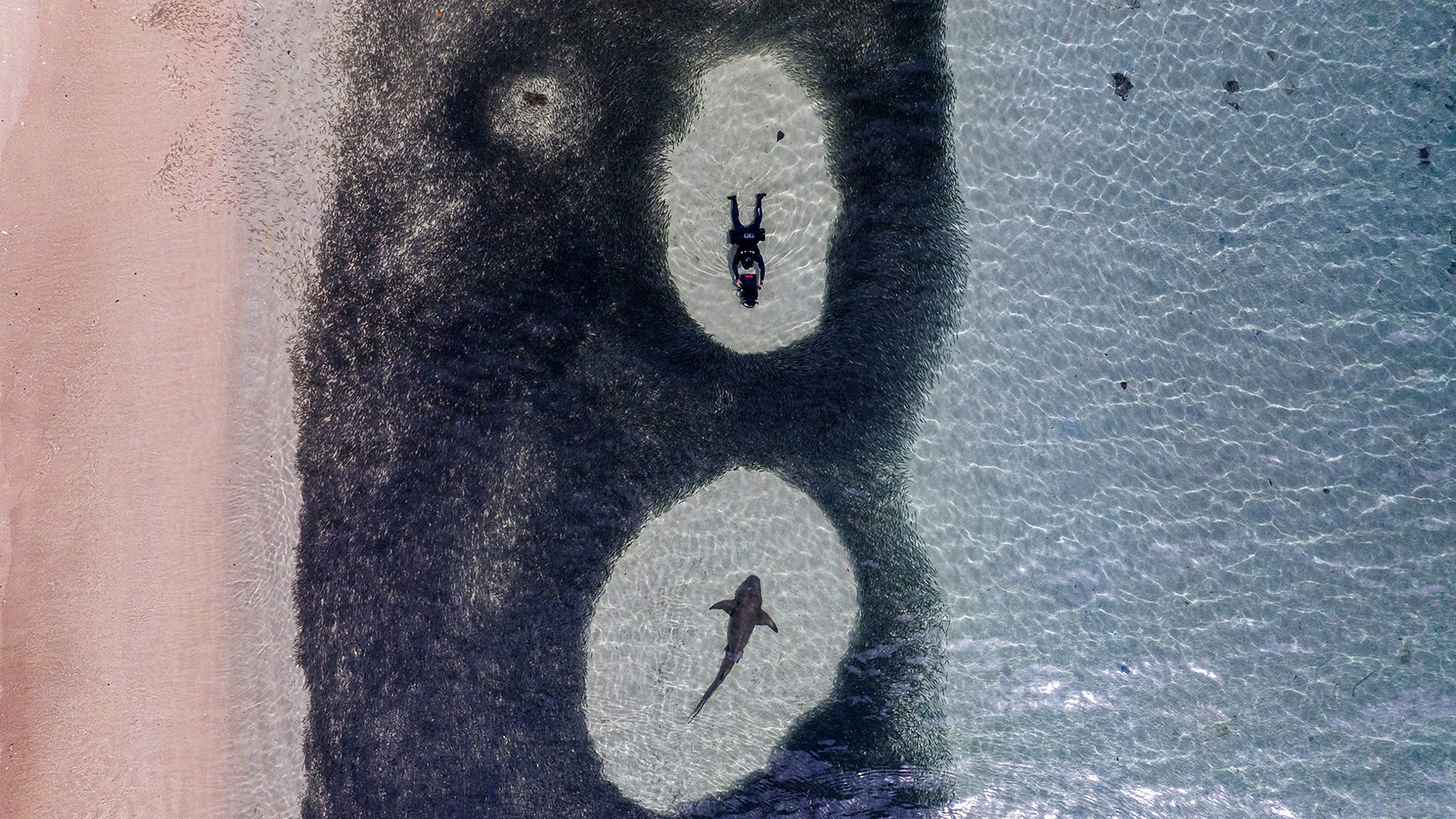
Industry analysts suggest that the lack of an immediate 4K rollout for such a visual-heavy series may be due to the immense bandwidth requirements for streaming such high-resolution content to millions of concurrent users. For enthusiasts hoping to see the series in its full fidelity, the consensus among tech reviewers is to rely on modern OLED or Mini-LED displays, which employ sophisticated upscaling algorithms to bridge the gap between HD streams and the native resolution of high-end screens.
Broader Implications and Conservation Impact
The release of Blue Planet 3 comes at a precarious time for the world’s oceans. Marine heatwaves, acidification, and overfishing have placed unprecedented stress on the habitats featured in the series. By documenting these environments with such technical precision, the series acts as more than just entertainment; it serves as a visual ledger of the ocean’s current state.
Historically, the BBC’s marine series have been catalysts for policy change. Following Blue Planet II, there was a measurable surge in public and governmental discourse regarding microplastics. Projections suggest that the release of this third installment will likely reignite debates surrounding marine protected areas (MPAs) and the necessity of international cooperation in monitoring high-seas biodiversity.
As the series concludes, it is expected to serve as a swan song for a specific era of natural history filmmaking—one defined by the singular, authoritative, and deeply empathetic voice of Sir David Attenborough. By cataloging the wonders of the deep one final time, the producers hope to solidify a lasting appreciation for the "blue planet," ensuring that the legacy of the franchise continues to inspire environmental stewardship long after the final episode credits roll.