Catalonia Rectifies Centuries of Injustice with Posthumous Pardons for Victims of Witch Trials

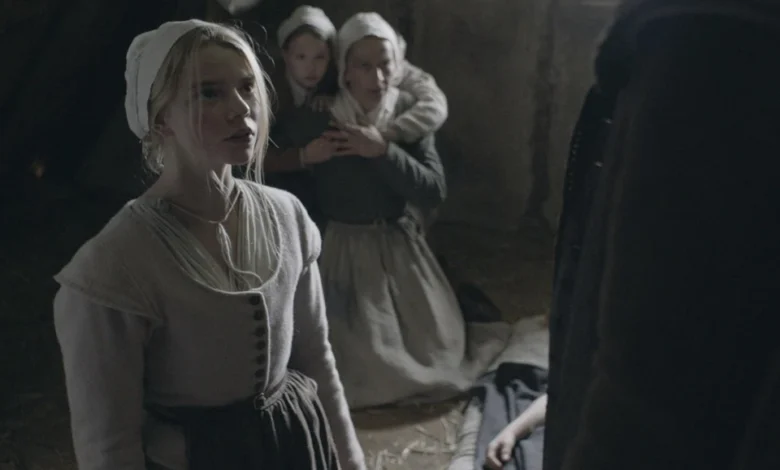
The Salem witch trials of 1692 are frequently cited in popular culture as the definitive historical example of mass hysteria and judicial malpractice. However, for centuries, a much larger and more brutal series of persecutions swept across Europe, claiming tens of thousands of lives. In a significant effort to acknowledge this dark chapter of history, the government of Catalonia, Spain, passed a landmark measure in late 2021 to posthumously pardon more than 700 individuals—primarily women—who were executed for alleged witchcraft between the 15th and 18th centuries. This legislative act represents one of the most comprehensive efforts by a European government to reckon with the systemic gender-based violence that characterized the early modern period.
A Legacy of Persecution: The European Context
The persecution of so-called witches in Europe was not a monolithic event but rather a series of localized outbreaks of violence spanning several centuries. Historians estimate that between 1580 and 1630, at the height of the hysteria, approximately 50,000 individuals were executed across the continent. While the phenomenon is often associated with the religious zealotry of the era, the sociological drivers were far more complex.
Approximately 80 percent of those executed were women. The demographic profile of the victims was consistent across many regions: they were often older women, widows, individuals living on the margins of society, or those who practiced traditional medicine and midwifery. By targeting women who occupied non-traditional roles or possessed specialized knowledge, the trials served as a mechanism to reinforce patriarchal structures and suppress autonomy during a time of intense social and economic instability.
The Catalonian Experience: Rural Fear and Feudal Justice
Catalonia holds a unique place in the history of European witch hunts. It was among the first regions on the continent to engage in systematic trials, with records dating back as early as the 15th century. Unlike other parts of Spain where the Spanish Inquisition—a relatively skeptical institution regarding supernatural claims—maintained strict control, rural Catalonia operated under a different set of dynamics.

In the mountainous regions and remote feudal territories, local lords and village councils exercised significant autonomy. In these settings, witch hunts were often "bottom-up" affairs. Accusations were frequently triggered by localized crises: the sudden death of a child, a failed harvest, the onset of a plague, or an unseasonable natural disaster. Villagers, desperate for a scapegoat to explain their misfortunes, would hire professional "witch finders" to identify the culprits.
The legal framework was disturbingly simple. In local secular courts, a confession was often sufficient for a conviction. Because the Inquisition was not involved in many of these rural cases, the procedural safeguards that might have led to acquittals elsewhere were absent. Those found guilty were typically hanged rather than burned, as the local authorities viewed hanging as a more cost-effective method of execution that spared the expense of firewood.
Timeline of Institutional Reckoning
The 2021 legislative vote in the Catalonian parliament is the culmination of a growing movement to address the historical erasure of these victims. The timeline of this modern-day acknowledgement is as follows:
- 15th–18th Century: The period of active witch hunts in Catalonia, resulting in an estimated 700-plus executions.
- 2008: The Swiss government officially pardons Anna Göldi, a woman executed in 1782, marking a major international precedent for posthumous exoneration.
- 2011: The Norwegian government commemorates the victims of the Vardø witch trials, recognizing the trauma inflicted upon the community.
- 2021: The Catalonian parliament votes 114 to 21 in favor of a measure to pardon the victims, rename streets in their honor, and formalize historical education regarding the trials.
Official Responses and Sociopolitical Analysis
The debate surrounding the 2021 measure was not merely about historical record-keeping; it was deeply intertwined with contemporary feminist discourse. Jenn Díaz, a member of the Catalonian parliament, articulated this connection during the proceedings. "We are heiresses of the witches, the poisoners, and the healers," Díaz stated in an interview with Vice News. "There is a connection between witch hunts and femicide. We want reparation and an understanding that the past is not as distant as we think."
By framing the historical trials as a form of early "femicide," supporters of the bill aimed to draw a direct line between the systemic suppression of women in the 17th century and the gender-based violence that persists in modern society. The parliamentary support—with 114 votes in favor—suggests a broad consensus that the state has an obligation to validate the experiences of marginalized groups from history, even when the perpetrators are long dead.

Sociological Factors: Why the Trials Occurred
A factual analysis of the witch hunts reveals that they were rarely about actual occult practices. Instead, they were manifestations of extreme societal stress. During the "Little Ice Age," which brought crop failures and famine to Europe, the need for a scapegoat became acute. The trial of an "independent woman" provided a convenient narrative for communities struggling to make sense of inexplicable tragedy.
The role of the Inquisition in Spain is a critical variable. Throughout the 16th and 17th centuries, the Spanish Inquisition issued guidelines requiring high standards of evidence for witchcraft cases. They were fundamentally skeptical of the "superstitions" that drove rural hysteria. Consequently, in cases where the Inquisition assumed jurisdiction, the accused were significantly more likely to be acquitted. The high death toll in Catalonia was therefore not a result of state-mandated religious policy, but rather a failure of local, decentralized judicial systems to protect citizens from mob rule.
Broader Impact and Global Implications
The decision by the Catalonian government serves as a model for other regions attempting to address historical grievances. By moving beyond simple acknowledgment and into the realm of formal legal pardons and public memorials, the government is influencing how history is taught in schools and preserved in local culture.
The move has prompted historians and social activists in other regions—including Scotland, Germany, and parts of the United States—to reconsider their own historical archives. There is an increasing push to re-examine trial records, provide names to the faceless victims, and install monuments that serve as a permanent reminder of the dangers of institutionalized panic.
Furthermore, the academic community has praised the Catalonian initiative for its emphasis on historical accuracy. By moving the narrative away from the sensationalism of "witchcraft" and toward the reality of gender-based persecution, the government is helping to correct a historical record that was, for centuries, obscured by myth and superstition.

Conclusion: Lessons for the Future
The posthumous pardoning of the 700 victims in Catalonia is not merely a symbolic gesture; it is a profound recognition that history is a living record. The trials were a failure of justice, a breakdown of social cohesion, and an instrument of oppression. By officially clearing the names of these individuals, the Catalonian government has sent a clear message: that the state recognizes the inherent value of those who were marginalized, silenced, and destroyed by the fear-driven policies of their ancestors.
As we look back at these events, the implications for modern society remain salient. The mechanisms used to dehumanize the "witches" of the 17th century—the use of rumors as evidence, the scapegoating of the vulnerable, and the weaponization of public fear—are perennial threats to civil society. Through its commitment to truth and historical justice, Catalonia has taken a decisive step toward ensuring that the lessons of the past are not only remembered but understood as vital warnings for the present.