Bayreuth Festival Unveils Major New Productions and Artistic Lineup for the 2027 Season

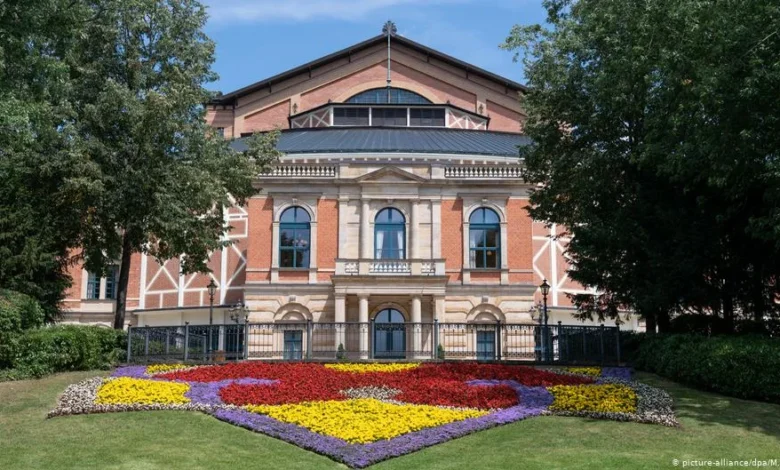
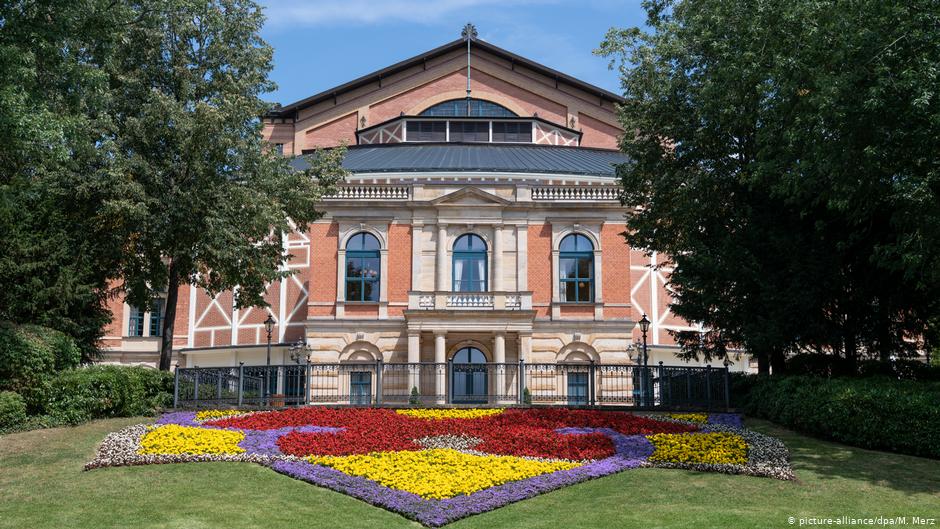
The Bayreuth Festival, the prestigious annual event dedicated exclusively to the performance of operas by Richard Wagner, has officially revealed its programming and artistic roster for the 2027 season. This announcement marks a significant milestone in the festival’s long-term planning, signaling a strategic blend of seasoned Wagnerian veterans and a new generation of avant-garde directors and rising conductors. As the "Green Hill" continues to navigate the post-pandemic cultural landscape and evolving leadership dynamics under Artistic Director Katharina Wagner, the 2027 season is poised to reinforce the festival’s reputation as a laboratory for operatic innovation. The schedule is headlined by two major new productions: a fresh interpretation of Lohengrin and a highly anticipated staging of Parsifal, alongside revivals of Die Meistersinger von Nürnberg and Tannhäuser.
A New Vision for Lohengrin: Lanzino and Peltokoski
The 2027 season will commence with a brand-new production of Lohengrin, one of Wagner’s most romantic and ethereal works. This production is set to be a focal point of the festival, as it introduces the Italian director Ilaria Lanzino to the Bayreuth stage. Lanzino has gained international recognition for her psychologically nuanced and visually striking productions, often recontextualizing classic narratives to highlight contemporary social dynamics. Her appointment reflects the festival’s ongoing commitment to diversifying its directorial voices and bringing fresh perspectives to the Wagnerian canon.
Adding to the production’s significance is the presence of Tarmo Peltokoski on the conductor’s podium. The Finnish conductor, who has enjoyed a meteoric rise in the classical music world, will become one of the youngest conductors ever to lead a premiere at the Festspielhaus. Peltokoski’s reputation for clarity, energy, and a deep understanding of late-Romantic orchestration makes him an ideal choice for the intricate textures of Lohengrin.
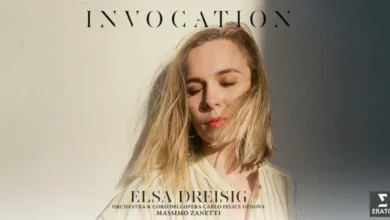
The cast for this new production features a mix of established Bayreuth favorites and exciting newcomers. Georg Zeppenfeld, widely considered one of the finest Wagnerian basses of his generation, will return to the festival. He is joined by tenor Michael Spyres in the title role. Spyres, known for his extraordinary vocal range and "baritenor" capabilities, has been expanding his repertoire into heavier German roles, and his debut as the Knight of the Swan is highly anticipated by critics and audiences alike. The soprano Elsa Dreisig will portray Elsa, with Jordan Shanahan as Telramund and Judit Kutasi as Ortrud, rounding out a formidable ensemble.
The Return of Thielemann and the Provocation of Ersan Mondtag
The second major highlight of the 2027 season is a new production of Parsifal, Wagner’s final "Bühnenweihfestspiel" (Festival Play for the Consecration of the Stage). This production marks a significant moment in the festival’s history as it reunites the Bayreuth orchestra with Christian Thielemann. Thielemann, the former Music Director of the Bayreuth Festival and a titan of German conducting, is often viewed as the definitive interpreter of Wagner in the modern era. His return to lead a new production is seen as a stabilizing force and a nod to the festival’s deep-rooted musical traditions.
Contrasting with Thielemann’s musical traditionalism is the appointment of Ersan Mondtag as the production’s director. Mondtag is one of the most polarizing and acclaimed figures in contemporary German theater, known for his surreal, often grotesque, and politically charged aesthetics. His work frequently challenges audience expectations, and his take on the sacred and ritualistic themes of Parsifal is expected to generate significant discussion and debate.
The cast for Parsifal is equally impressive. The veteran baritone Michael Volle will take on the role of Amfortas, while the Finnish bass Mika Kares will perform as Gurnemanz. The title role will be sung by Piotr Beczała, the Polish tenor whose previous performances at Bayreuth have been met with universal acclaim. Christopher Sokolowski and Michele Losier will also star, ensuring a world-class vocal standard for Wagner’s most spiritual score.
Revivals and Continued Excellence: Die Meistersinger and Tannhäuser
In addition to the new productions, the 2027 season will see the return of Die Meistersinger von Nürnberg and Tannhäuser. These revivals allow the festival to maintain its core repertoire while providing opportunities for different conductors and singers to leave their mark on established stagings.
The revival of Die Meistersinger von Nürnberg will be conducted by Simone Young. Young made history as the first woman to conduct the Ring Cycle at Bayreuth in 2024, and her return for Meistersinger further solidifies her status as a central figure in the festival’s current era. The cast features Michael Volle as Hans Sachs, Georg Zeppenfeld as Veit Pogner, and Michael Nagy as Sixtus Beckmesser. The roles of Walther von Stolzing and David will be performed by Klaus Florian Vogt and Sebastian Kohlhepp, respectively, with Vida Miknevičiūtė as Eva. Vogt’s association with the role of Walther is legendary, and his participation remains a major draw for international visitors.
Tannhäuser will be led by the young German conductor Thomas Guggeis. Guggeis, currently the General Music Director of the Oper Frankfurt, has been lauded for his precision and dramatic pacing. The production stars Vida Miknevičiūtė, Klaus Florian Vogt, and Tareq Nazmi. The presence of Vogt in both Meistersinger and Tannhäuser underscores his status as the preeminent Wagnerian tenor of the current age, while Miknevičiūtė’s dual appearances highlight her rising prominence on the international stage.
Chronology and Strategic Planning
The announcement of the 2027 season four years in advance is consistent with the logistical demands of the Bayreuth Festival. Unlike most opera houses that operate on a year-round basis, Bayreuth is a specialized summer festival with a unique "Werkstatt" (workshop) philosophy. This approach requires long-term commitments from world-class singers, directors, and conductors who are often booked years in advance.
The timeline for the 2027 season follows a pattern of artistic renewal. Traditionally, the festival introduces one or two new productions each year while retiring older stagings. The decision to launch both Lohengrin and Parsifal in the same year suggests an ambitious effort to refresh the festival’s core offerings. Historically, new productions at Bayreuth are kept in the repertoire for approximately five to seven years, undergoing constant refinement during their annual runs.
Official Responses and Inferred Implications
While official statements from the festival administration have focused on the artistic pedigree of the 2027 lineup, industry analysts note several key implications. The re-engagement of Christian Thielemann is viewed by many as a reconciliation of sorts, following rumors of tension between the conductor and the festival’s management in recent years. His presence ensures that the festival retains its "musical soul" even as it experiments with more radical directorial concepts.
Furthermore, the inclusion of Ilaria Lanzino and Ersan Mondtag signals that Katharina Wagner is continuing her father Wolfgang’s legacy of "Workshop Bayreuth"—the idea that the festival should be a place where Wagner’s works are constantly re-examined through the lens of modern theatrical trends. This strategy is essential for keeping the festival relevant to younger audiences and ensuring it remains at the forefront of the global operatic conversation.
From an economic perspective, the 2027 season is expected to maintain the festival’s high demand for tickets. The Bayreuth Festival remains one of the most difficult cultural events to attend, with waiting lists often spanning several years. The combination of star power (Beczała, Spyres, Vogt) and controversial directors (Mondtag) is a proven formula for ensuring both critical attention and commercial success.
Broader Cultural Impact and Analysis
The 2027 Bayreuth Festival season serves as a microcosm of the broader challenges and opportunities facing the opera world today. By balancing the "old guard" (Thielemann, Zeppenfeld, Volle) with "new blood" (Peltokoski, Lanzino, Guggeis), the festival is attempting to bridge the gap between tradition and innovation.
The choice of Tarmo Peltokoski is particularly noteworthy. As classical music faces an aging demographic, the elevation of a conductor in his early twenties to such a prestigious platform is a clear signal of the industry’s desire for renewal. Peltokoski’s success at Bayreuth could pave the way for other young maestros to take on the monumental task of conducting Wagner’s "Gesamtkunstwerk" (total work of art).
Additionally, the festival’s continued focus on diverse directorial perspectives ensures that the "Green Hill" remains a site of intellectual rigor. Wagner’s works, with their complex themes of power, redemption, and human nature, provide fertile ground for directors like Mondtag and Lanzino to explore the anxieties of the 21st century.
As the 2027 season approaches, the opera world will be watching closely to see how these various artistic threads come together. The Bayreuth Festival remains the ultimate testing ground for Wagnerian performance, and the 2027 lineup suggests that the institution is ready to face the future without losing sight of its illustrious past. With a blend of vocal excellence, conducting brilliance, and theatrical daring, the 2027 season promises to be a landmark chapter in the history of the Richard Wagner Festspielhaus.