Metallica take center stage in the second issue of the Rock Sound Rewind collectible mini-magazine series


The enduring legacy of Metallica is being celebrated in the latest installment of the Rock Sound Rewind series, a specialized publication dedicated to archiving the most pivotal moments in heavy metal history. This second issue, presented in a compact A5 format, serves as a curated retrospective of the band’s multi-decade relationship with the publication. By collating rare, previously unpublished photography alongside vintage interviews that have remained buried in the archives for years, the magazine offers a deep dive into the band’s evolution during one of their most transformative eras.
A Journey Through the Archives
The core of this special edition is a chronological exploration of Metallica’s trajectory at the turn of the millennium. The issue features a candid 1999 retrospective where James Hetfield and Lars Ulrich discuss the pressures of global superstardom while on tour. This period was a critical juncture for the band, as they transitioned from the raw thrash roots that defined their 1980s output to the experimental, high-production landscape they would occupy in the early 2000s.
Readers are provided with an intimate look at the creation of the S&M project, with exclusive commentary from lead guitarist Kirk Hammett. The S&M era, which saw the band perform alongside the San Francisco Symphony under the direction of Michael Kamen, remains one of the most polarizing yet commercially successful experiments in heavy metal history. By re-publishing the 2003 cover story, the magazine provides a window into the band’s mindset following the release of St. Anger—a period marked by internal tension, the departure of bassist Jason Newsted, and the band’s subsequent efforts to rebuild their identity.
Chronology of a Heavy Metal Giant
To understand the significance of this archive, one must view Metallica’s history through the lens of their evolving musical and industrial influence:

- 1991: The release of the "Black Album" catapults Metallica into the mainstream, solidifying their status as the world’s most successful heavy metal act.
- 1999: The band records S&M at the Berkeley Community Theater, a high-water mark for the symphonic-metal crossover genre.
- 2001: Jason Newsted departs the band, leading to a period of instability that would ultimately culminate in the documentary Some Kind of Monster.
- 2003: The band releases St. Anger, an album noted for its stripped-back, aggressive production style and raw, unpolished sound.
- 2026: Rock Sound compiles these historical artifacts to provide a definitive retrospective for long-time fans and modern music historians.
Supporting Data and Cultural Impact
Metallica’s influence on the music industry is difficult to overstate. As of 2024, the band has sold over 125 million records worldwide. Their 1991 self-titled album remains one of the best-selling records in the history of the Nielsen SoundScan era. However, their impact extends beyond mere sales figures; they were among the first heavy metal bands to effectively bridge the gap between underground thrash and global arena-filling pop culture.
The decision to revisit the late 90s and early 2000s in the Rock Sound Rewind series is particularly resonant. This era represents a "transitional period" for the music industry, characterized by the shift from physical media to the early digital disruption caused by file-sharing services like Napster—a controversy in which Metallica played a central, highly publicized role. The archive interviews included in the new magazine touch upon these tensions, offering a rare glimpse into how the band navigated the changing economics of the music business in real-time.
The Value of Archival Journalism
In an era where digital content is often fleeting, the push for physical, high-quality archival publications like the Rock Sound Rewind series reflects a broader trend in music consumption. Collectors and fans are increasingly seeking "tangible" history—content that is curated, verified, and presented with high production values.
The inclusion of exclusive, previously unseen photos acts as a historical record, documenting the band members’ aesthetic and stylistic shifts. For music journalists and historians, these documents provide a primary source that captures the band’s dialogue before the retrospective filters of modern media can alter the narrative. The publication serves not merely as a magazine, but as a preservation effort for the heavy metal canon.
Official Perspectives and Distribution
While the band members themselves have moved forward with recent projects and massive global stadium tours, the release of this archive allows fans to contrast the Metallica of today with the band as they appeared in the pages of Rock Sound decades ago. The publication is currently available in two distinct cover variants, designed to appeal to both casual listeners and dedicated completists.
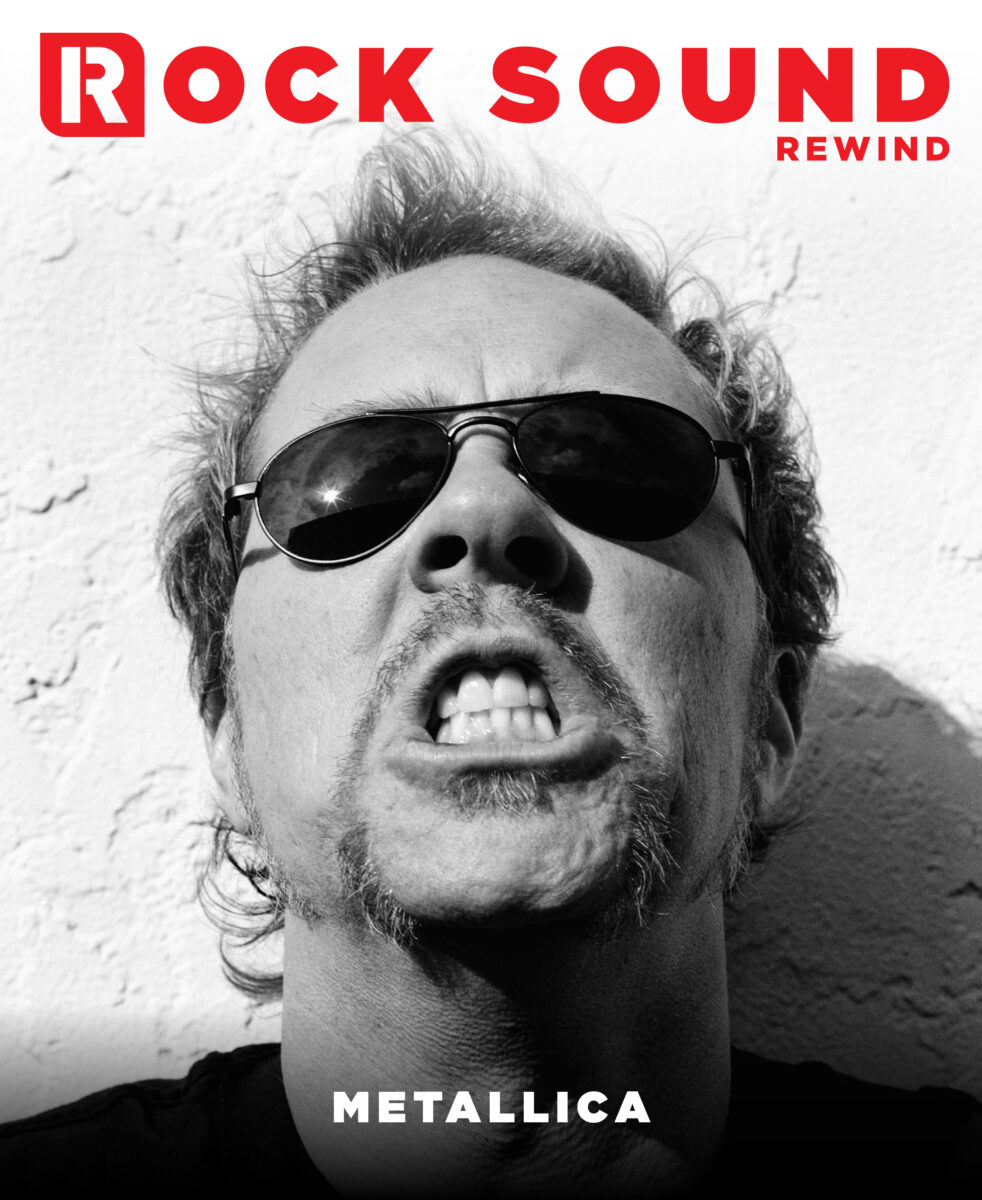
By utilizing the A5 mini-magazine format, the publishers have created a product that is portable and highly collectible, distinguishing it from the standard monthly music magazine. This format is designed for longevity, ensuring that the interviews—which would otherwise remain trapped in digital or physical archives—are accessible to a new generation of listeners who may have only discovered the band during their recent resurgence in popular culture.
Implications for the Music Media Landscape
The success of such archival projects suggests that the audience for legacy rock media remains robust. When major publications revisit their archives, they validate the longevity of the artists they cover. For Metallica, this serves as a reminder of their ability to remain relevant across four decades.
Furthermore, the focus on the 1999–2003 window is a strategic choice. These years were arguably the most turbulent in the band’s career. By revisiting these specific moments, the magazine moves beyond promotional puff-pieces to explore the artistic struggle and internal friction that defined the band’s growth. It underscores the reality that Metallica’s "greatest hits" status was earned through immense personal and professional hardship.
Conclusion: The Legacy Continues
The second issue of Rock Sound Rewind serves as a vital bridge between the past and present. By providing a structured look at the archival interviews and photography, the magazine offers more than just nostalgia; it provides a narrative of endurance. As Metallica continues to perform to sold-out crowds worldwide, this publication allows fans to appreciate the long, often complex road the band traveled to reach their current status as the undisputed titans of the metal genre.
For those interested in the evolution of rock journalism, the issue stands as a case study in how to effectively package historical assets. By maintaining an objective, factual, and chronological focus, the editors have provided a contribution to music history that goes beyond the standard fan-focused merchandise. The release highlights the continued demand for high-quality, long-form journalism that honors the history of the artists who have shaped the modern musical landscape.