Fresh Sound Libraries Released for Iconic Hardware and Modern Software Synthesizers

Recent weeks have brought a diverse and comprehensive wave of sound design expansions to the electronic music production community. Ranging from deeply atmospheric acoustic guitar sample libraries captured in centuries-old Scottish architecture to specialized patch collections for cult-classic hardware and bleeding-edge polyphonic synthesizers, producers and composers are finding robust new avenues for creative expression. This latest round of soundware updates caters to users of Native Instruments Kontakt, vintage Crumar synthesizers alongside their digital emulations, Modal Electronics’ newly stabilized hardware lineup, and Moog Music’s flagship analog polyphonic platform.
Architectural Acoustics Meet Modern Sampling in Panorama Whitekirk
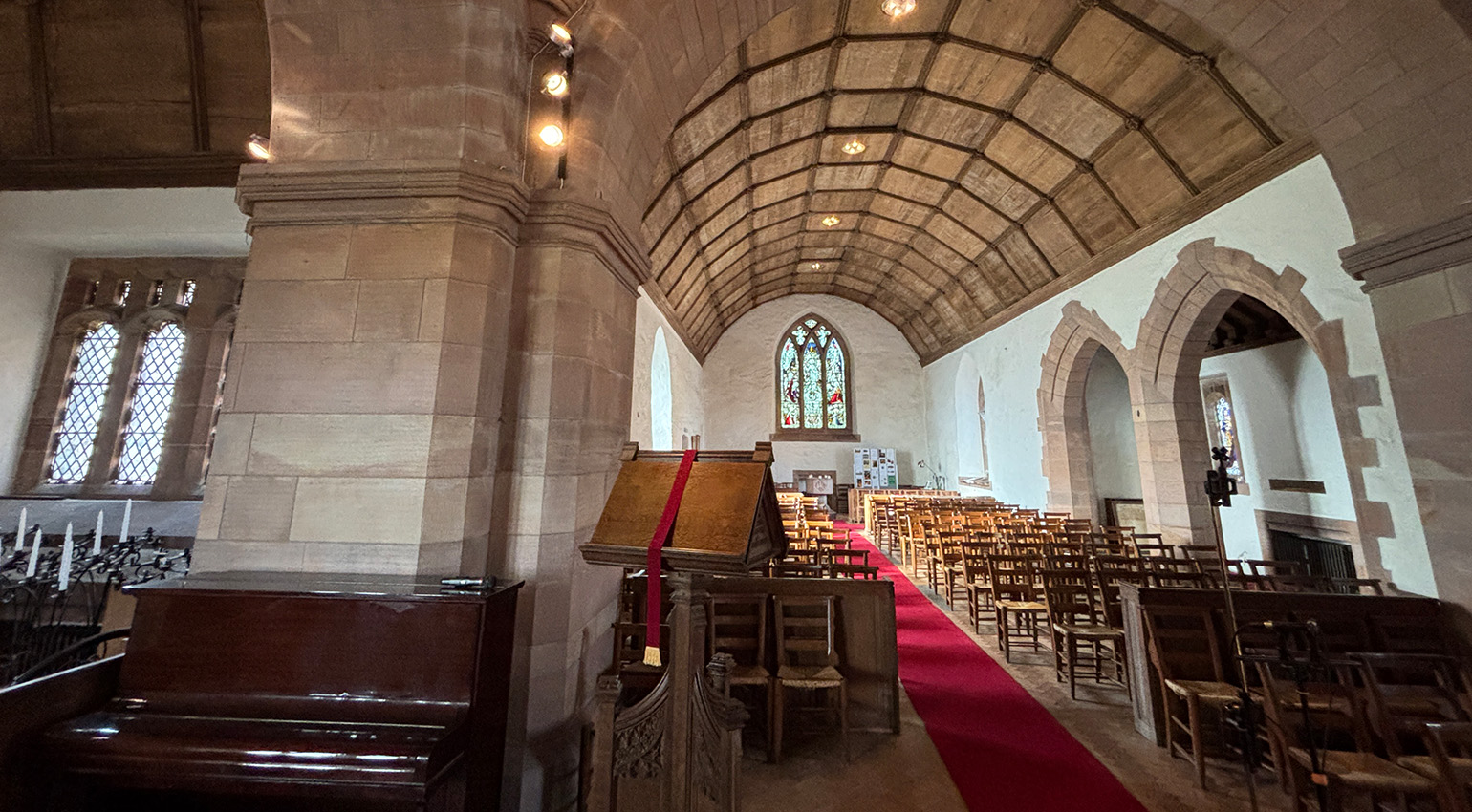
The intersection of acoustic architecture and digital sound design has yielded an evocative new instrument for Native Instruments Kontakt and Kontakt Player. Titled Panorama Whitekirk, this newly released library was developed by composer and sound designer Alessandro Mastroianni. Conceived in East Lothian, Scotland, the instrument draws its primary source material and distinctive moniker from Whitekirk Church, a historic 12th-century structure located approximately 25 miles east of Edinburgh.
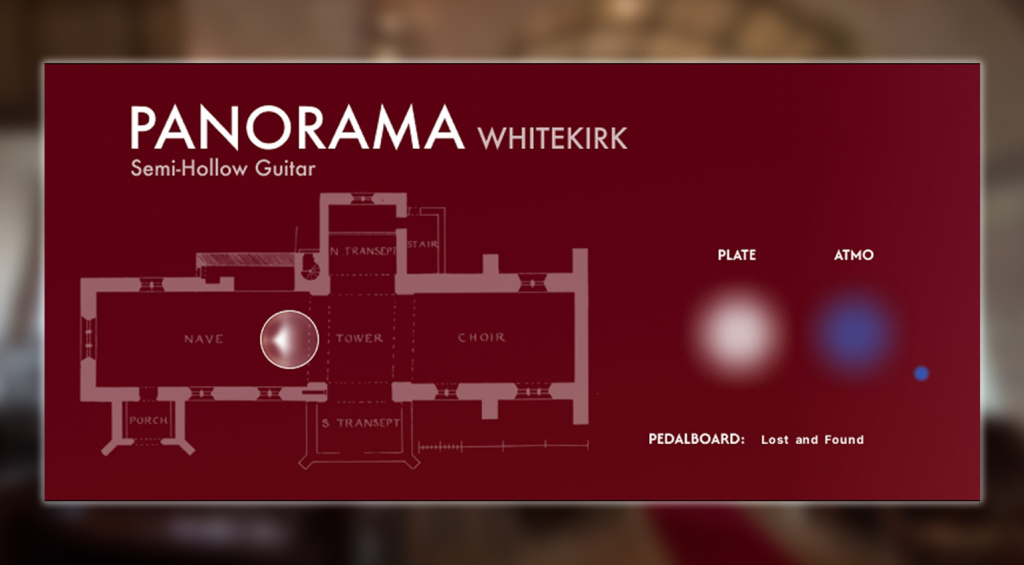
Mastroianni utilized both electric and hollow-bodied semi-acoustic guitars to capture the natural acoustic profile of the ancient building. The physical layout of Whitekirk Church presented a unique dual-environment acoustic challenge: the wooden ceiling of the nave delivers a warm, intimate tonal characteristic, whereas the stone-clad choir area provides a dense, highly reverberant field. By implementing a user interface designed around a schematic map of the church interior, the library allows users to dynamically navigate between these two distinct spaces.
Beyond its foundational guitar samples, Panorama Whitekirk incorporates a plate reverb algorithm, an ambient processing engine capable of granular and shimmer-adjacent textures, and a virtual pedalboard module designed to introduce analog-style saturation and grit. Fully integrated with Native Instruments’ Native Kontrol Standard (NKS) protocol, the library is currently available for purchase at an introductory price of £39, with plans to increase to £49 following the launch window.
Revitalizing Vintage Italian Synthesis with the Dreamer Soundset
Moving from acoustic environments into the realm of vintage electronic hardware, sound designer Nick Klimenko has introduced a dedicated preset bank titled the Dreamer Soundset. Aimed at the cult-classic Crumar Bit 99 and Bit 01 synthesizers—instruments originally manufactured in Italy during the mid-1980s—the collection addresses a growing market demand for soundware tailored to vintage digital-analog hybrid architectures.
Released during a turbulent era for hardware synthesizer manufacturers attempting to compete with Yamaha’s digital dominance, the Crumar Bit series famously abandoned traditional continuous controllers in favor of membrane buttons, numerical LED readouts, and digitally controlled oscillators (DCOs). While initially overlooked as the industry pivoted toward fully digital paradigms, these vintage Italian units have since achieved a respected cult status among collectors and sound designers due to their gritty, distinctively unorthodox sonic character.
Significantly, the 75-preset Dreamer Soundset is fully compatible not only with the rare original hardware but also with "Bucket ONE," a widely utilized, free software recreation developed by Full Bucket Music. This cross-platform accessibility allows modern producers who do not own the physical vintage hardware to access the complex ambient and vintage patches. Priced at €15, the soundset is available directly through digital storefront platforms.

Modal Electronics Expands Its Sonic Footprint with Ambika for Element One
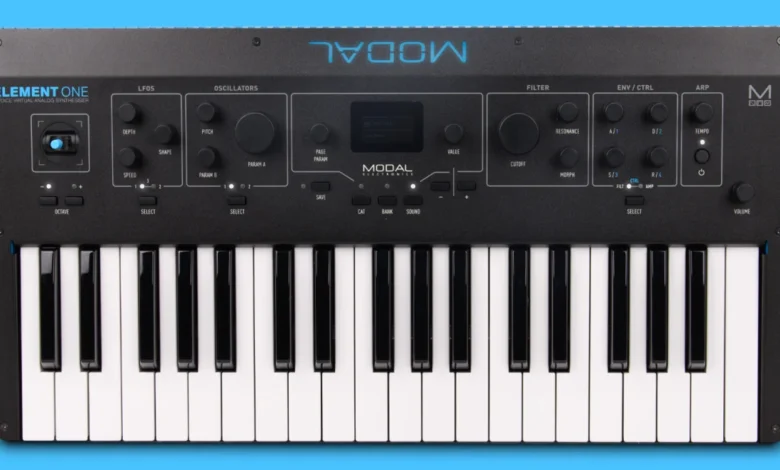
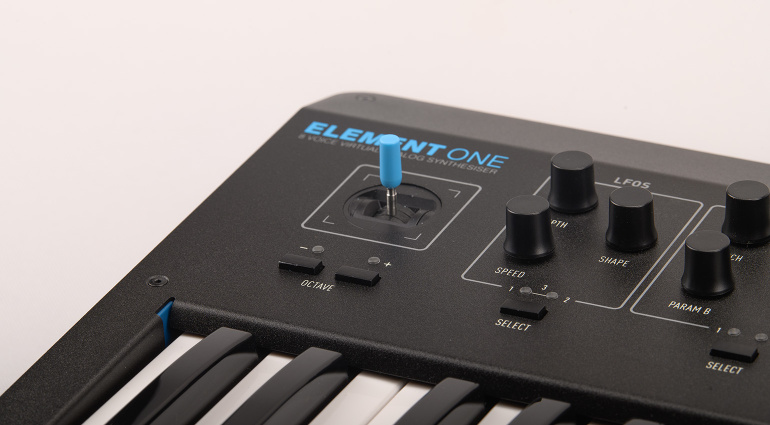
The hardware manufacturing sector has also seen notable developments, particularly regarding Modal Electronics. Following a period of corporate restructuring under the leadership of Christian Stahl, the company has worked to reestablish its market presence, culminating in the release of the Element One synthesizer. Positioned as a streamlined successor to earlier flagship platforms like the COBALT8 and CARBON8, the Element One was engineered to prioritize immediate acoustic gratification and a simplified physical user interface, deliberately reducing front-panel controls while maintaining deep under-the-hood parameters accessible via the companion ModalApp.
Capitalizing on this hardware release, sound designer Nick Klimenko has crafted "Ambika," a targeted collection of 50 custom patches designed specifically for the Element One. Demonstrating that the compact and cost-effective synthesizer possesses a sonic footprint significantly larger than its physical dimensions might suggest, Ambika focuses heavily on evolving textures, motion-based modulation, and cinematic soundscapes. The preset pack is currently distributed for €15, offering Element One owners an immediate expansion of factory capabilities.

Deep Analog Low-End: Anton Anru’s Bass Collection for the Moog Muse
Rounding out the latest releases is a specialized sound bank tailored for the Moog Muse, Moog Music’s premier analog polyphonic synthesizer. Following the complex engineering and market reception of the ambitious Moog One, the Muse was designed as a refined, highly functional polyphonic instrument that consolidates classic Moog tonal characteristics into a more streamlined architecture. Since its debut, the Muse has competed directly with other high-end expressive platforms, such as the Arturia PolyBrute 12, distinguishing itself through traditional analog warmth and robust performance controls.
While the Muse is capable of handling a broad array of polyphonic duties, sound designer Anton Anru has chosen to focus exclusively on the lower registers with his latest release, the Bass Collection for Moog Muse. Comprising 64 analog bass presets, the collection exploits the synthesizer’s dual-VCO architecture, ladder filters, and extensive modulation matrix to generate everything from subterranean sub-basses to aggressive, overdriven low-end frequencies. Available through Anru’s digital storefront for $24.95, the pack underscores the versatility of Moog’s modern polyphonic flagship in handling traditional monophonic and polyphonic bass applications alike.

Industry Implications and Market Trends
The simultaneous release of these diverse sound libraries highlights a persistent commercial trend within modern music production: the symbiotic relationship between hardware manufacturers, software developers, and independent sound designers. As the market for physical synthesizers encounters rising manufacturing costs and shifting consumer economics—exemplified by Modal’s strategic pivot toward more frugal, accessible hardware designs—independent soundware creators continue to bridge the gap between vintage rarity and modern production workflows.
Furthermore, the proliferation of specialized preset banks for instruments like the Moog Muse and the Modal Element One indicates a healthy, ongoing demand for curated content that maximizes the performance capabilities of contemporary hardware. By lowering the barrier to entry for complex sound design, these collections enable both professional composers and bedroom producers to harness intricate sonic palettes without deep manual programming, ultimately sustaining the lifecycle and cultural relevance of both classic and contemporary instruments.